Discover the timeless beauty of the Cederberg Wilderness Area, where ancient Clanwilliam cedar trees stand sentinel beneath vast African skies and sculpted sandstone formations preserve the enduring legacy of the Khoisan people. By day, dramatic mountain landscapes invite exploration; by night, one of the world’s clearest skies reveals a dazzling canopy of countless stars, bathing this extraordinary wilderness in celestial light.
Cederberg Wilderness Area
Nature Reserve details
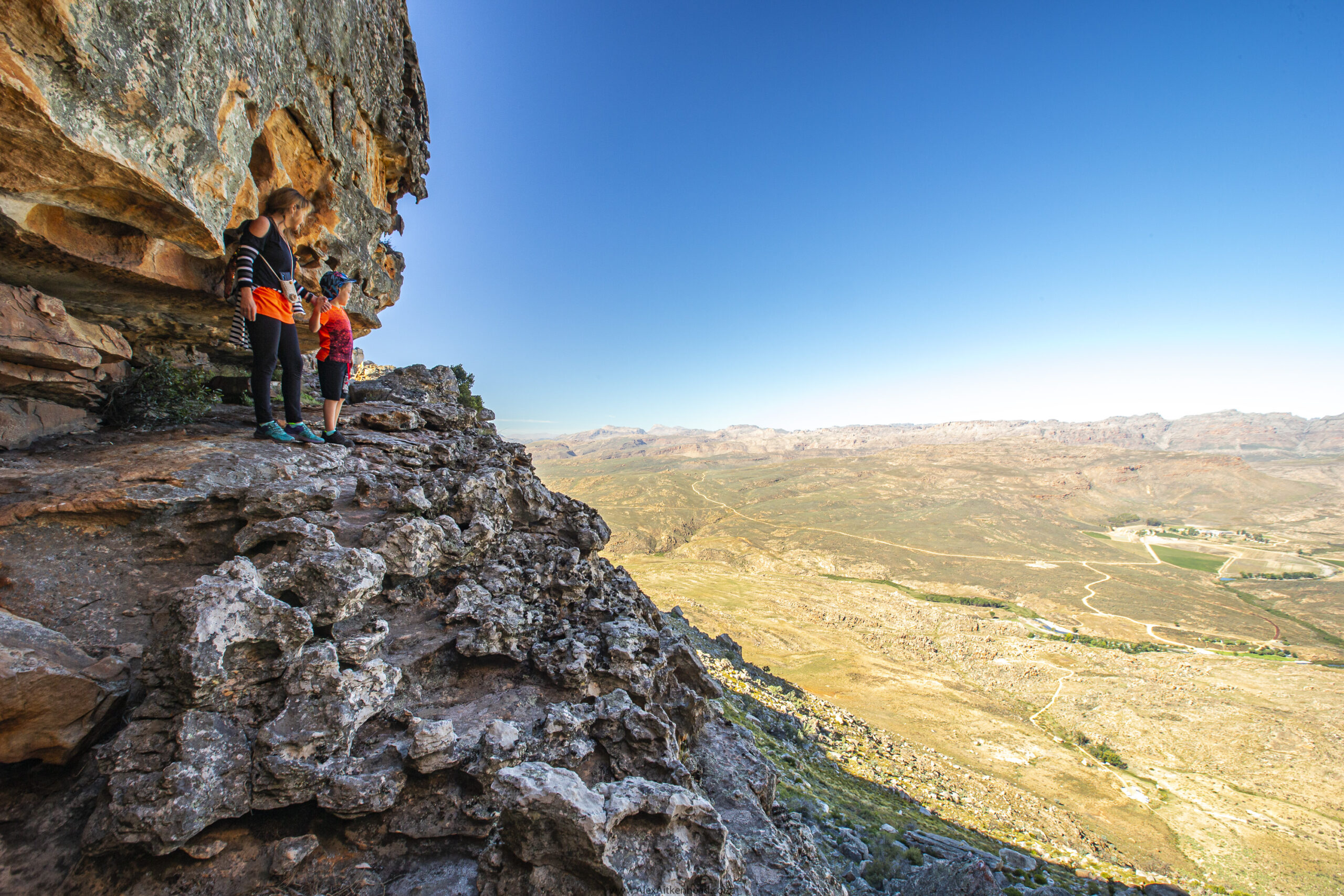
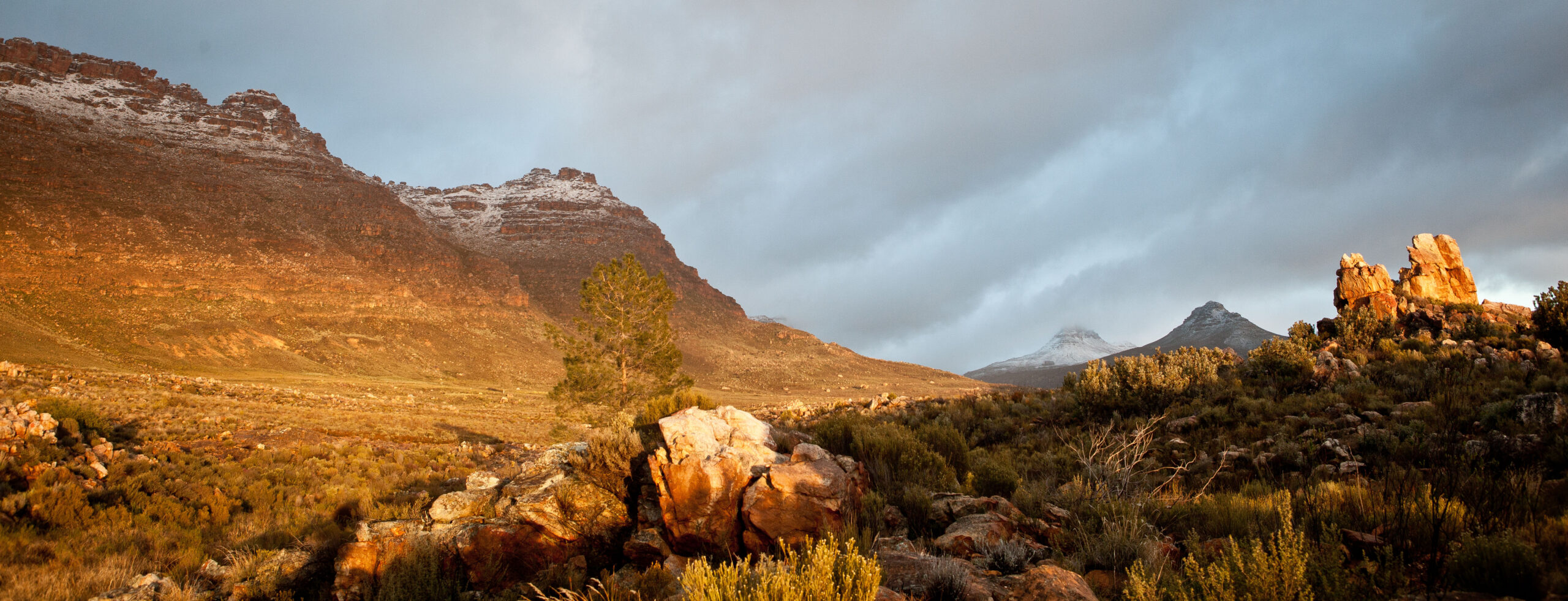
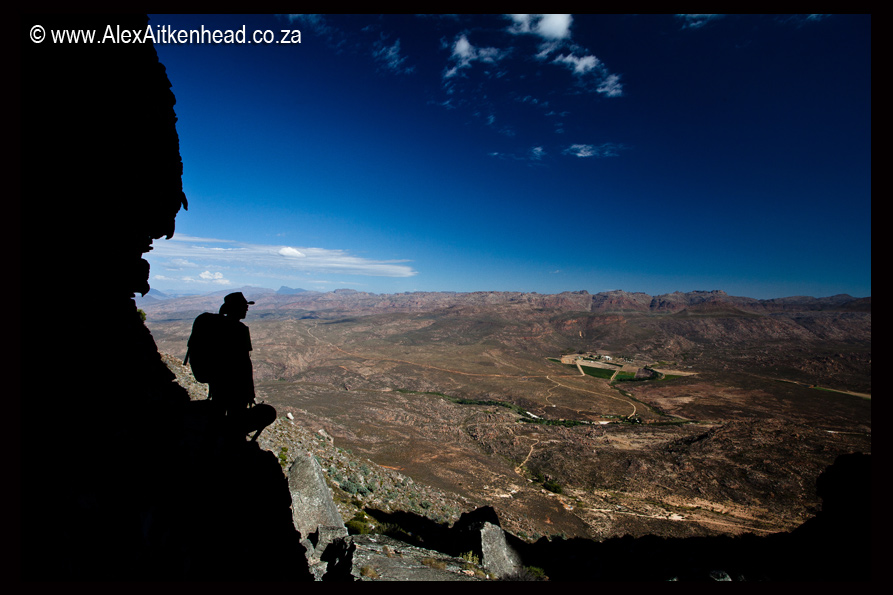
The Cederberg was proclaimed as a Wilderness in 1973. The 66811 ha of mountainous terrain is located in the Cape Floral Region, only three hours outside Cape Town, but it feels like a different world. The Cederberg Mountains, burnt orange by iron oxide, dominate the landscape. Jagged sandstone rock formations, like the Maltese Cross and the Wolfberg Arch, and ancient San and Khoi rock art make this area truly spectacular.
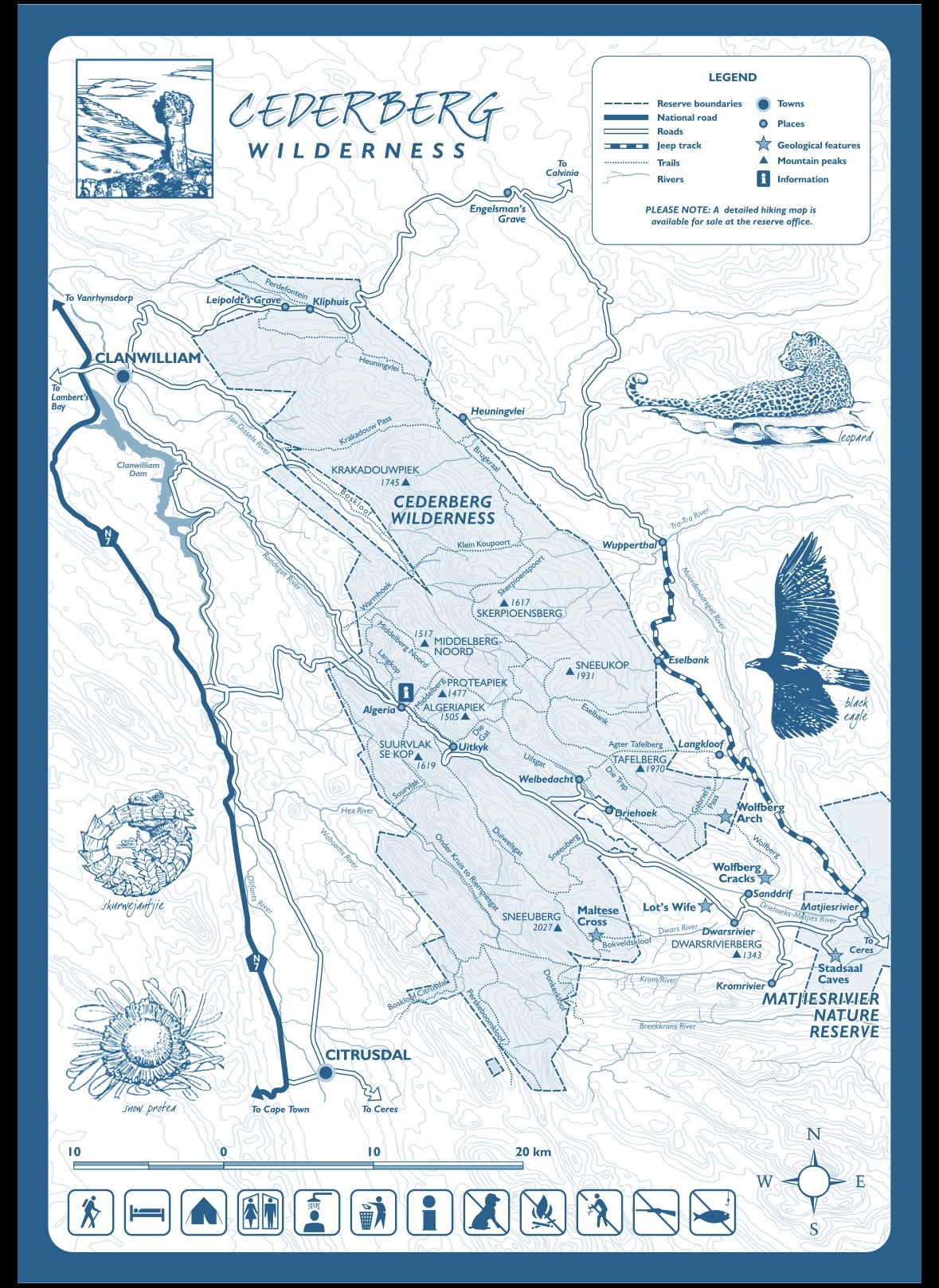
The Cederberg lies 250km north of Cape Town, stretching from the Middelberg Pass in Citrusdal to north of the Pakhuis Pass at Clanwilliam. The wilderness encompasses about 71 000 hectares of rugged, mountainous terrain, making it a top spot in the Western Cape for hiking and rock-climbing enthusiasts.
The Cederberg, which forms part of the Cape Floral Region, is a World Heritage Site and is covered in mountain fynbos, including the laurel protea, the red disa, rooibos, and the rare and endemic snow protea. Rare Clanwilliam cedars, the area’s namesake, dot the higher mountain cliffs.
The area is also rich in wildlife. Visitors with a keen eye may spot porcupines, honey badgers, the Cape clawless otter and aardvark. The lucky few may even catch a glimpse of the elusive leopard. There are also smaller predators like the African wild cat, lynx, bat-eared fox, aardwolf and Cape fox. Other, more common animals include baboons, dassies, grey rhebok, klipspringers, duiker and grysbok.
The Cederberg Wilderness lies some 250km north of Cape
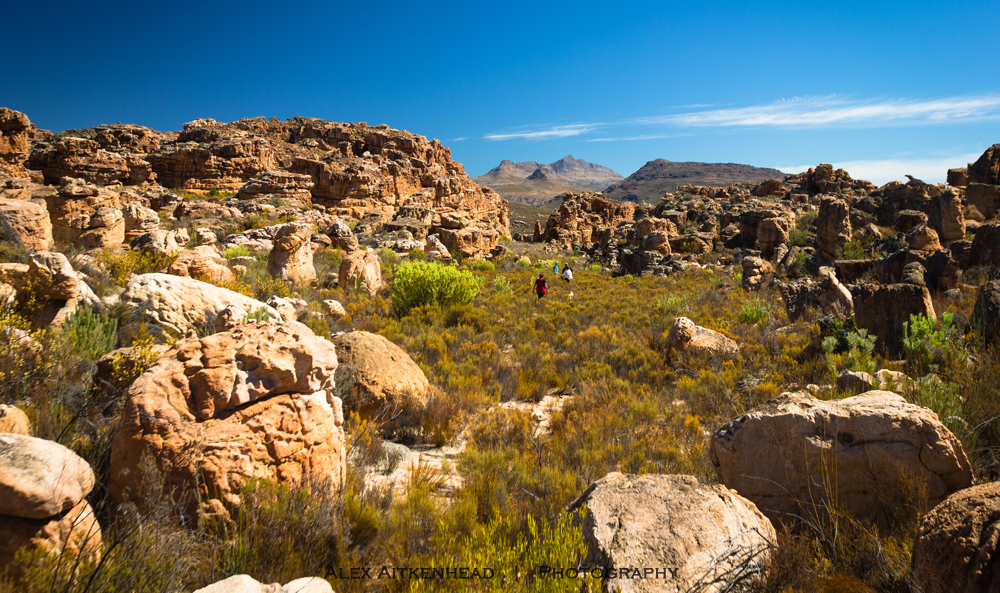
Town, stretching from the Middelberg Pass at Citrusdal to north of the Pakhuis Pass at Clanwilliam and encompassing some 71 000ha of rugged, mountainous terrain. It is renowned for its spectacular landscapes and rock formations as well as the increasingly rare Clanwilliam cedar tree, from which it got its name. Geologically, the Cederberg is part of the Cape Fold Belt and consists mainly of Table Mountain sandstone. Weathered sandstone formations, most notably the Wolfberg Arch and the Maltese Cross, are typical of the Cederberg.
History
San and Khoi people inhabited the Cederberg area from earliest times. European settlers began stock farming here in the early eighteenth century, and from 1903 to 1973, exploitation of natural products was rampant. Large amounts of cedarwood, rooibos tea, buchu and rockwood bark were harvested. Fires added to the destruction, and cedar trees are now on the brink of extinction. The Cederberg was proclaimed a wilderness in 1973 and received World Heritage status in 2004. The 12 000ha Matjiesrivier Nature Reserve, obtained in 1995 with the assistance of the World Wide Fund for Nature (SA), is situated on the drier eastern boundary of the Cederberg mountains. It is managed as an integral component of the Greater Cederberg Conservation Area.
Top ten reasons why we love exploring this unique mountain landscape and Wilderness area:
Ancient Sandstone Formations of this mountainous region.
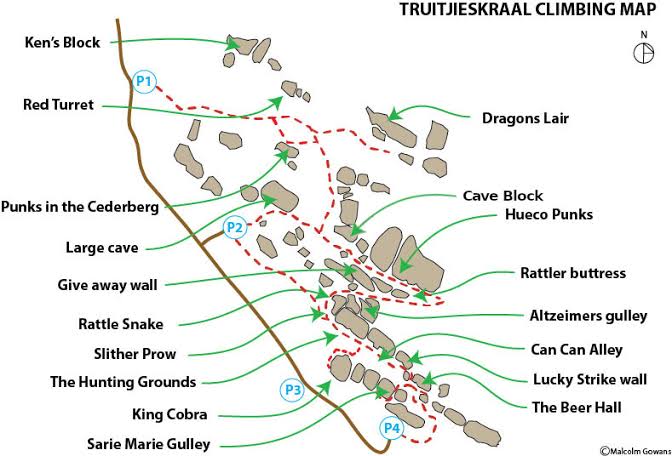
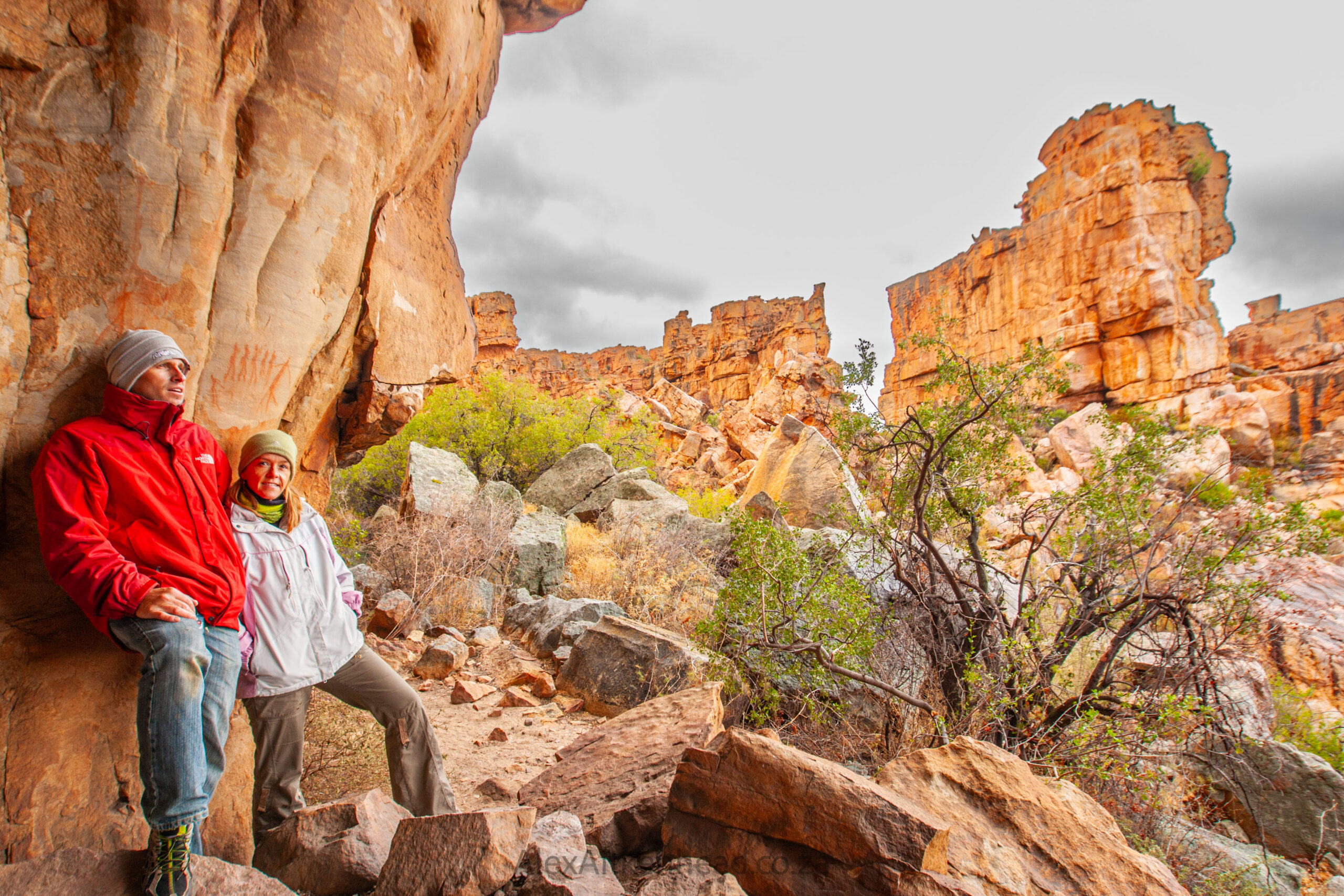
Truitjieskraal
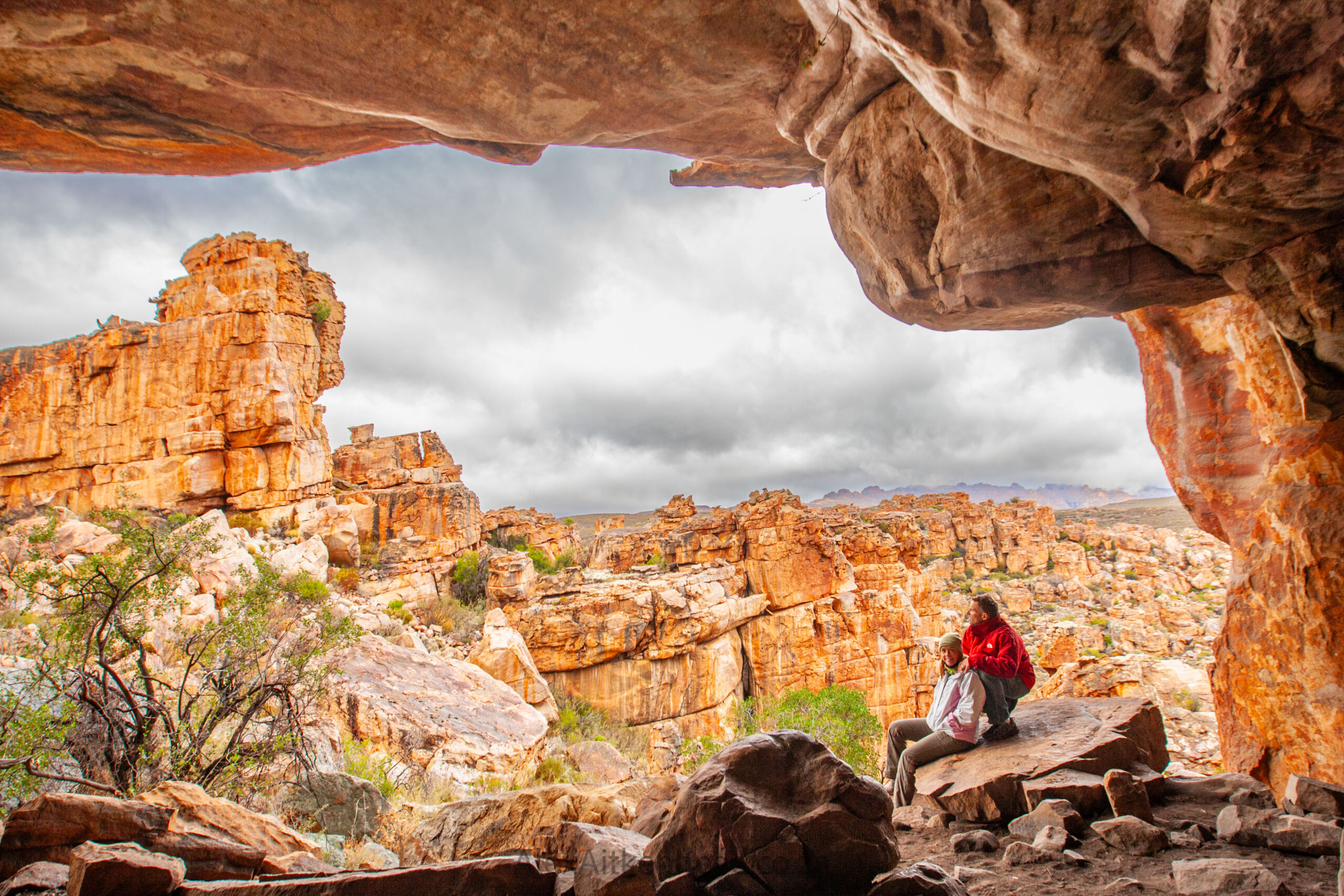
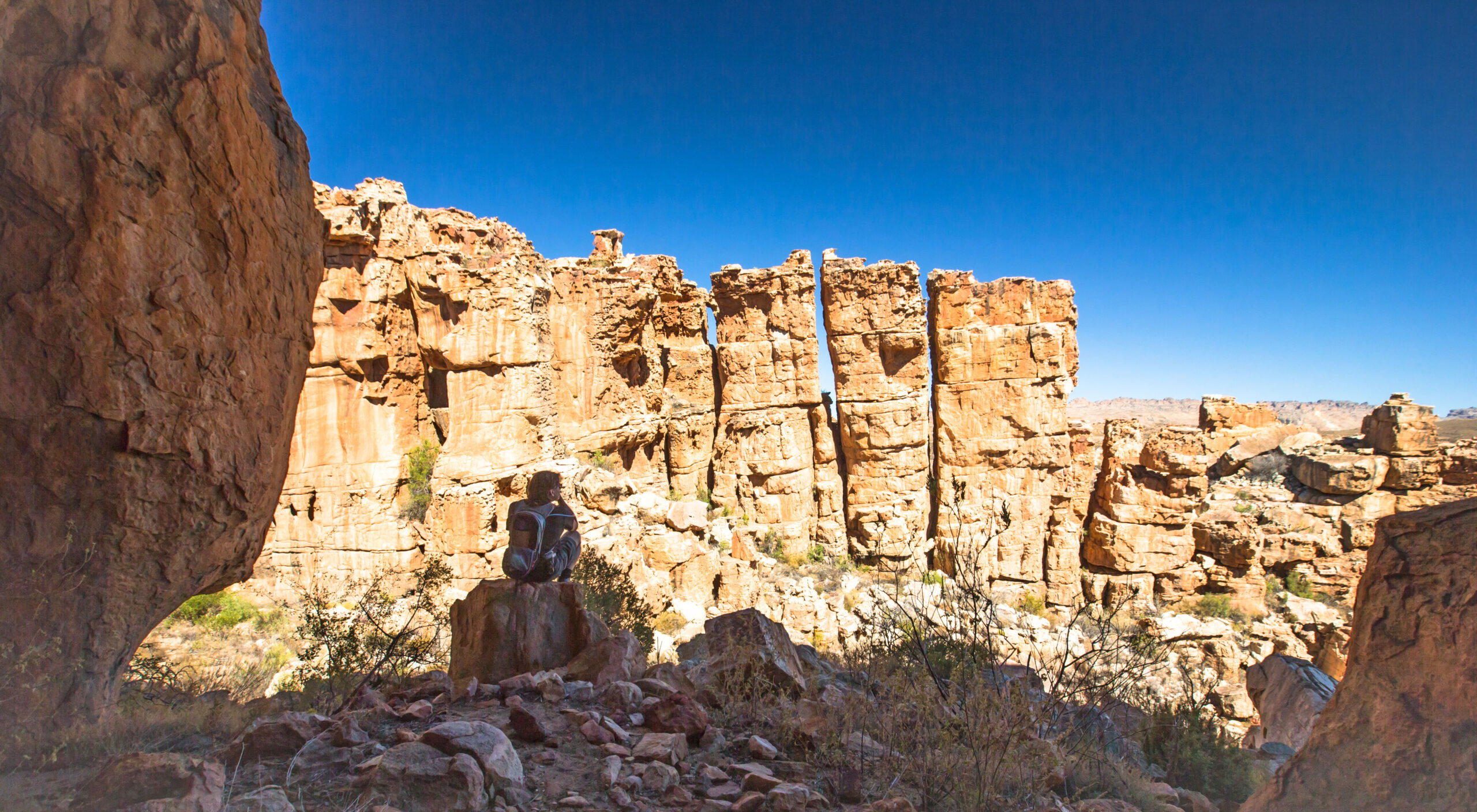
Truitjieskraal is a scenic heritage and outdoor site in the Matjiesrivier Nature Reserve within the Cederberg Mountains of the Western Cape, famous for ancient San and Khoi rock art, dramatic 500-million-year-old sandstone formations, and world-class rock climbing.
Key Features and Activities
- Rock Art: Features ancient rock paintings dating from 250 to 8,000 years old.
- Interpretive Trail: An easy 30- to 45-minute, family-friendly walking trail with informative boards detailing local flora, fauna, and indigenous history.
- Rock Climbing: A popular destination with numerous bolted sport-climbing routes across a range of grades.
Practical Information
- Permits: Required before entry; obtainable via CapeNature or local spots like Kromrivier Farm.
Access: Reached via a gravel district road from the N7 past Algeria and Kromrivier; suitable for standard sedans driven with caution.
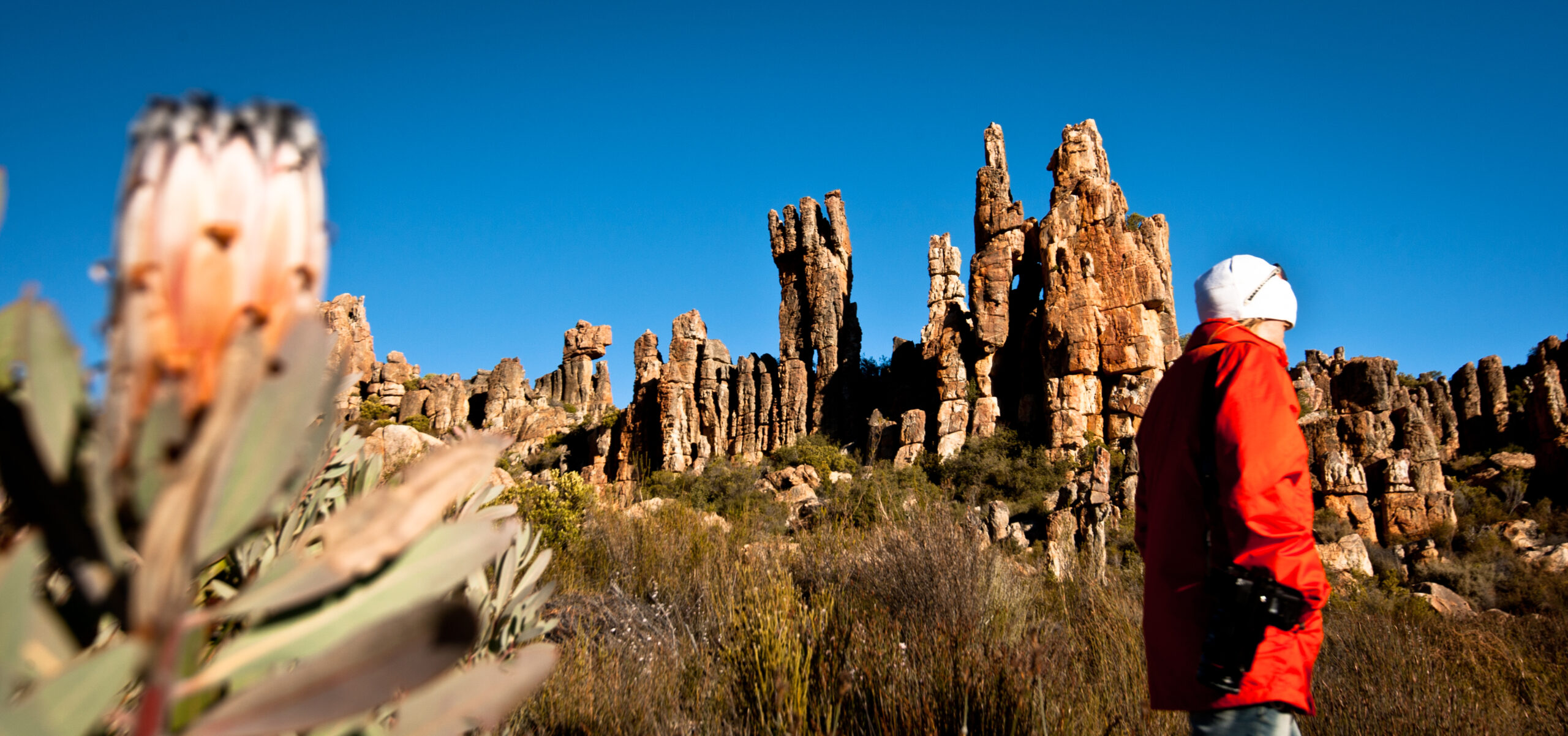
Lots wife
Lot’s Wife in the Cederberg is a striking, slender rock pillar shaped by wind and rain that resembles a person looking back. It is a popular, easy-to-moderate hiking destination bundled with nearby Window Rocks, taking about 1 to 1.5 hours to complete.
Hike and Location Details
- Distance & Duration: About 4 km round trip; takes 1 to 1.5 hours.
- Starting Point: Located roughly 1.6 km from the Cederberg Private Cellars office (near Sanddrift) along the road toward Algeria, where a clear sign and small car park mark the trailhead.
- Permits: Required before you set out and can be obtained via CapeNature or local issuing points like Dwarsrivier Farm.
- Scenery: Offers panoramic views over local vineyards, rugged sandstone formations, and classic Cederberg mountain vistas. [1, 2, 3, 4, 5, 6]
If you plan to go soon, would you like details on obtaining permits, nearby accommodation, or other short day hikes in the area?
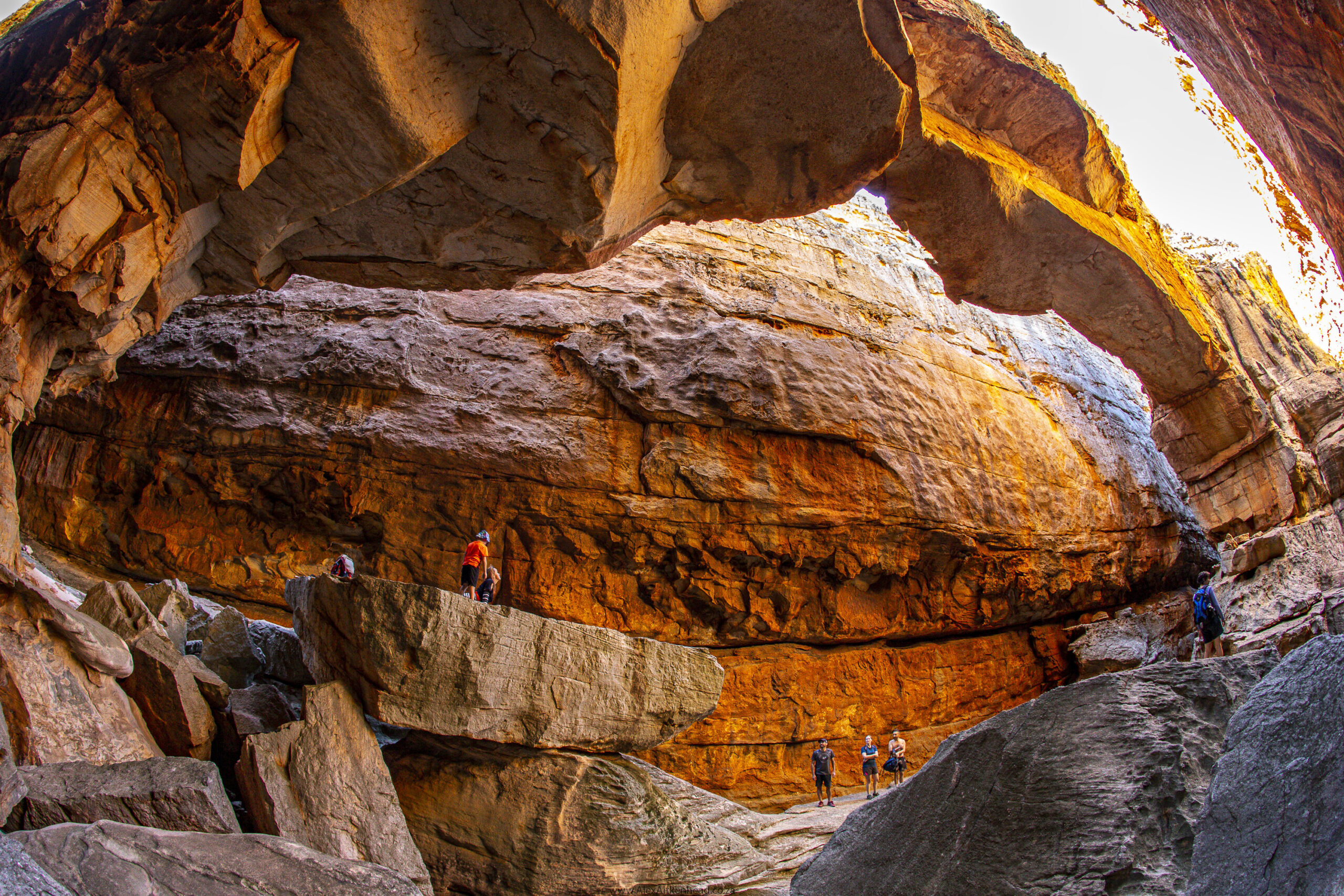
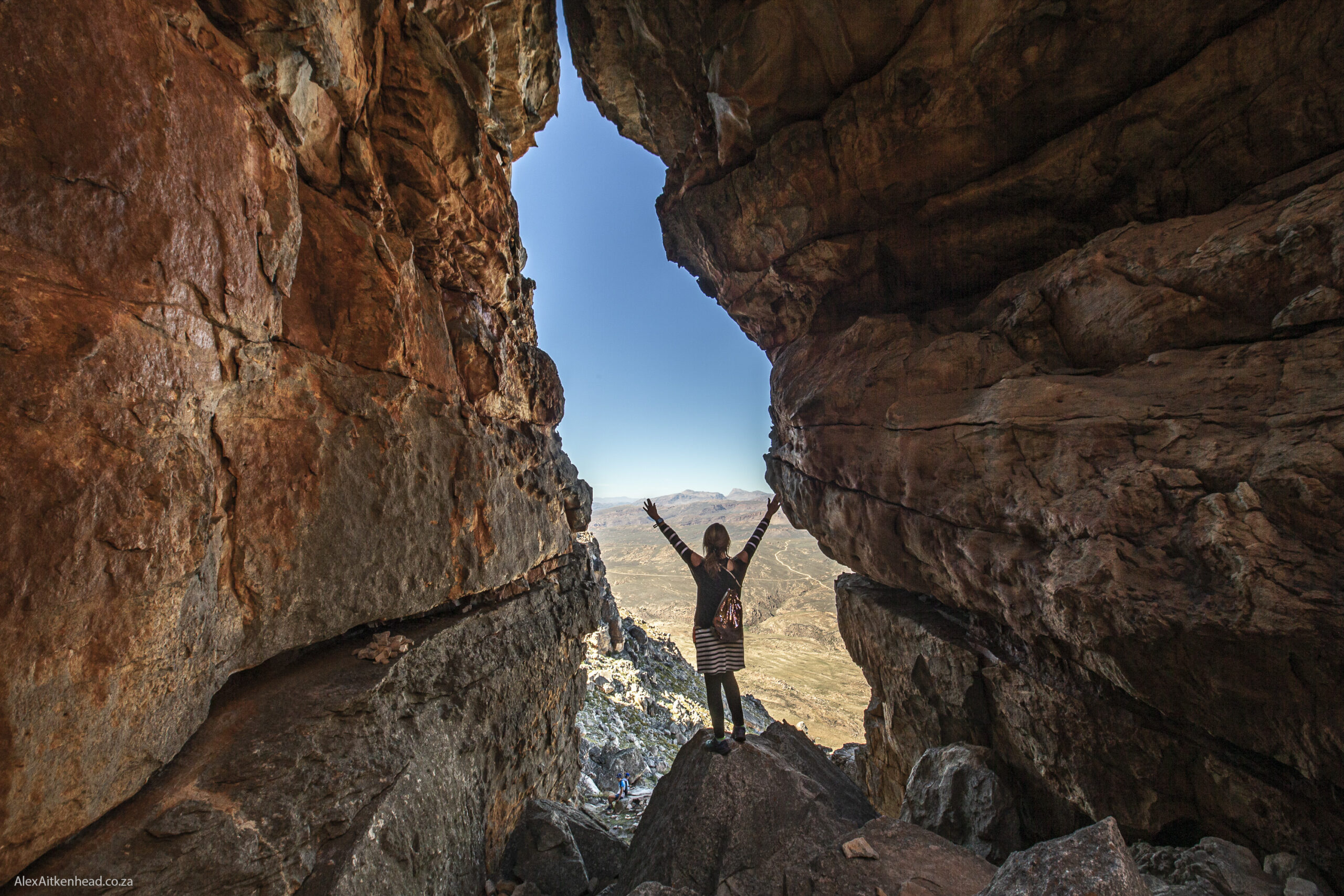
Wolfberg cracks
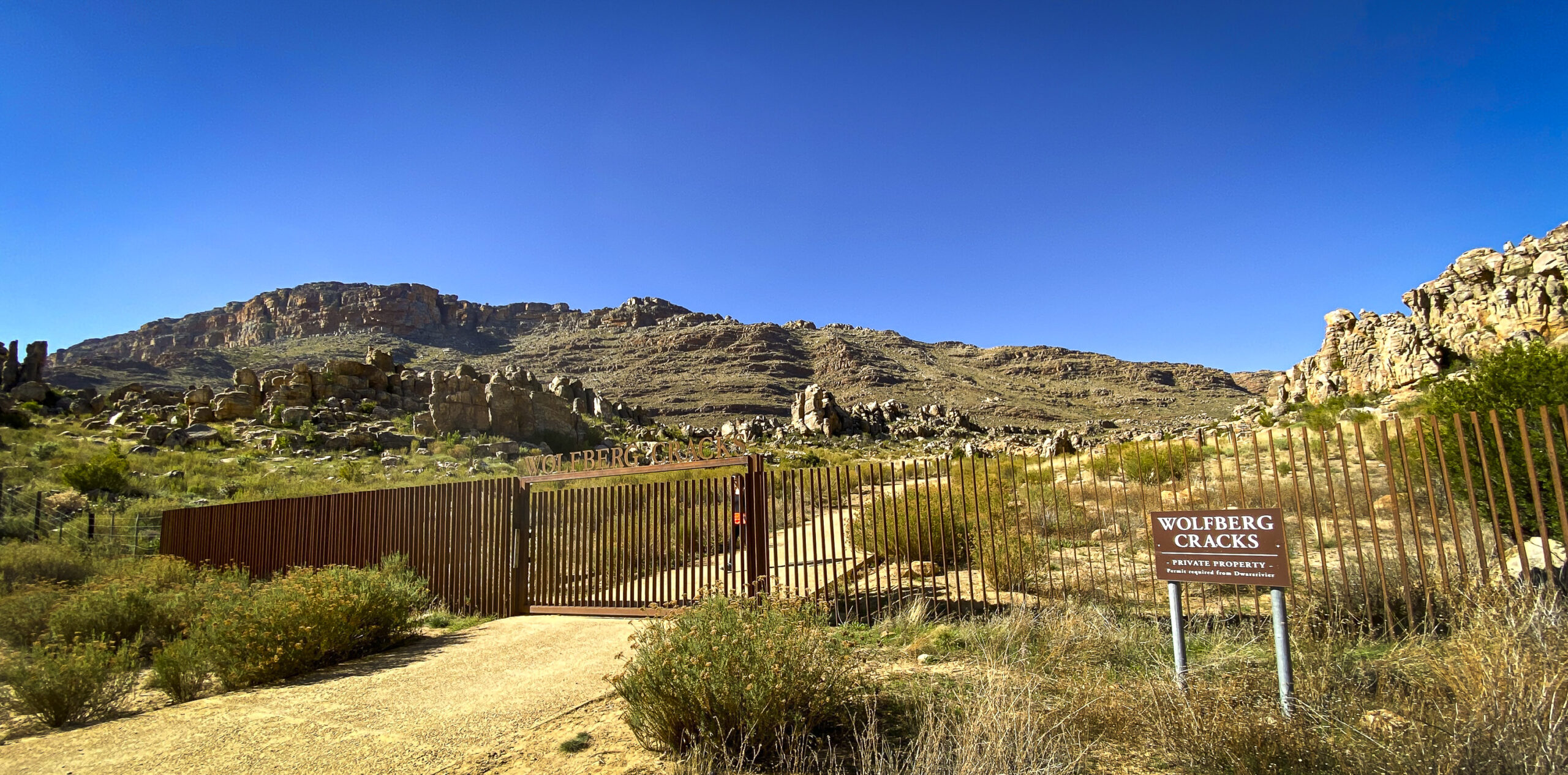
STARTING POINT: WOLFBERG CRACKS
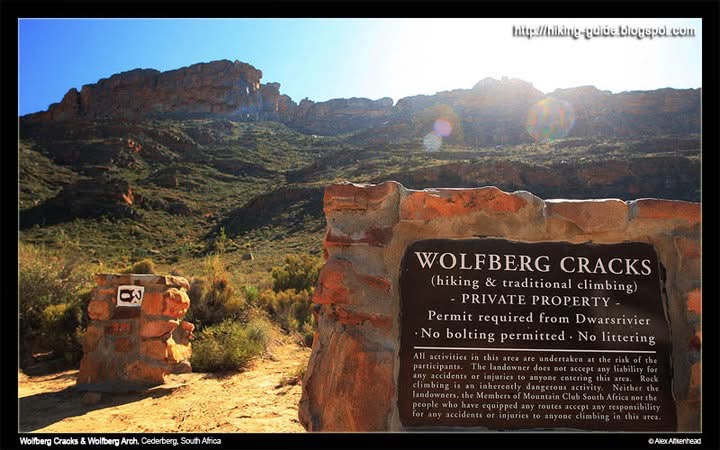
Start the hike at Sanddrif Holiday Resort. You can buy your permits at the office and from there drive to the parking area where the hike starts. From here, the trail climbs steeply up the slopes of the Wolfberg massif.
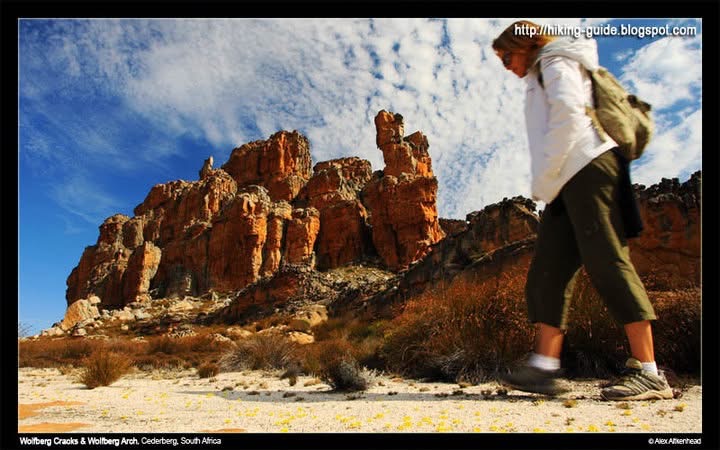
Early on, you’ll encounter the famous Wolfberg Cracks, enormous fissures in the cliffs that serve as passageways to the plateau above.
There are two main routes through the cracks:
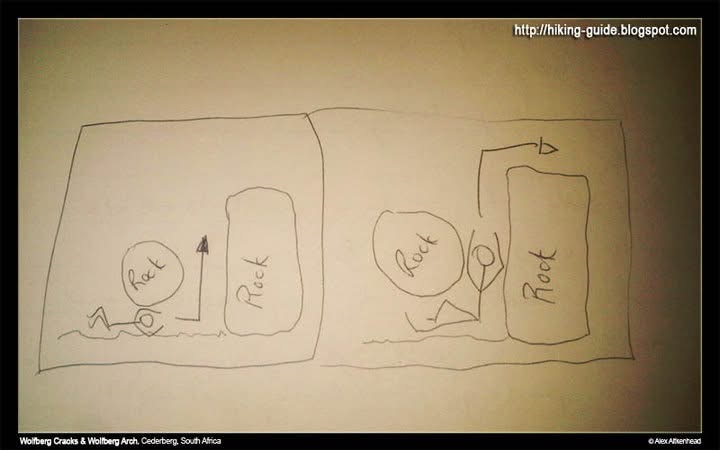
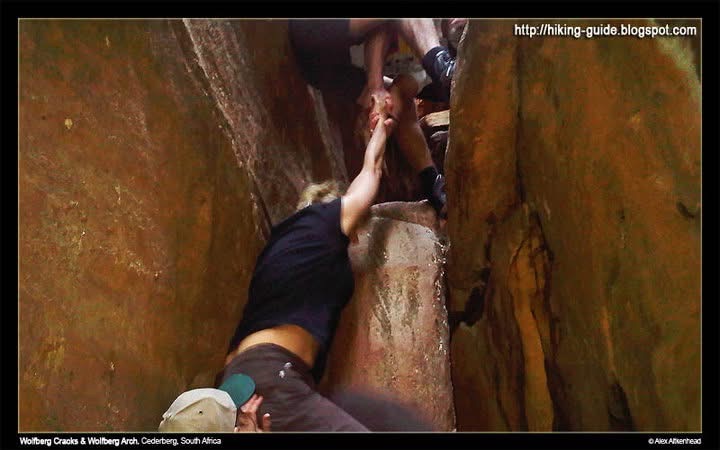
- The Small Crack: Narrow and cave-like, requiring crawling and scrambling through tight spaces. A thrilling option for adventurous hikers.
- The Large Crack (Gaper Crack): Wider, more accessible, and suitable for those who prefer a less technical ascent.
Either way, the Cracks are an adventure in themselves, offering cool shade, towering walls, and an otherworldly atmosphere. Once you’ve navigated the Cracks, you emerge onto the plateau—a dramatic highland of sculpted rock formations and sweeping views.
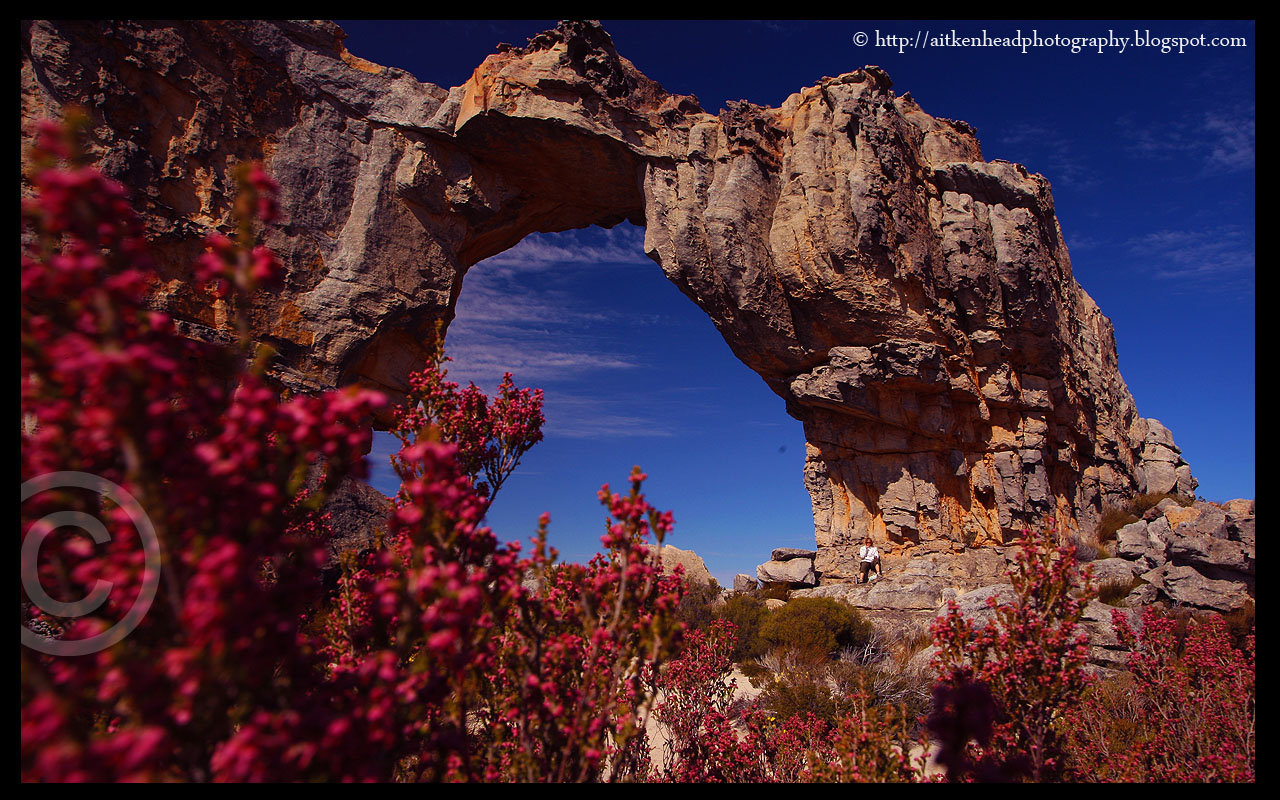
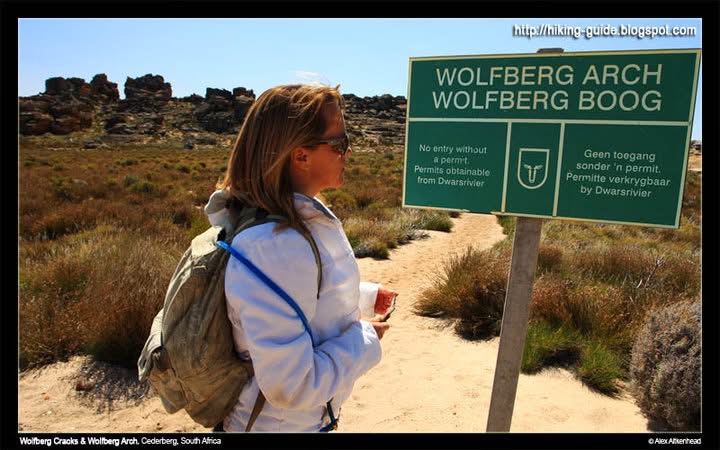
Wolfberg Arch
HIKE THE WOLFBERG ARCH?
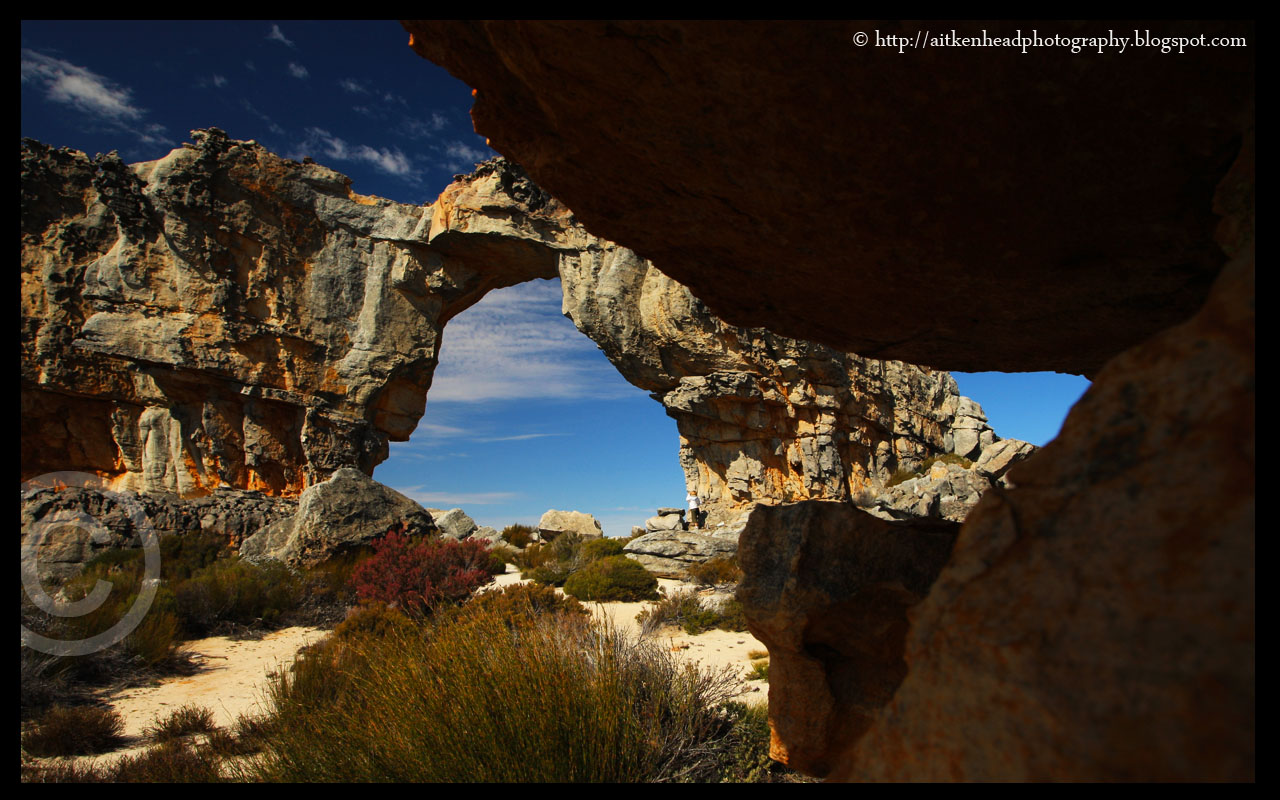
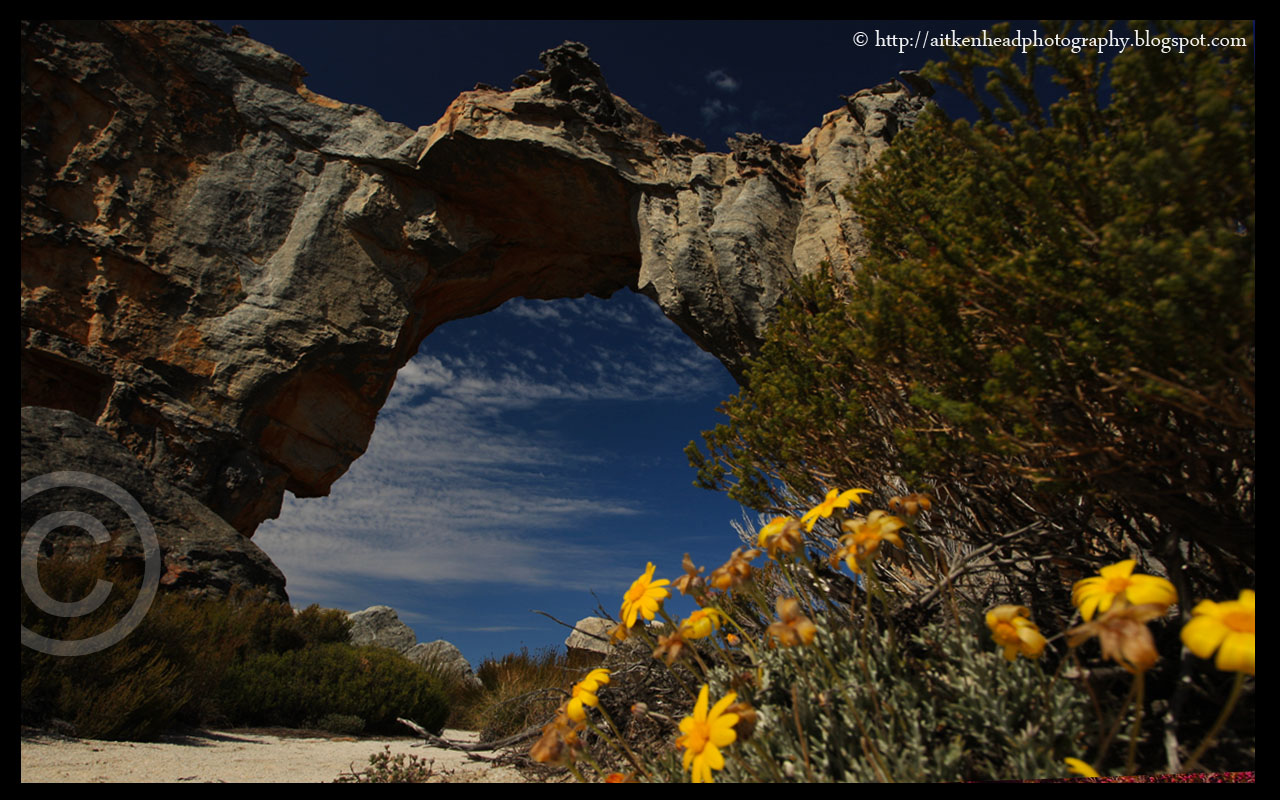
The Wolfberg Arch is a towering sandstone formation sculpted over millions of years by wind and weather.
It stands on a high plateau, framing endless mountain views and glowing in shades of orange and red as the sun moves across the sky. For many hikers, the moment of reaching the arch is both humbling and exhilarating.
Unlike shorter trails in the region, the Wolfberg Arch Hike combines variety and challenge. You’ll navigate steep ascents, explore narrow cracks in the cliffs, and traverse a rugged mountain plateau before arriving at the arch itself.
The trail captures everything the Cederberg is known for—unique geology, wide-open wilderness, and unforgettable vistas.
TRAIL OVERVIEW
- Location: Cederberg Wilderness Area, about 250 km north of Cape Town
- Trail length: Approximately 13–16 km (round trip, depending on the route)
- Time required: 6–8 hours for a day hike
- Difficulty: Moderate to strenuous – requires fitness and some scrambling
- Permit: Required from CapeNature or Sanddrift Holiday Resort
Hike it as a long day hike or as part of a multi-day Cederberg adventure. Some hikers choose to overnight near the arch or on the plateau for the magical experience of sunrise and sunset in this remote wilderness.
CAMPING AT THE ARCH
One of the most rewarding ways to experience the Wolfberg Arch Hike is to extend your adventure into an overnight trip. Camping near the arch allows you to witness both sunset and sunrise from this spectacular location, with the sandstone glowing fiery orange in the evening and soft gold in the morning.
There are informal camping spots close to the arch where hikers can pitch a tent on the rocky plateau. While there are no facilities, the remoteness adds to the magic—you’ll fall asleep under some of the clearest night skies in South Africa, with the Milky Way stretching brightly overhead.
If you choose to camp, remember:
- Bring sufficient water, as there are no natural sources nearby.
- Pack warm clothing—the plateau gets very cold at night, even in summer.
- Follow Leave No Trace principles: take all litter with you, avoid damaging the fragile vegetation, and minimise your impact.
- Note that permits are required for camping and can be purchased from Cape Nature
Stadsaal Caves
Stadsaal Caves & Truitjieskraal, Clanwilliam
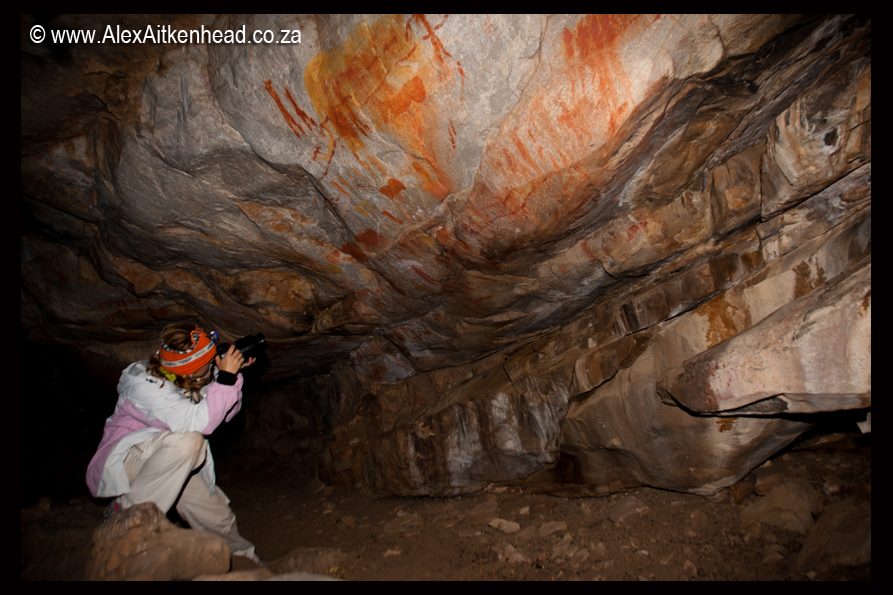
Stadsaal Caves and Bushman paintings as well as Truitjieskraal are found high in the central Cederberg beyond Cederberg Cellars & Sanddrif. They are a ‘must’ for all Cederberg visitors, and keen photographers could spend hours here capturing the play of light and shadows on the open caves and rock formations. Nearby there are some Bushmen rock paintings from an ancient time when elephants roamed freely through the Cederberg.
You will need to buy a permit, obtainable from Algeria Forest Station, Dwarsrivier Farm, Cederberg Oasis or Mount Ceder. If travelling from Clanwilliam or Citrusdal, take the day and stop to visit Algeria Forest Station, the Cederberg Cellars and perhaps enjoy a hike or swim in the river at Algeria…
How to get there – Take the central Cederberg road (approx 30km past Citrusdal) and travel past Algeria Forest Station over Uitkyk Pass and onto Dwarsriver farm/Cederberg Cellars, where you buy a permit. Continue on the road for 8km until you reach the Nature Conservation sign and turn right.
Contact us
Stadsaal Caves & Truitjieskraal
Contact Algeria Office
Telephone: 027 482 2403
Mobile:
Fax:
E-mail: Tbeattie@capenature.co.za
GPS:
Secret Cederberg
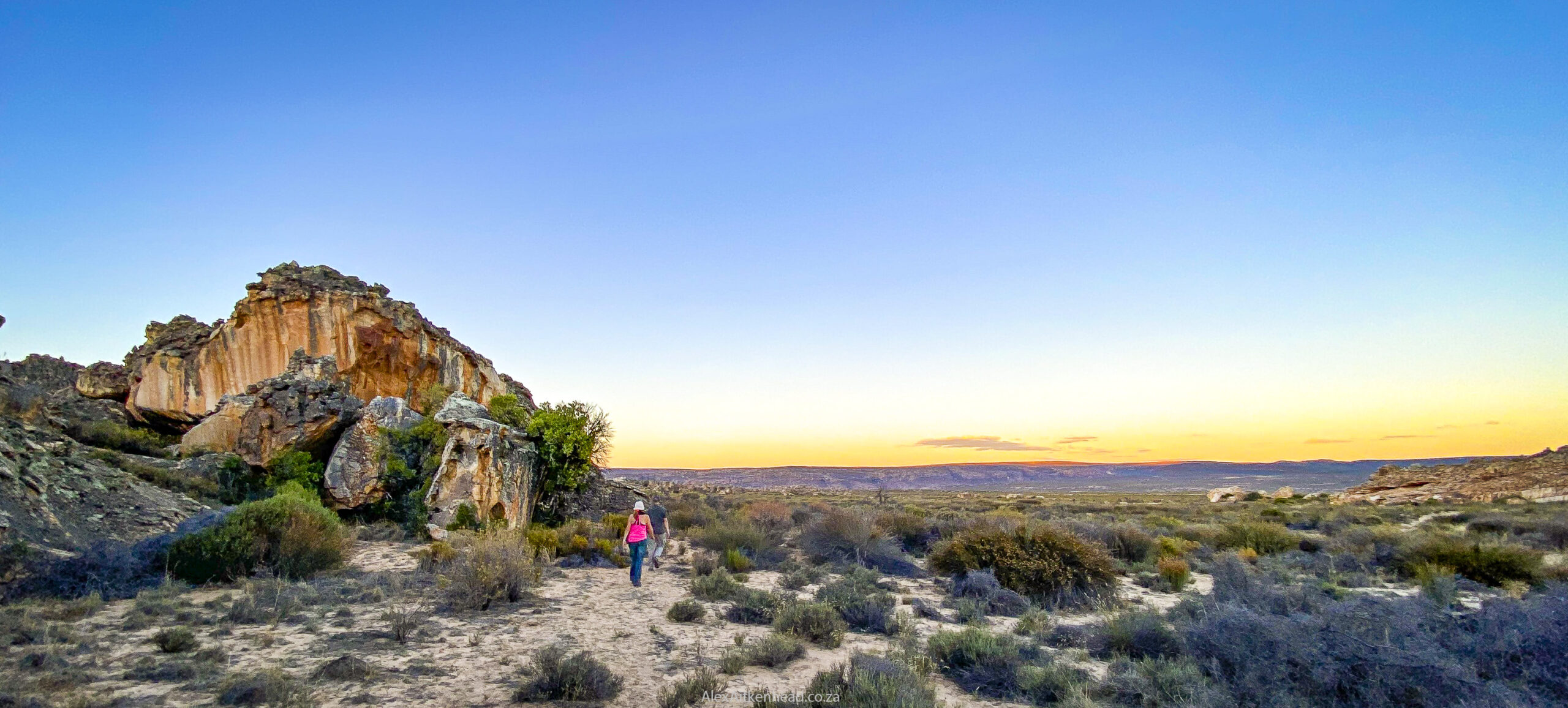
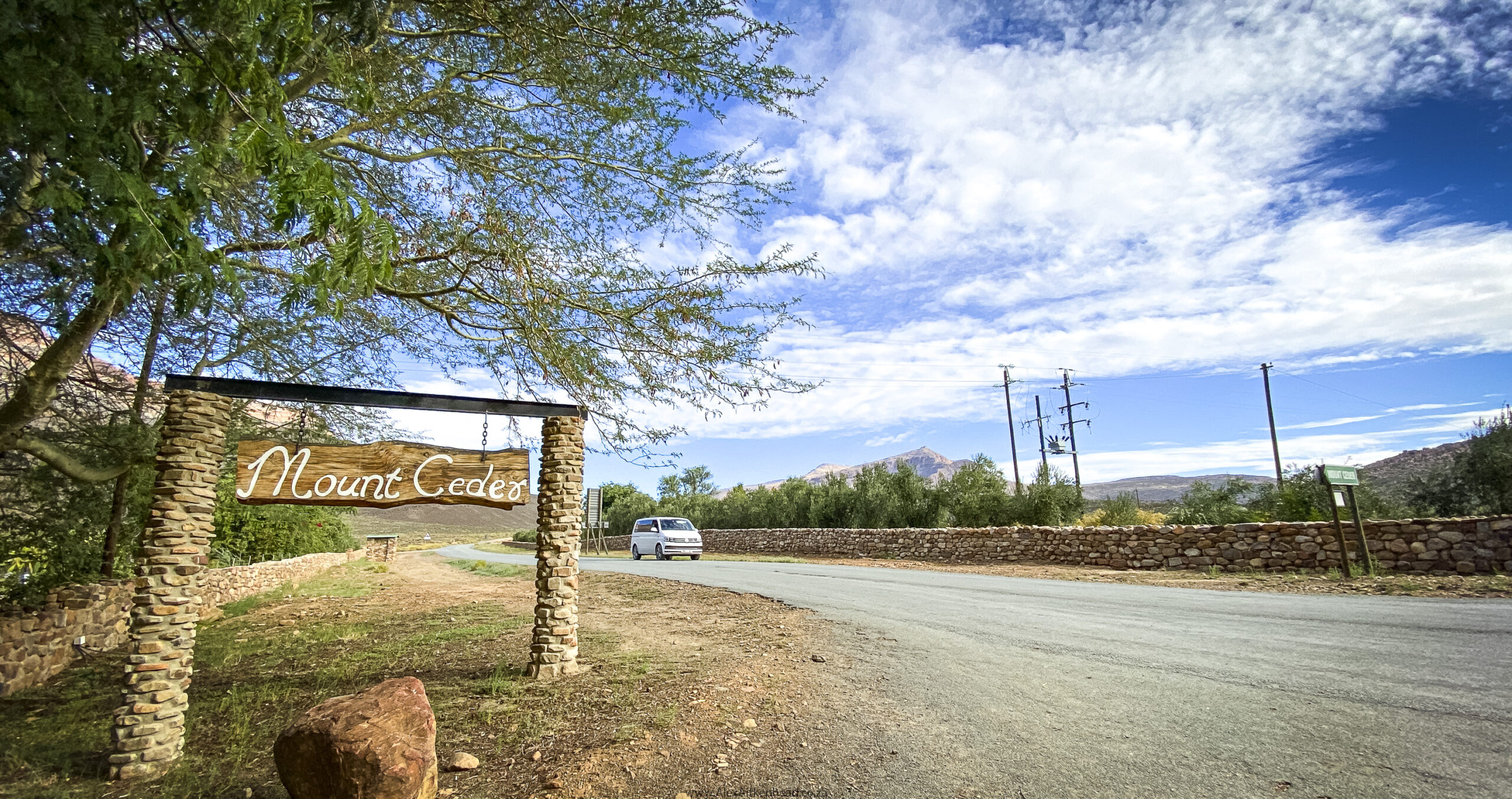
“Secret Cederberg” most commonly points to ultra-private or off-the-beaten-path hideaways in the Cederberg mountains, like Moon River Bush Camp (an exclusive 400-hectare off-grid riverside spot requiring a 4×4) or the hidden valley and working olive farm at Mount Ceder.
Cederberg wines
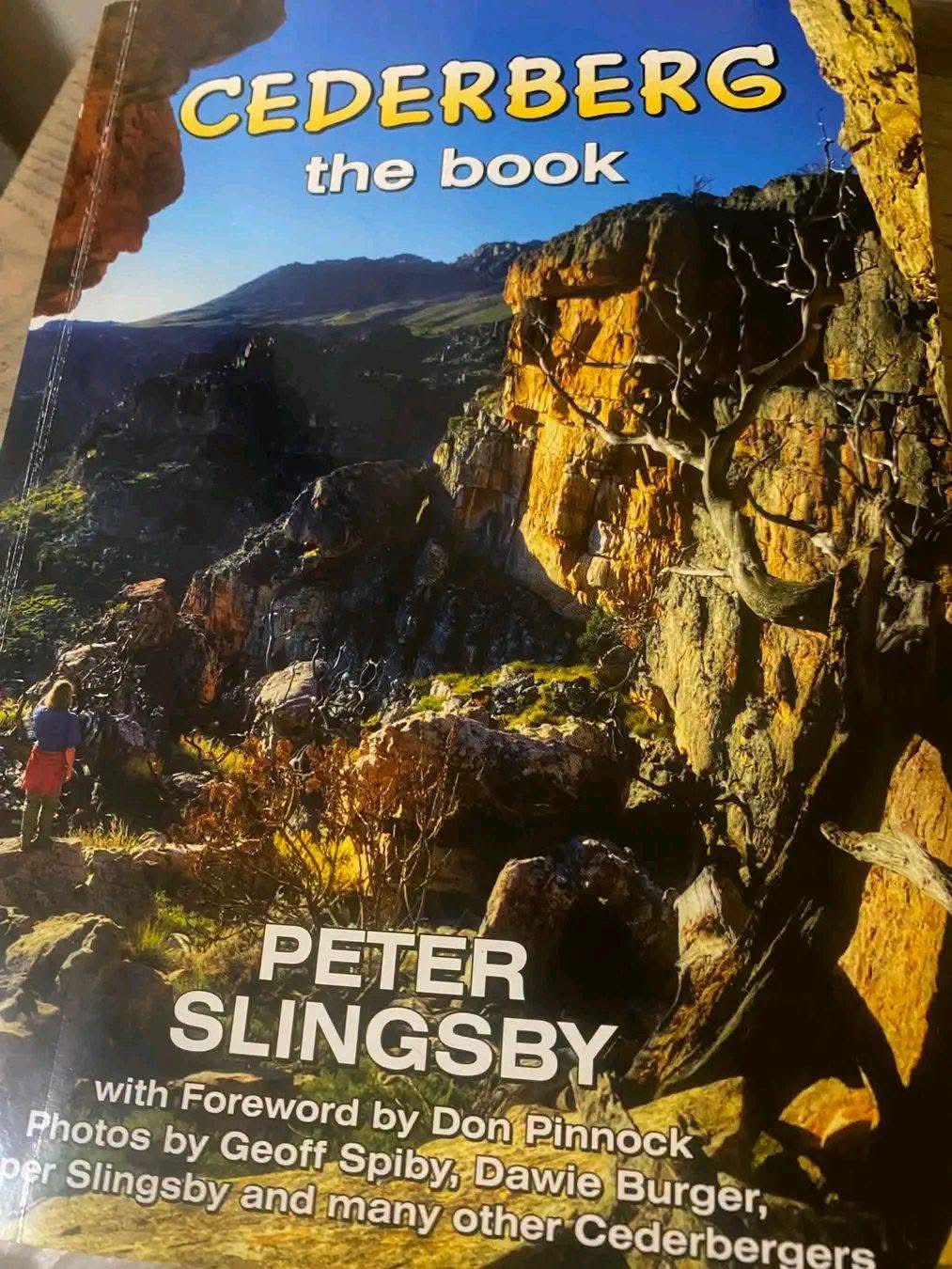
Cederberg wines … from the chapter ‘Some Myths, Some Truths’ in ‘Cederberg – the book’.
Truth—a remarkable success story
Dwarsrivier Farm is the home of Cederberg Wines, with 74 ha of the highest vineyards in the Western Cape. It’s an extraordinary story, with Oom Pollie Nieuwoudt producing prize-winning red wines as early as 1977. Oom Pollie and Oom Flippie Nieuwoudt managed the farm until 1997, when Pollie’s eldest son, Ernst, was the pioneering viticulturist. Ernst’s son – and Pollie’s grandson—David, the fifth—generation Nieuwoudt on Dwarsrivier — took over that year.
The farm now produces a range of fine wines, as well as artisanal or craft beers. It’s an extraordinary story from one of the best-managed farms in the Cederberg, which is of course also famous for its holiday accommodation at Sanddrif. You can also buy all the wines and beers online from the farm.
You can find ‘Cederberg – the book’ at bookshops, sports stores or accommodation places in the Cederberg. If you have any difficulty, go to www.tracks4africa.co.za
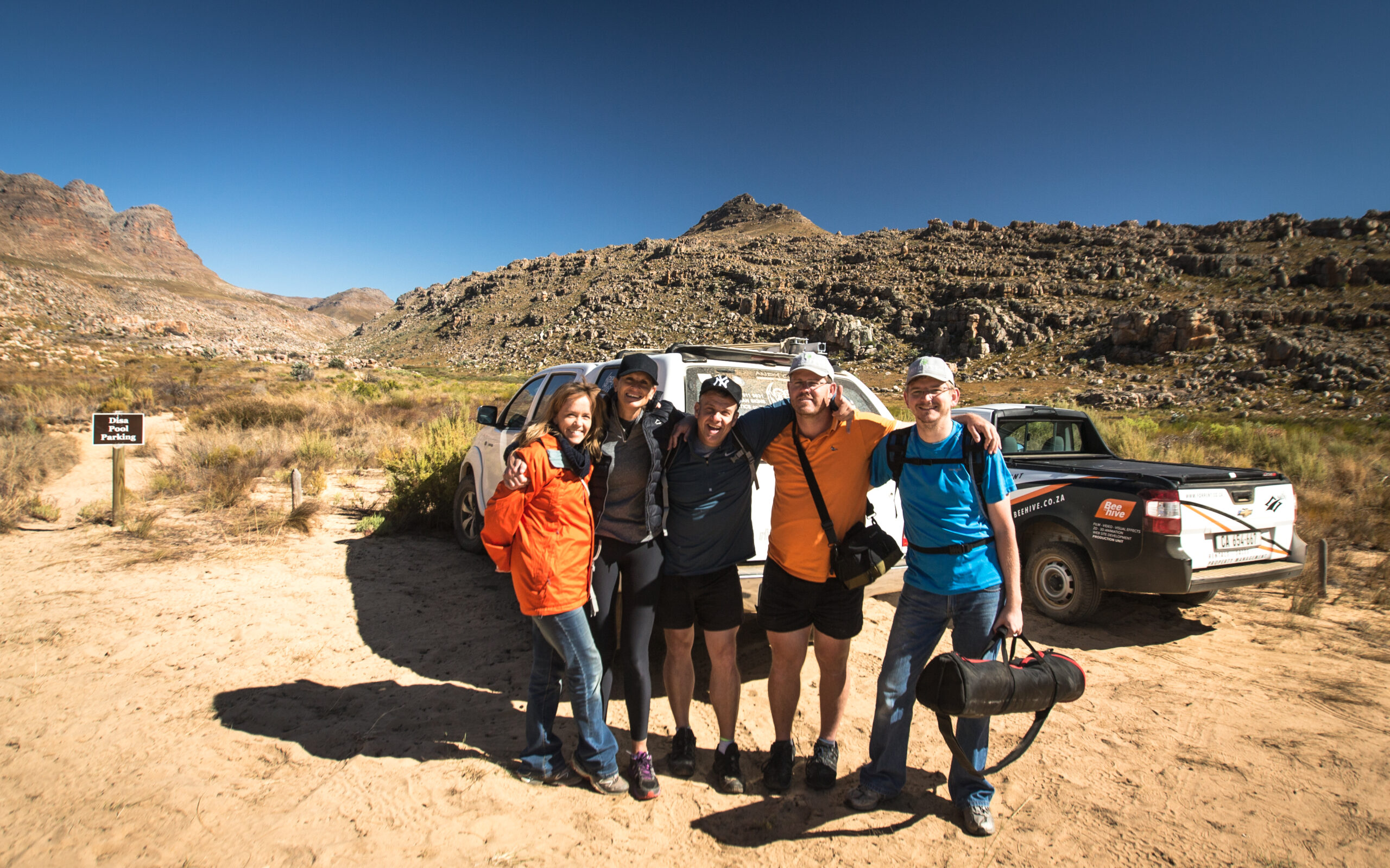
Disa Pools near Kromrivier
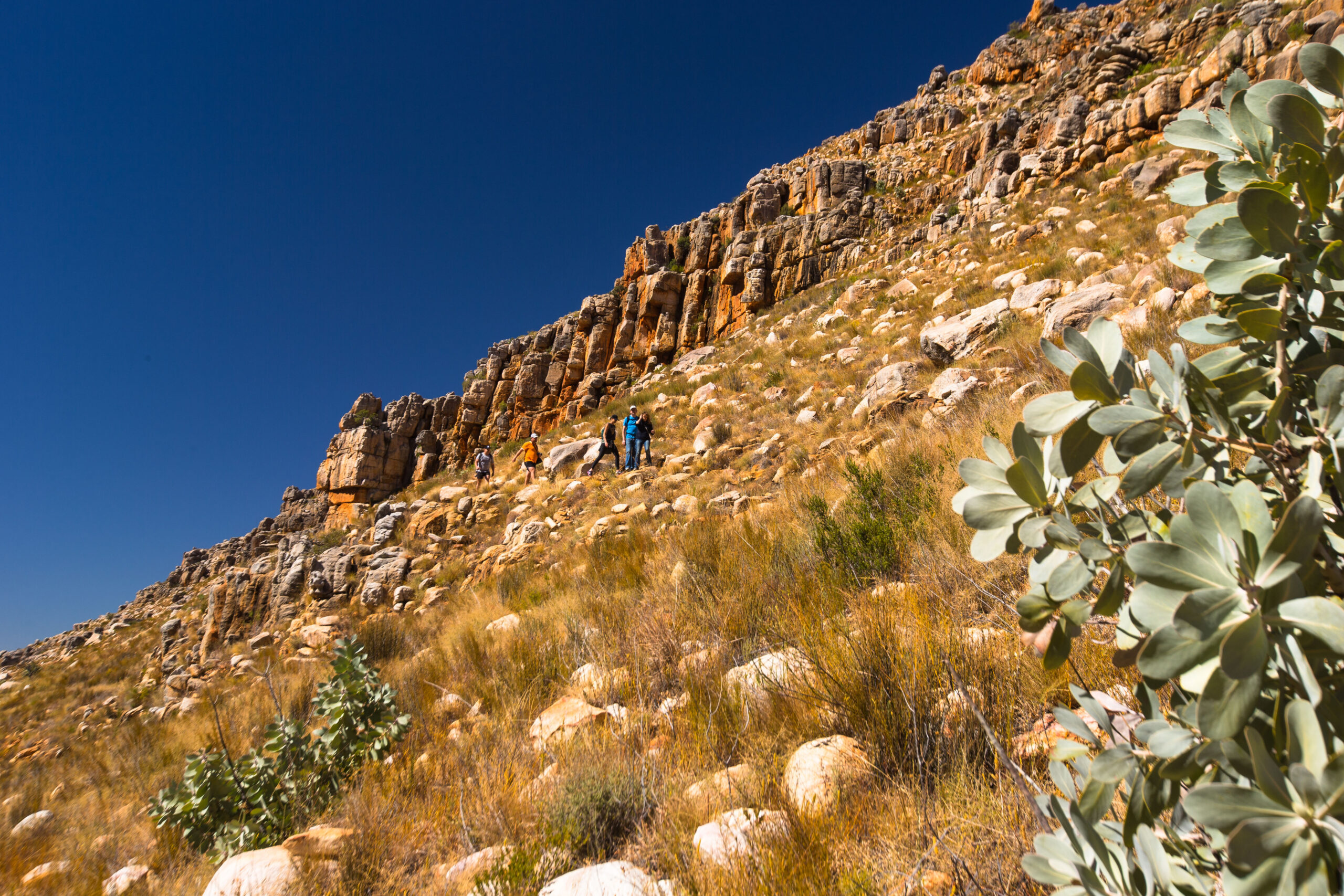
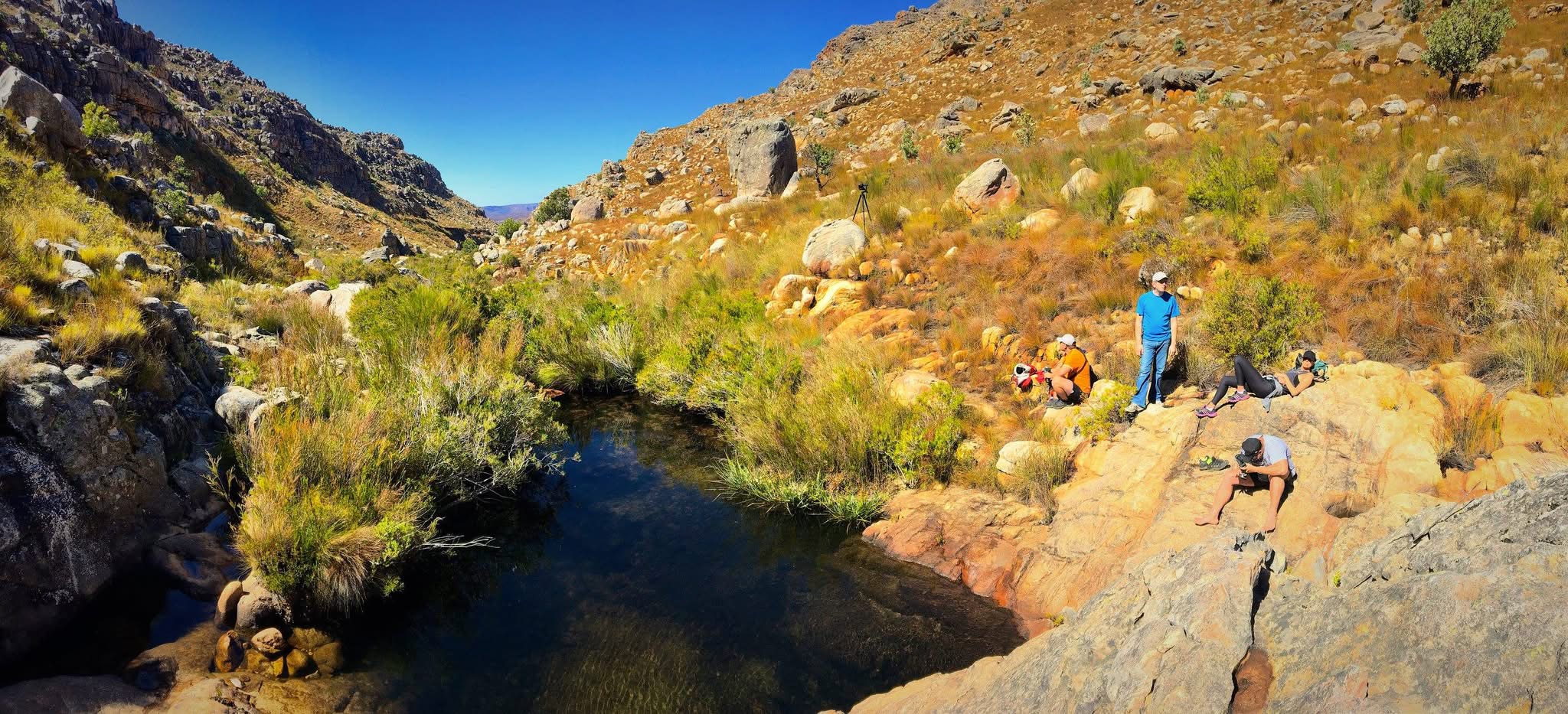
The Disa Pool hike in the Cederberg is a scenic 3 to 4-hour round-trip trail starting from Kromrivier Cederberg Park. It leads hikers along a mountain stream to a waterfall and a clear rock pool, famous for red disa flowers blooming in summer. [1, 2]
Trail Quick Facts
- Distance: About 8 to 10 km round trip
- Time: 3 to 4 hours
- Difficulty: Easy to moderate (Level 1 walk with mild height exposure)
- Best Time to Visit: Summer (December to February) to see the red daisies; great for swimming.
- Cost: Free for overnight house guests at Kromrivier; day visitors pay a small fee (around R50 for adults).
Route and Highlights
- Start: Begin at the Kromrivier Farm campsite and follow the jeep track past the dam.
- The Path: Move onto the footpath upstream along the river valley.
- The Pool: Arrive at the shaded pool and waterfall, ideal for a picnic and swim before heading back the way you came.
If you’d like, I can provide:
- Driving directions from Cape Town to Kromrivier
- Details on other nearby day hikes like the Maltese Cross
- Information on permits and booking
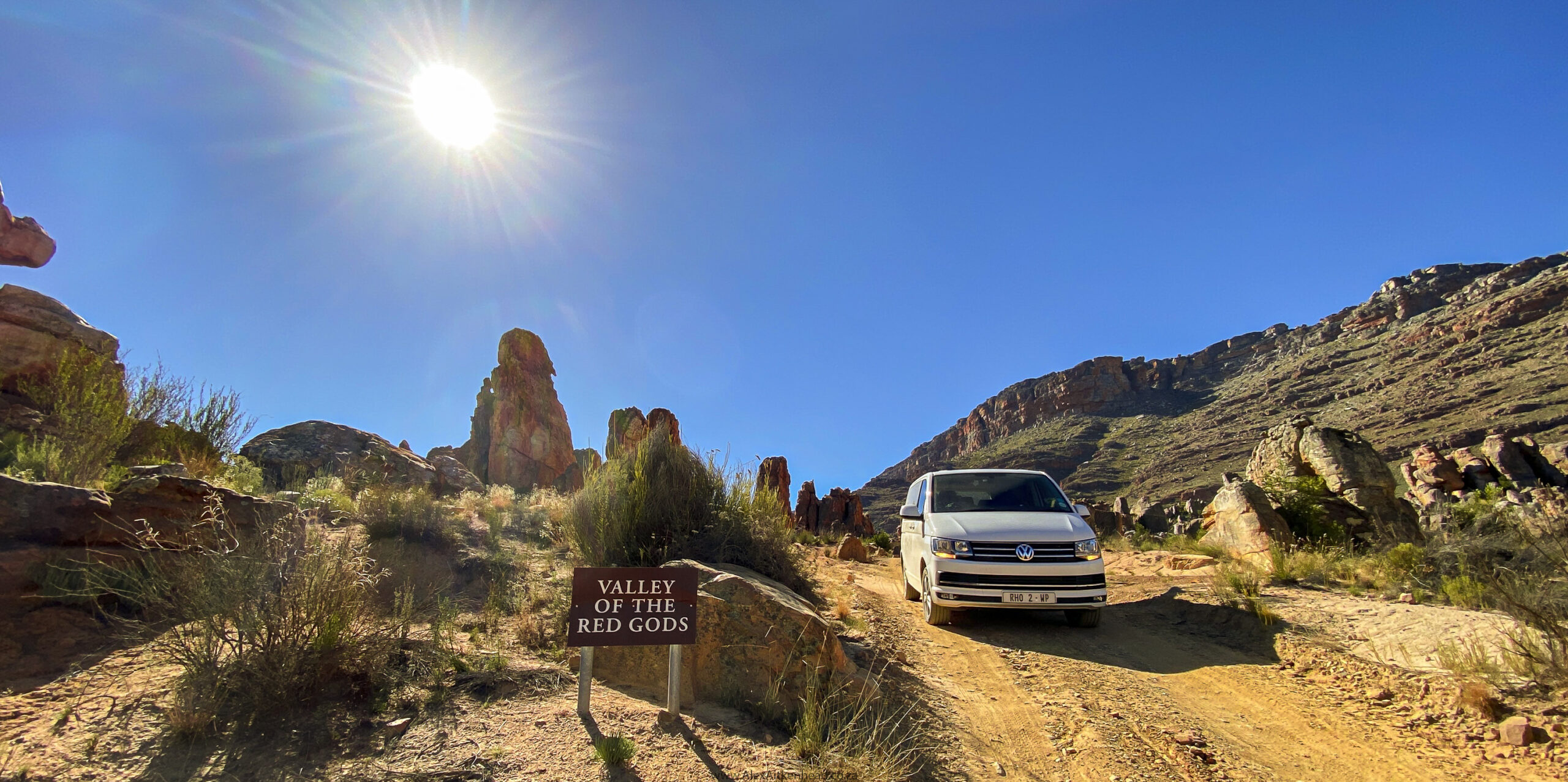
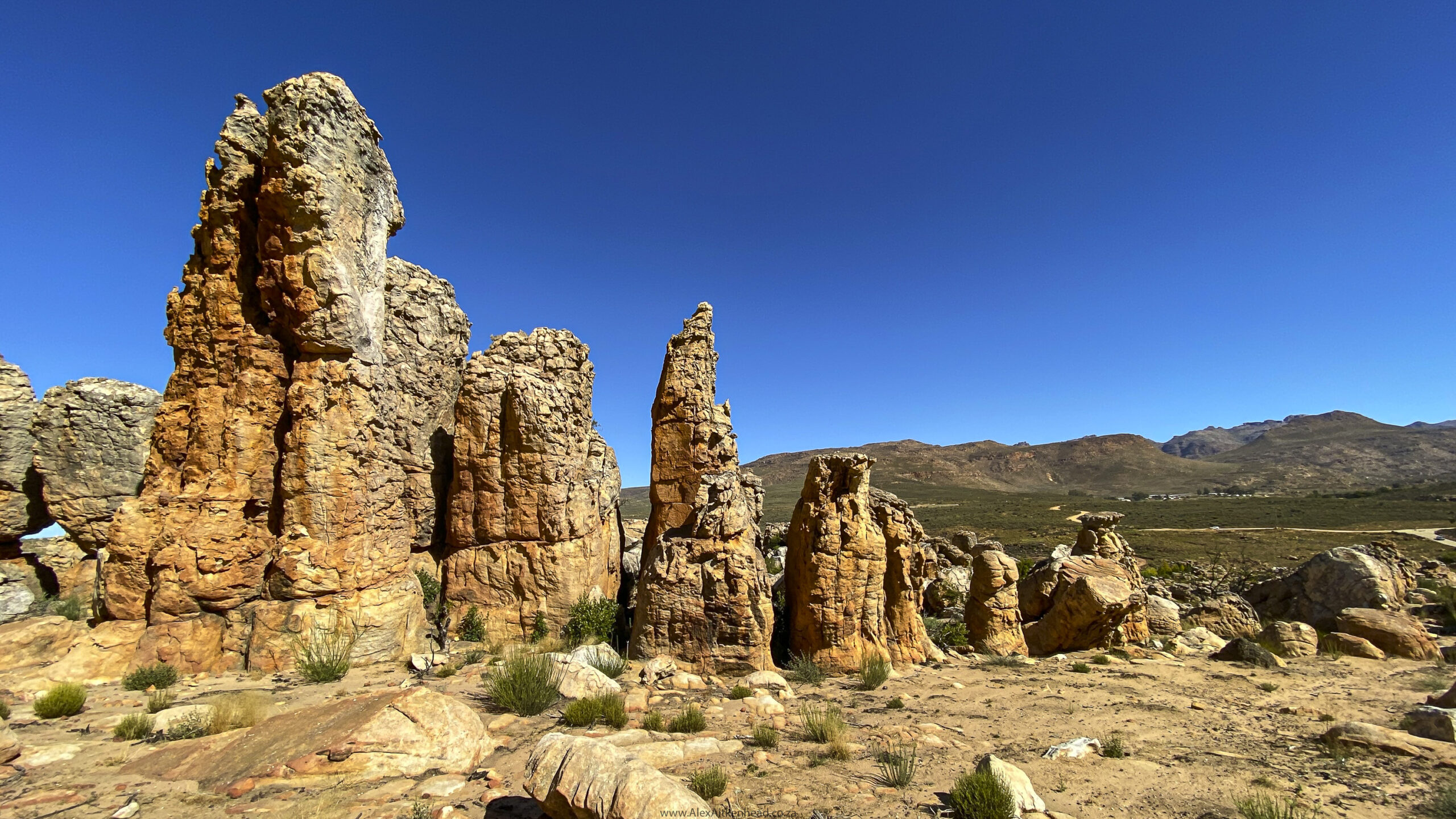
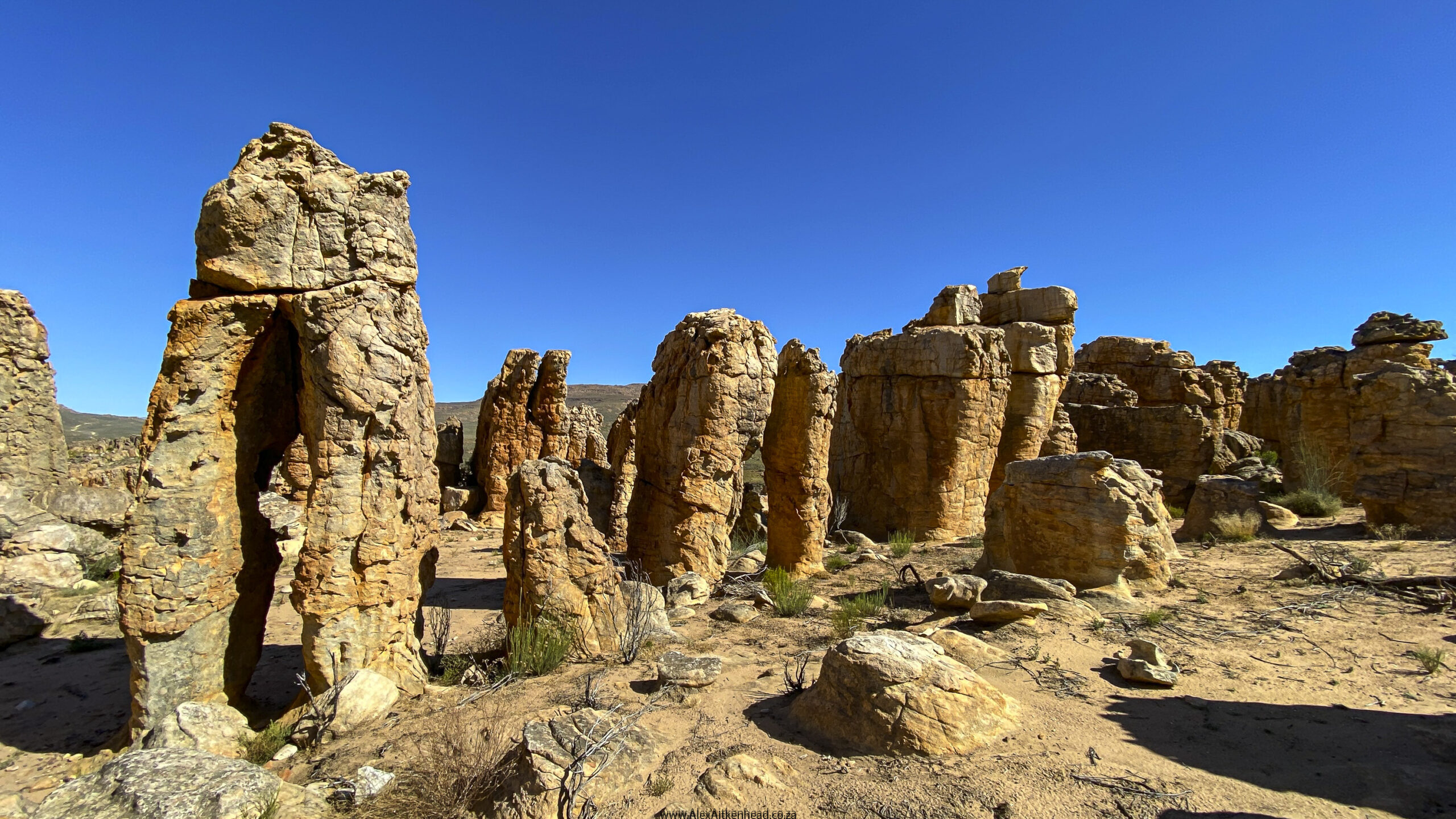
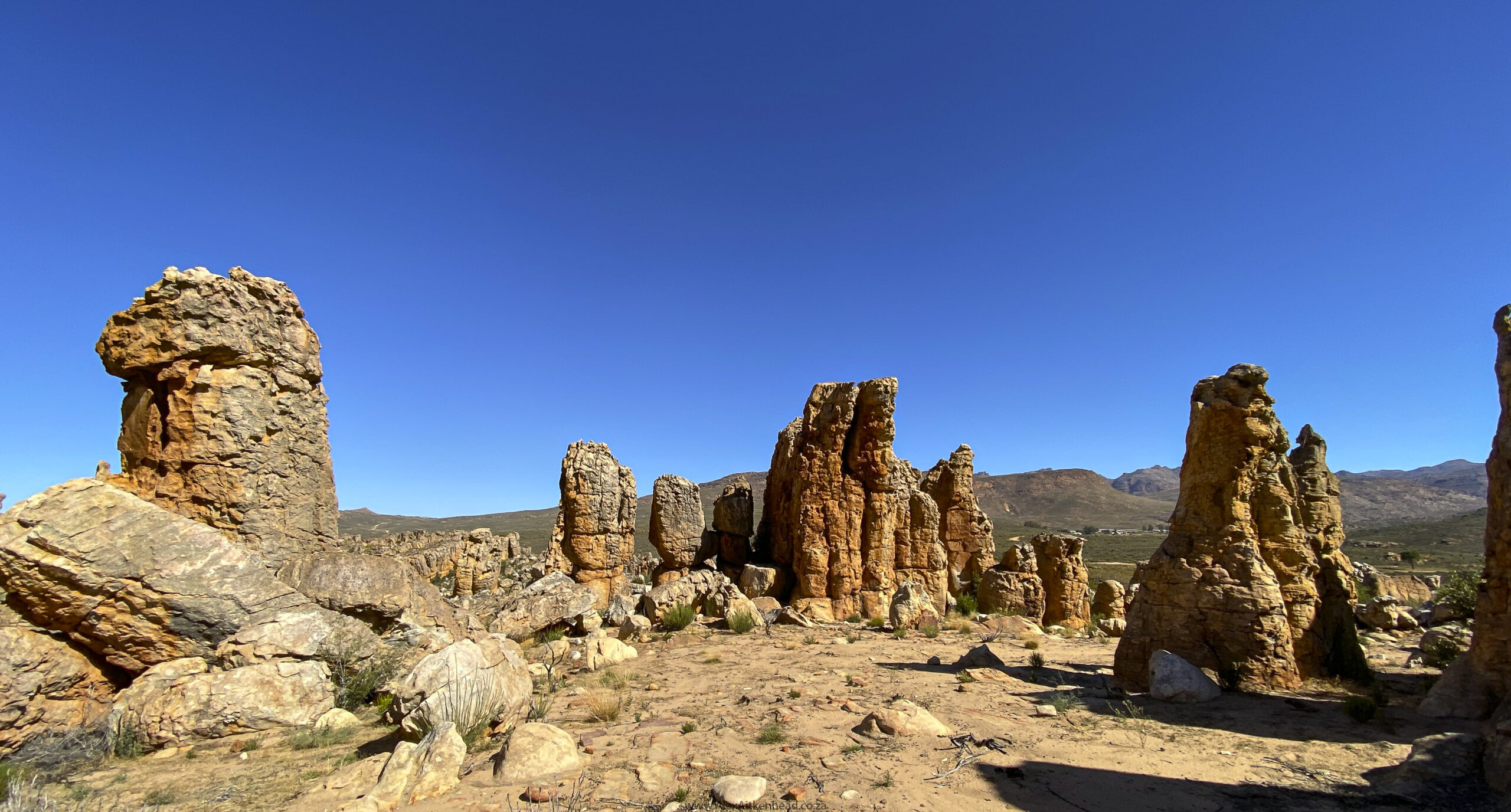
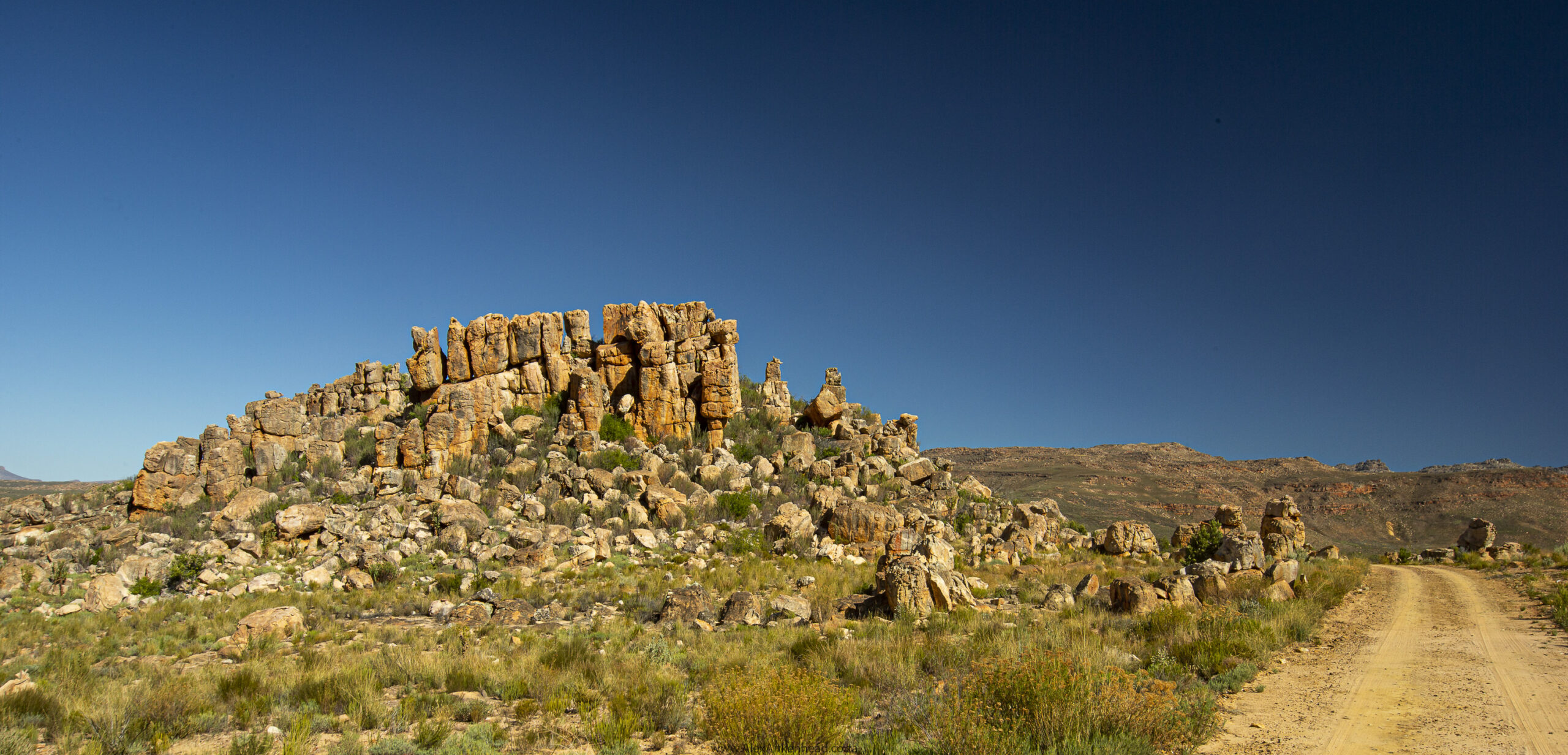
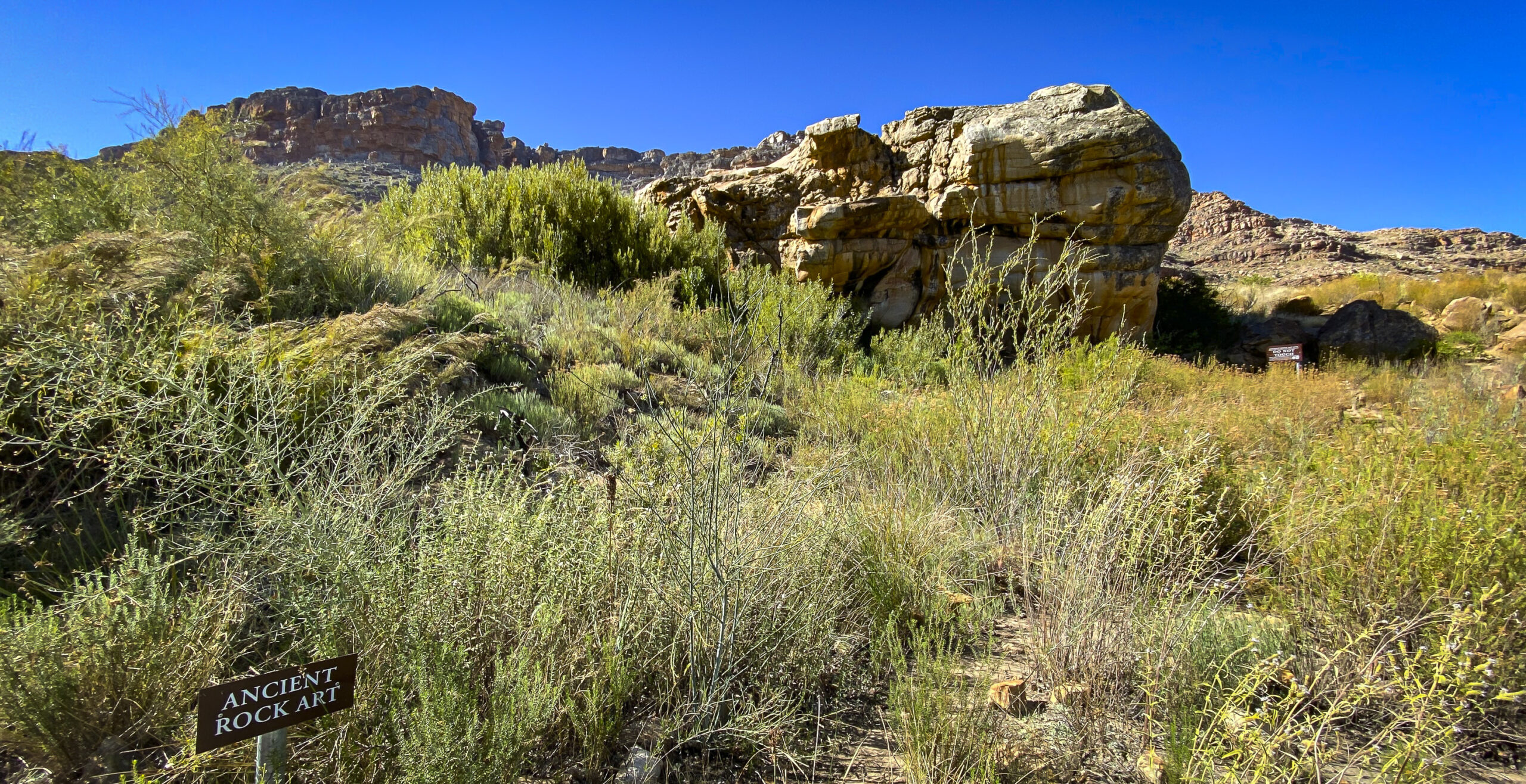
Valley of the Red Gods
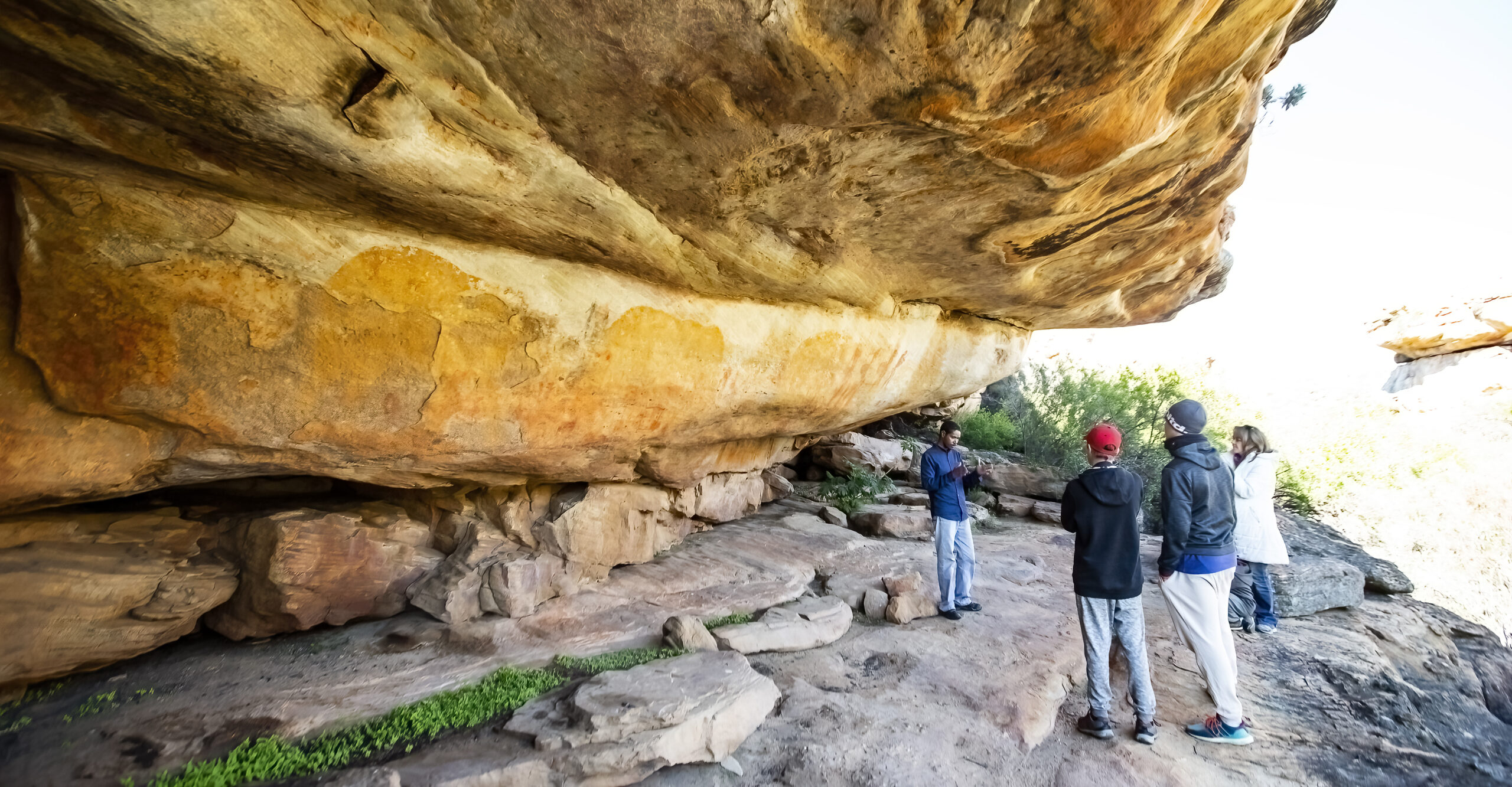
San Rock Art that tells the stories of a nomadic tribe that roamed these hostile lands, the Khoisan, that roamed this towering mountainous wilderness:
Rock Art
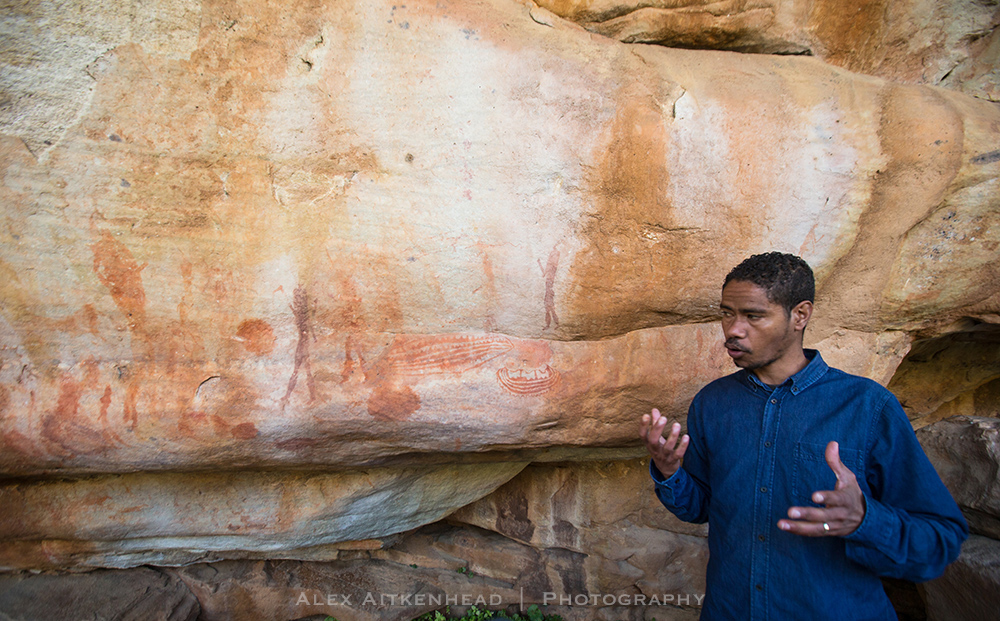
The Cederberg is one of the best areas for ancient San (Bushmen) rock art in the world, with over 2,500 discovered sites, a number of which are easily accessible.
The Cederberg Mountains are filled with silent stories of Bushman rock art. Some are clear depictions of everyday events; others are enigmatic. Thousands of years old, this Bushman rock art speaks of the inhabitants of these rugged mountains, who lived lightly within a world they understood, and danced and painted energetically. Their legacy litters the Cedarberg, along well-known trails that need no guide to find the way. You may be fortunate to discover one of the thousands of paintings not yet seen by modern eyes. There are several trails and rock art sites to visit, with no crowds or queues, where the only fence between you and the living art is appreciative respect.
The Cederberg is also known for its picturesque mission villages of Wupperthal, Heuningvlei and Elandskloof, Anglo-Boer history and some delightful little country museums.
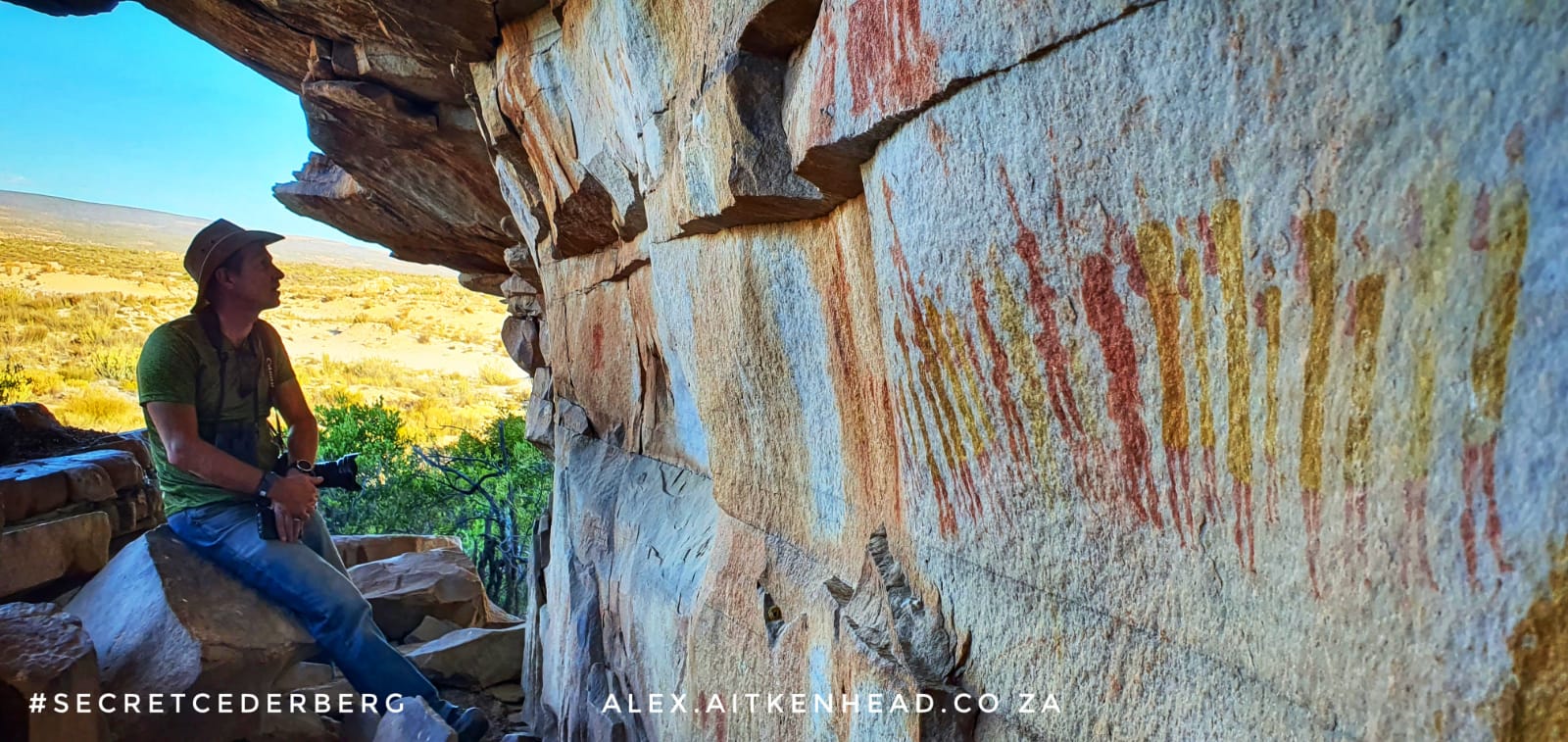
TIPS FOR VISITING THE ROCK ART SITES
Several short booklets describing some of the best sites are available at Clanwilliam and Citrusdal Tourism Bureaus. These will greatly enhance your enjoyment. It is strictly forbidden to touch the rock art or disturb the sights in any way, such as putting water on the paintings. The ground may be uneven around the various sites, so we recommend comfortable walking shoes, a hat and lots of water!
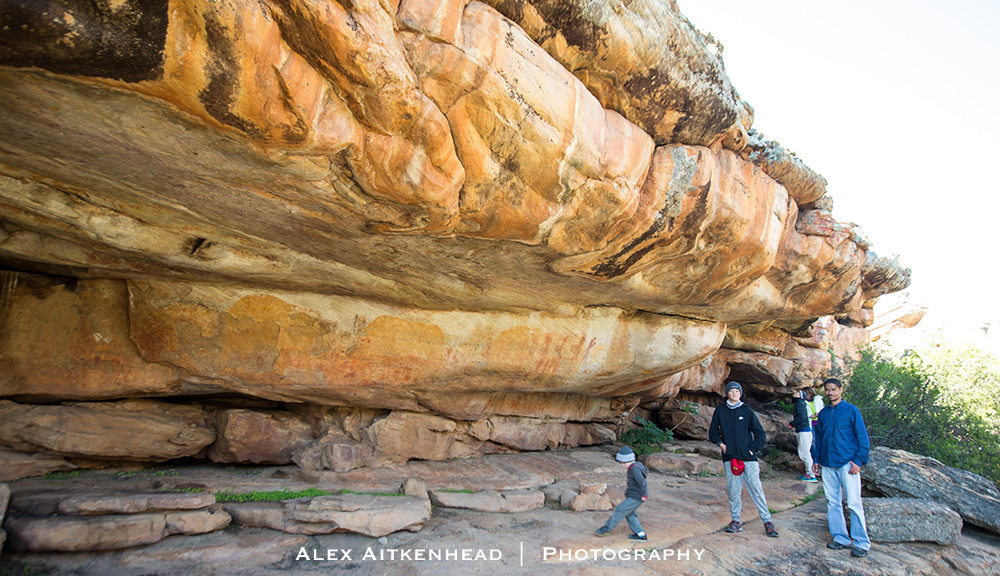
Salmans laagte
Saalmanslaagte is a remote, elevated area located within the Agter-Pakhuis region of the Cederberg Mountains, near Clanwilliam and adjacent to the well-known Traveller’s Rest Farm. This area is part of the northern Cederberg, characterised by its dramatic sandstone formations, rich Khoisan rock art, and rugged, untouched natural environment.
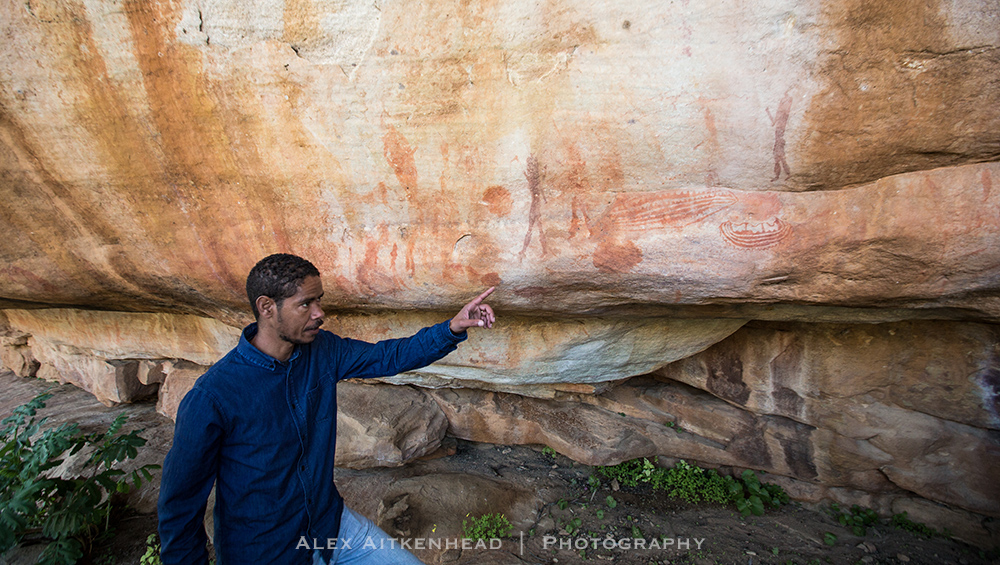
Cederberg the Book by Peter Slingsby and one account from Salmanslaagte near Travellers Rest, Northern Cederberg
Salmanslaagte is one of the most beautiful, atmospheric rock art sites in the Cederberg. It’s named for the shepherd, Salman, who had his ‘riethuis’ nearby, and where there is still a kraal amongst the ancient olive trees. Off the track are the brick-built remains of trenches from the Anglo-Boer War, in sight of the Englishman’s Grave, and where Koos Strauss picked up old English cartridges and buttons many years ago.
You need special permission and a guide to visit the site; here’s a (condensed) description of a visit several years ago, from ‘Cederberg – the book’:—
My late friend William Bond was invited to lead a group of top international scientists in an investigation into the effects of climate change on the succulent Karoo, under the auspices of Al Gore (former Vice President of the USA). William himself was an A-rated scientist, emeritus professor in Biological Sciences at the University of Cape Town, and a Fellow of the Royal Society, etc. etc.—an academic of considerable note.
As befits the guests of Al Gore, they were booked to stay at the luxurious Bushmans Kloof, which has plenty of its own rock art and trained guides to boot. Nevertheless, William asked me to guide the party over the Sevilla Trail and the paintings at Salmanslaagte. I stayed at Traveller’s Rest—no ticket for me at Bushmans Kloof!
In the morning the party arrived at my cottage in a game viewing vehicle, a landrover with its own stand of seats mounted on the rear, and driven by a somewhat disgruntled young guide.
‘I don’t know why we’re here,’ she pointedly remarked to me. ‘We have plenty of our own rock art.’
The answer came at Salmanslaagte. William had rightly remembered it for its extraordinary atmosphere. We showed Al’s luminaries the paintings, the giant elephants, the ladies with their steatopygic rear ends, the strange entoptic that some have erroneously identified as a ‘Phoenician Galley’. Then we climbed up the rocks on the other side of the gully that enfolds this magnificent site. There are more paintings there, and a flat rock shelf where we have often found pot shards and other artefacts.
Then the strangest thing happened. After looking at the paintings and talking about the artists and what had happened to them, this party of more than half a dozen top international scientists, each one famous in his field and all busy men and women with highly active minds, began to sit down on the rock shelf, gazing out across the gully to the overhang with the elephants and the ancient olive tree that stands in the stream bed. Above the high rocks of the overhang stretches the vista of the wild mountain country beyond — unchanged for millennia, and the same view that thousands of San must have gazed upon for many thousands of years.
As the scientists sat down, all conversation ebbed away, until we were enveloped in the absolute, mystical silence of the Cederberg. We sat like that, each lost in their own thoughts, each similarly drawn into that vast landscape and the endless perspective of deep time that it encompassed — until someone, after at least half an hour, stood up and broke the reverie.
Afterwards many of the scientists told William that that was the most memorable experience of their entire visit.
William Bond was a wonderful friend, a cheerful, honest, thinking man, one of South Africa’s foremost scientists and a mentor to hundreds of students. He died in December 2025. The William Bond Library at Skukuza, in the Kruger National Park, honours his memory.
You can find ‘Cederberg – the book’ at bookshops, sports stores or accommodation places in the Cederberg. If you have any difficulty, go to www.tracks4africa.co.za
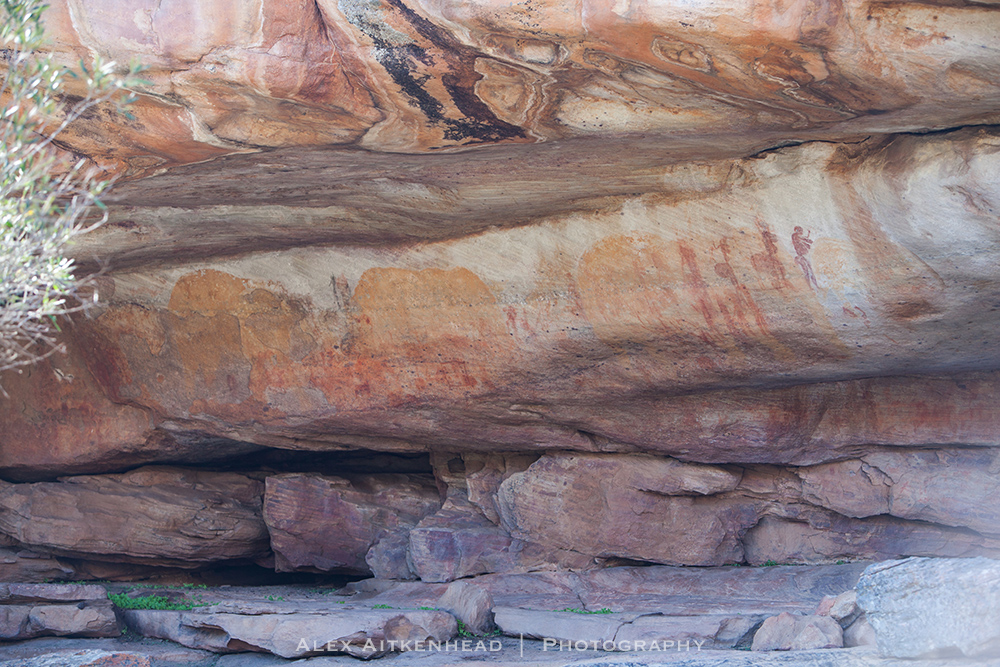

Sevilla Rock Art Trail
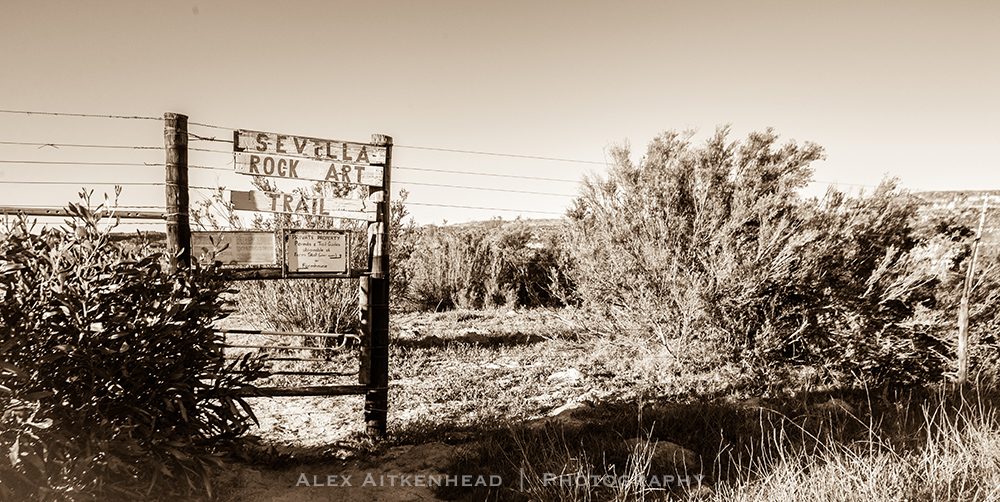
The Sevilla Rock Art Trail
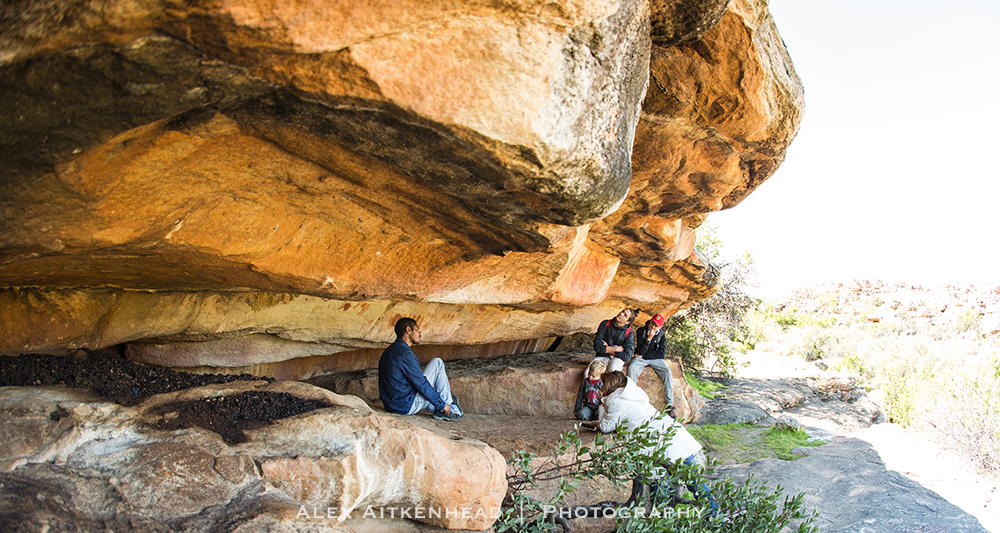
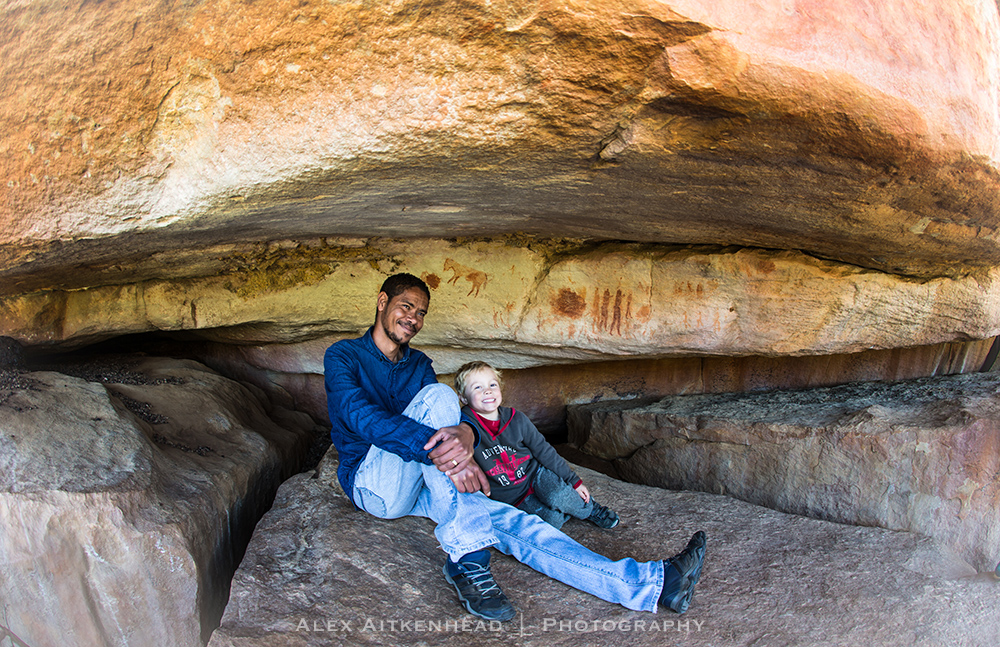
Embark on an inspiring 5km journey along the Sevilla Rock Art Trail, winding along the Brandewyn River to nine sites of ancient rock art paintings. Encounter small game, baboons, and a diverse range of indigenous plants and birds along the relatively easy walking trail. In spring, the wildflowers are a bonus. Free pamphlets are available at the Traveller’s Rest farm stall, or delve deeper into the history with Peter Slingsby’s “Rock Art of the Western Cape – Book 1: The Sevilla Trail” available for purchase at R100.00.
Permits are required and can be obtained for R50 per person at the farm stall, while children under 12 can enjoy the trail for free.
The trail is also strictly not pet-friendly because it is in our game camp.
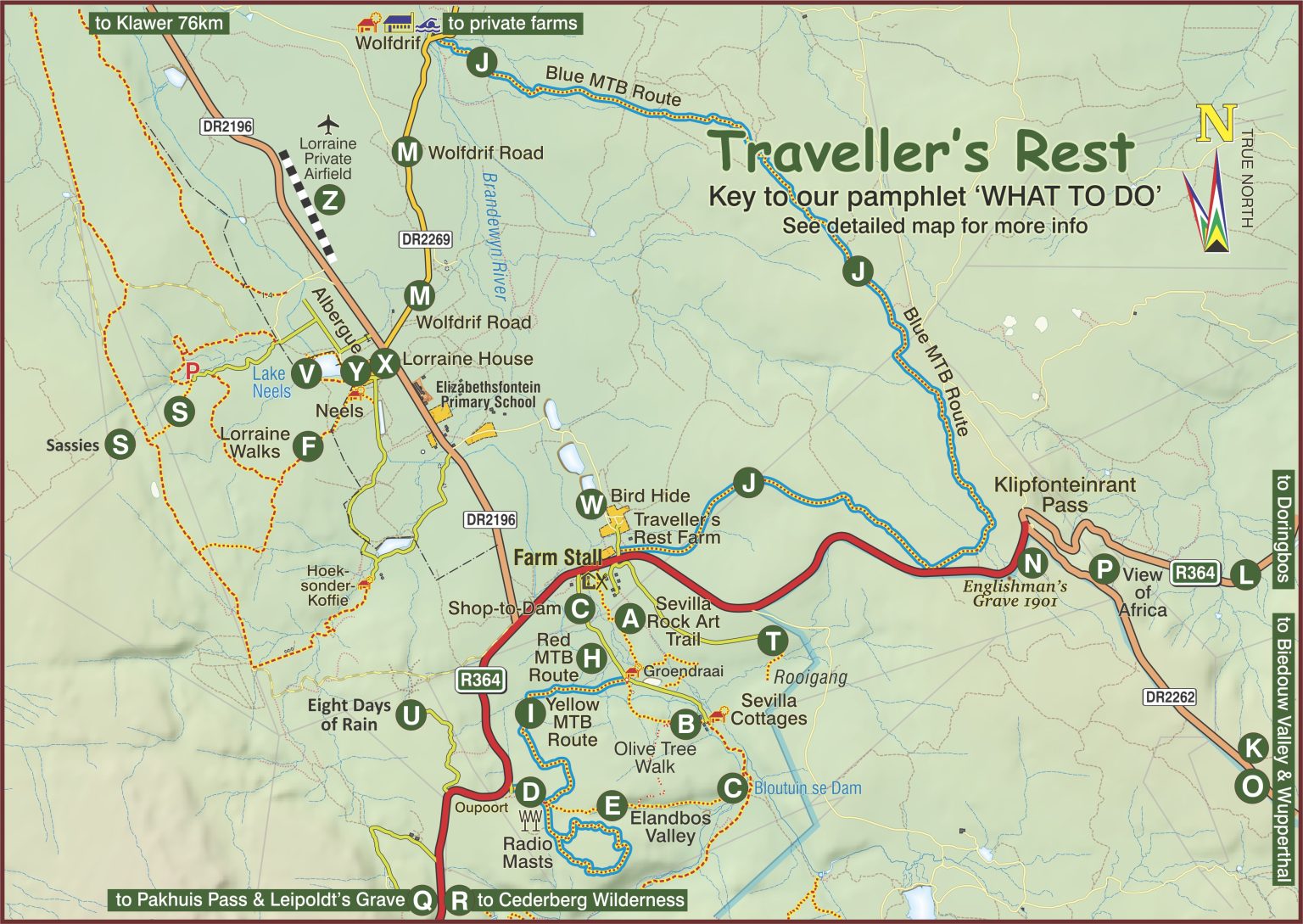
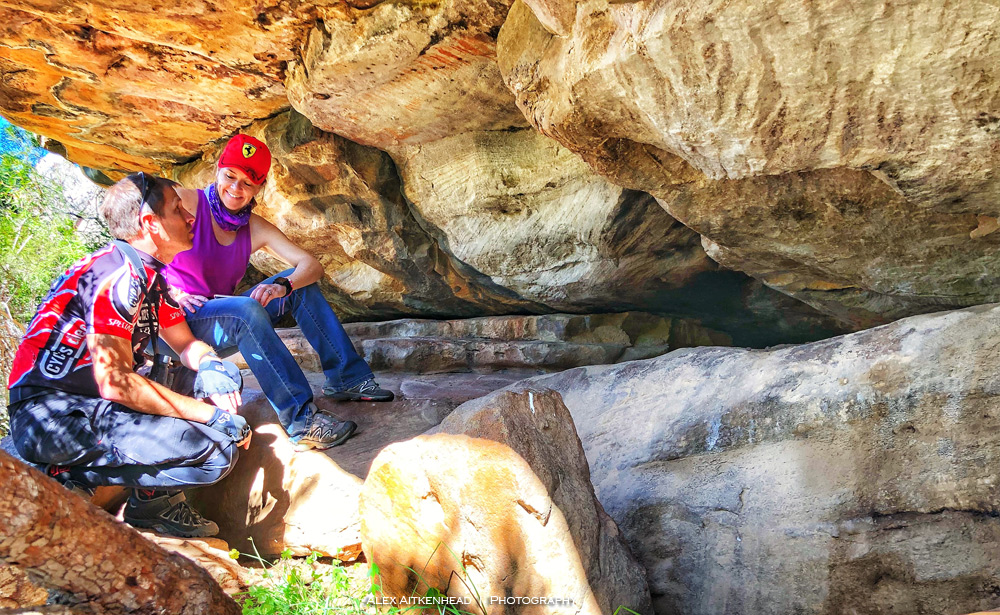
Site ten is unique because of its location, but also because of the images that represent a procession and a time-lapse. This site is not directly part of the site one to nine route (as you have to cross over the Brandewyn River); therefore, it has to be followed from a different starting point at the Restaurant.
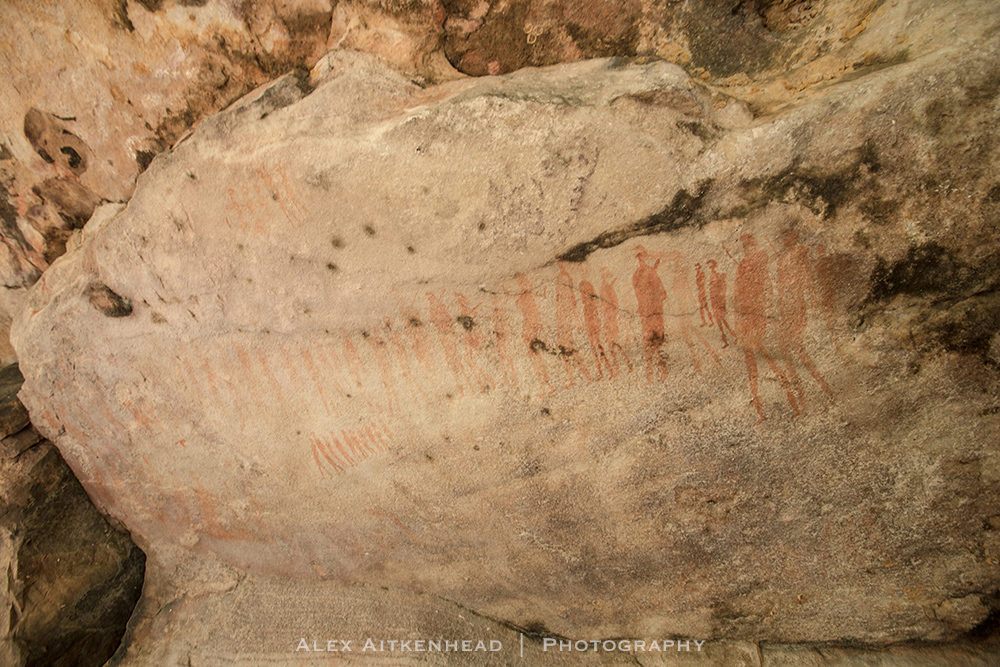
Site ten is unique because of its location, but also because of the images that represent a procession and a time-lapse. This site is not directly part of the site one to nine route (as you have to cross over the Brandewyn River); therefore, it has to be followed from a different starting point at the Restaurant.
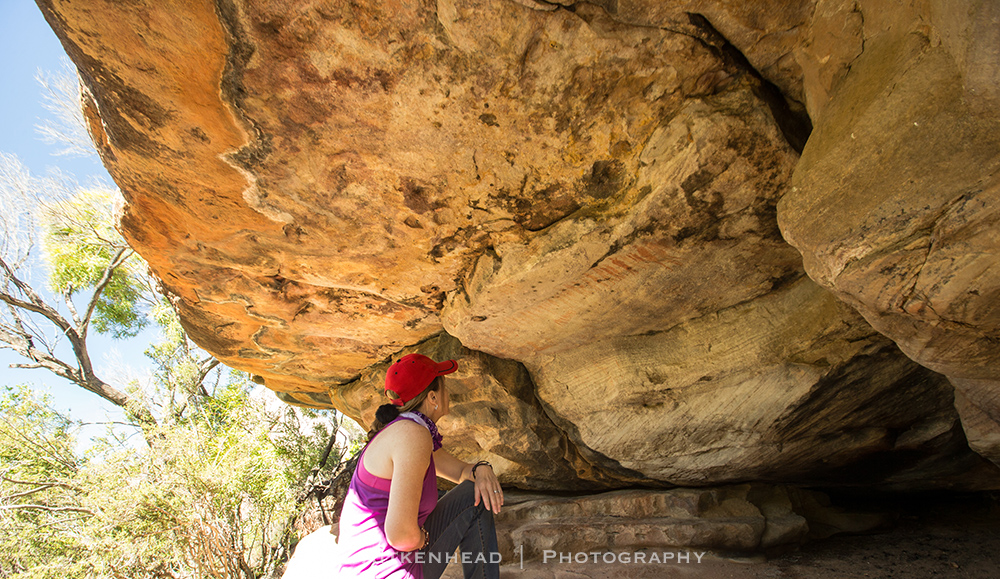
Site ten is unique because of its location, but also because of the images that represent a procession and a time-lapse. This site is not directly part of the site one to nine route (as you have to cross over the Brandewyn River); therefore, it has to be followed from a different starting point at the Restaurant.
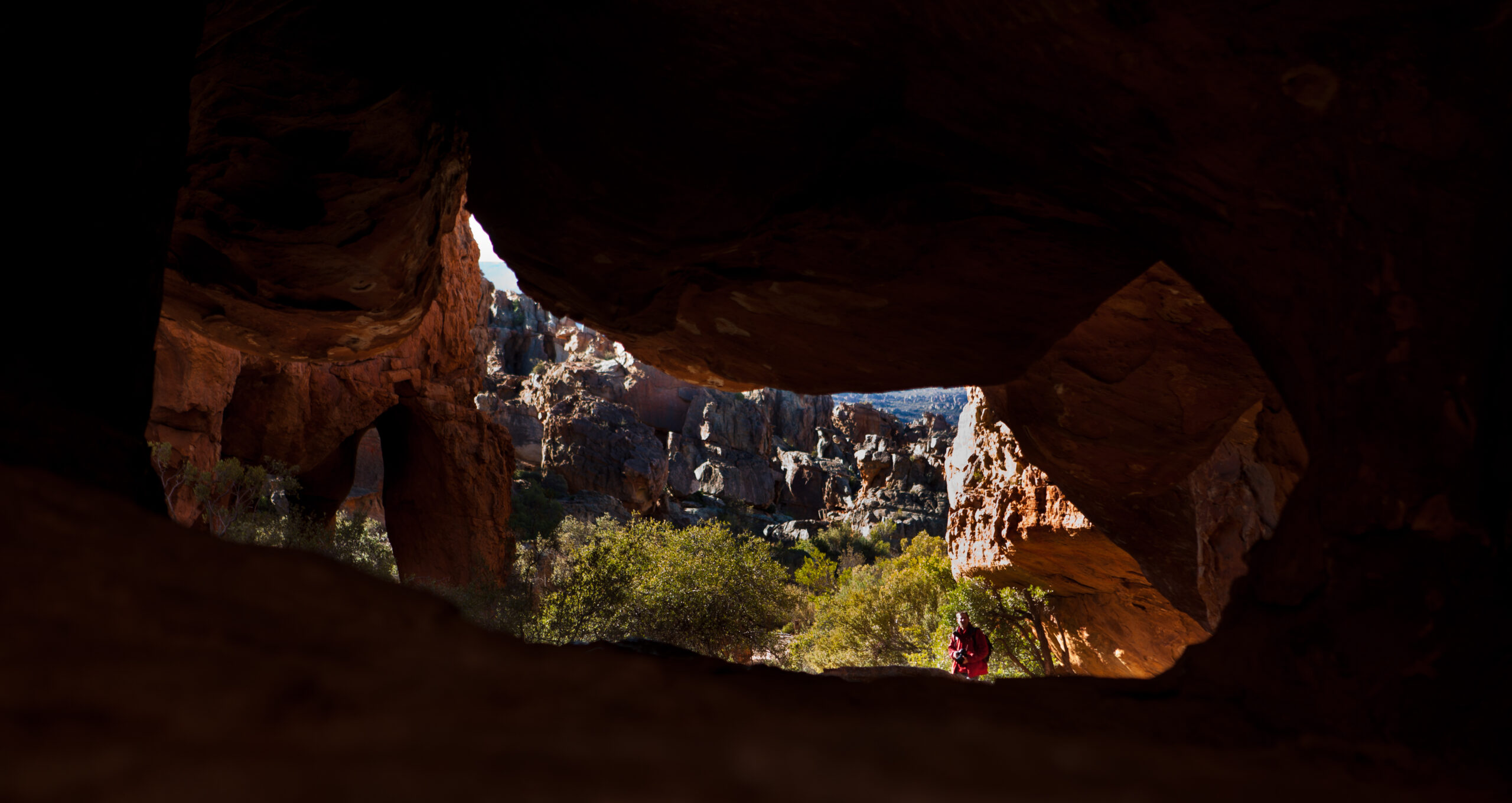
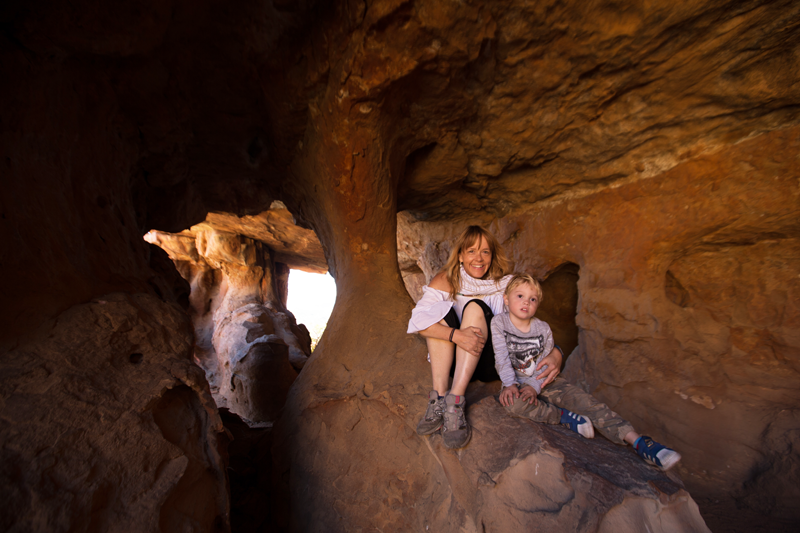
Stadsaal caves
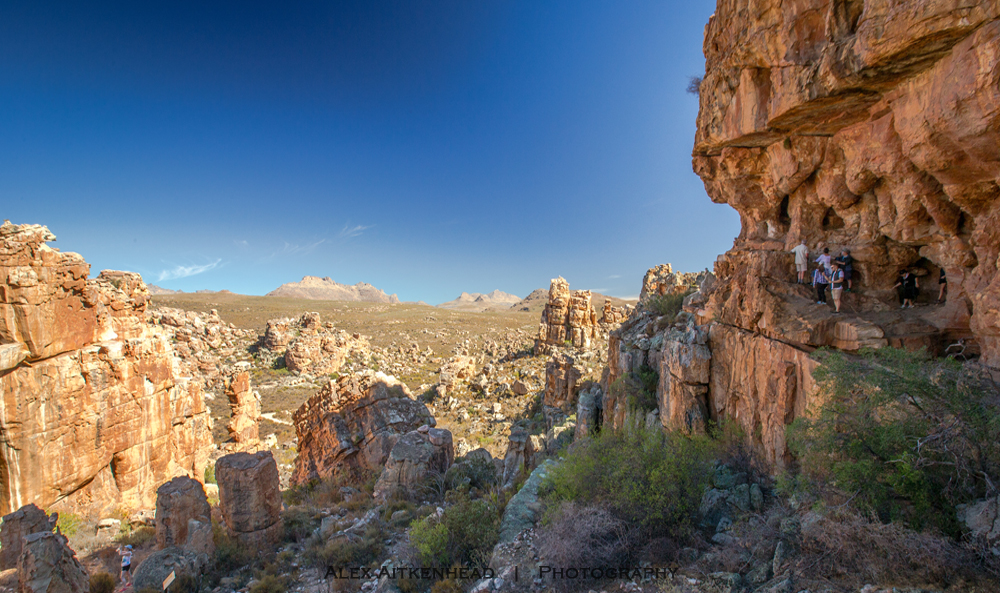
Truikieskraal
Trui-tjeskraal is a scenic heritage and outdoor site in the Matjiesrivier Nature Reserve within the Cederberg Mountains of the Western Cape, famous for ancient San and Khoi rock art, dramatic 500-million-year-old sandstone formations, and world-class rock climbing.
Key Features and Activities
- Rock Art: Features ancient rock paintings dating from 250 to 8,000 years old.
- Interpretive Trail: An easy 30- to 45-minute, family-friendly walking trail with informative boards detailing local flora, fauna, and indigenous history.
- Rock Climbing: A popular destination with numerous bolted sport-climbing routes across a range of grades.
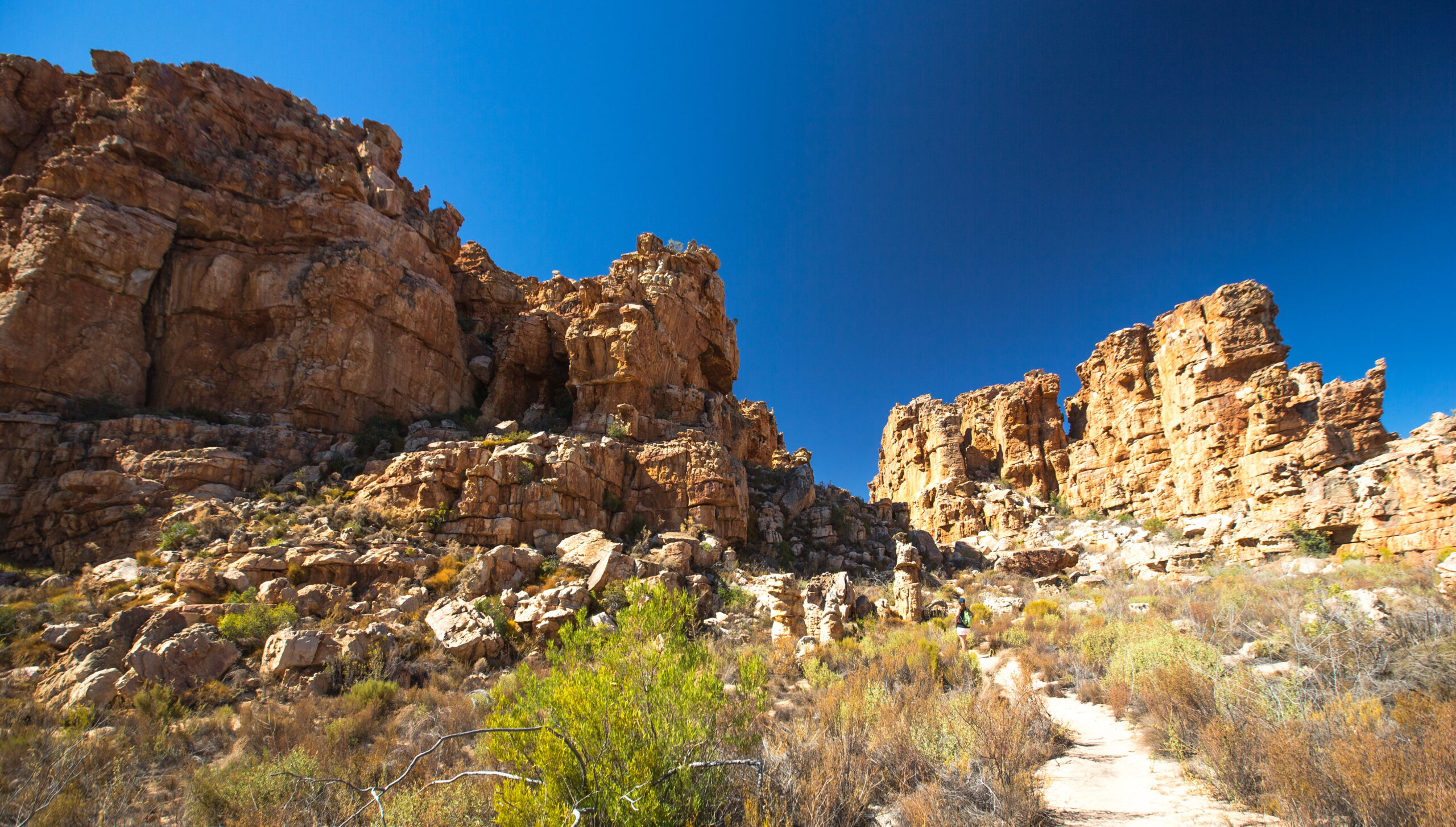
Practical Information
- Permits: Required before entry; obtainable via CapeNature or local spots like Kromrivier Farm.
- Access: Reached via a gravel district road from the N7 past Algeria and Kromrivier; suitable for standard sedans driven with caution.
Watch this video to get a closer look at the rugged terrain and gravel road leading through the Cederberg landscape toward Truitjieskraal:
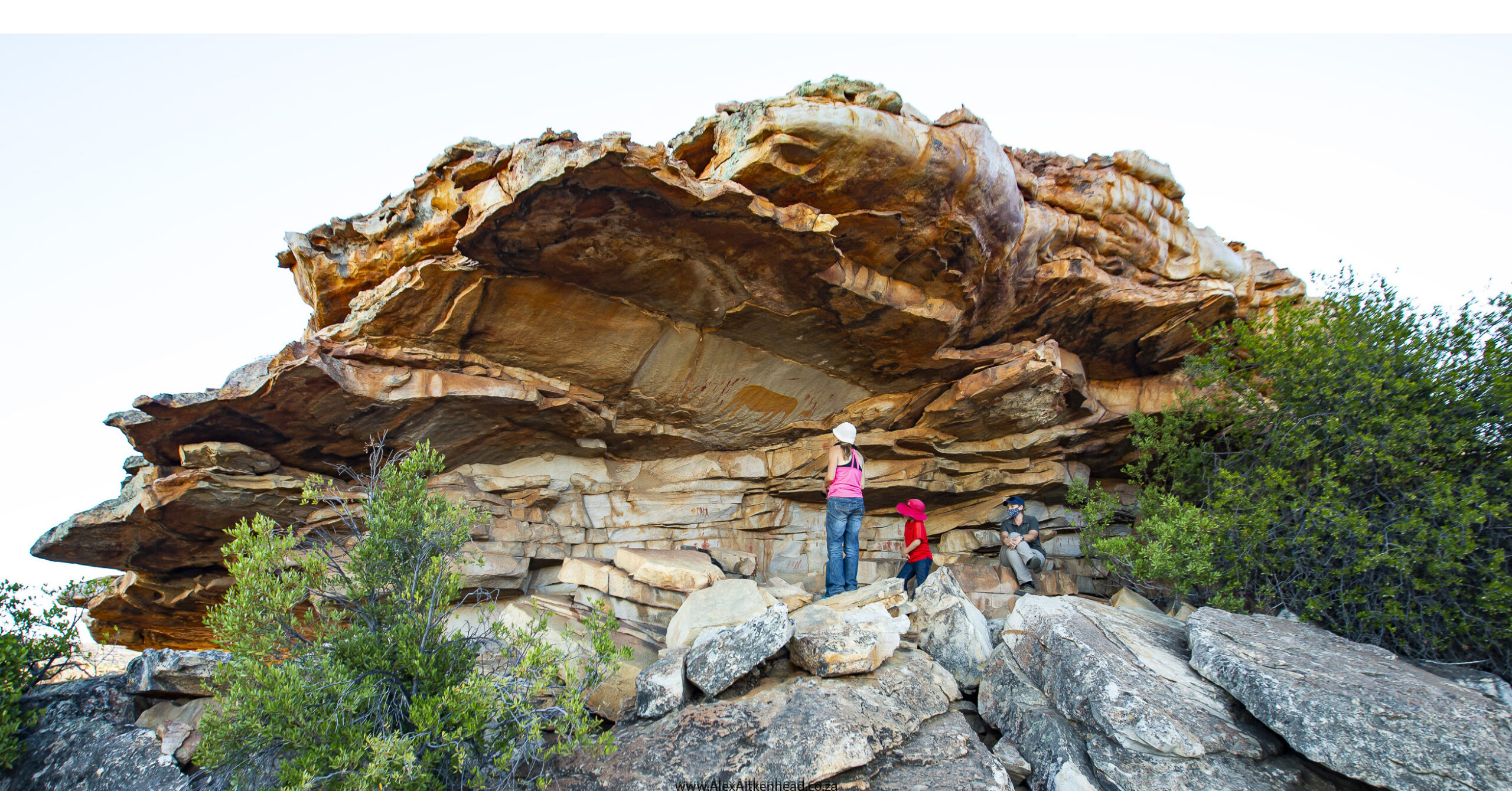
Secret Cederberg
Lovers Lane, Zooridge Farm, Southern Cederberg
About this campsite
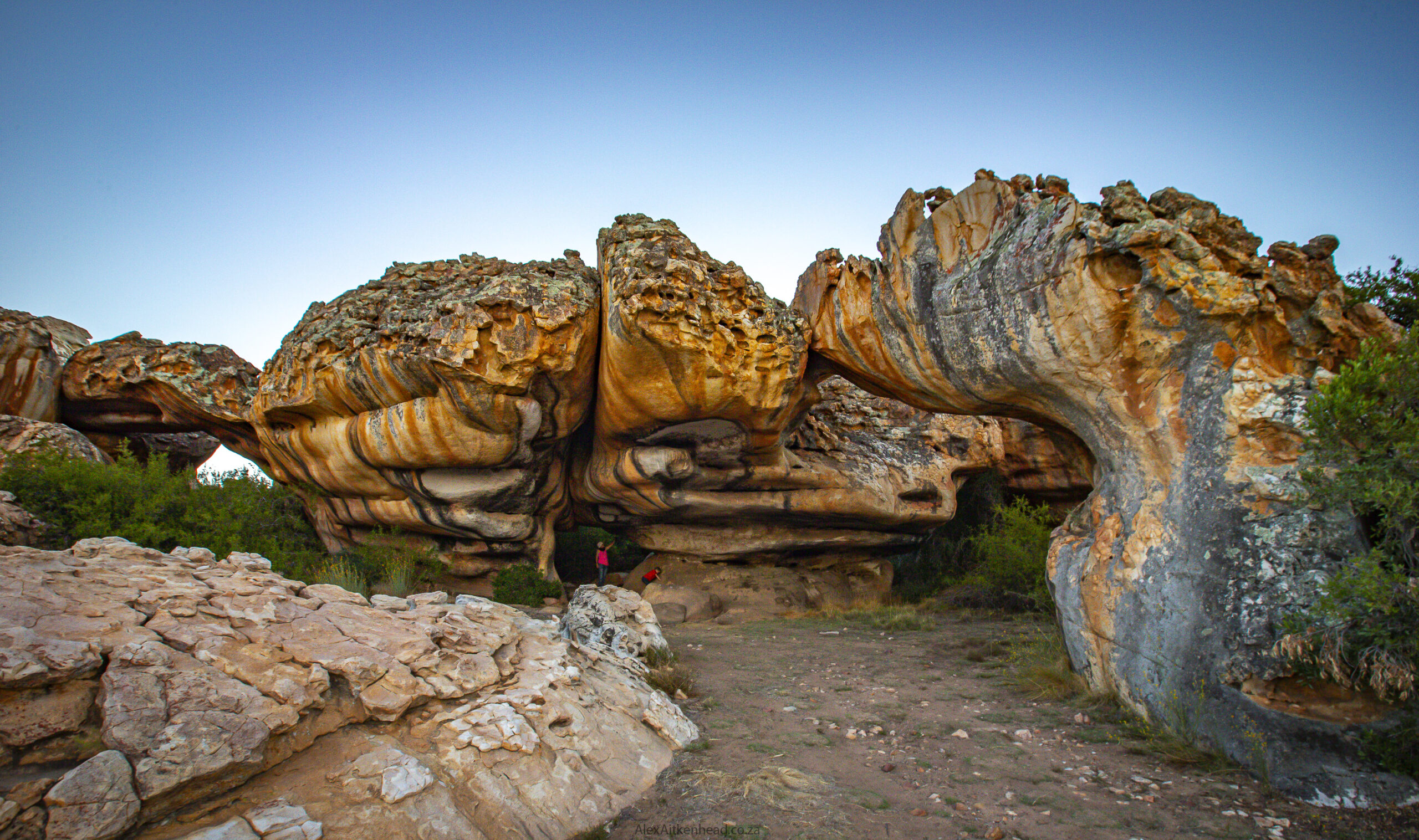
Set in the southern Cederberg landscape, Zoo Ridge is one of the best camping spots in the Western Cape. Not because of the amenities, but because of the phenomenal location and idyllic isolation. Endless hiking opportunities, 4×4 roads, and an impressive canyon to perch atop await. Over 1000 pieces of rock art on the farm, plus the ability to camp with your vehicle in one large cave, is the icing on the cake.
Zooridge Farm
Kouebokkeveld, Western Cape, South Africa
Nestled in the high-altitude wilderness of the Koue Bokkeveld, Zooridge Farm offers a spectacular geological landscape characterised by towering, Cederberg-style sandstone formations. The terrain presents a striking visual contrast, where ancient, rust-colored rock sculptures rise abruptly from the fynbos and ordered fruit orchards. With its Mars-like topography, clear mountain light, and rugged dirt tracks, this location is a prime candidate for sci-fi productions, “Western” genre backdrops, and heavy-duty outdoor adventure campaigns.
Dramatic, Sculptural, and Primal.
Rock art
The Cederberg features hundreds of rocky overhangs and caves with fine examples of rock art. The most famous of these are the
elephant paintings at the Stadsaal Caves on the Matjiesrivier Nature Reserve. These paintings vary in age between 300 and 6 000 years and are very sensitive to damage. They are an integral part of the Cederberg’s value, and visitors are encouraged to discover them for themselves. Rock art is protected by the National Heritage Resources Act No. 25 of 1999, and vandals who deface rock paintings face severe penalties
Book a San Rock Art Tour to gain a deeper understanding of these ancient depictions.
Who were the San People that called this wilderness Home:
Introduction
The San are the oldest inhabitants of Southern Africa, where they have lived for at least 20 000 years. The term San is commonly used to refer to a diverse group of hunter-gatherers living in Southern Africa who share historical and linguistic connections. The San were also referred to as Bushmen, but this term has since been abandoned as it is considered derogatory. There are many different San groups – they have no collective name for themselves, and the terms ‘Bushman’, ‘San’, and ‘Basarwa’ (in Botswana) are used. The term ‘bushman ‘ came from the Dutch term ‘bossiesman’, which meant ‘bandit’ or ‘outlaw’.
This term was given to the San during their long battle against the colonists. The San interpreted this as a proud and respected reference to their brave fight for freedom from domination and colonisation. Many now accept the terms Bushmen or San. Like the first people to inhabit other countries in the world, the San have an unfortunate history of poverty, social rejection, decline of cultural identity and the discrimination of their rights as a group. Yet, the San have also received attention from anthropologists and the media for their survival and hunting skills, their wealth of indigenous knowledge of the flora and fauna of Southern Africa, and their rich cultural traditions.
San people speak numerous dialects of a group of languages known for the characteristic ‘clicks’ that can be heard in their pronunciation, represented in writing by symbols such as or /. Made up of small mobile groups, San communities comprise up to about 25 men, women and children. At certain times of the year, groups join for exchange of news and gifts, for marriage arrangements and for social occasions.
Endless hiking trails that traverse this mountainous wilderness
Top hiking routes include:
Wolfberg Arch
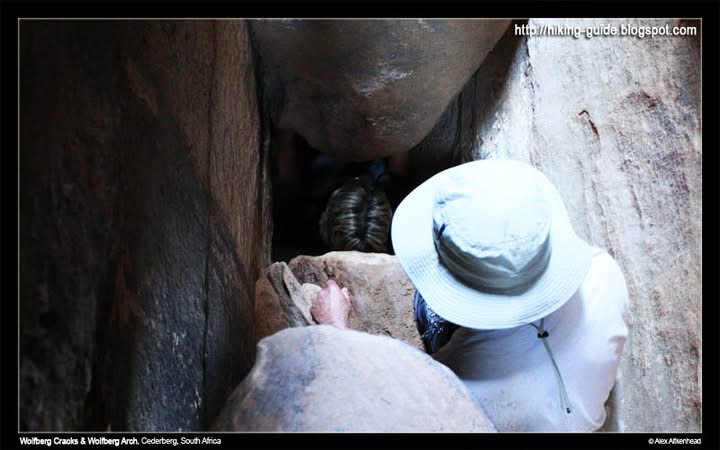
Wolfberg Cracks
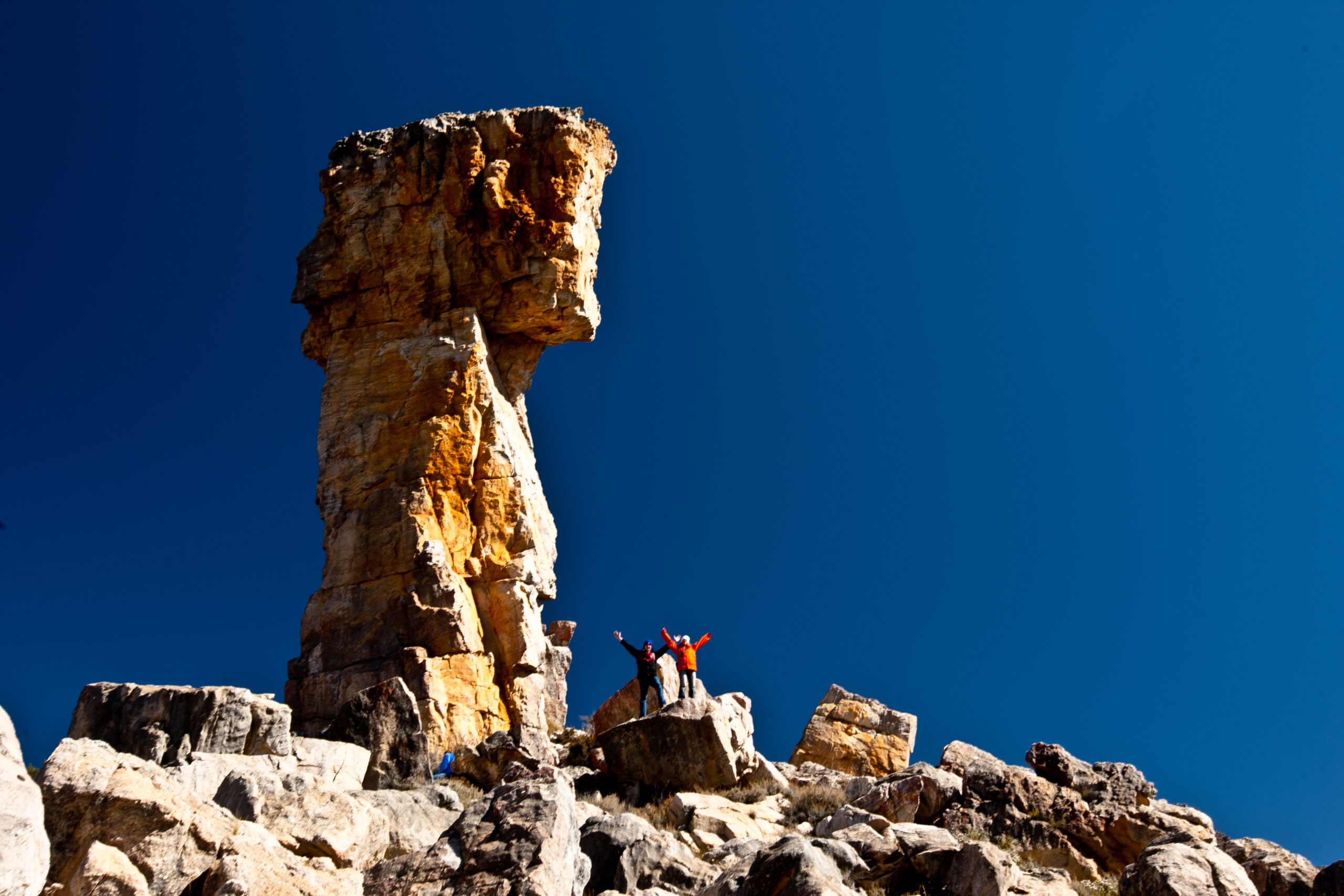

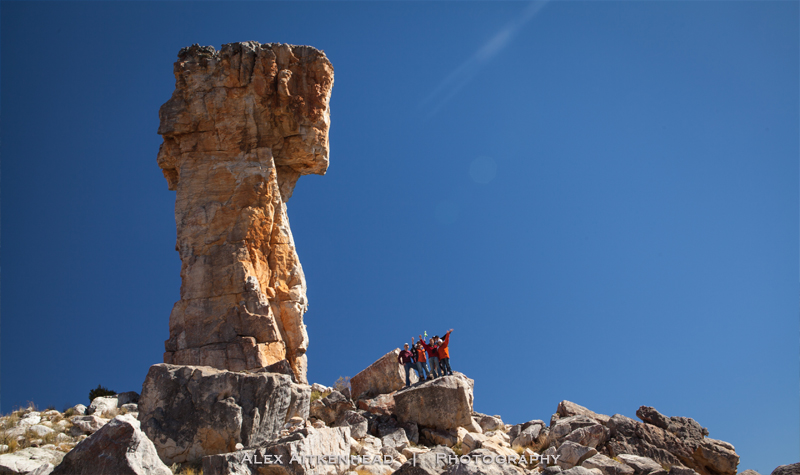
The Maltese Cross
More on the Cederberg’s Maltese Cross…
The rock pillar itself is about thirty metres high—or almost the height of an eight- to ten-storey building. R. Goodwin and J. Blacquire made the first recorded successful ascent of the Cross in 1949, and our dear friend, the late Jeanne Ward, made the first recorded ascent by a woman, climbing it with her husband Geoff in 1963.
Unless you are a fully 7competent ‘trad’ climber equipped with ropes and all the other gear, you should not attempt to climb the Cross. There have been several extremely serious accidents and difficult mountain rescues here; you are a very long way from the nearest hospital and even further from any helicopters.
There are a couple of routes down into the Kromrivier valley from this point, either via Kok se Poort or The Pup, or this could be the start of an overnight trail to the Sneeuberg Hut. However, if you only have a day, then eat your sandwiches here. After admiring the beautiful flora and photographing your party with the Cross, framed by Sneeuberg behind, retrace your steps down the stony T43 path to your car.
It’s been a great day out.
From ‘Cederberg – the book’, available at bookshops, sports stores or accommodation places in the Cederberg. If you have any difficulty, go to www.tracks4africa.co.za
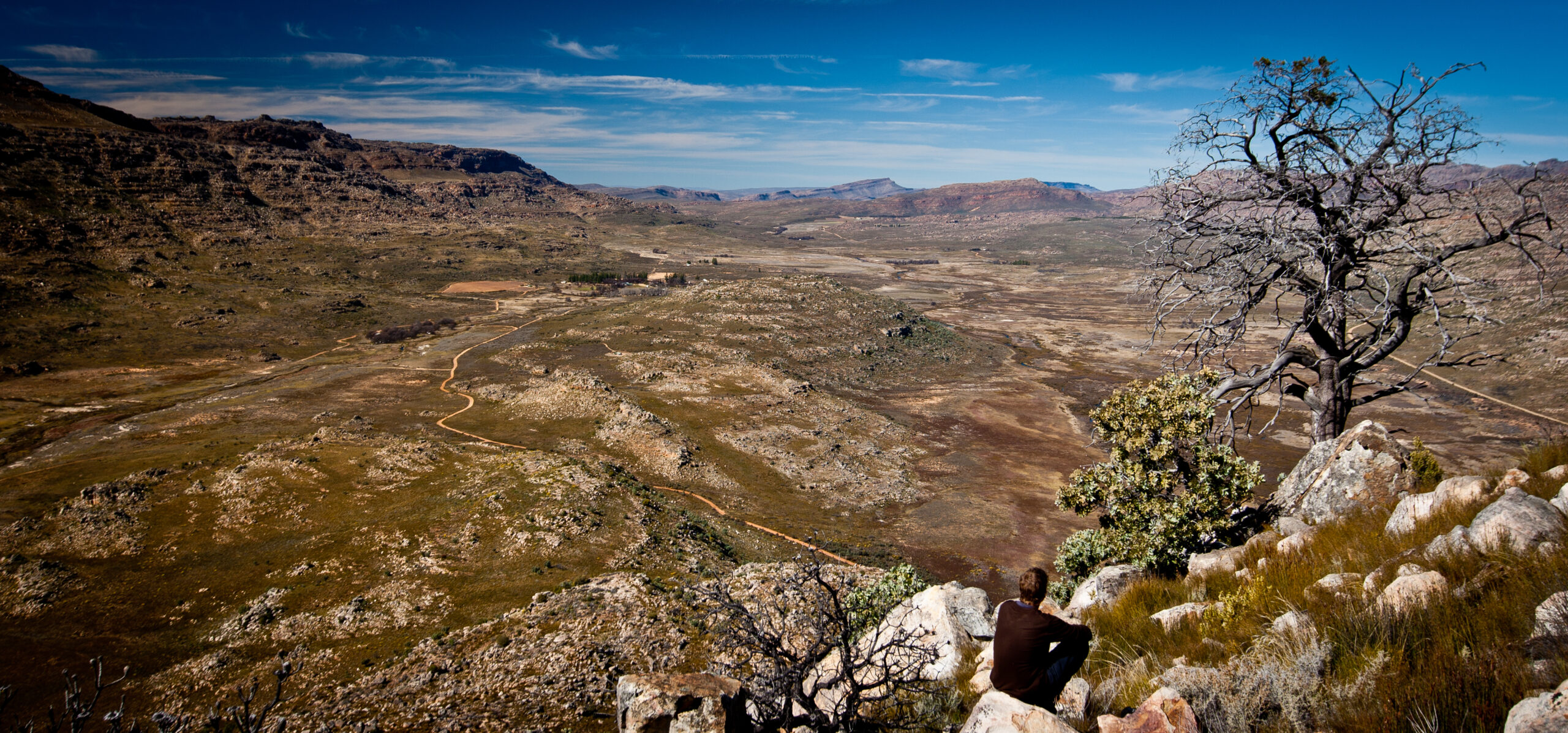
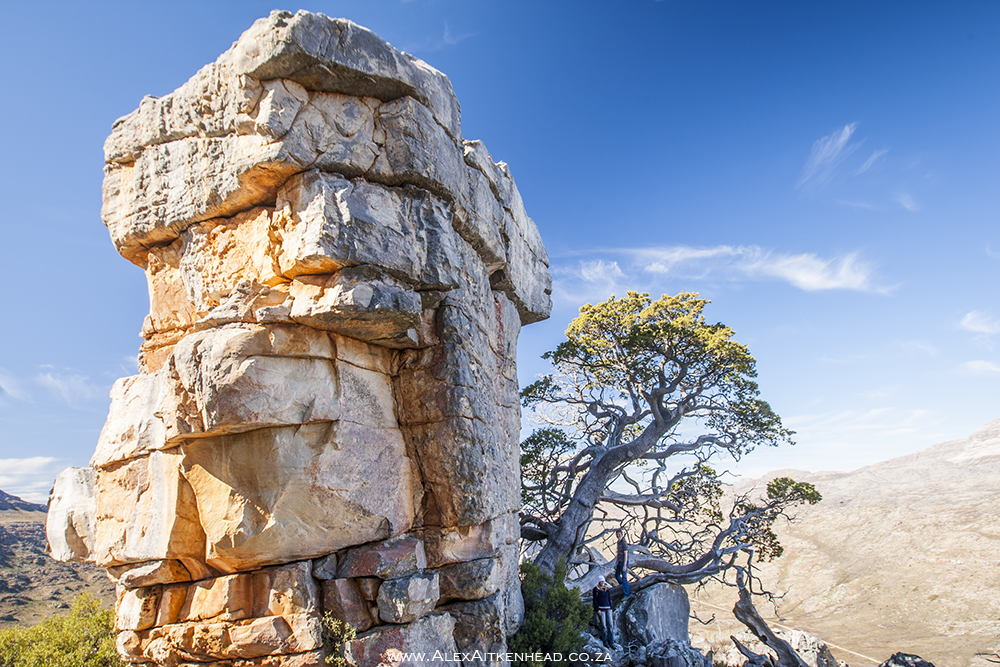
Mieds se Kop
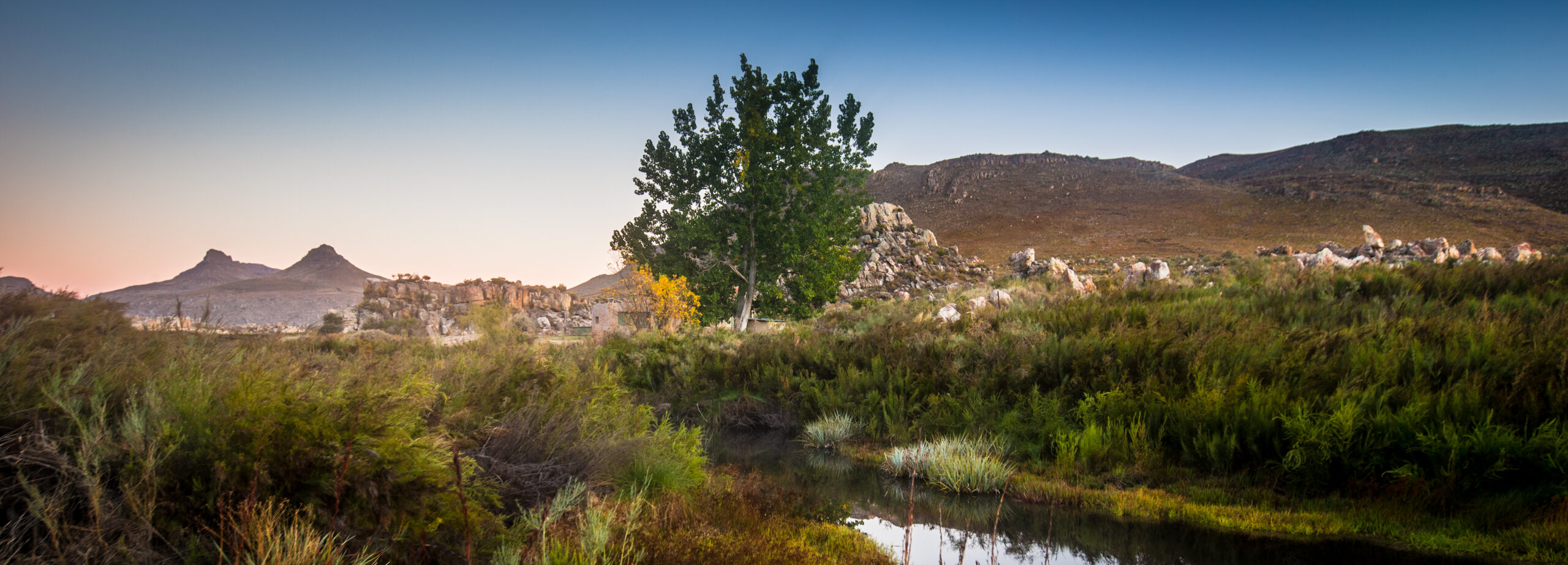
Sneuberg
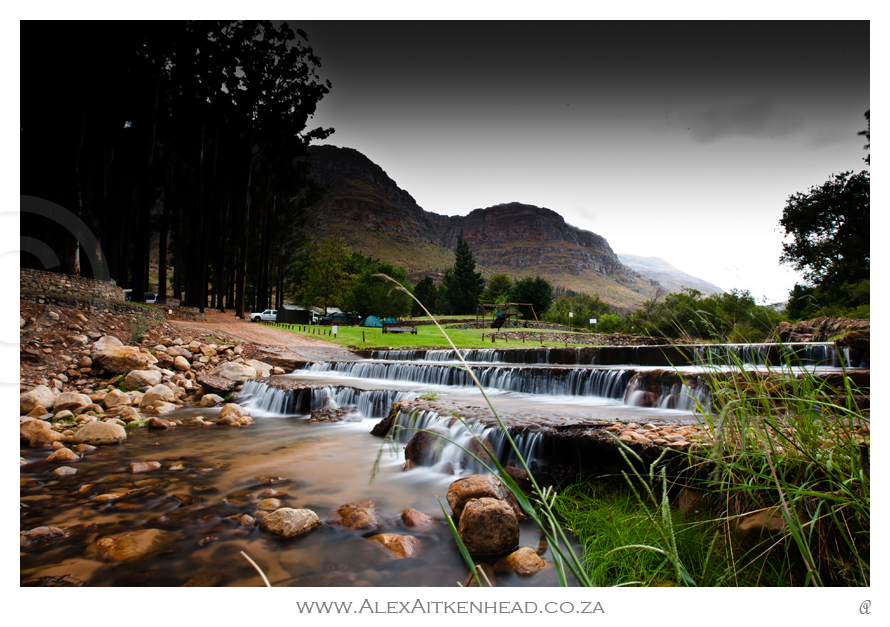
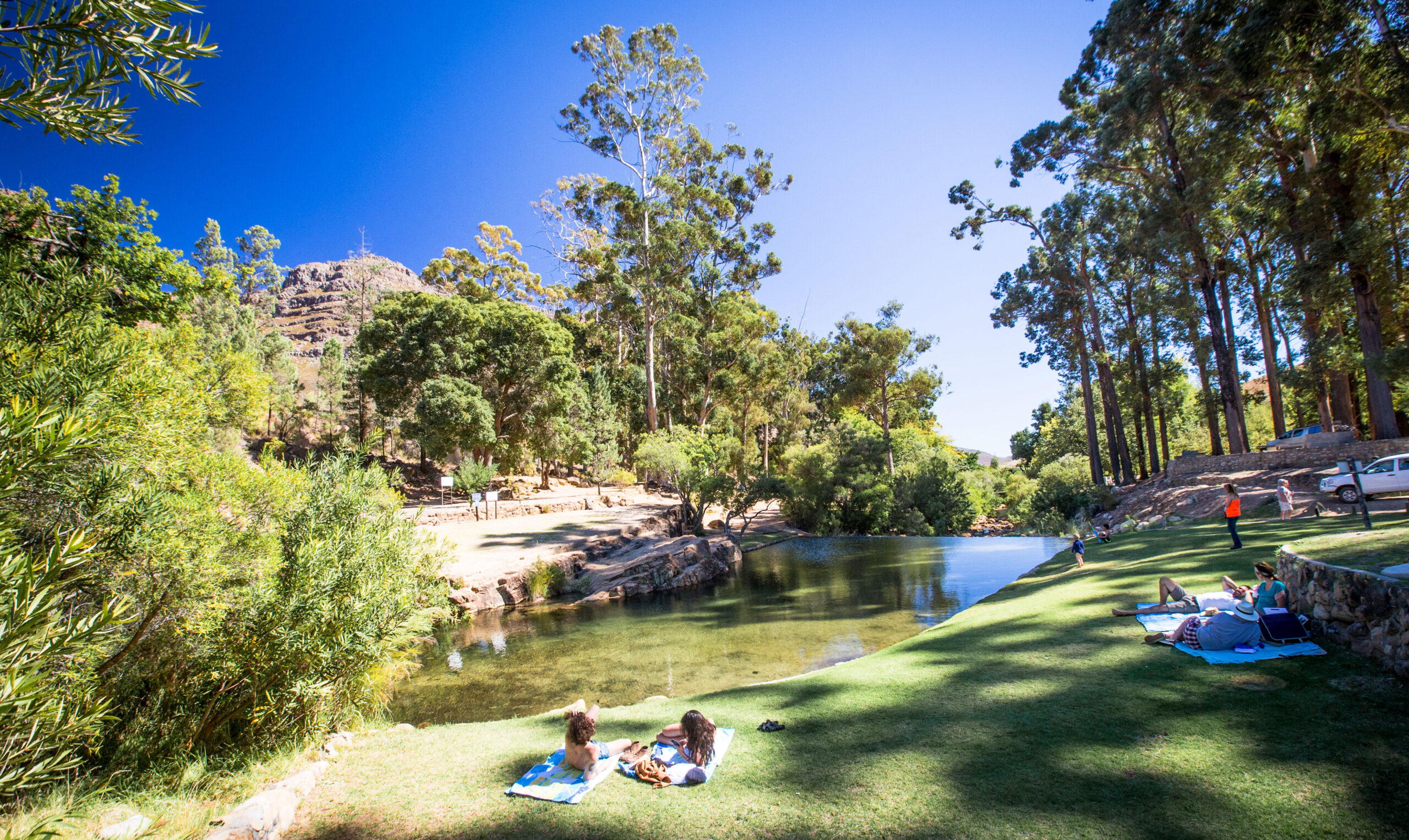
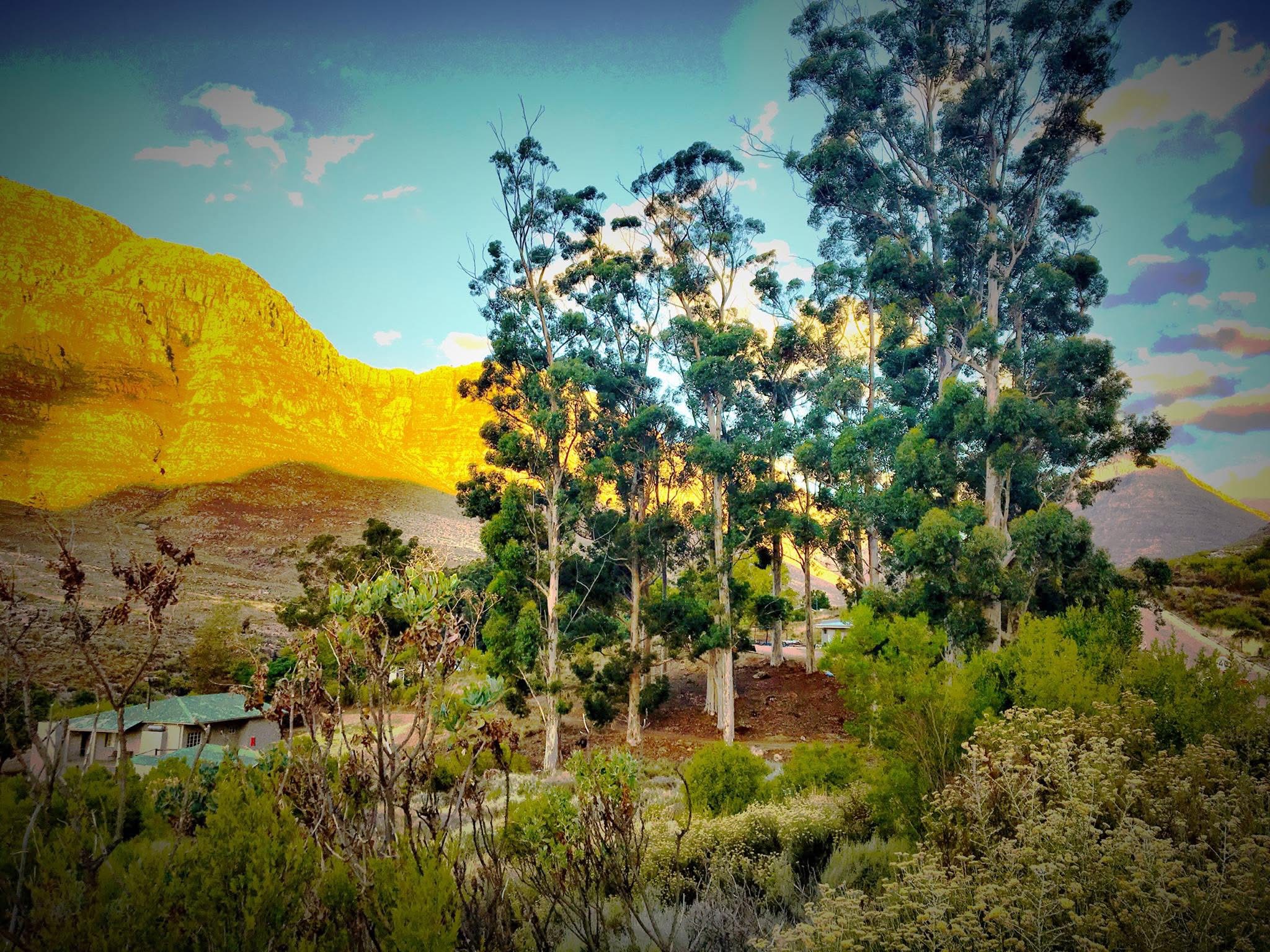
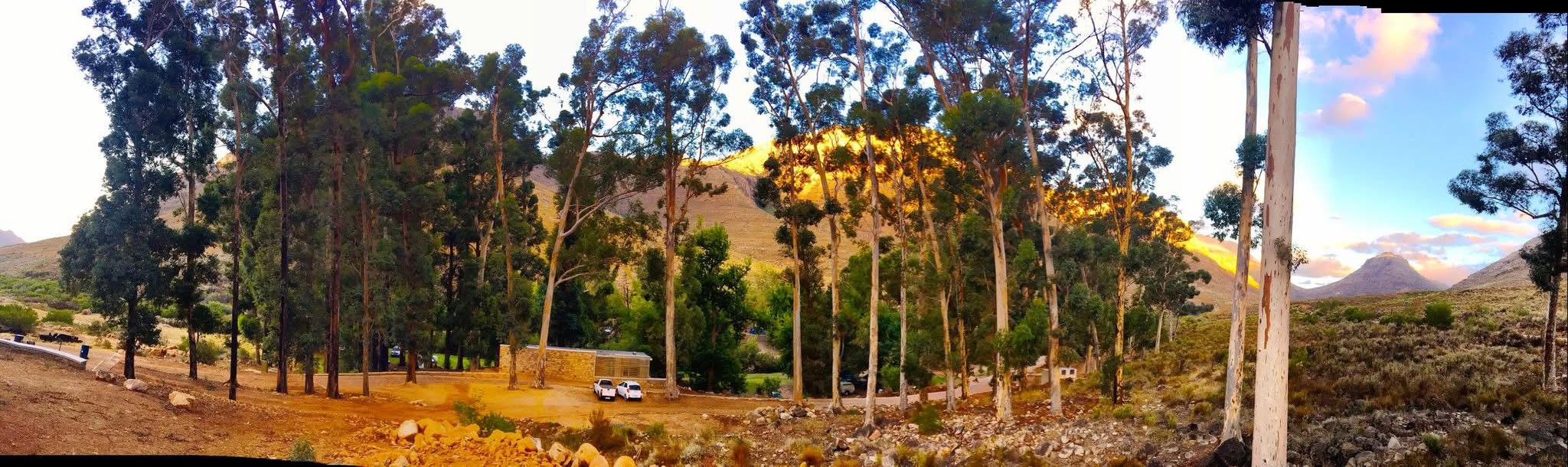
Algeria Camp Site managed by Cape Nature (Waterfall Hike)
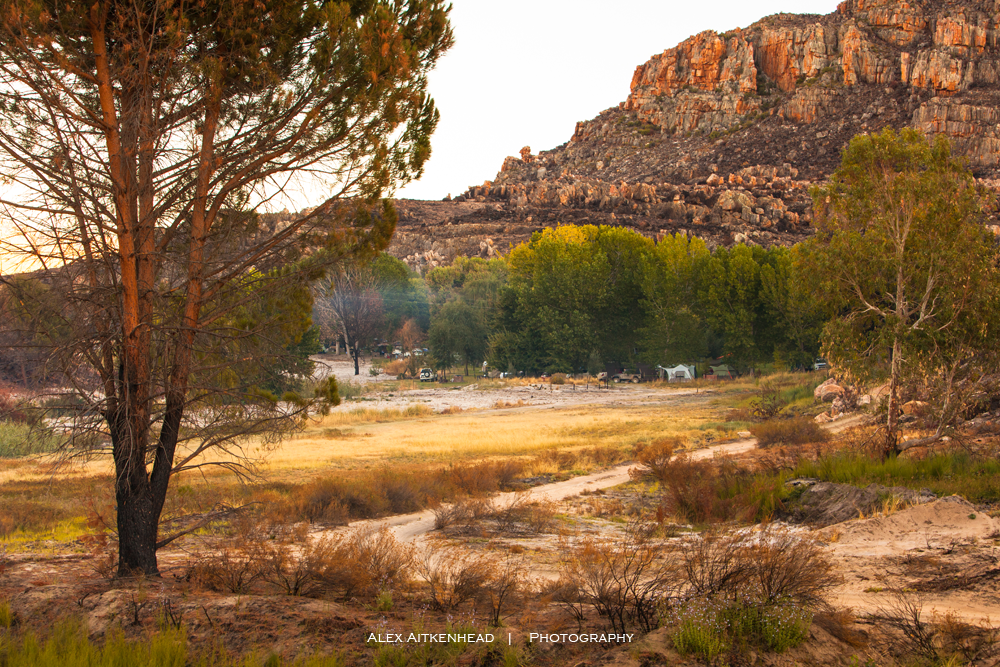
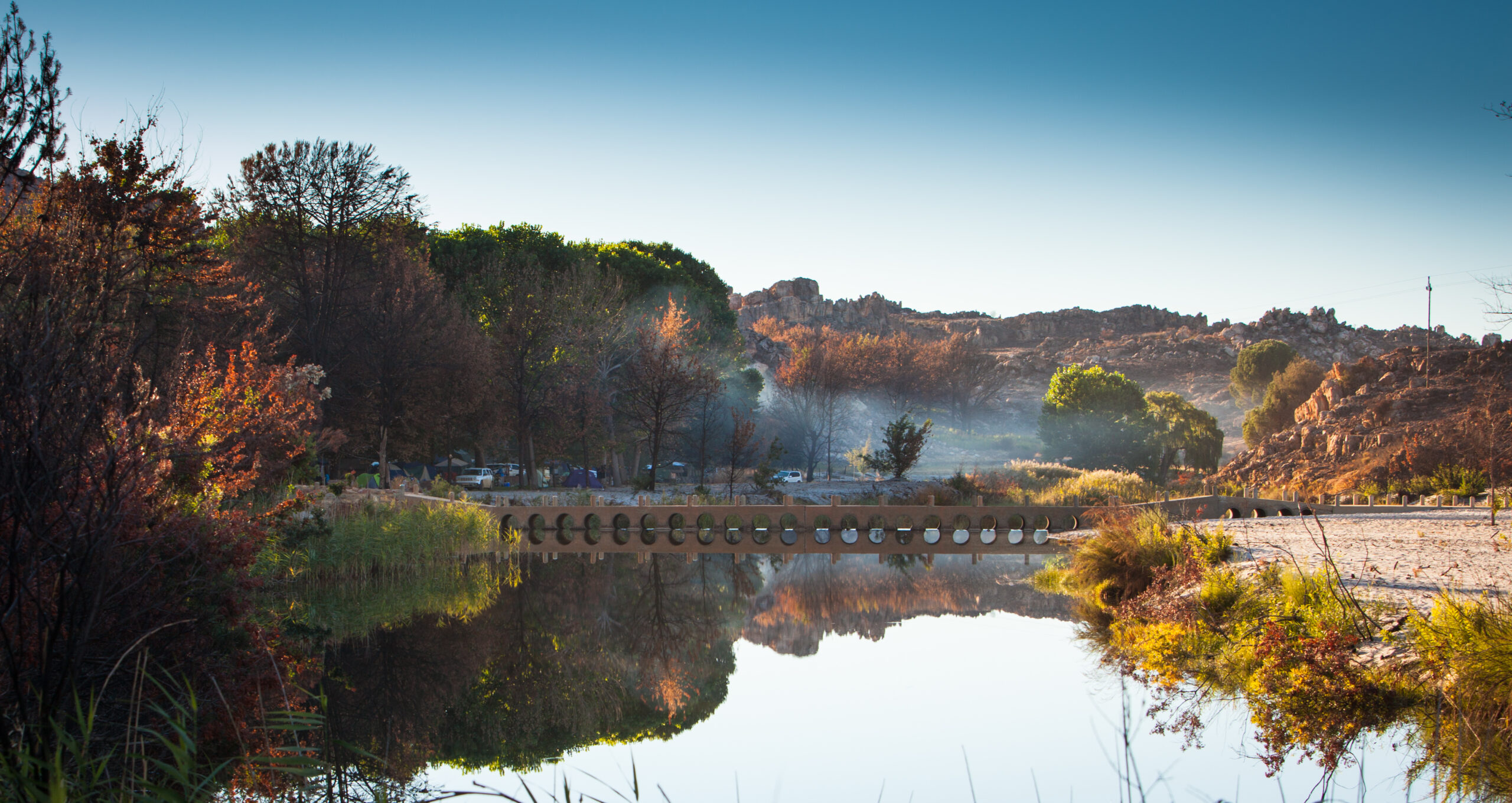
Sanddrift Holiday Accommodation and Camping
From Cape Town, take the N7 turn-off on the N1 and travel towards Clanwilliam. About 28 km past Citrusdal, turn right at the Algeria/Cederberg sign. Continue past Algeria and over the Uitkyk Pass (second pass) – about 46 km of gravel road – until you reach Dwarsrivier, home of Cederberg Wines and Sanddrif’s reception office.
Sanddrif Holiday Resort is 3 km from the reception office. There are NO offices at the resort.
Total distance from Cape Town: ± 250 km; ± 3 hours’ drive.
Location
S 32° 30’ 14’’ / E 19° 15’ 27’’
Activities
Bird Watching
Camping Facilities
Craft Brewery
Day Hikes
Fishing
Mountain Biking
Observatory
Rock Art
Rock Climbing
Swimming
Trail running
Wine Tasting
Activities for nature lovers and the adventurous include day hikes, mountain climbing, rock climbing, mountain biking, trail running, bird watching, stargazing and swimming in the tranquil Matjies River.
The less active can relax in the crystal-clear waters of the Maalgat Pools, wander through the ancient Valley of the Red Gods, explore the fynbos-rich area, or take a short drive to view the beautiful San rock art. There is wine tasting at Cederberg Private Cellar and Cederberg Brewery’s ice-cold craft beers are on sale.
Accommodation
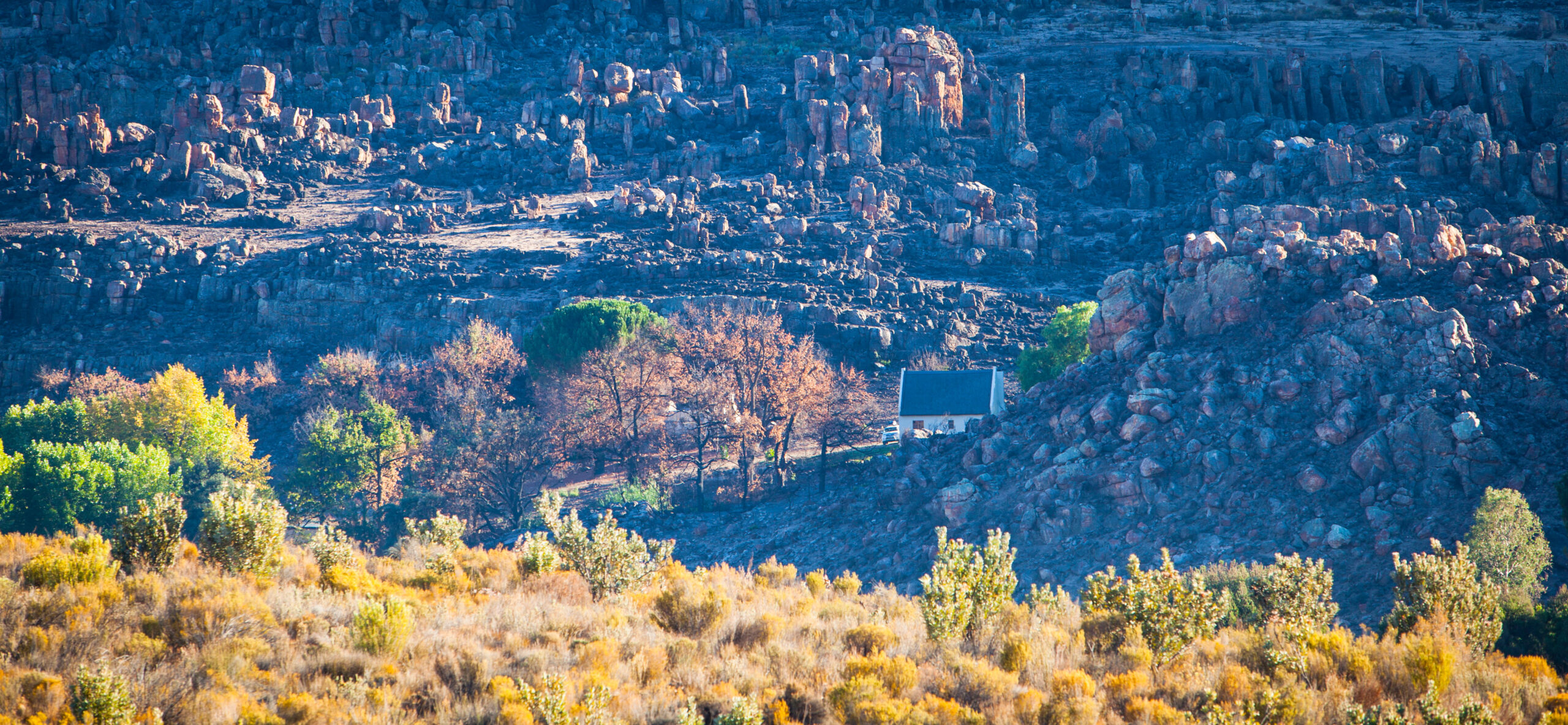
Sanddrif Holiday Resort offers a choice of accommodation, from 16 fully equipped self-catering holiday cottages with breathtaking views of the famous Wolfberg Cracks and the river to more than 40 well-run camping facilities with a safe playground for children.
Attractions
(Please note that permits are required before entering any property in the Cederberg)
- Hiking (Wolfberg Cracks & Arch and Maltese Cross)
- Rock Climbing – Traditional (Wolfberg Cracks)
- Rock Climbing – Sport Climbing (Sanddrif Crag)
- Mountain Biking (Wolfberg, Kliphuis, Lot’s Wife & Maltese Cross Trails)
- Swimming (Sanddrif & Maalgat)
- Cederberg Observatory (Saturdays only)
Activities
Activities and attractions include:
- Craft beer sales & tastings
- Mountain climbing
- Photography
- Rock paintings
- Trail running
- Wine Tasting & Sales
- Seasonal Flowers
Welbedach Caves
Another Cederberg Overnight Hike
C.1. Welbedacht to Sneeukop Hut
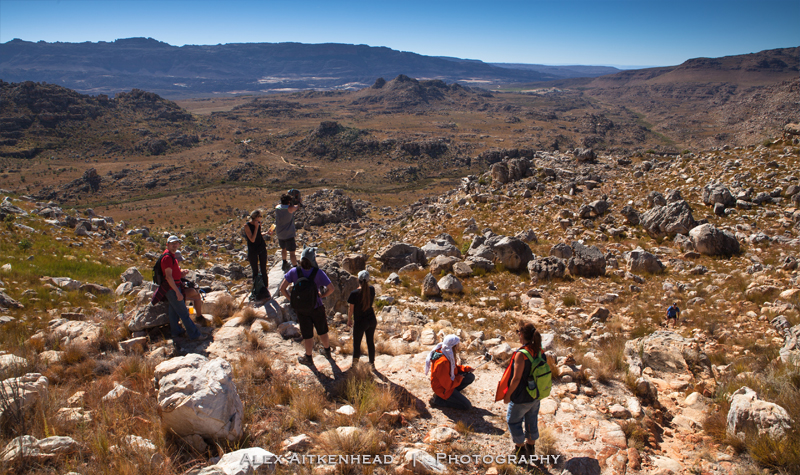
Park under the oak trees at Welbedacht (turn left off the road to Driehoek, at the top of the hill). Cross the river and, just beyond the concrete footings of the old Forest Station, take the T52 path to the Shale Band via the Welbedacht Cave. It’s a fairly stiff 500 m climb over three kilometres, but after turning left on the jeep track (J01) along the Shale Band it’s very easy walking. You’ll soon pass Sederhoutkop, where there are several comfortable overhang shelters, and keep on until you pass the turn-off to Sleepad Hut.
Rudolf Andrag pointed out to me that this is the most frequently misspelt name in the Cederberg. It does not mean ‘drag road’, which would be ‘sleeppad’ with two p’s. It means ‘sledge road’ from the sledges used by woodcutters to move cedar logs. ‘Sledge’ is ‘slee’ in Afrikaans, hence ‘sleepad’ with only one p.
I got that wrong for years; the Kromrivier restaurant is known as ‘Die Slee’—the sledge.
Carry on along the jeep track for about 5,5 km to the Sneeukop Hut. It’s in one of the coldest, bleakest places in the Cederberg, but the views are fantastic (it used to be a fire lookout — Petrus Hanekom tells a fascinating tale of carrying three telephone poles a day to Sneeukop from Algeria to connect the lookout!)
Your day has been about thirteen to fourteen kilometres long, 11 km of which have been pretty easy walking.
You have two return options if you overnight at or near the Hut. Either carry on along the Shale Band—the path (T41) is faint in places—past Laurie’s Hell (see Some Myths, Some Truths); turn left on the T40 from Eselbank and rejoin the jeep track near Sleepad Hut. Retrace your steps to Welbedacht where your car will be waiting for you.
Alternatively, retrace your steps on the Shale Band to the Engelsman se Kloof path on your right. This is a very pretty, worthwhile path (T14) and takes you straight to the Crystal Pool Hut. Follow the relevant description in B.2 above to exit at Algeria.
From ‘Cederberg – the book’, available at bookshops, sports stores or accommodation places in the Cederberg. If you have any difficulty, go to www.tracks4africa.co.za
Tafelberg and many more………..
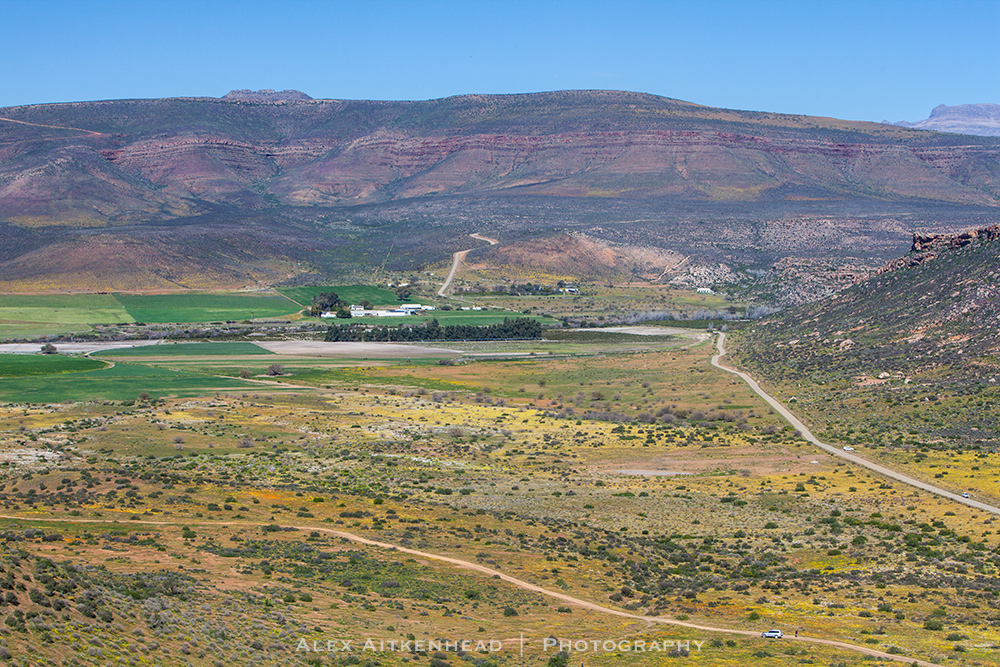
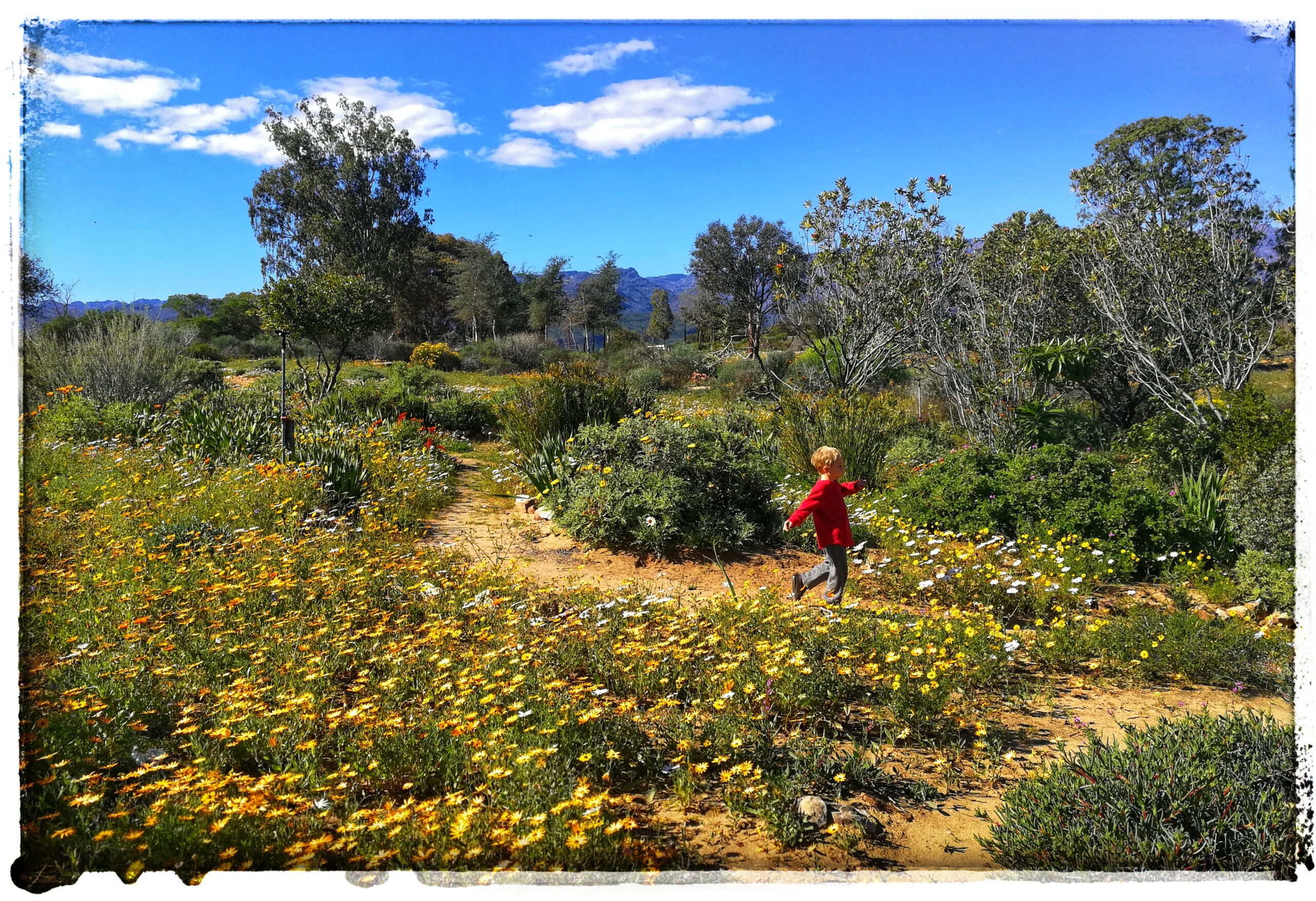
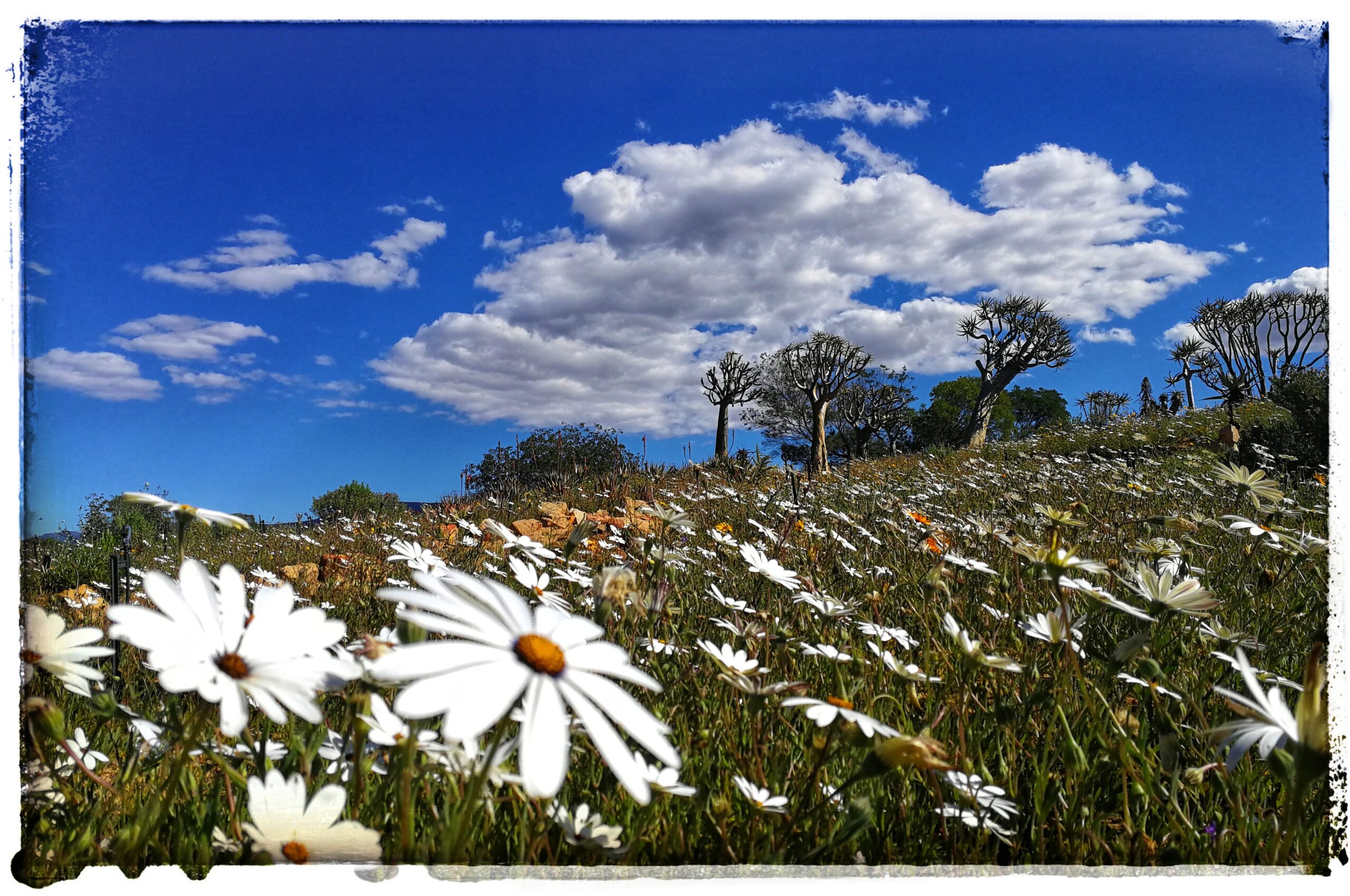
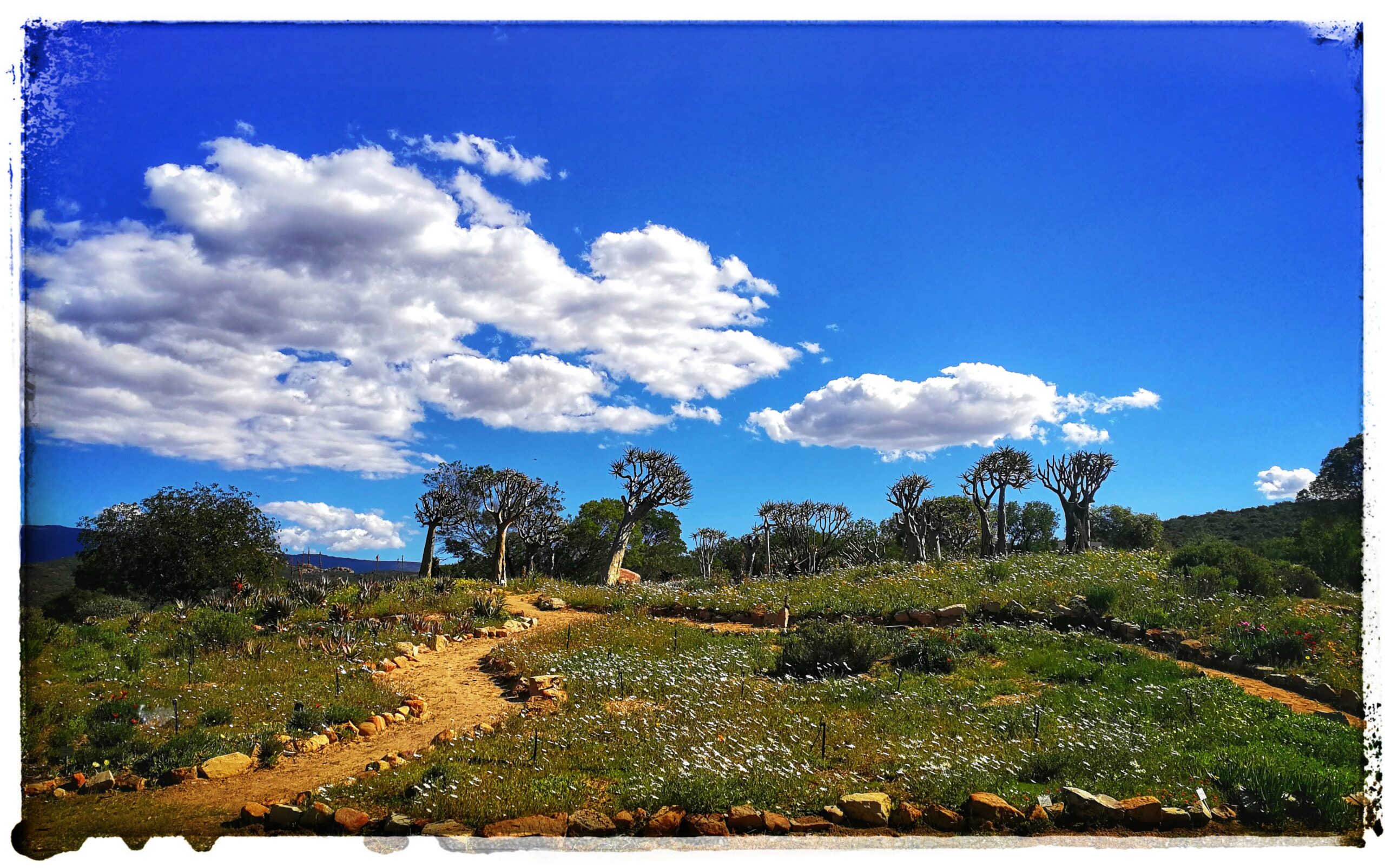
The spring Floral display that converts this dry, barren Landscape into a tapestry of bold, vivid kaleidoscope of colours:
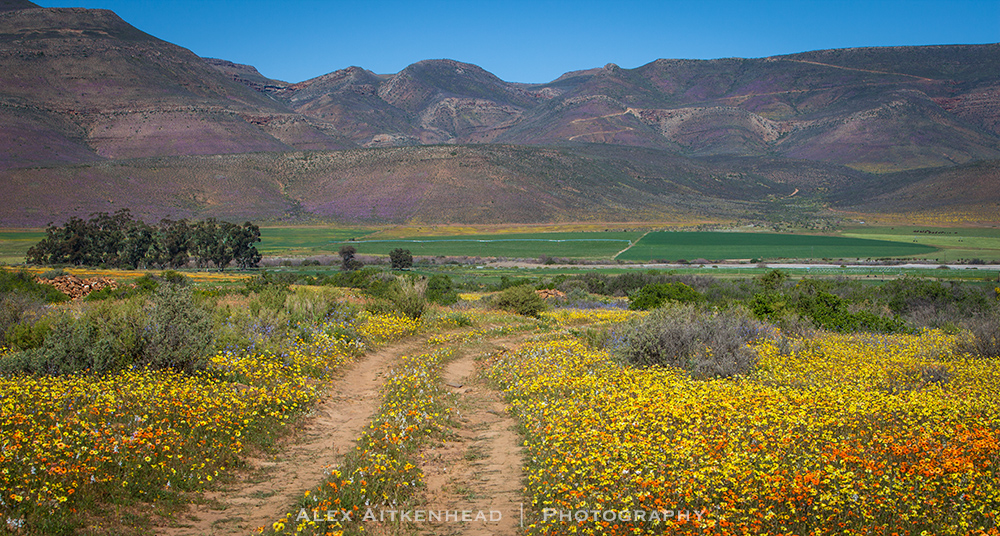
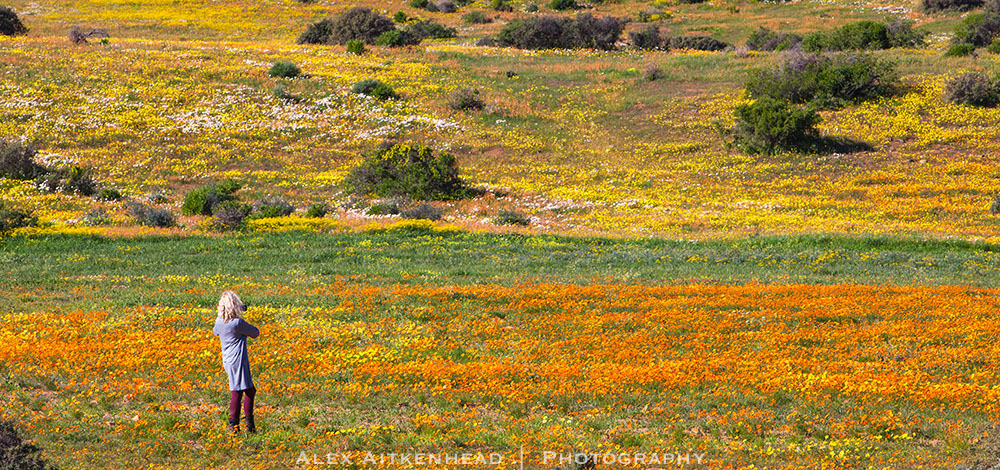
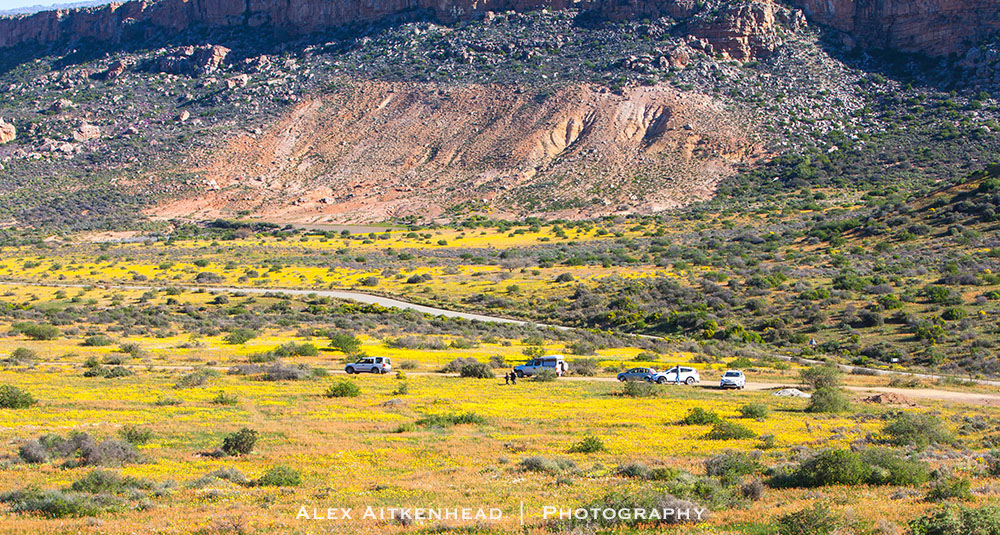
Bidou Valley is a standout
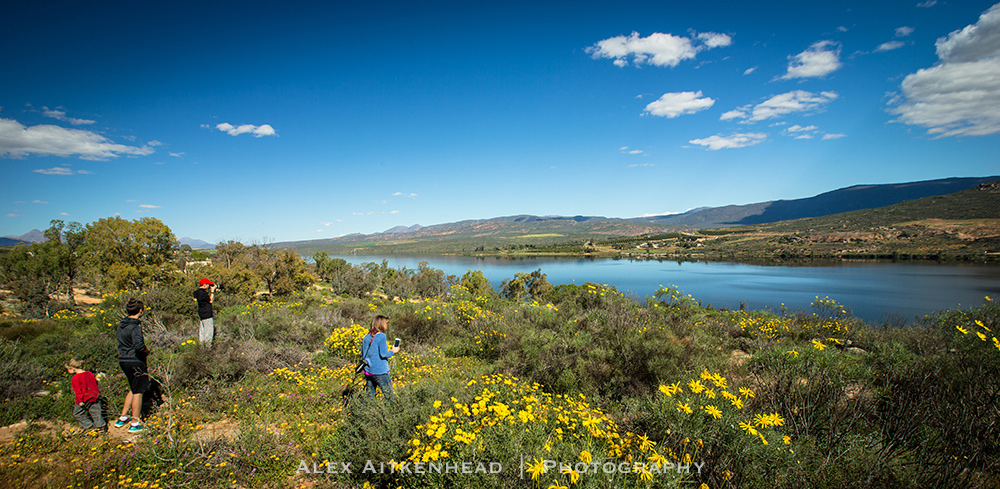
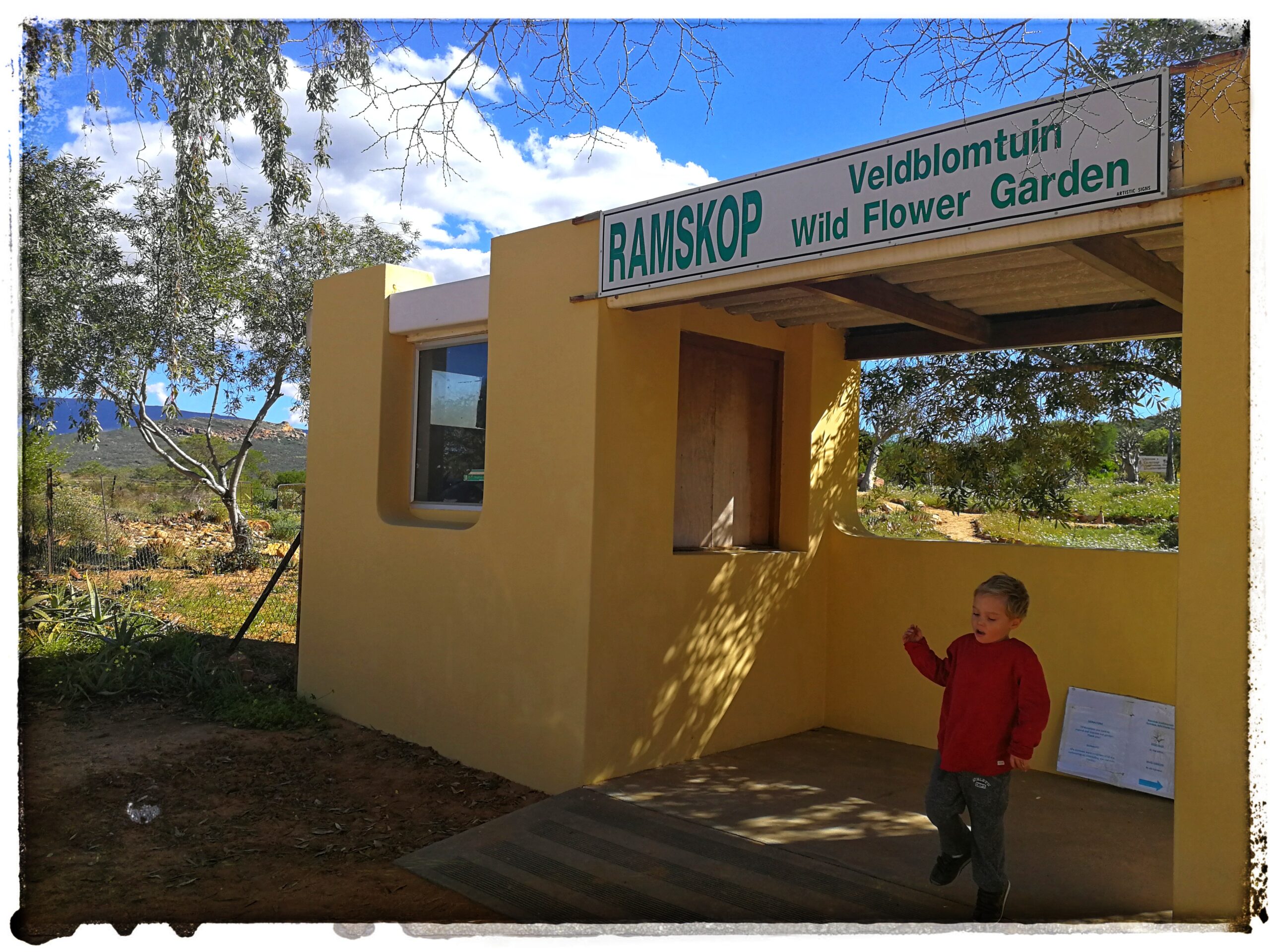
Clanwilliam Botanical Gardens is worth the effort
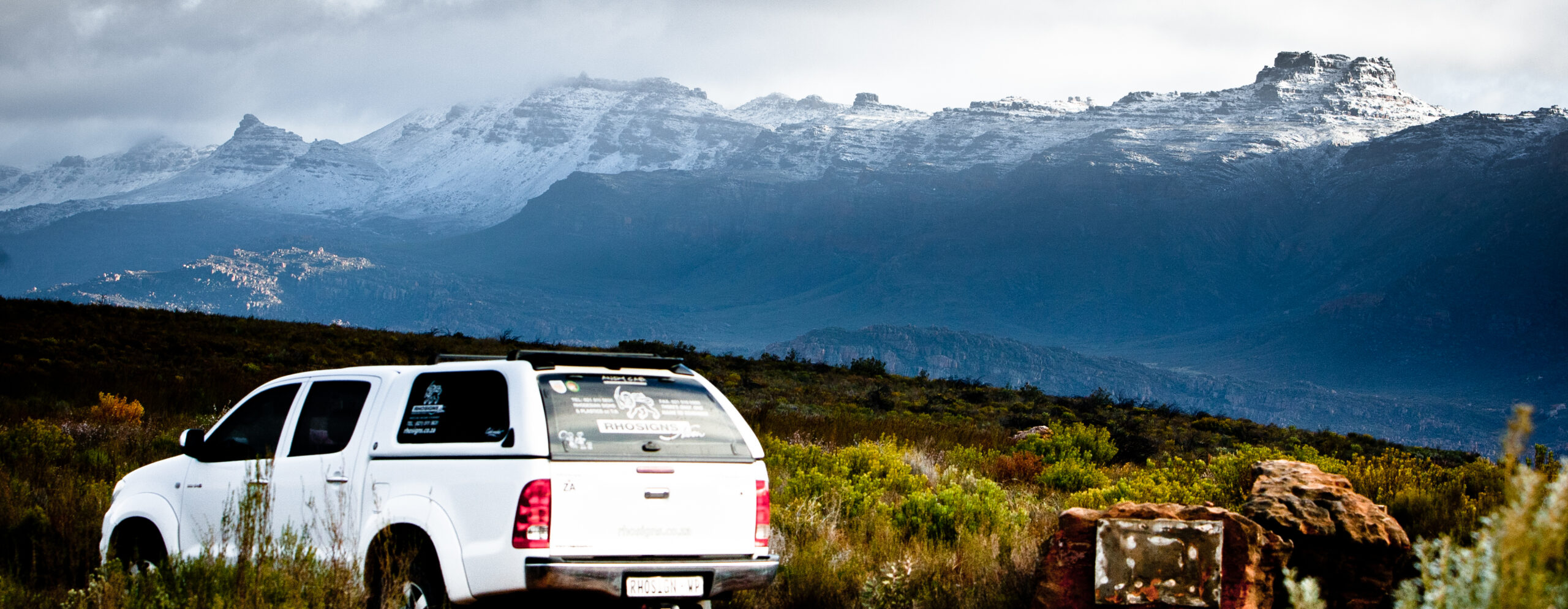
Escape the crowds, standing alone on a mountain summit; the silence is deafening as you soak in distant views:
Mountain Bike:
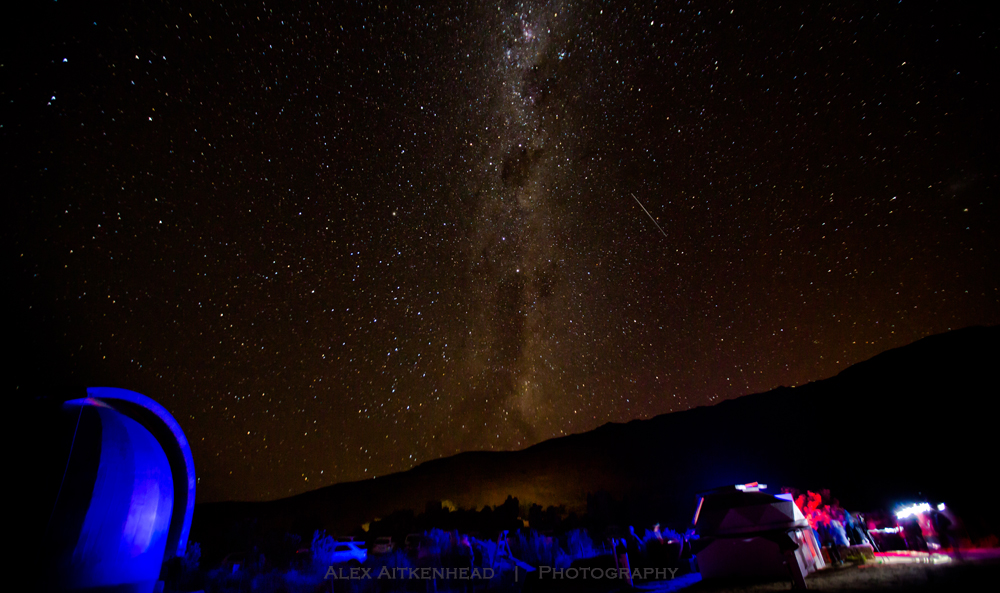
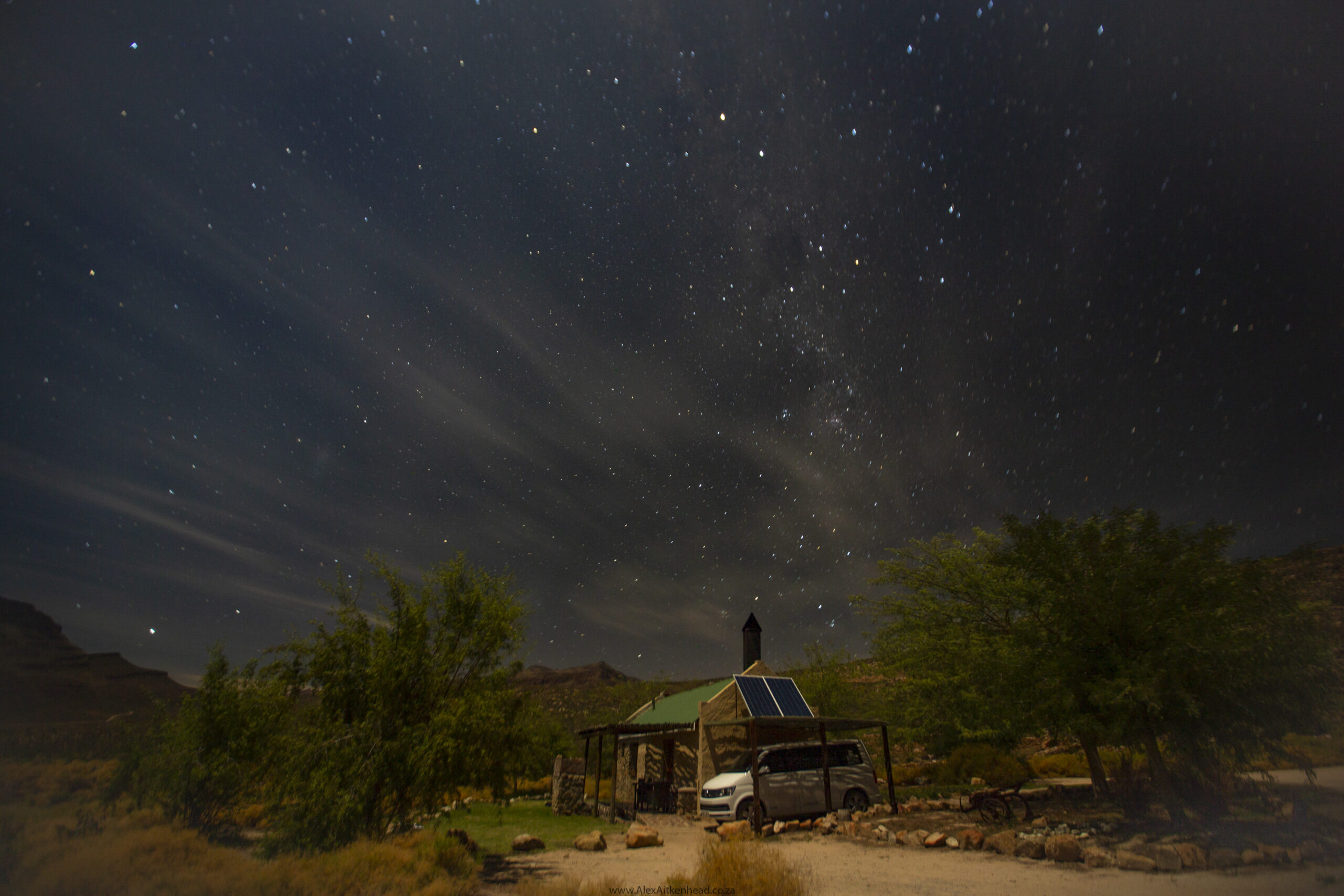
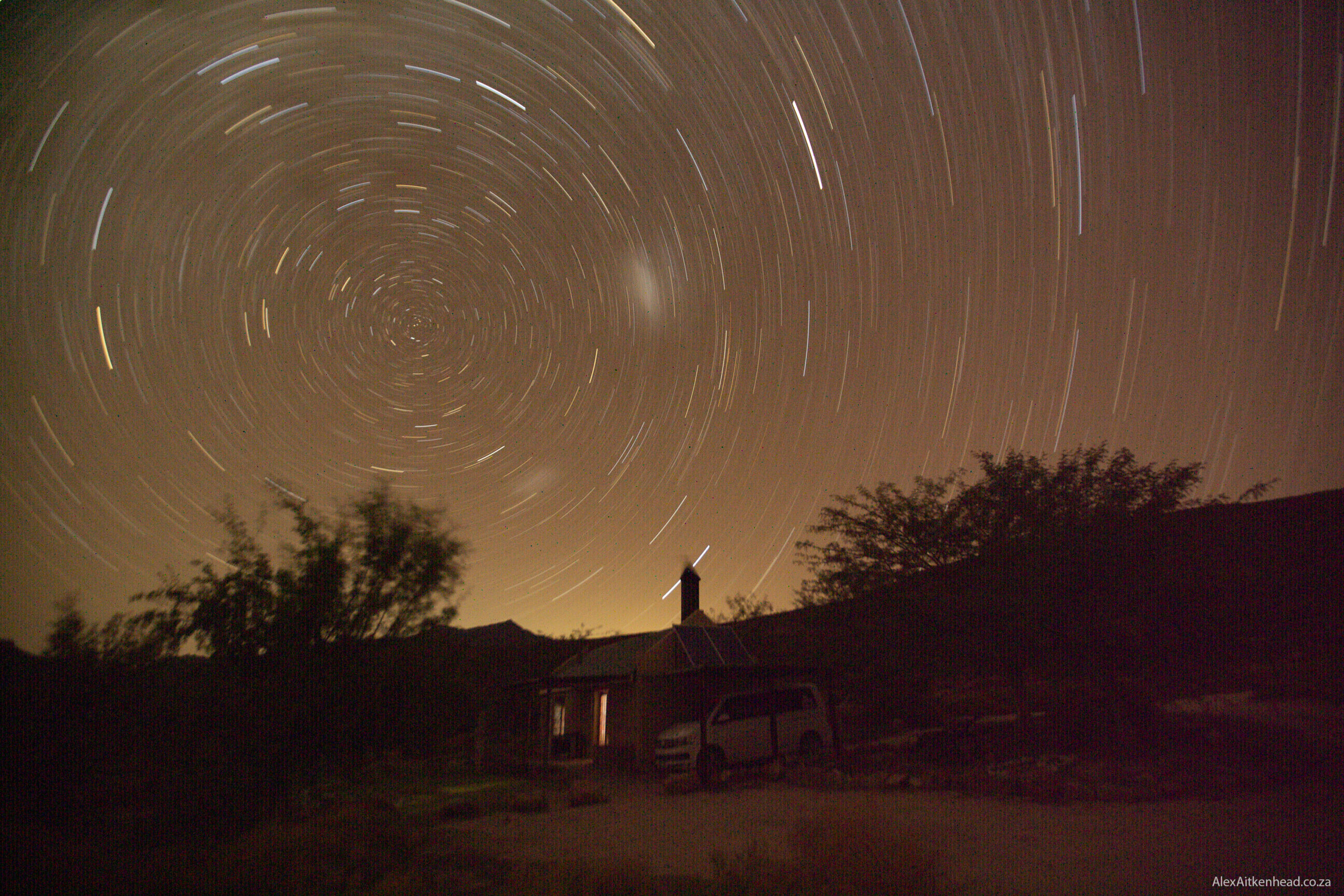
Stargazing with dark, clear skies
Experience nature in its purest form, protected as proclaimed Nature Reserves:
Cape Nature has many nature reserves protecting and maintaining a wilderness area unspoiled by development
Cape Nature runs the Algeria Camping Section
Dark Skies illuminated by millions of stars light up the evening, revealing hidden Constellations in this star-gazing paradise.
A dedicated stargazing night is a must-experience at the Telescope Area near Sanddrift
Experience the warm hospitality from a farming community. Cosy old farm-style cottages paired with traditional farm-style meals:
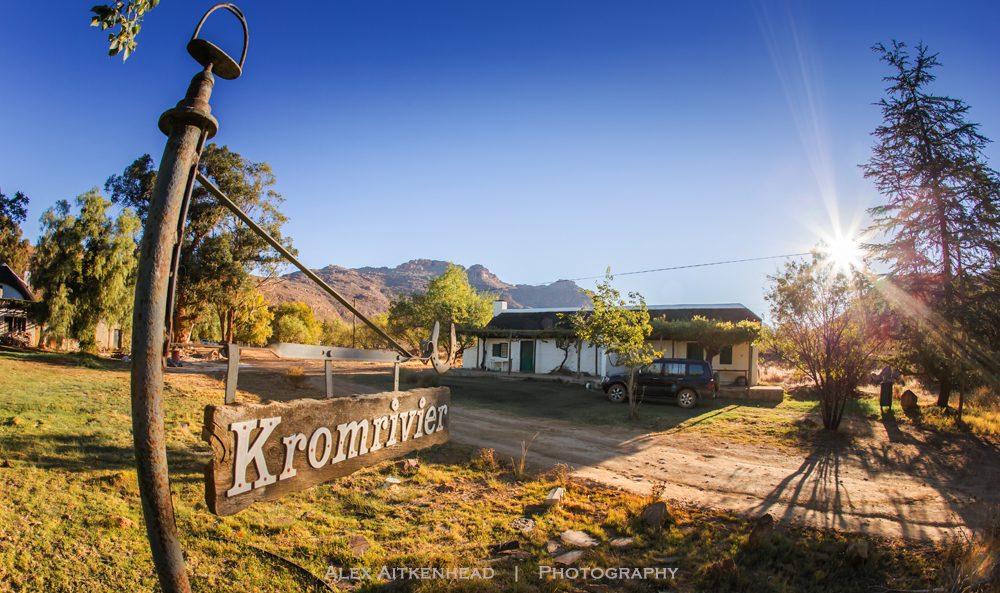
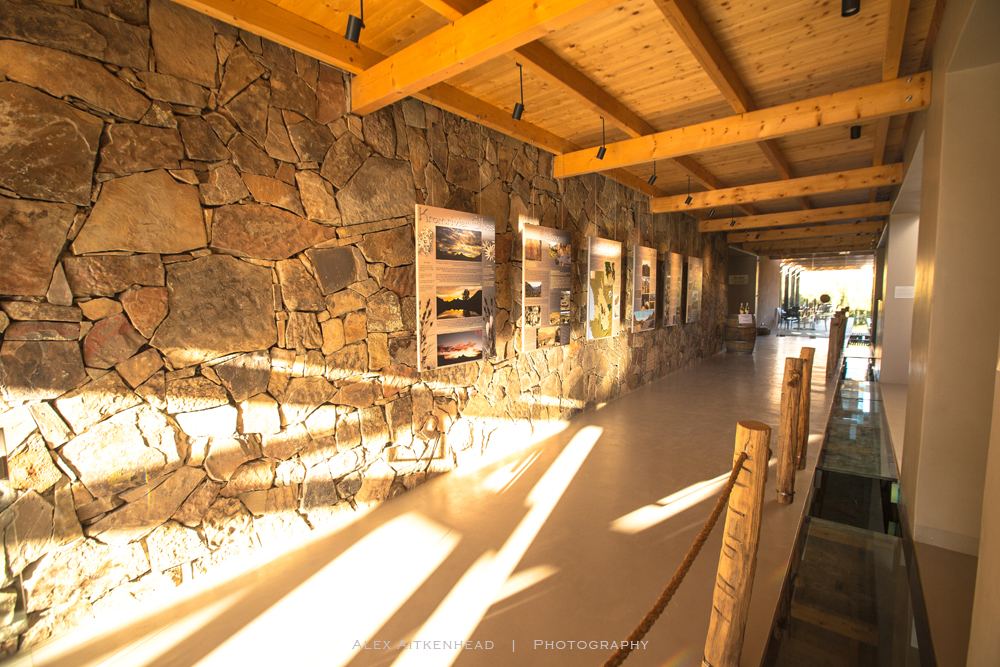
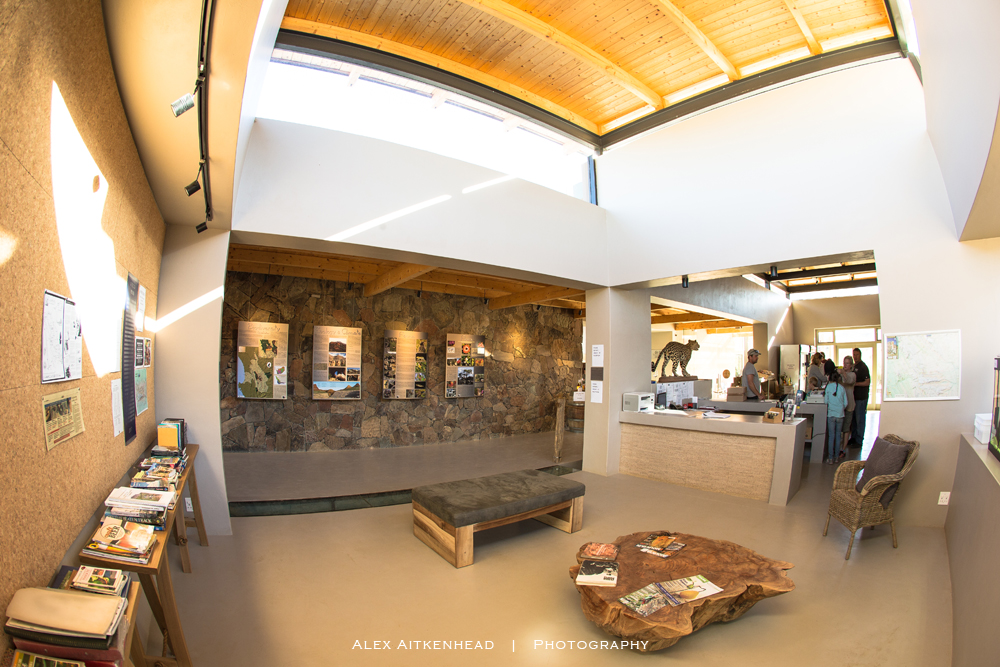
CEDERBERG PARK, Kromrivier accommodation, restaurant, craft beer and some modern chalets
ABOUT CEDERBERG PARK, KROMRIVIER
Where It All Started
Cederberg Park is located on the historic Kromrivier Farm, which was first established in the 1800s. Purchased in 1856 by Gerrit Nieuwoudt of Vogelfontein, the farm was originally solely used for grazing, and accommodation consisted of nothing more than a small dwelling constructed near the spring. It was not long before Gerrit’s son, Ernst Nieuwoudt, developed it into a fully functioning farm, and by 1868 the old farmhouse was finally completed.
The Mountaineers’ Paradise
By the early 1900s, the farm was under the management of Ernst’s grandson – the ever-friendly and sociable Wit Andries Nieuwoudt. It was during this time that Kromrivier became known as the ideal base camp for hiking in the Cederberg, becoming a popular destination for avid mountaineers and adventurers. The hikers were accompanied by porters and pack donkeys. In a journal dated 1928, the Mountain Club of South Africa mentions how the Kromrivier Cave was used as the base camp for exploring uncharted terrain and mapping new hiking routes.
Family Holiday Destination
By the 1960s, the next generation of Nieuwoudts, Andries’ son Rensie and his wife Olive, had taken over the farm. As more and more people visited Cederberg Park, the house became so crowded that they decided to build a campsite and what is known today as the “Farm Cottages”. Even though Olive originally hails from Surrey, England, she instantly fell in love with Rensie and the Cederberg – in fact, she even wrote a book about it, titled “My Cederberg Story”, which is available for purchase at our farm stall.
Achieving New Heights
Cederberg Park’s plans for restoration and upgrade of the facilities started in 2012. Today Kromrivier Farm is the oldest and one of the most popular tourist destinations in the Cederberg region, renowned for its warm hospitality, unrivalled hiking opportunities and breathtaking natural surroundings.

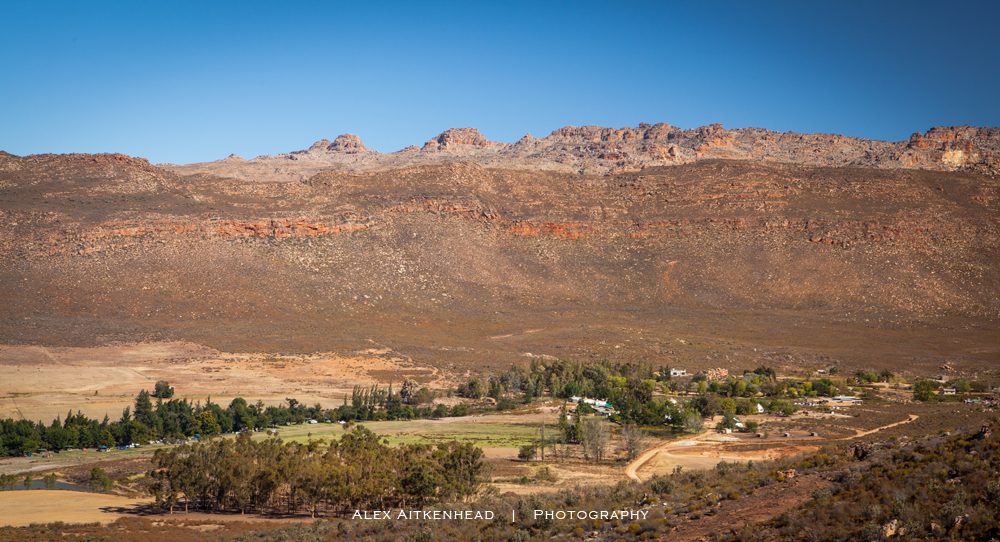
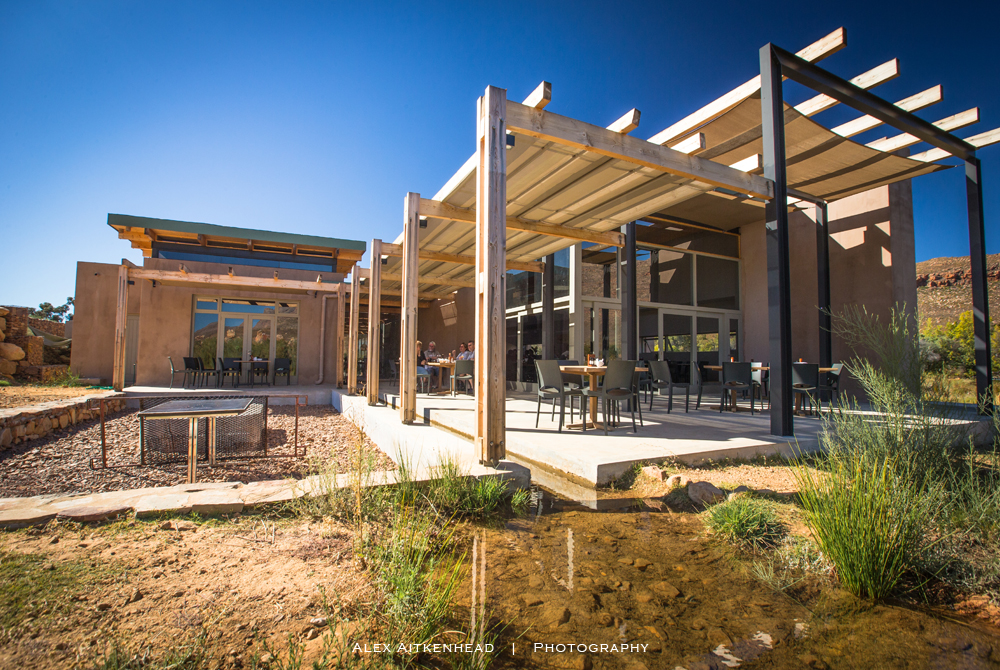
Sanddriff camping and chalets on the riverbank
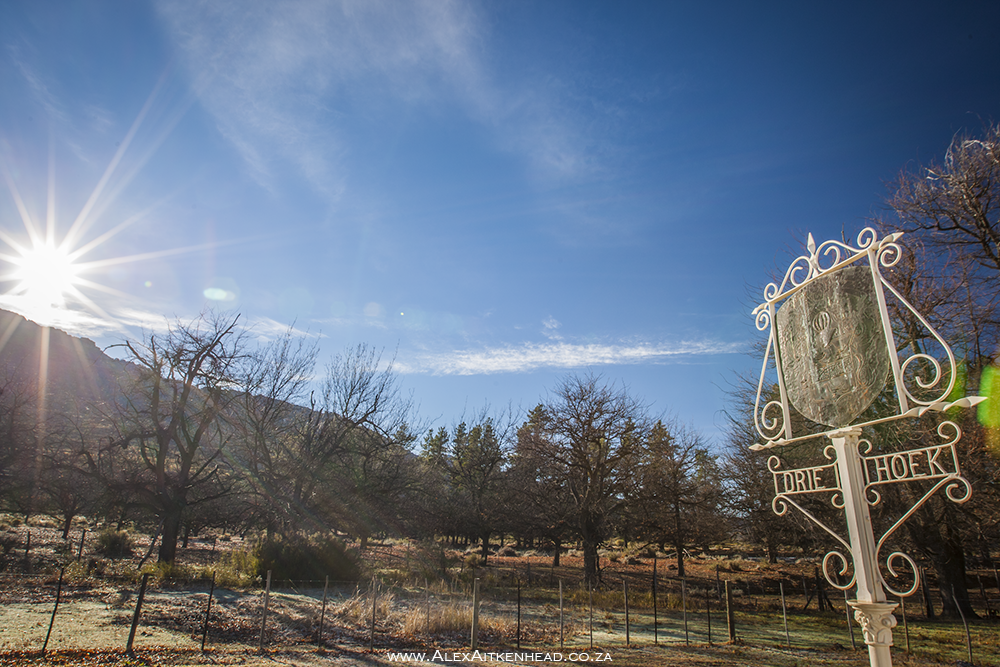
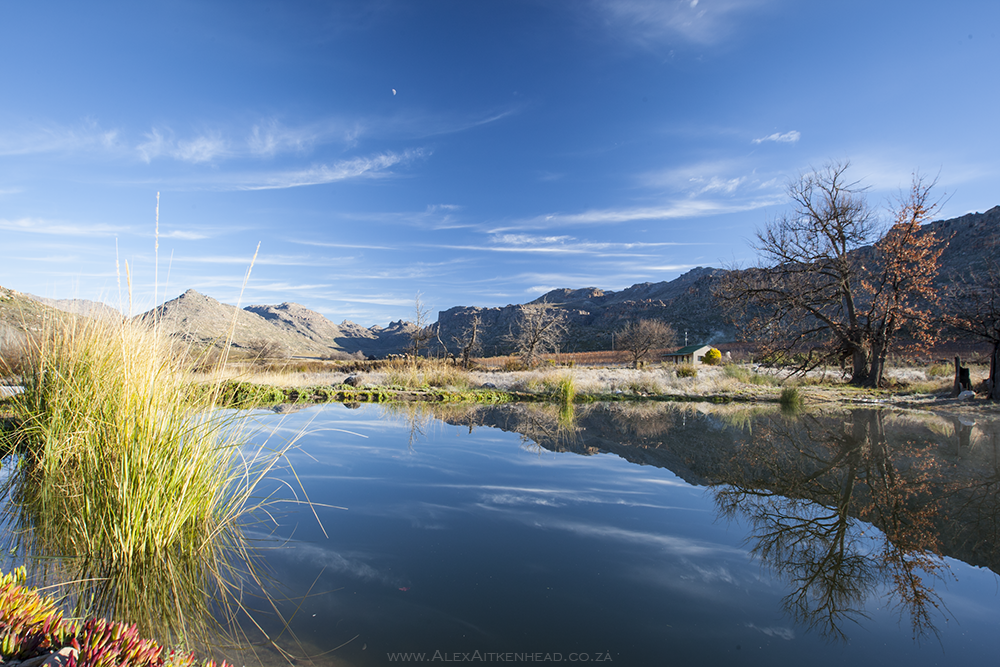
Driehoek
Driehoek is surrounded by magnificent mountains and is ideal as a base for hiking to well-known landmarks such as Wolfberg Arch, Tafelberg, Sneeuberg, the Maltese Cross, Welbedacht and Panorama caves.
This Cederberg Wilderness is divided into three utilisation zones, which helps limit the impact of visitors. There are three blocks of about 24 000 hectares each, and numbers are limited to 50 people per block per day. Groups are limited to a minimum of three and a maximum of 12 people per day. Please book well in advance to avoid disappointment.
Short walks on Driehoek:
Shorter walks are available around the farm area with various natural pools and sights such as a waterfall, old stone leopard cage, Bushman paintings and bird watch points.
Driehoek to:
Waterfall – 1.2km
Old landmark – 1.6km
Bushman paintings – 2.3km
Leopard cage – 1.7km
Bird watch point – 900m
Natural pool – 1.5km
Swimming:
Various natural pools for swimming with water throughout the year.
Mountain Biking:
Various circular routes on the farm and around the area to experience the outdoor environment. Please remember to bring your own mountain bike.
Activities
Bird Watching
Camping Facilities
Day Hikes
Farm Animals
Mountain Biking
Rock Art
Swimming
Trail running
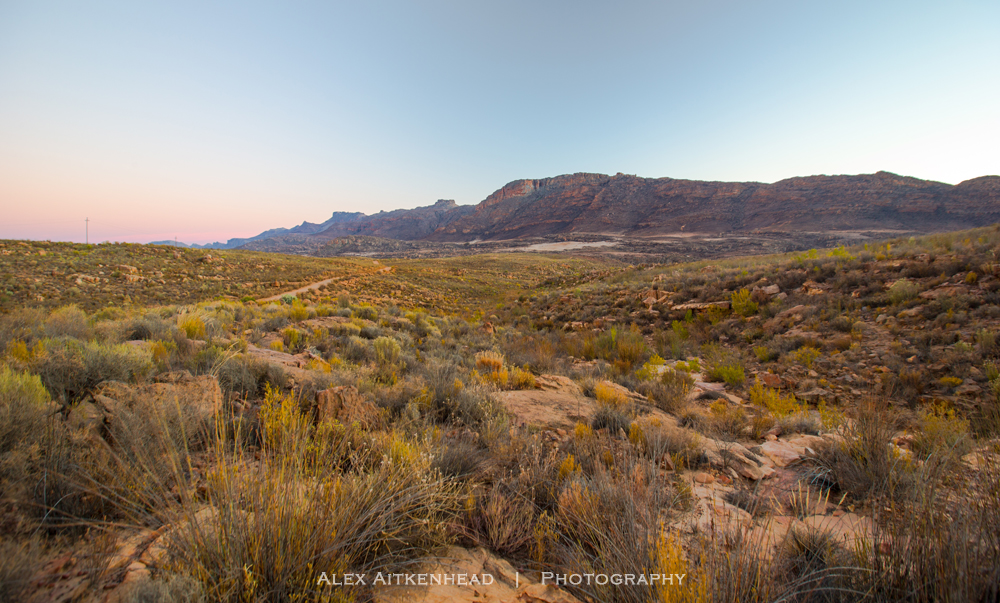
Driehoek is a family-friendly nature resort surrounded by magnificent mountains.
Shorter walks are available around the farm area with various natural pools and sights such as a waterfall, old stone leopard cage, Bushman paintings and bird-watching points. We offer pony rides for the young ones. Riding is done at your own risk. Driehoek is an operating farm where children are able to pet the animals and watch some of the farm activities.
Farm animals include free-ranging chickens, turkeys, a Potbelly pig, sheep, cattle and horses. One of Driehoek’s historical buildings was converted into a therapy room to be used for beauty treatments.
Please book in advance to avoid disappointment.
Accommodation
All the wooden cabins and the camping sites are on or within 30 meters of the river bank.
The Groothuis and Kothuis are situated closer to the mountain.
Attractions
Ideal as a base for hiking to well-known landmarks such as Tafelberg, Sneeuberg, the Maltese Cross, Welbedacht and Panorama Caves, and the Wolfberg Arch.
Situated 15km from Cederberg Cellars, Lot’s Wife and 20km from the Stadsaal Caves
Activities
Driehoek is a family-friendly farm surrounded by magnificent mountains. Shorter walks are available around the farm area with various natural pools and sights such as a waterfall, an old stone leopard cage, bushman paintings and bird watchpoints.
We offer pony rides for the young ones. Riding is done at your own risk. Driehoek is an operating farm where children are able to pet the animals and watch some of the farm activities. Farm animals include free-ranging chickens, turkeys, a Potbelly pig, sheep, cattle and horses. Please book in advance to avoid disappointment.
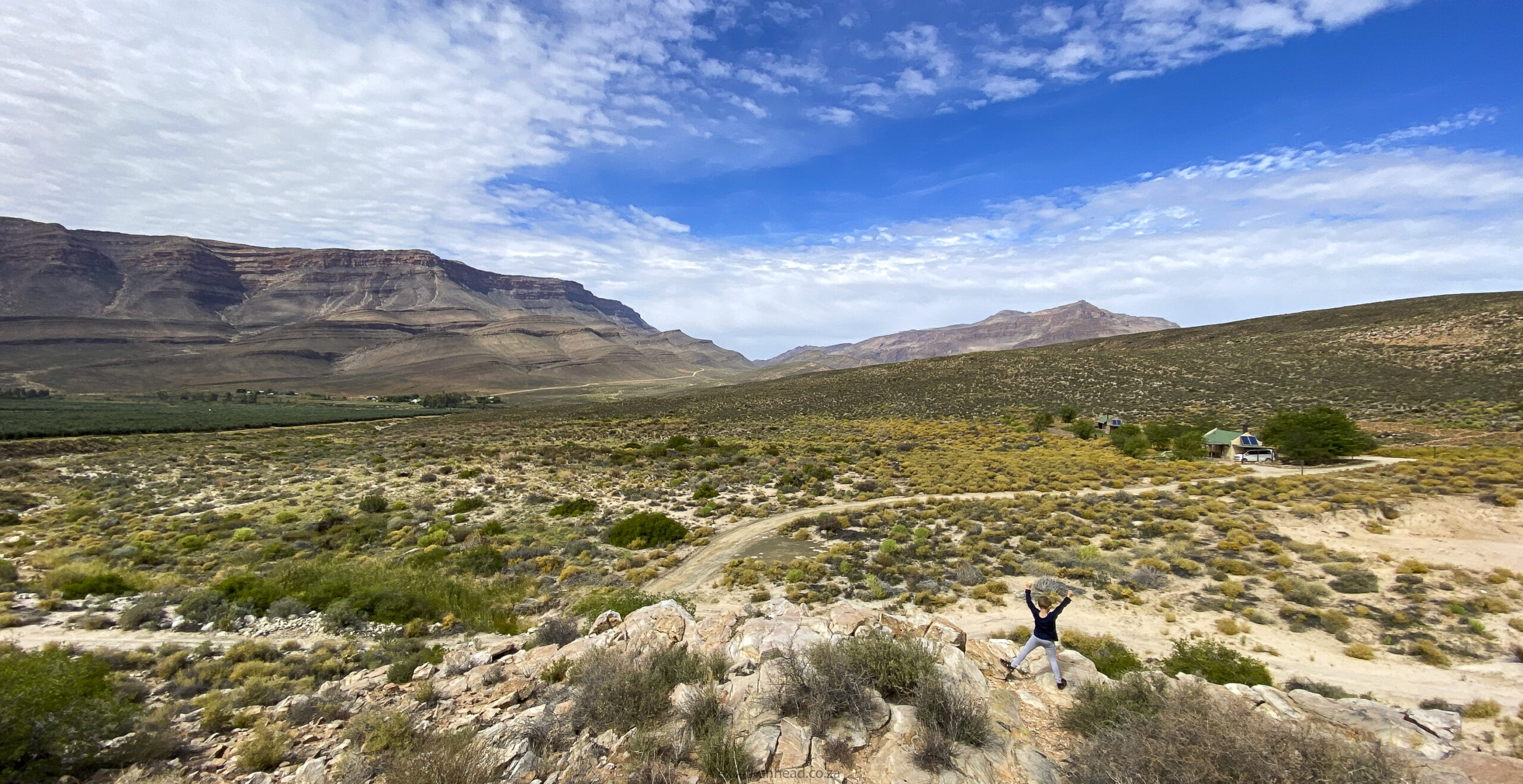
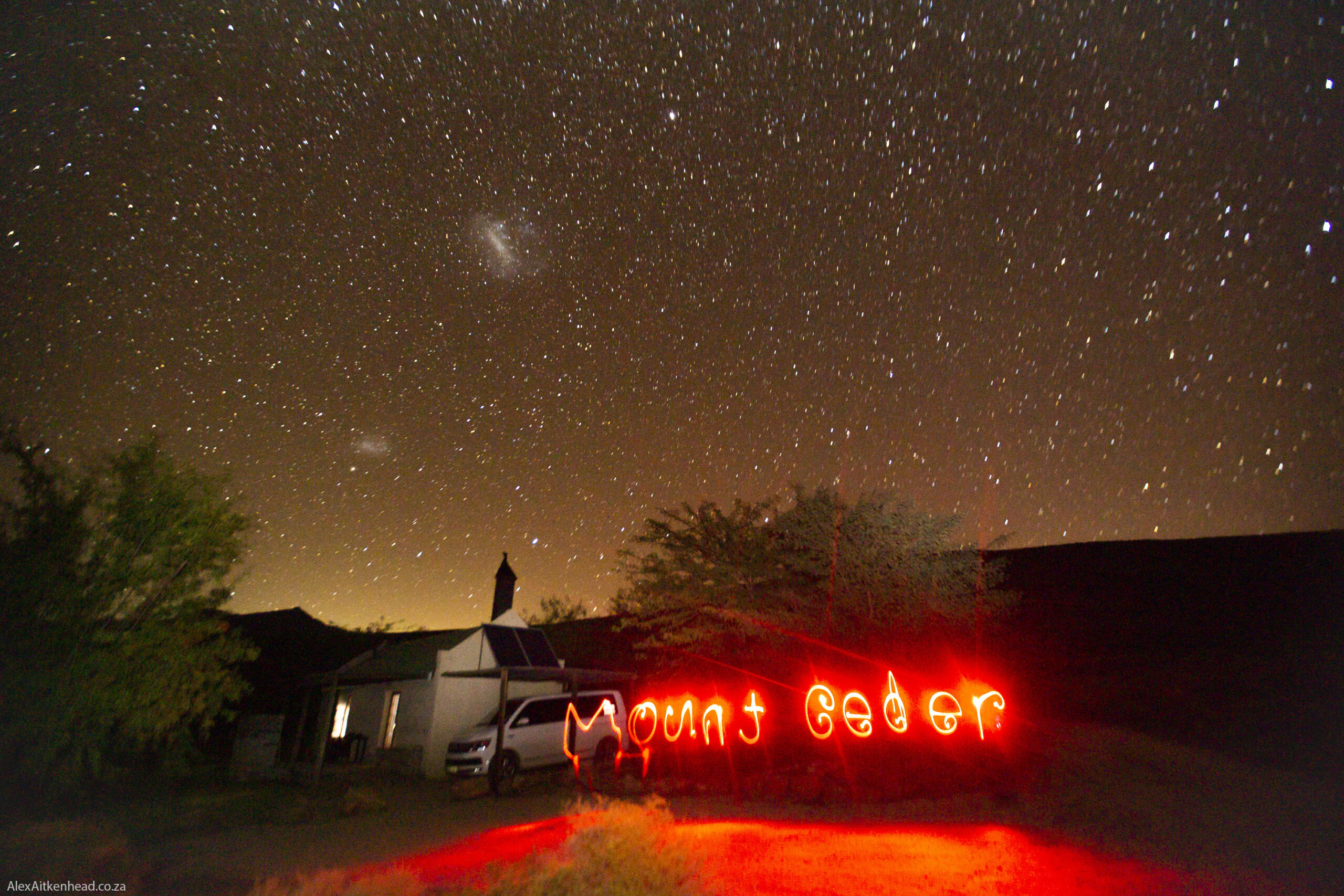
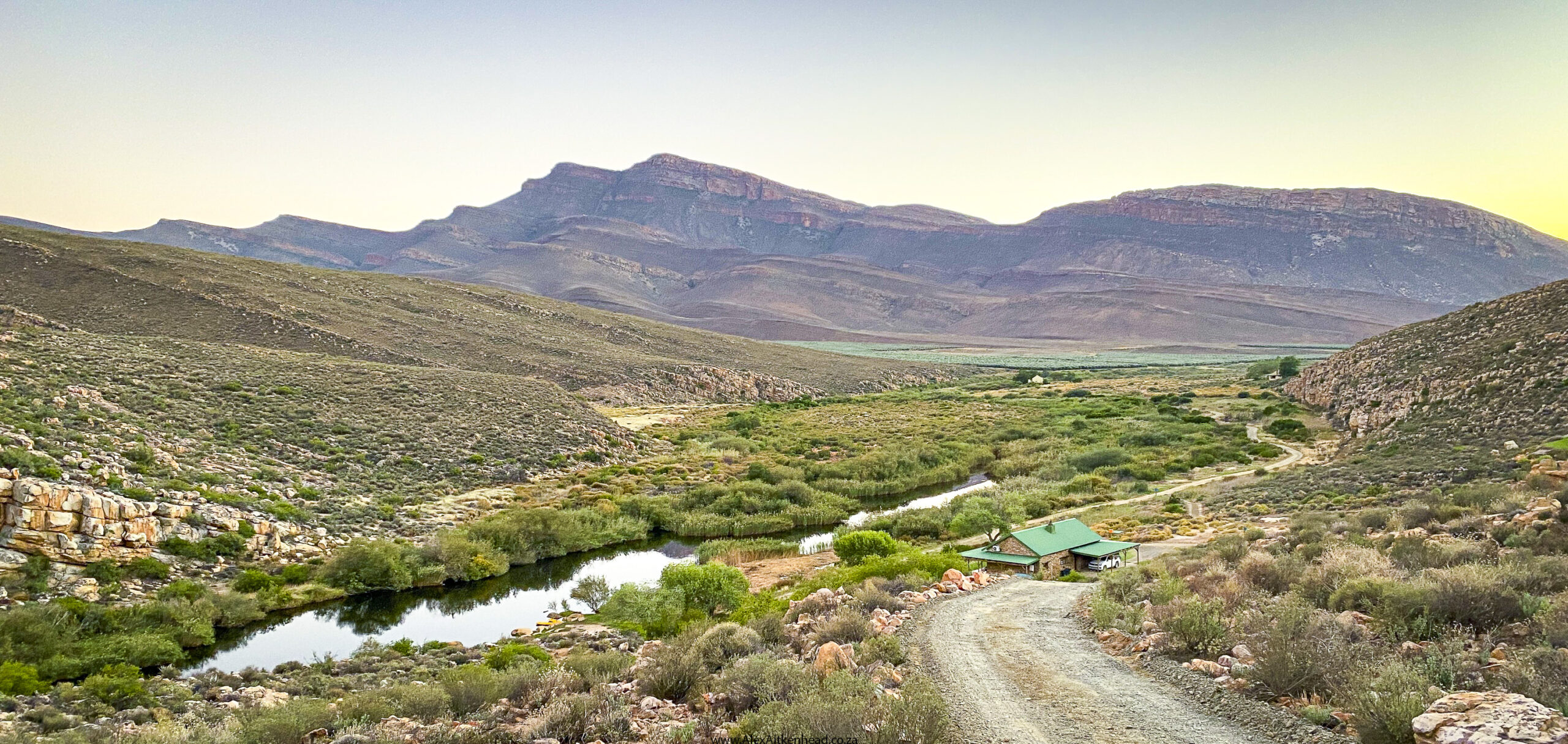
Mount Ceder
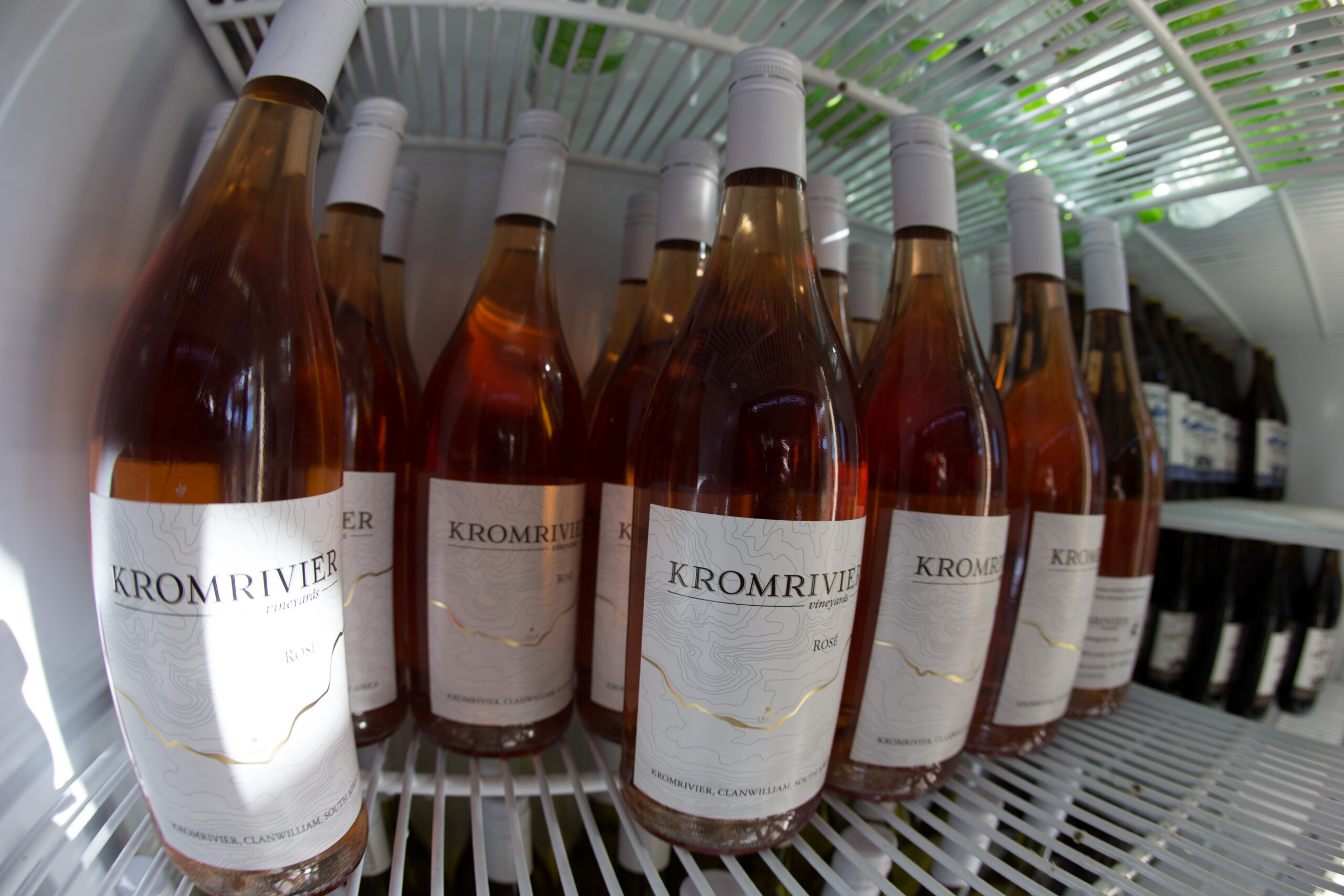
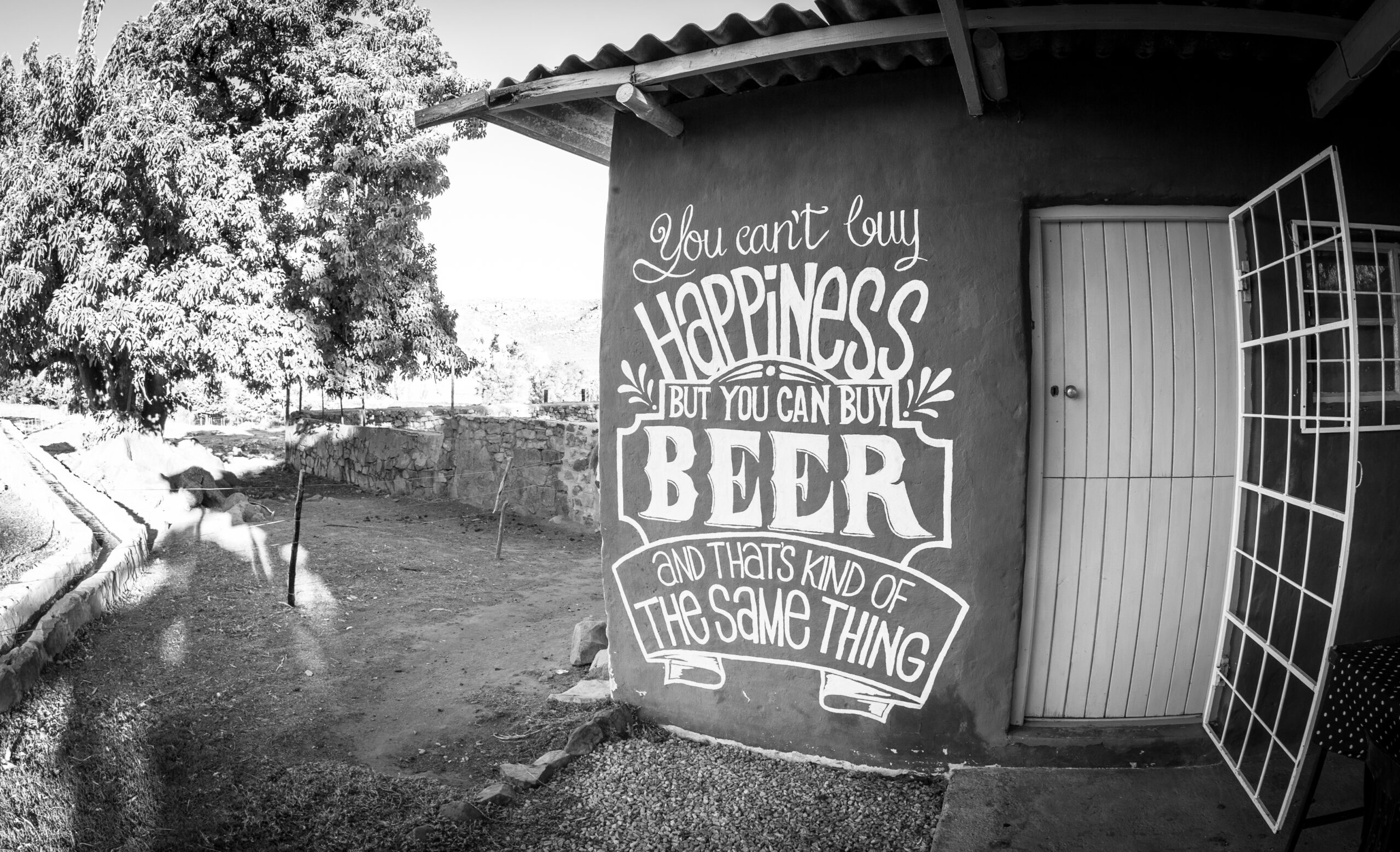
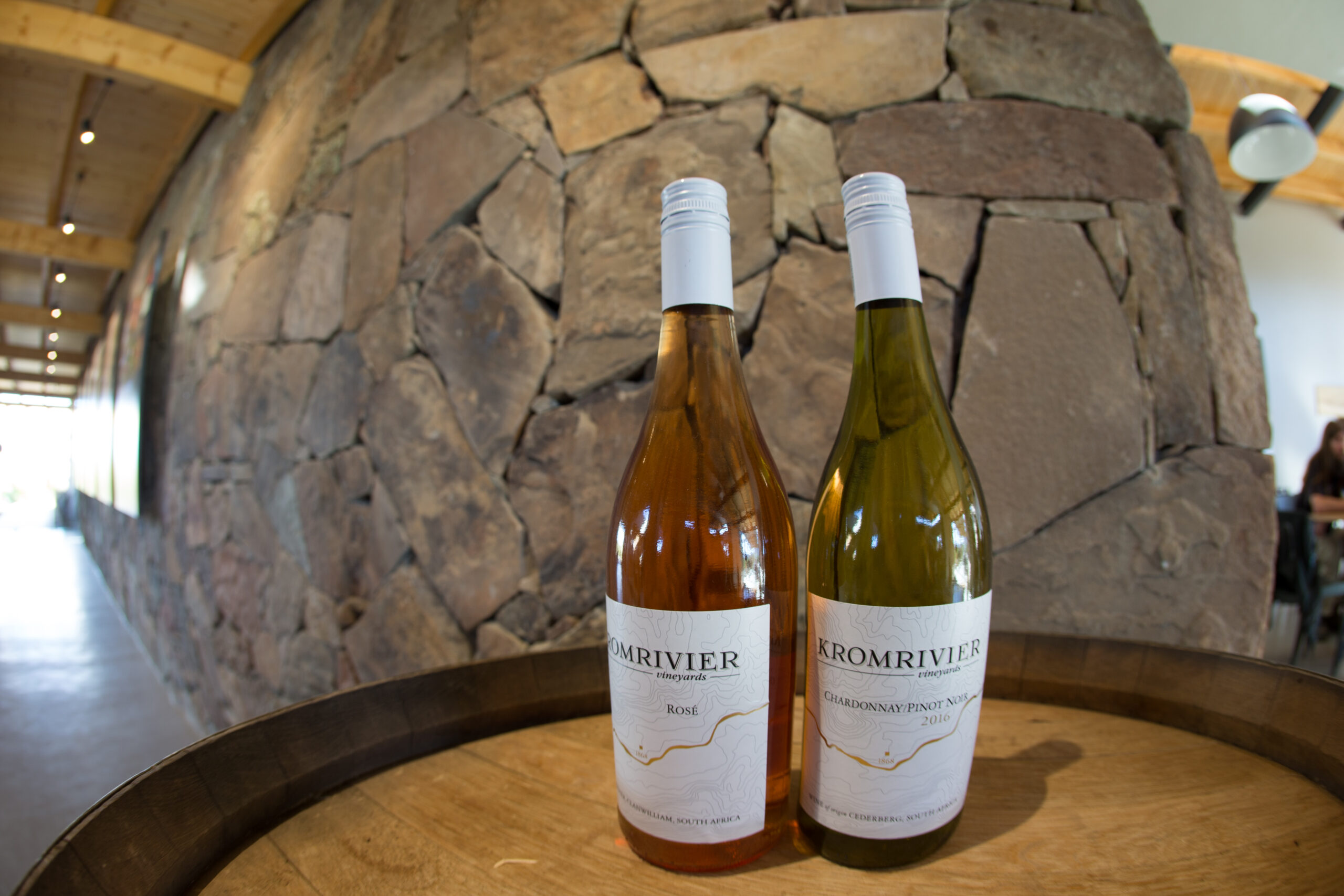
Wine tasting at Cederberg Wines or Kromrivier and Cederberg Wines
Cederberg, Wolfberg Arch, Wolfberg Cracks, Driehiek, Kromrivier, Sanddrif, Secret Cederberg, Mount Ceder, Truitjieskraal, Saalmanlagte, Savilla Rock Art Trail, Rocklands, Travellers Rest, Rock Climbing, San Rock Art, Maltese Cross, Dwars Revier, Groot Revier, Sanstone Rock Formations, Star Gazing, Cederberg Wilderness, Cape Nature Cederberg, Algeria
Cederberg wines … from the chapter ‘Some Myths, Some Truths’ in ‘Cederberg – the book’.
Truth—a remarkable success story
Dwarsrivier Farm is the home of Cederberg Wines, with 74 ha of the highest vineyards in the Western Cape. It’s an extraordinary story, with Oom Pollie Nieuwoudt producing prize-winning red wines as early as 1977. Oom Pollie and Oom Flippie Nieuwoudt managed the farm until 1997, when Pollie’s eldest son Ernst became the pioneering viticulturalist. Ernst’s son – and Pollie’s grandson – David — the fifth generation Nieuwoudt on Dwarsrivier, took over that year.
The farm now produces a range of fine wines, as well as artisanal or craft beers. It’s an extraordinary story from one of the best-managed farms in the Cederberg, which is of course also famous for its holiday accommodation at Sanddrif. All the wines and beers are available online from the farm, too.
Travellers Rest
FARM HISTORY
In this area with its long and rich history, Dr Frikkie Strauss and family ran a farm with cattle, sheep, rooibos tea and sutherlandia (kankerbos). The latter is in great demand due to its unique medicinal qualities.
The name, Traveller’s Rest, emanated from passing travellers who used to span out here next to the river to give water to their horses and oxen, as well as to rest, before tackling the very steep Pakhuis Pass to the West, or the dry Karoo to the North-East. This was long before the self-catering cottages and restaurant were built.
Cederberg Oasis
The best place to get away from it all.
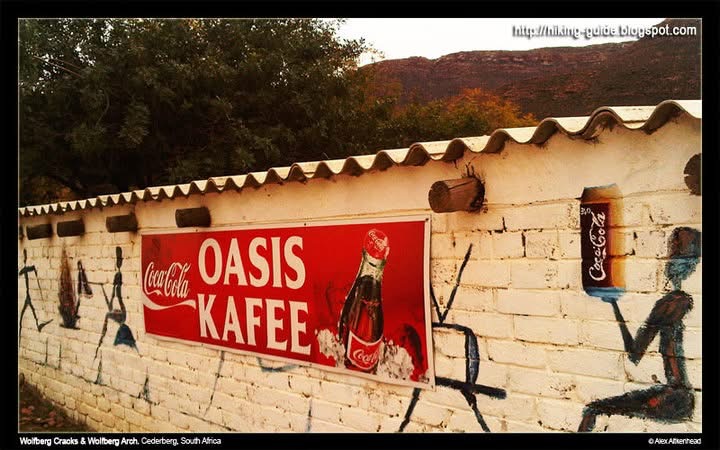
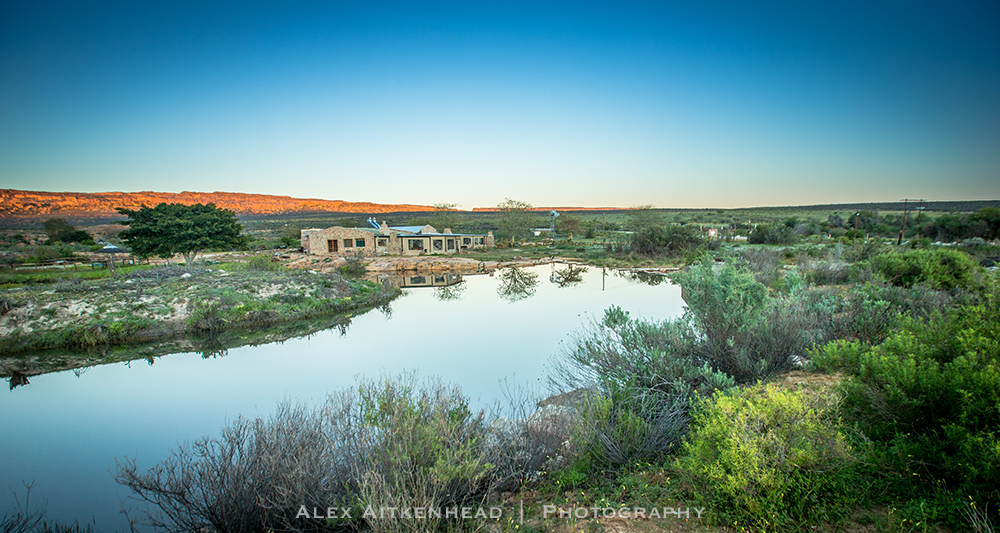
For over 20 years, Cederberg Oasis has been the home away from home for so many people who just want to get away from busy city life. Situated in the heart of the Cederberg Mountains along a dusty road, it is truly an off-the-beaten-path destination.
With that said, keep in mind this is not the Ritz; this is a “back to basics” getaway with the most amazing vibe you will ever find. Best described as visiting family or long-lost friends, even if you’ve never been there before.
What to know.
There are great trails for Hiking and Cycling, stargazing at night, or just relaxing in the pool.
Hot, sunny days throughout summer and mild, often sunny days in winter.
Amazing food and a well-stocked bar for those who just want to relax.
Wifi included in stay with camp-wide coverage.
Some sights to see.
Some famous attractions include
Stadsaal Caves & Rock Art
Truitjieskraal
Wolfberg Arch
Cederberg Observatory
Luna & Apollo Peak
Matjiesrivier Nature Reserve
Lot’s Wife
Any questions?
Feel free to contact us.
Phone: +27 87 550 1360
Email: info@cederbergoasis.co.za
HIKING, CYCLING & SIGHTSEEING
The Cederberg is a unique and breathtakingly beautiful area, filled with interesting fauna and flora that are sure to captivate nature enthusiasts of all levels.
One of the best ways to experience the Cederberg is through sightseeing, where you can explore the area’s natural beauty at your own pace. From the rugged rock formations and towering cliffs to the lush valleys and crystal-clear streams, there’s no shortage of breathtaking scenery to admire.
The Cederberg is home to a variety of plant and animal species that are found nowhere else in the world. Keep an eye out for the Cape mountain zebra, klipspringer, and rock hyrax, as well as an array of bird species, including the striking Verreaux’s eagle. There are also several fascinating plant species to be discovered, such as the rare snow protea, found only in this region.
We encourage all visitors to leave the area as they found it, and to be mindful of the environment. The Cederberg is a precious ecosystem, and we are committed to preserving it for future generations to enjoy.
While sightseeing in the Cederberg, it’s important to be aware of the presence of snakes in the area. While encounters are rare, it’s always best to stay on designated paths and keep an eye out for any signs of snakes.
After a day of exploring, there’s no better place to unwind than at our restaurant and farm stall. Enjoy a delicious meal made with fresh local ingredients, and browse our selection of drinks, books, and souvenirs. Our friendly staff are always on hand to help you plan your next adventure in the Cederberg.
Come and discover the magic of sightseeing in the Cederberg with Traveller’s Rest as your guide. We guarantee that you’ll leave feeling rejuvenated, inspired, and in awe of the incredible natural beauty that surrounds us.
BOULDERING IN THE CEDERBERG
Welcome to Traveller’s Rest, your gateway to experiencing the unique and awe-inspiring bouldering opportunities in the Cederberg, South Africa. Renowned as one of the world’s top bouldering destinations, the Cederberg offers a one-of-a-kind experience for climbers of all levels.
What makes the Cederberg so special for bouldering is the abundance of sandstone boulders scattered across the landscape, offering unparalleled diversity in climbs. The rock formations and boulder problems are some of the most unique and spectacular you will find anywhere in the world.
Traveller’s Rest is the perfect base for your bouldering adventure, offering a range of accommodation options to suit your needs. From cosy cottages and huts to backpacker accommodation, you’ll find everything you need to make your stay comfortable and enjoyable.
Rocklands is found in the Cederberg mountains 250km/3 hours north of Cape Town. It is a very beautiful area in a semi-desert setting, very isolated and very safe. Rocklands is undoubtedly famous for its world-class bouldering, but this should not deter you from sampling the fine sport climbing. There is a large variety of quality climbing of all grades in both bouldering and sport climbing.
All the sport routes are single pitch, and you will have to do a small amount of walking to get to the different areas. Most of the original climbing is situated on CapeNature land and thus day or week permits must be obtained.
During the bouldering season, we extend our restaurant hours to ensure that you can make the most of the daylight hours for climbing while still enjoying delicious and hearty dinners. Our restaurant is the perfect place to unwind and socialise with other climbers after a long day on the rocks.
Booking your accommodation at Traveller’s Rest is essential during the bouldering season, as the Cederberg is a popular destination for climbers from all over the world. Our friendly and knowledgeable staff are always available to help you plan your trip, whether you’re a seasoned pro or a beginner.
Come and experience the magic of bouldering in the Cederberg with Traveller’s Rest as your home base. We guarantee that you’ll have an unforgettable adventure that will leave you wanting more. Book your accommodation now to ensure that you don’t miss out on this incredible experience.
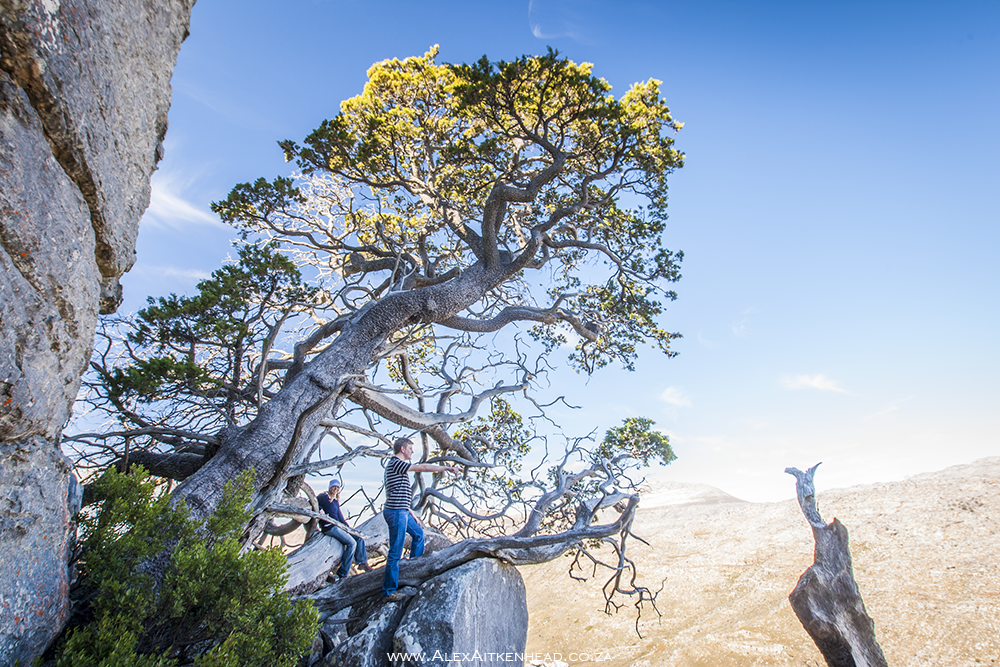
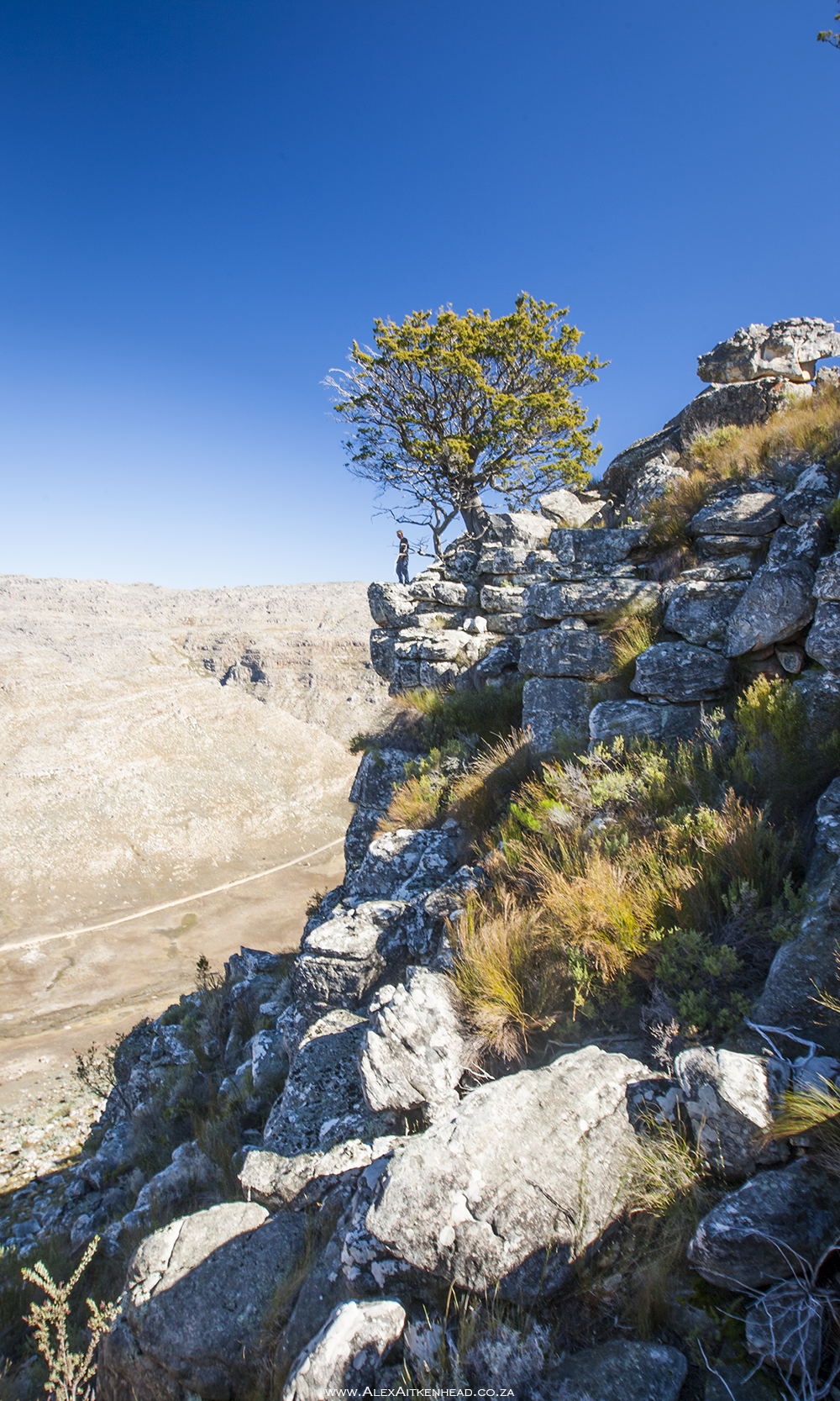
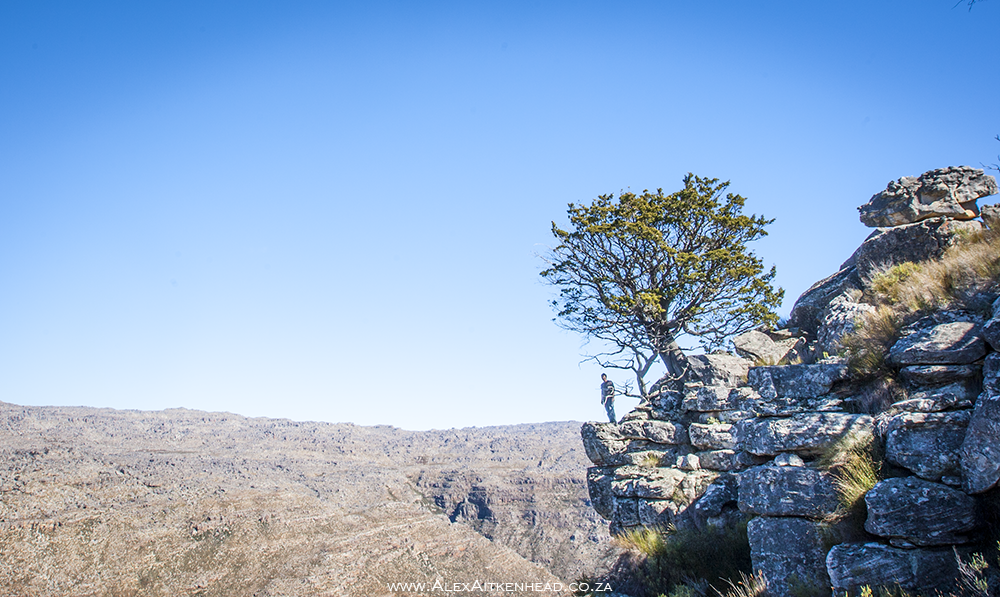
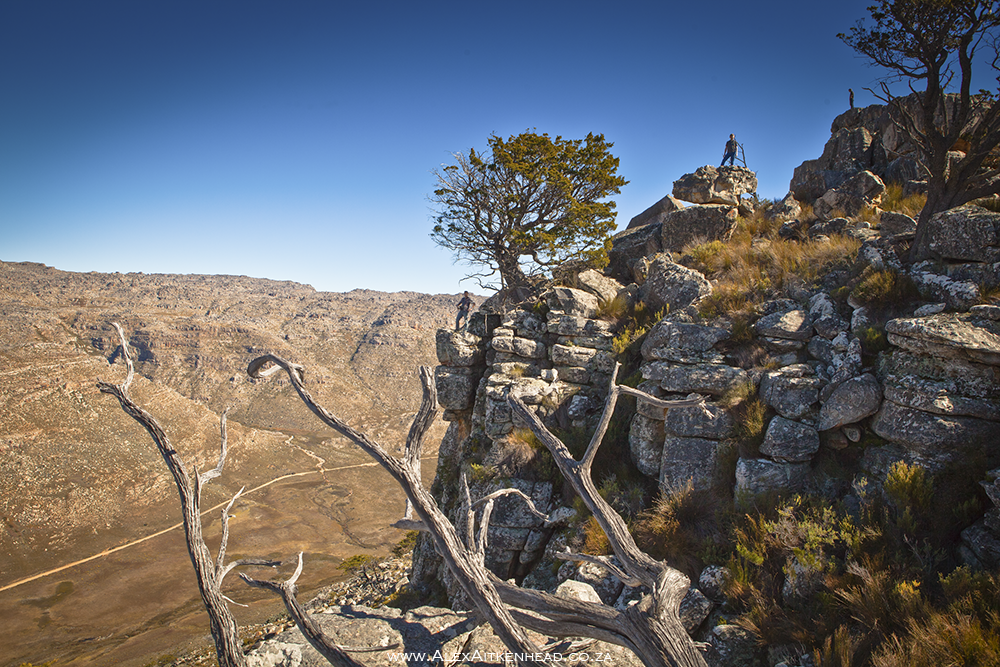
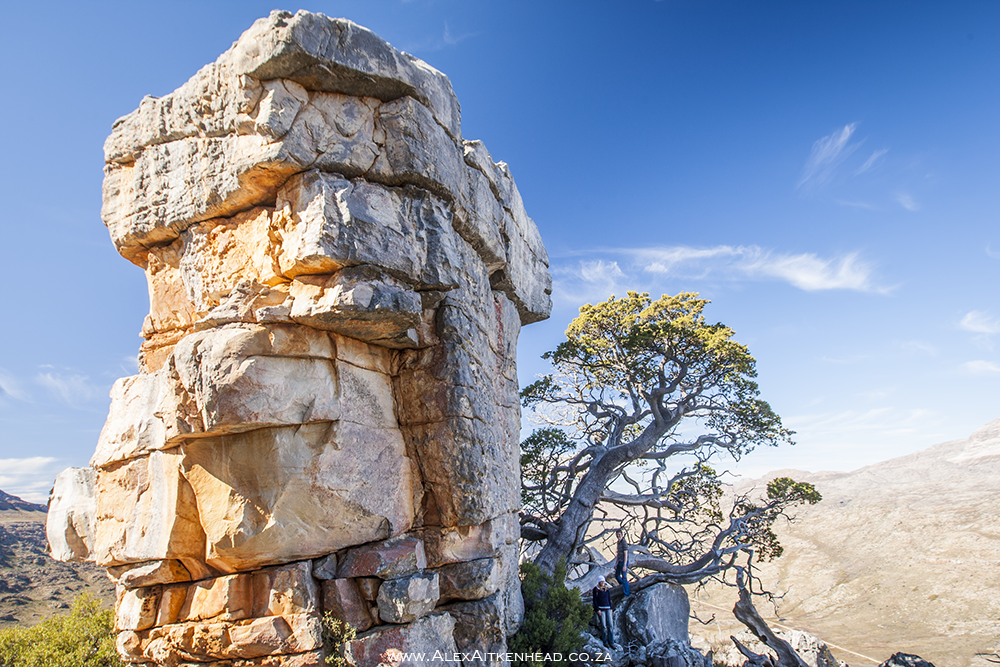
Hug a Ceder tree, climb to the top of most of the mountains and search for twisted old Ceder Trees:
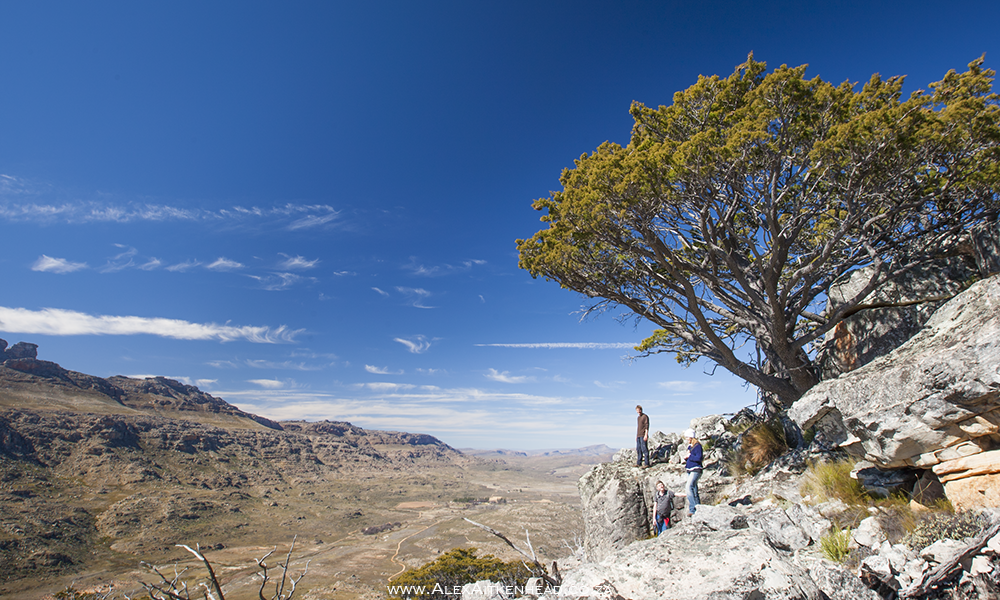
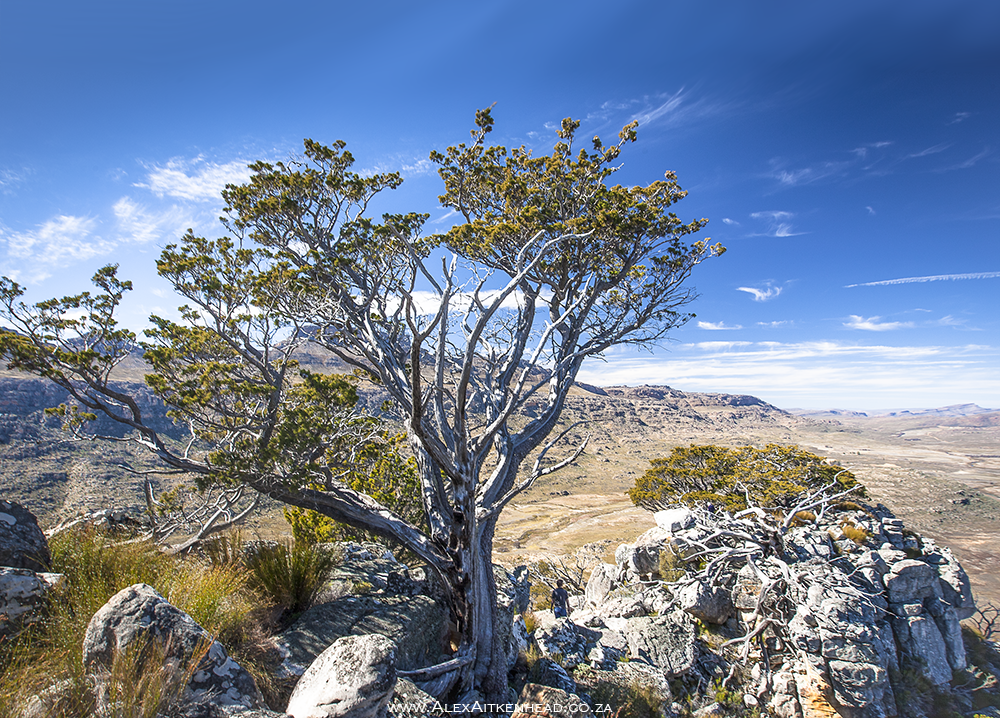

Sustainable Ceder:
Who we are
Established in 2023, Sustainable Ceder is a registered Non-Profit Organisation, composed of a team of passionate conservation-oriented people living and working in the heart of the Cederberg to save its natural habitats and species. With the main focus on the critically endangered Clanwilliam cedar, Sustainable Ceder is committed to conserving and revitalising the population for the benefit of the ecosystem and all who live and visit the Cederberg.
We also believe that to accomplish our vision, we must work closely with the organisations, businesses, and community members of the Cederberg. Together we can make a difference for the current and future generations
Contact
We would love to hear from you; please fill in the contact form below and our team will respond shortly.
Alternatively, contact us directly through the details below:
Email: contact@sustainableceder.org
Tel: +27 (0)82 292 9031
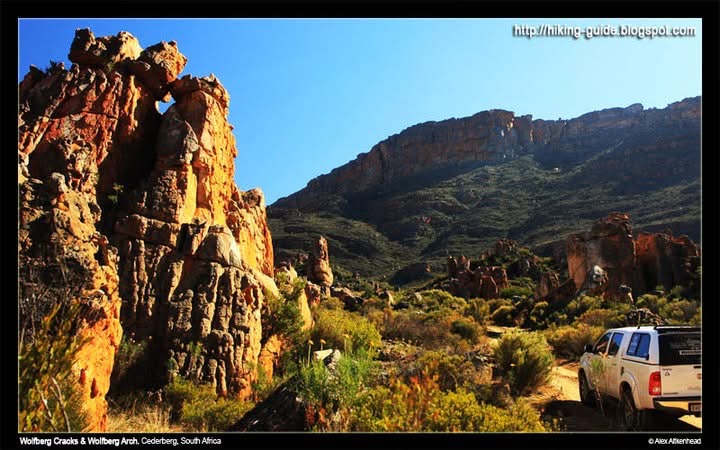
World-Class Bouldering: Climb and boulder on world-famous sandstone at Rocklands, a global hub for the sport.
Bouldering
In just a few years, the bouldering at Rocklands, near the Pakhuis Pass in the Northern Cederberg, has achieved world-class status, and every year top international boulderers visit and revisit this bouldering mecca. With upwards of 1500 developed ‘problems’ to test you, the Cederberg offers a bouldering experience that will bring you back again and again. Visitors from around the world test their skills on our unique rock formations during the bouldering season, which generally lasts from May to August (South Africa’s winter period) when the days are cooler, and you can happily spend several hours in the sun.
Bouldering is a form of rock climbing without climbing aids and generally limited to a height of less than 8 metres. Bouldering ‘problems’ offer a mental and physical challenge that requires strength, power and focus to complete successfully. A bouldering crash pad and spotters (fellow climbers who can support a fall) are essential to minimise the impact of any fall. Being in the Southern Hemisphere, the Cederberg offers the ideal bouldering environment when other world-class sites become too warm to climb. The dry, sunny winter climate of the Cederberg guarantees many bouldering days.
There’s affordable accommodation and two camping sites close to Rocklands. The nearest town, Clanwilliam, is only 15 to 20 minutes’ drive from Pakhuis Pass (main access point for Rocklands). Many of the privately owned farms in the area have developed bouldering areas on their land as well, including De Pakhuys, Alpha Farm and Traveller’s Rest so that you can boulder close to your ‘home’.
Camping along the Rivers, swimming in clear rock pools, fishing the rapids or taking a gentle canoe down gentle streams; donkey cart tours; Moravian churches; Secret Cederberg will surprise you with hidden gems that will leave you wanting to return for more.
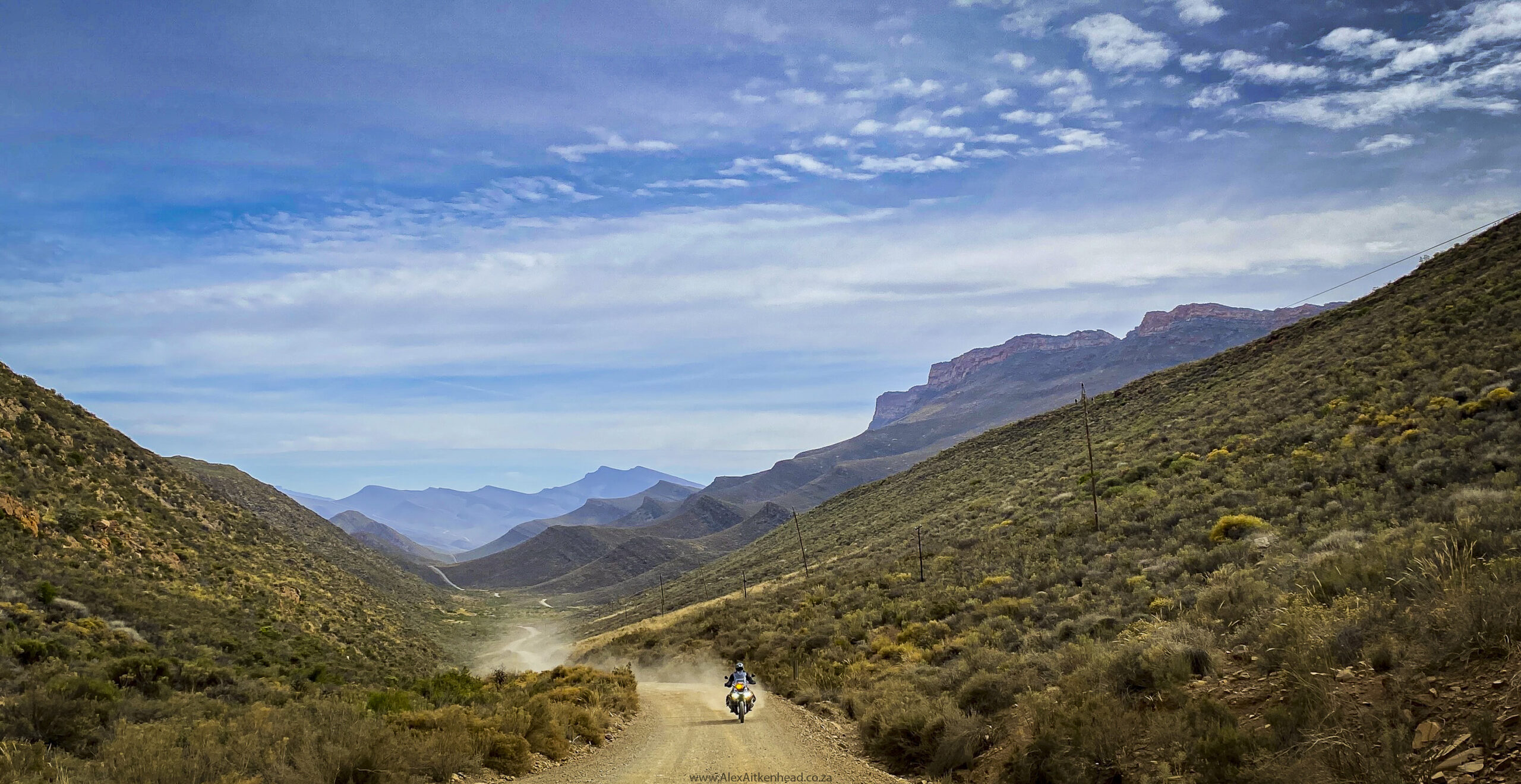
Well, that’s how we found it, and this is why we always return to our Happy place in the mountains far, far away from civilisation.
Hopefully you will also find this magical wilderness experience and return for more.
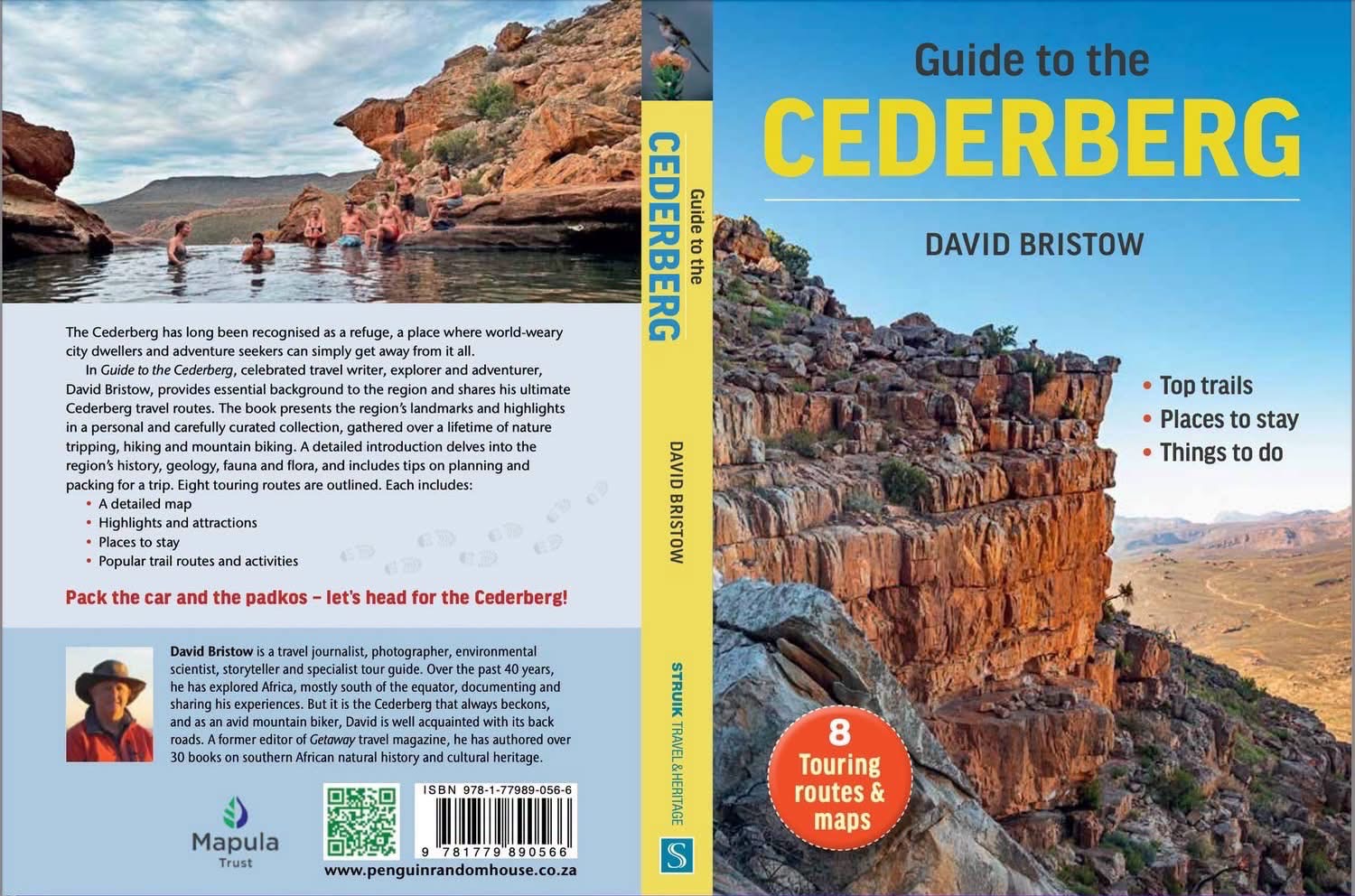
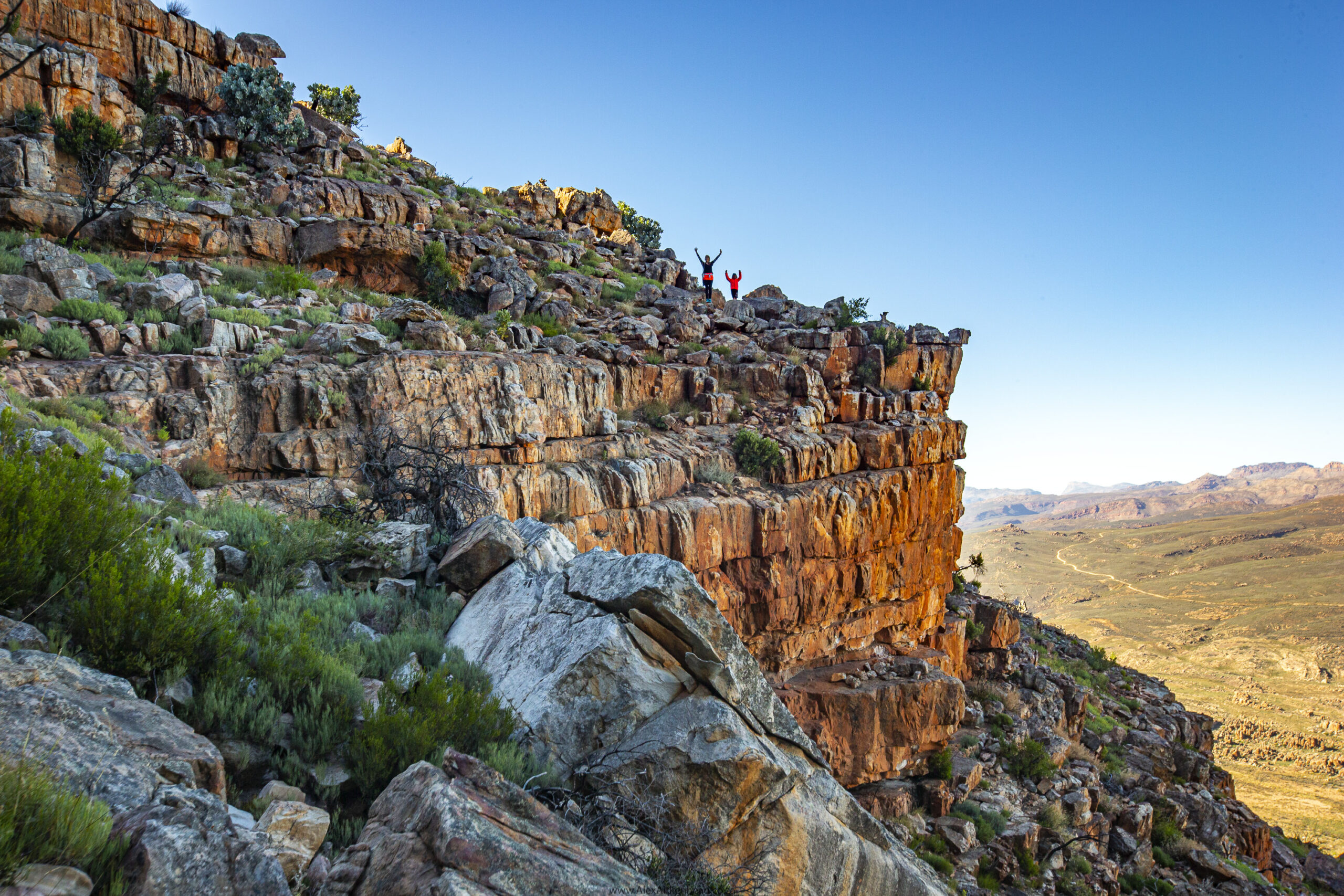
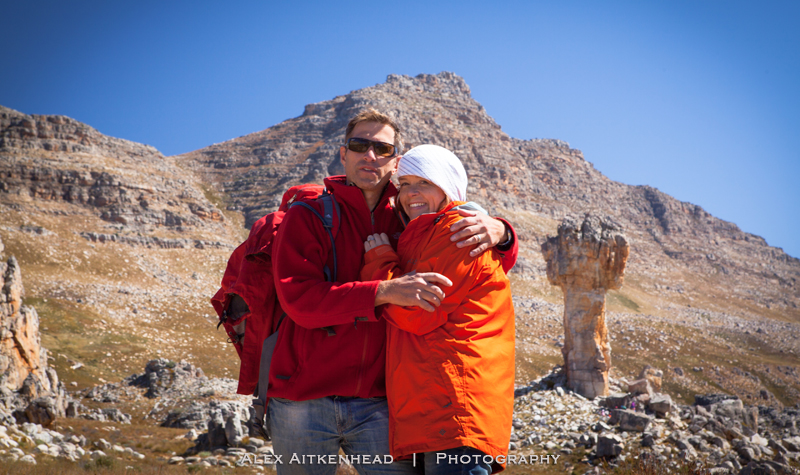
New Book Launch: “Guide to the Cederberg”, written by David Bristow, will launch in September 2026, featuring our image on the front cover, captured at the world-famous Wolfberg Cracks hike.