
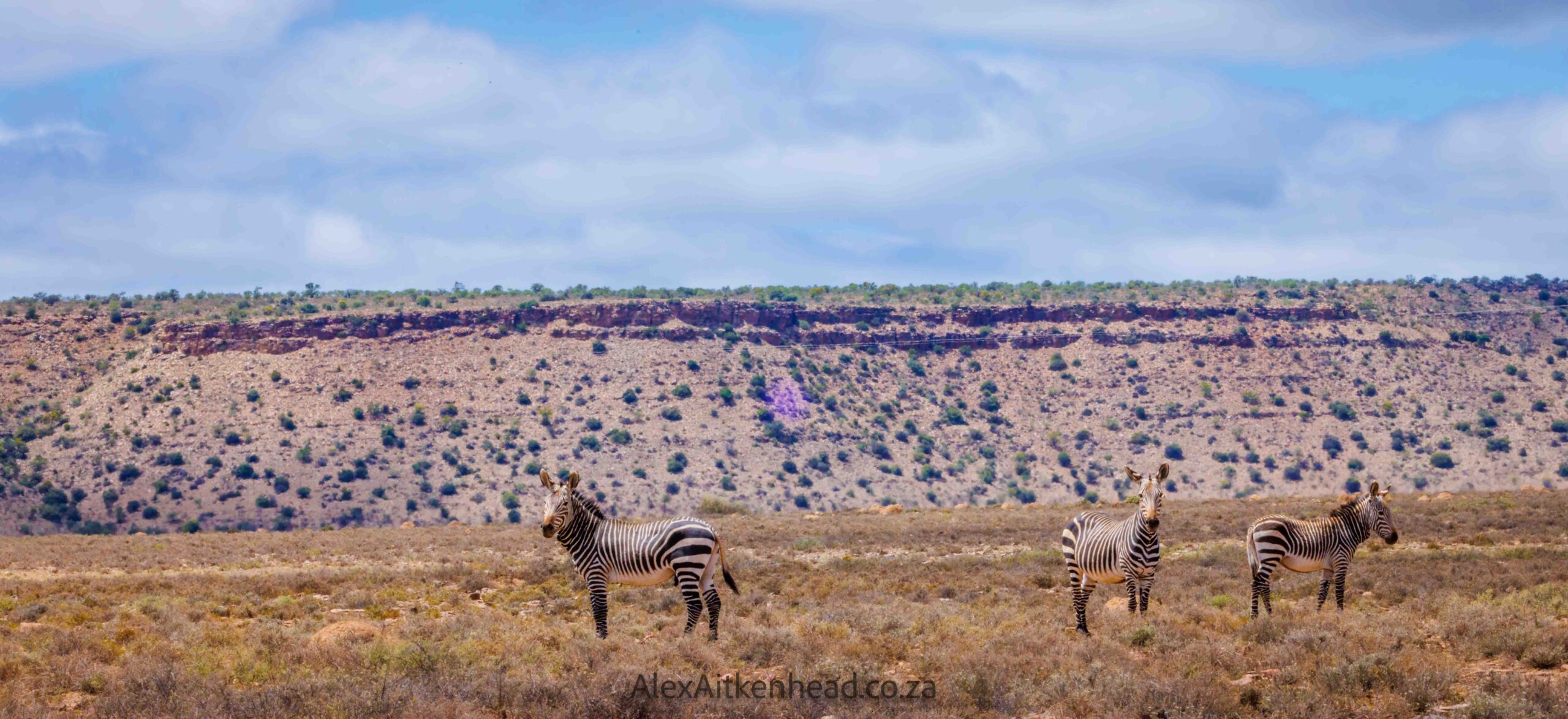
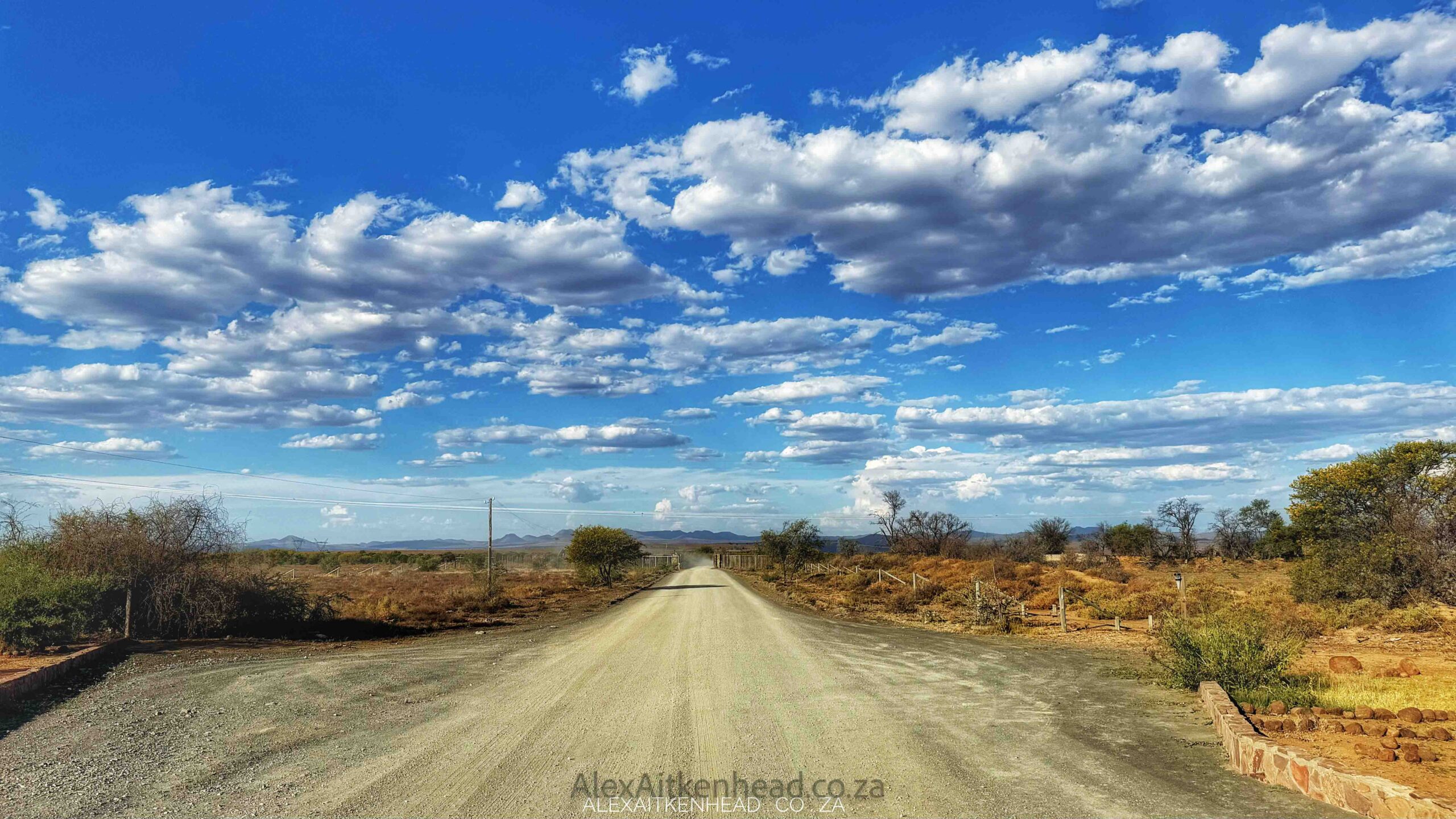
Vibrant, crystal-clear air, beautiful scenery, tranquil ambience and an abundance of wildlife offer you a special and personal African wilderness experience.
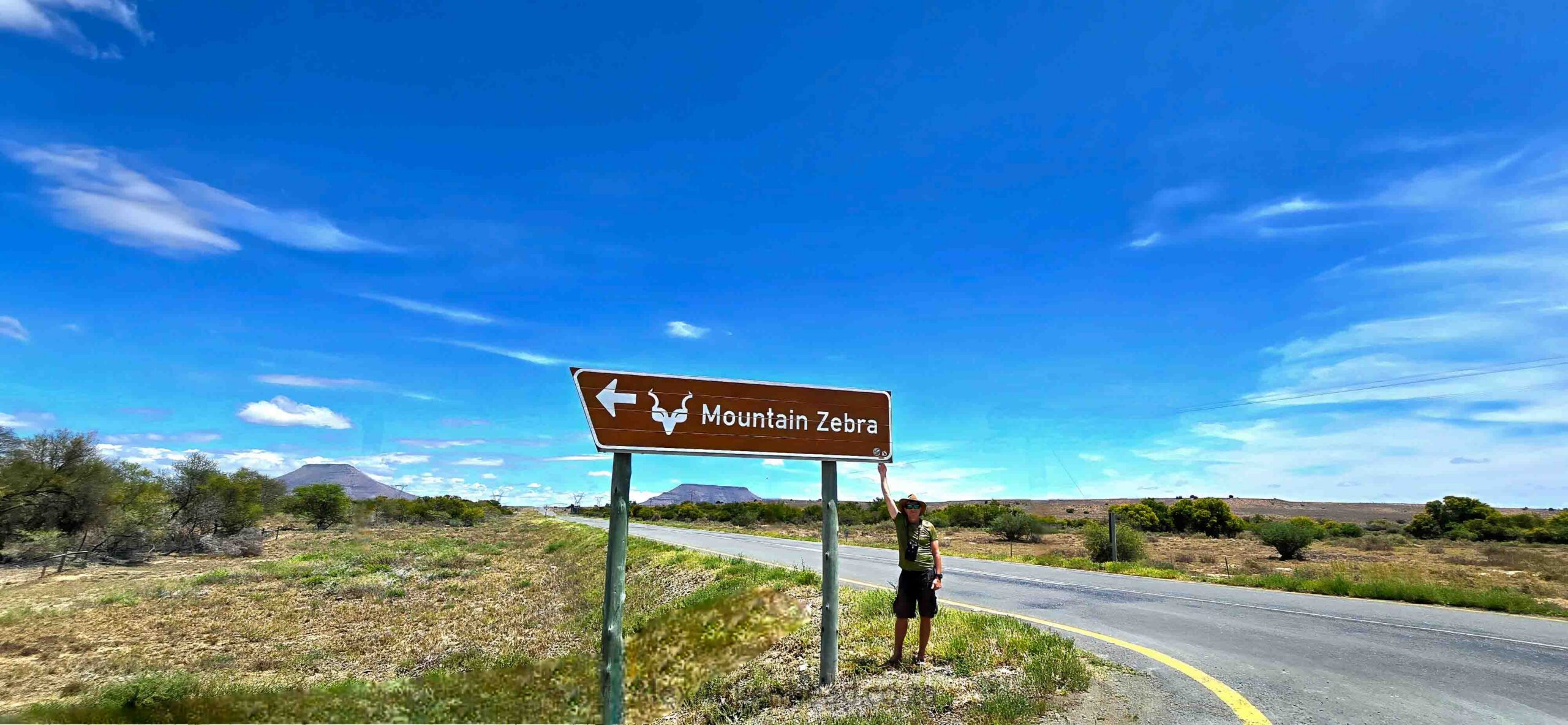
- The craggy heights of the Bankberg mountain range embrace rolling plains and deep valleys, and have become an entrancing preserve for the Cape Mountain Zebra. The proclamation of the park in 1937 saved these animals from extinction, and currently their population stands at 300.
- Other mammals found here include the cheetah, Cape buffalo, black rhino, eland, black wildebeest, red hartebeest and gemsbok, while mountain reedbuck and grey rhebok frequent the higher areas. Caracal occupies the niche of primary predator.
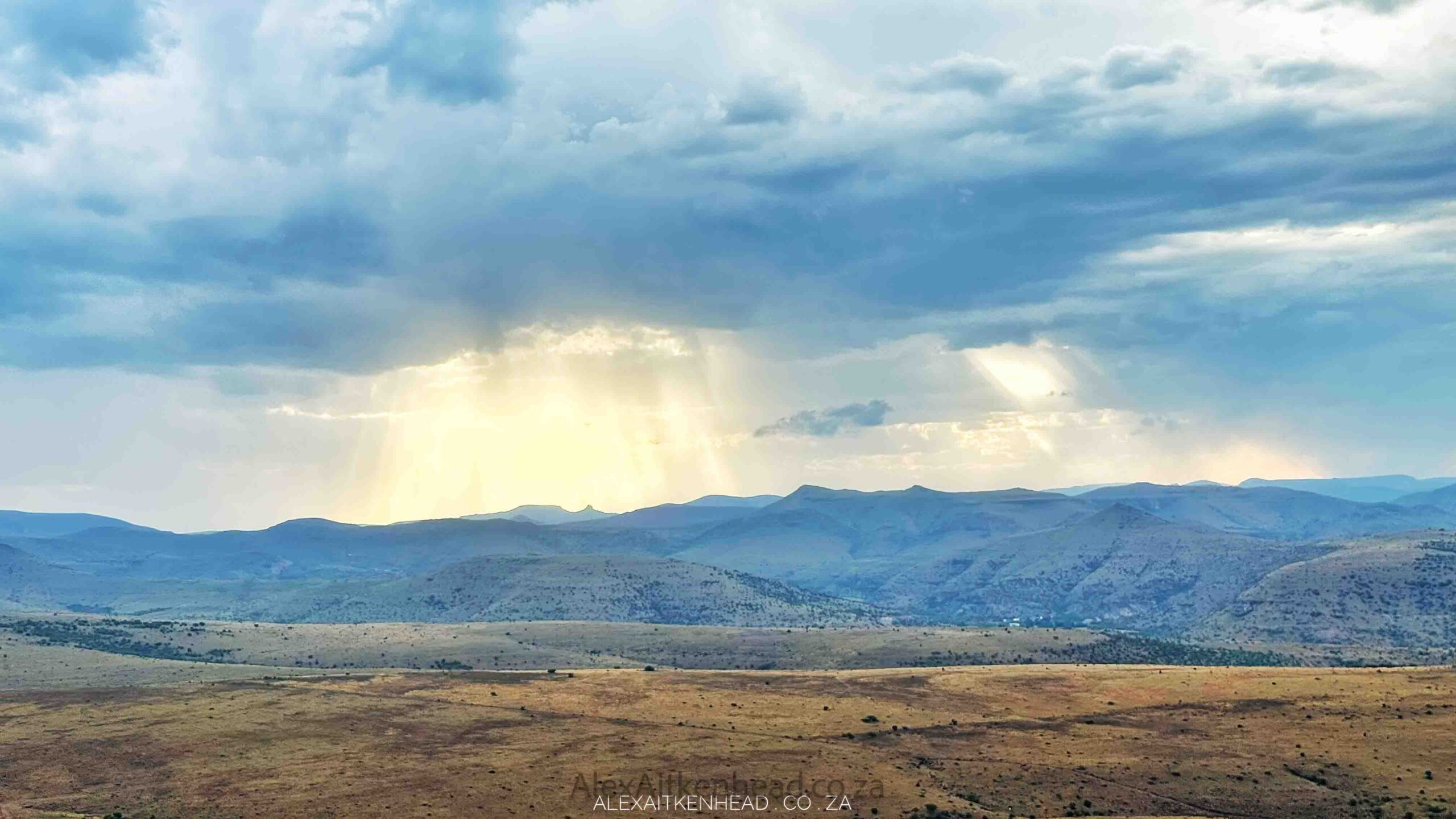
- With its wide-open spaces, serene atmosphere, and spectacular sunsets, Mountain Zebra National Park is the perfect destination for those seeking a true Karoo wilderness experience – whether for solitude, photography, or simply reconnecting with nature.
History of the Park…
In 1937, 1712 hectares of land was proclaimed as the Mountain Zebra National Park. Thanks to the conservation efforts of farmers in the area, small herds of the endangered Cape mountain zebra still survived in the area. Hans Jurgen Lombard donated Il zebra to the Park, and these provided a’seed’ population for the Park. Through the purchase of nine surrounding farms, the Park has, through the years, expanded to 28 386 hectares in size. The Park’s Cape mountain zebra herd now numbers over | 000 animals. Following this, black rhino, buffalo, cheetah, brown hyena and lion were able to be re-introduced to the Park, after being absent for over 100 years.
Anglo Boer War…
During the 1800s, British soldiers created a chessboard on the top of Saltpeterskop, a 154-metre-high koppie in the Park. While hiding out during the Anglo-Boer War, they played chess with their fellow soldiers in the old fort in Cradock, transmitting moves by means of a mirror, which had the official purpose of communicating warning signals. The story goes that a certain farmer – unbeknownst to the soldiers – picked up the signals and started a game against the soldiers while sitting on the stoep of his farmhouse. The chessboard and the names of the soldiers are etched onto a flat slab of rock at the top of Saltpeterskop.
Names recorded include the 5th Lancashire Fusiliers, the Coldstream Guards and some privates, corporals and a
The Scar of Grootkloof…
In April 1974, the veld of the great Karoo was in good condition after the last of the heavy summer rains. Shortly before midday, park rangers heard a great thunderous rumbling, so loud it was heard in Cradock. The noises continued for almost half an hour. When rangers went to investigate, they saw the long scar against Bankberg. They saw that a huge dolerite rock had rolled down the mountain.
The awesome power of the massive rock left a 250-meter scar on the mountainside, which is still visible today. After eventually coming to rest at the foot of the mountain, scientists estimated the rock to weigh approximately 22 000 kilograms. It is thought to have been loosened by the previous heavy rains.
The San people…
From prehistoric sites with concentrations of stone artifacts situated along the river banks and rock painting panels on the mountain slopes to historic farmsteads and cemeteries, Mountain Zebra National Park has acted as a backdrop for thousands of years of human history. The San people left evidence of their lives about 300 years ago in at least three rock shelters containing rock paintings in the Park. The paintings show an antelope, baboons, a large cat – possibly a leopard or cheetah – and human figures. Visitors can view rock paintings in one of the shelters by hiring a Park guide to show them the
Doornhoek Guest House – History…
The legacy of European pioneers who moved into the area and set up farms during the Great Trek of 1836 still stands today. In 1838, one of the first permanent farmhouses in the area was constructed on the farm De Doornkloof, then owned by Hendrik Jacobus van Heerden. The house presently known as Doornhoek, declared a national monument in 1986, was restored and is still used as a guesthouse in the Park. It is popular with those who want a tranquil family getaway overlooking a lake, with spectacular star-gazing vistas
-
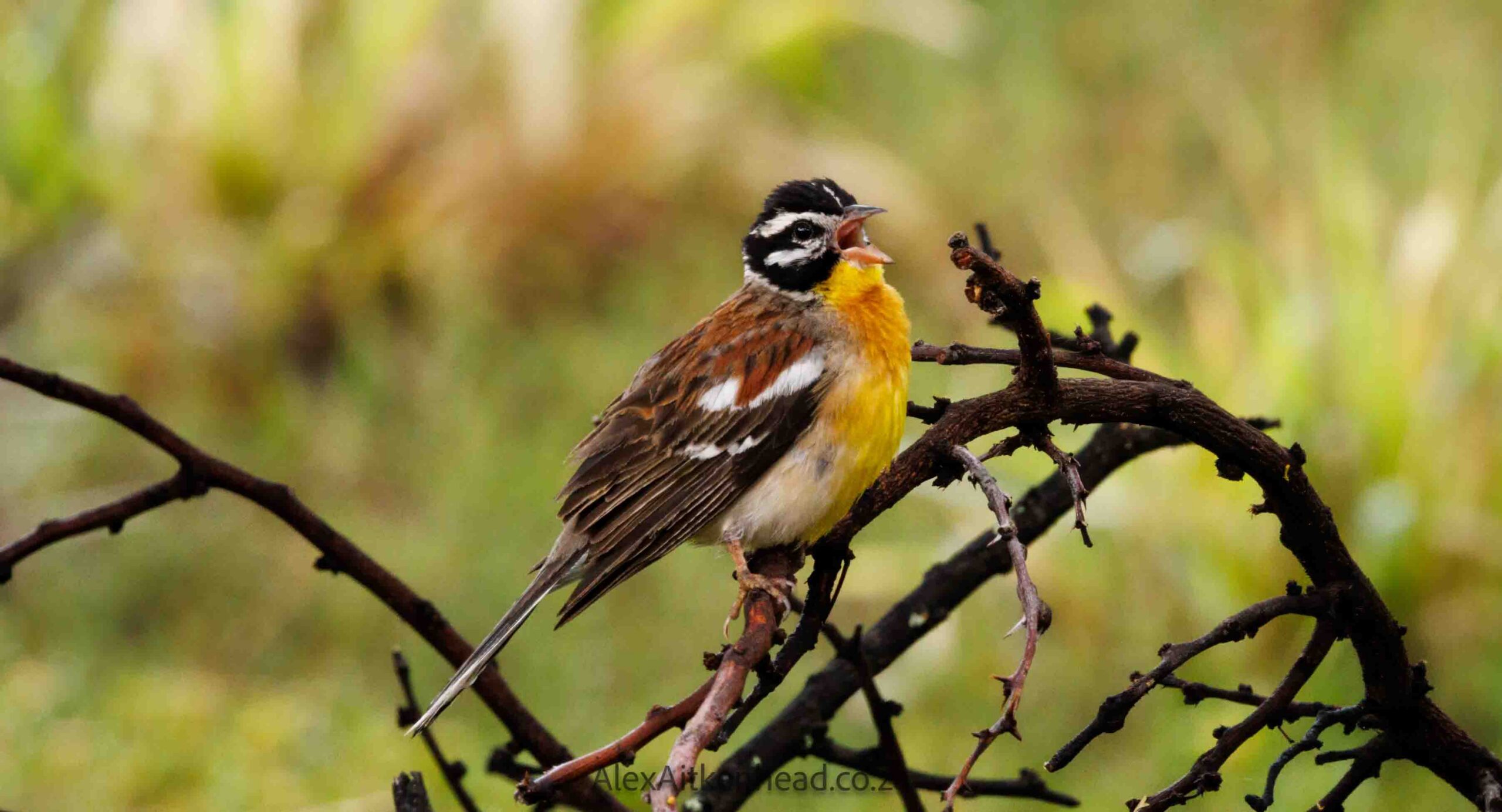
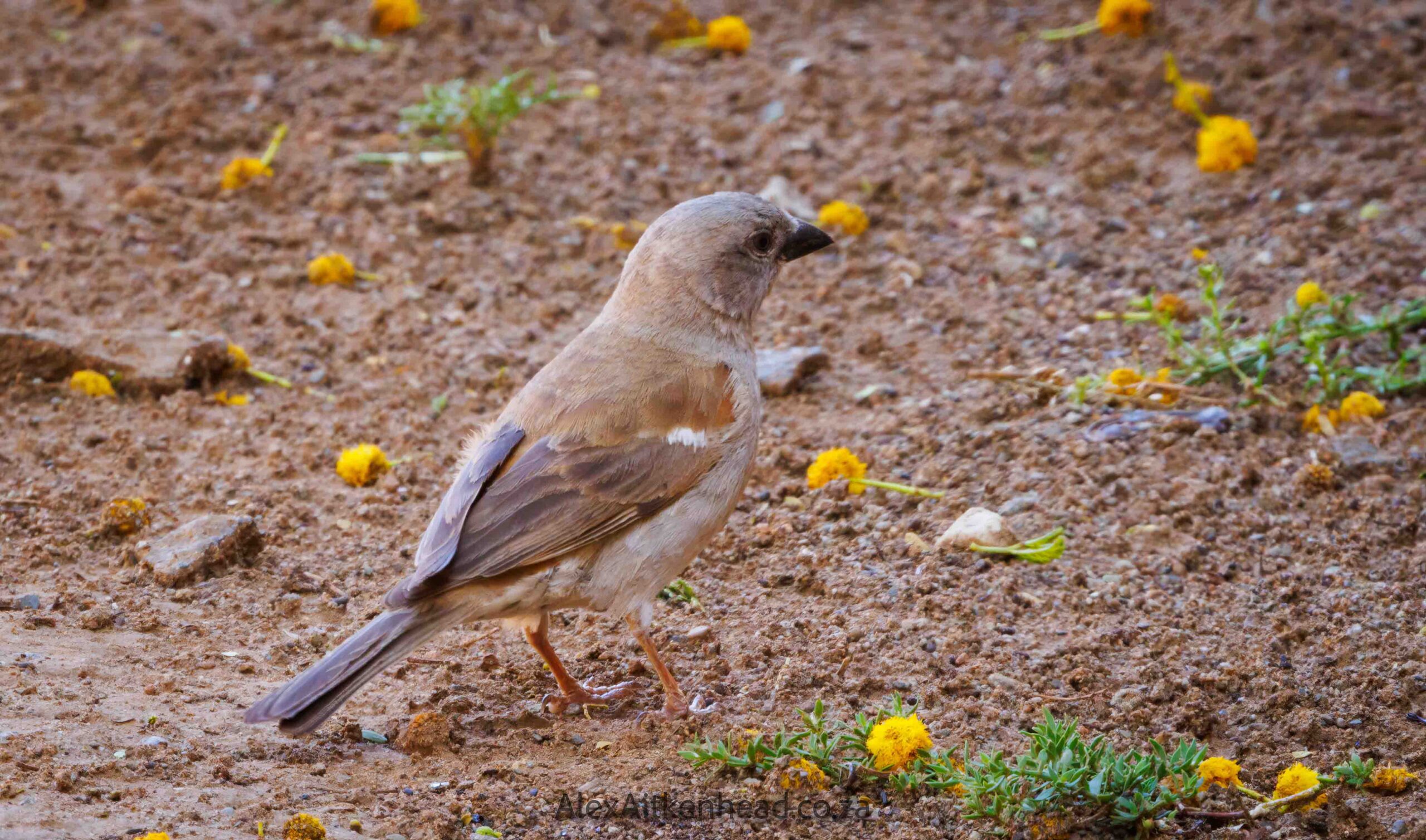
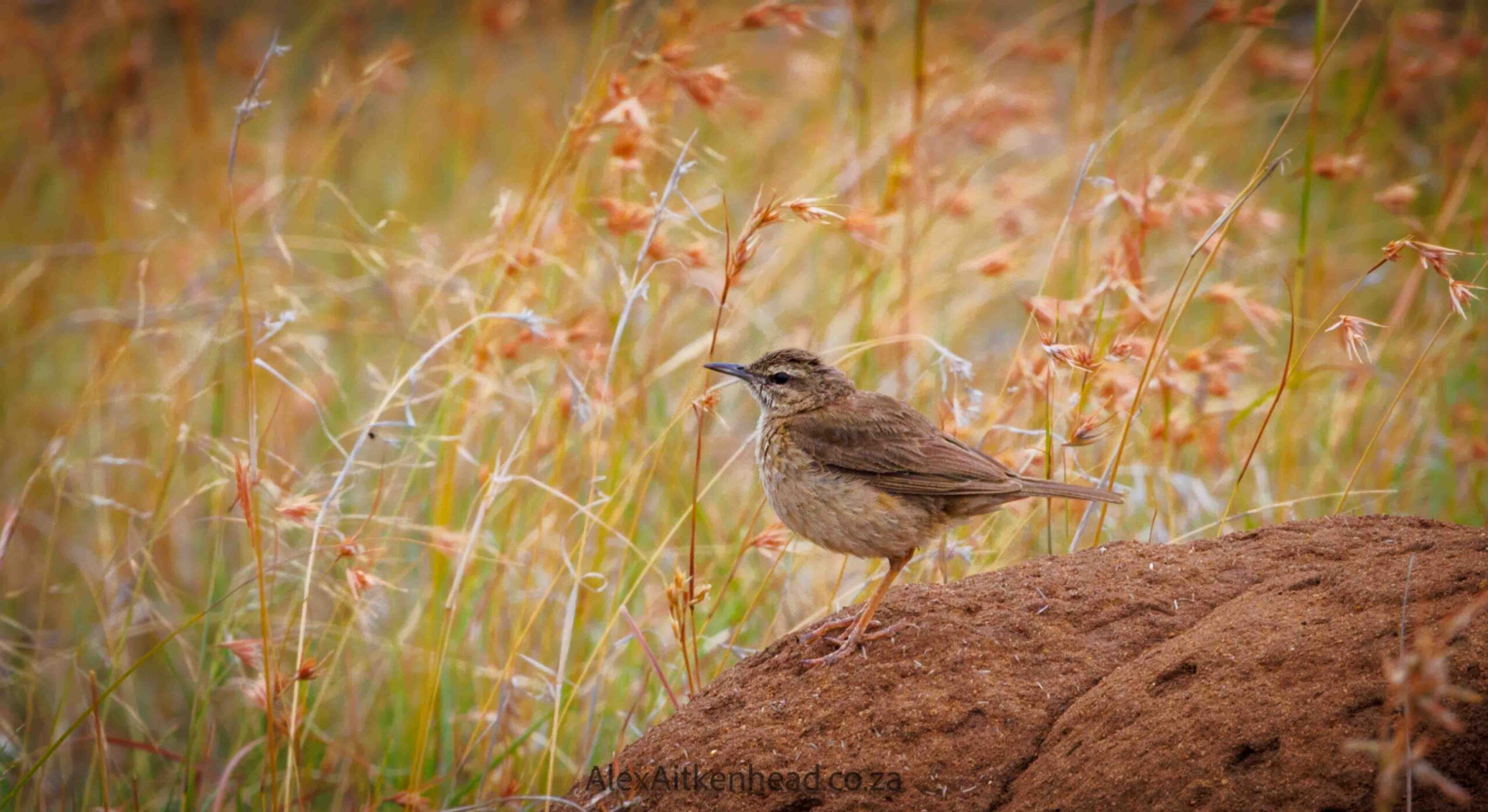
Birding
- Top Tips for Twitchers
- Rooiplaat Loop for larks and pipits.
- Kranskop Loop for mountain birds.
- Thickets of the Wilgerboom River for the smaller birds and seed-eaters.
- The northern plains for the blue korhaan and the bustards.
- The southern mountainous parts for the raptors: look out for Verraux’s eagle, booted eagle and martial eagle.
- For two ‘specials’ – the Drakensberg rockjumper and ground woodpecker – walk the 3-day guided trail or stay overnight in the mountain cottages.
-
Bush Braais
- A unique experience where guests dine under the stars in the wonder of nature. This unforgettable experience is not to be missed.
- A game drive into the heart of the park ushers guests to the open-air restaurant, where they’re warmly welcomed to the kraal by awaiting staff and a bonfire for the perfect amount of ambiance. Solar lights strung up on poles and on the tables provide additional lighting to add to the unique setting – with only the natural sounds of the surrounding bush and the crackling of the fires to be heard.
- The park’s restaurant staff ensure not only a festive atmosphere but also a hearty meal – typical of what one may expect in the karoo. Non-alcoholic beverages are included in the all-inclusive price of R797.90, while there is a cash mini-bar available for alcoholic drinks.
- Bookings must be made at least 24 hours in advance – for a minimum of four and a maximum of nine people at a time. No children under the age of six years are allowed on the activity. They will kick off from the Park’s Reception building at 5pm, but this will change per season and last approximately four hours. Guests are requested to confirm departure times with Reception on the day.
- Bookings
- Contact Reception: +27 (0)48 801 5700
-
Cheetah Tracking
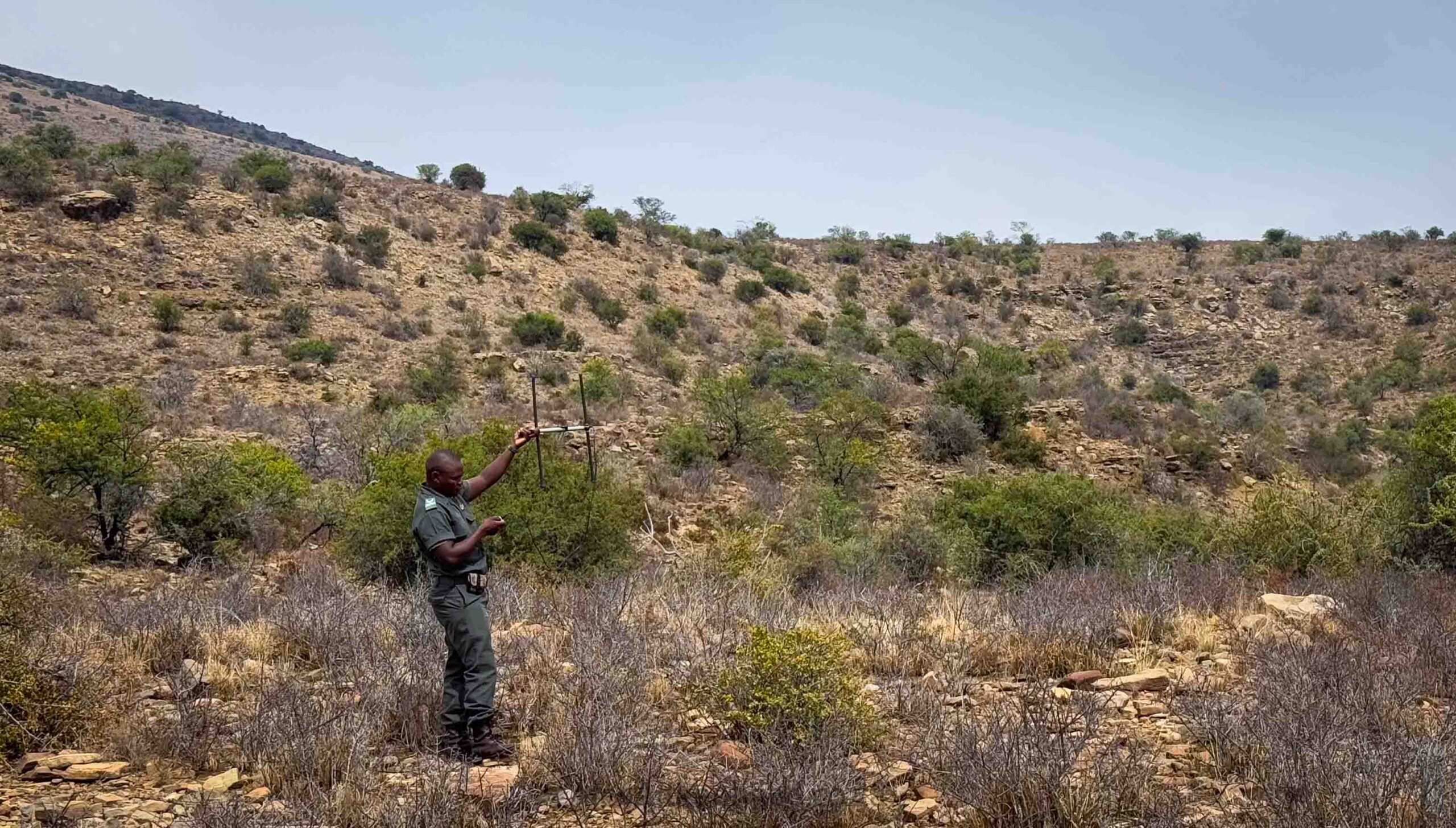
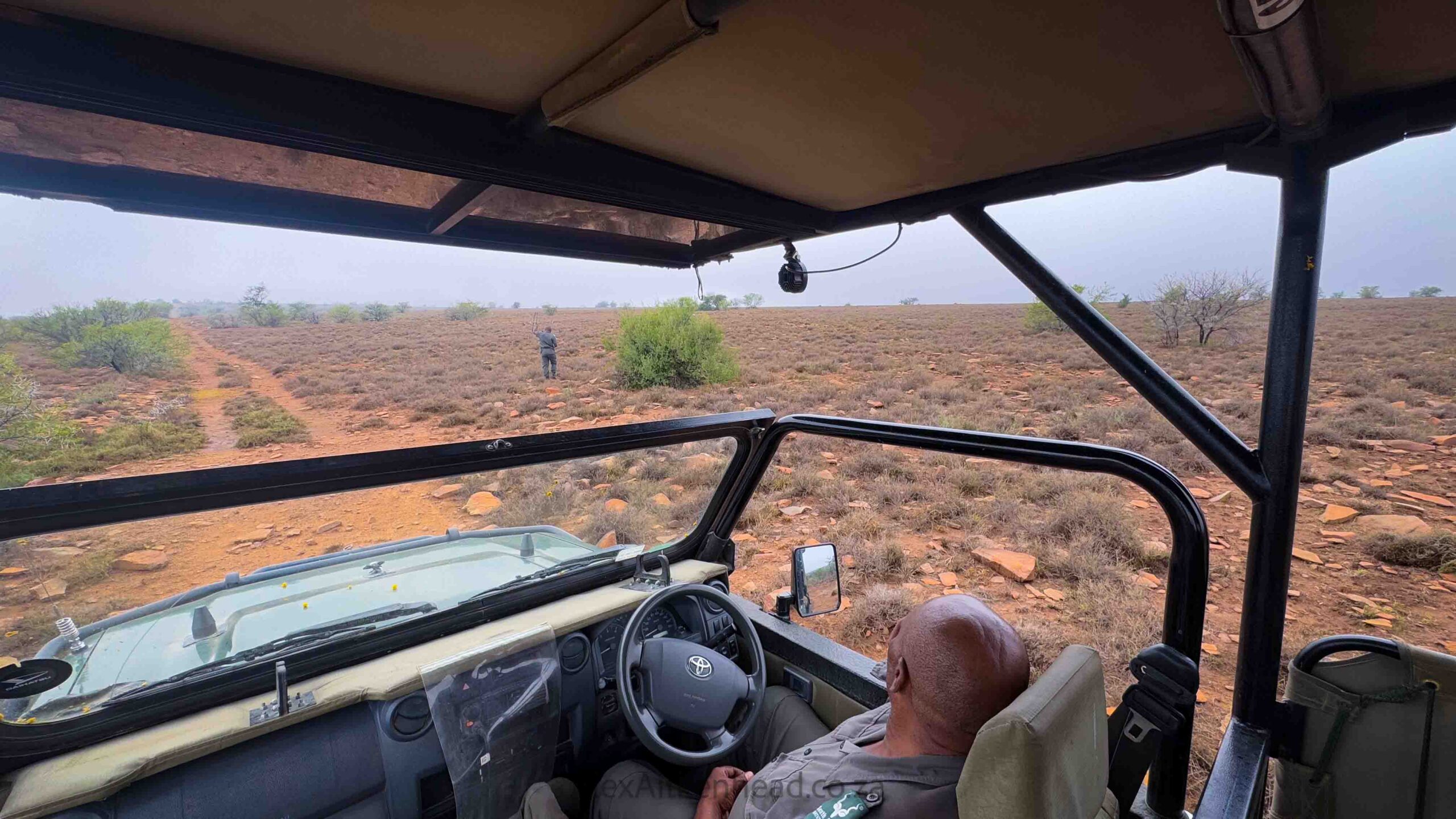
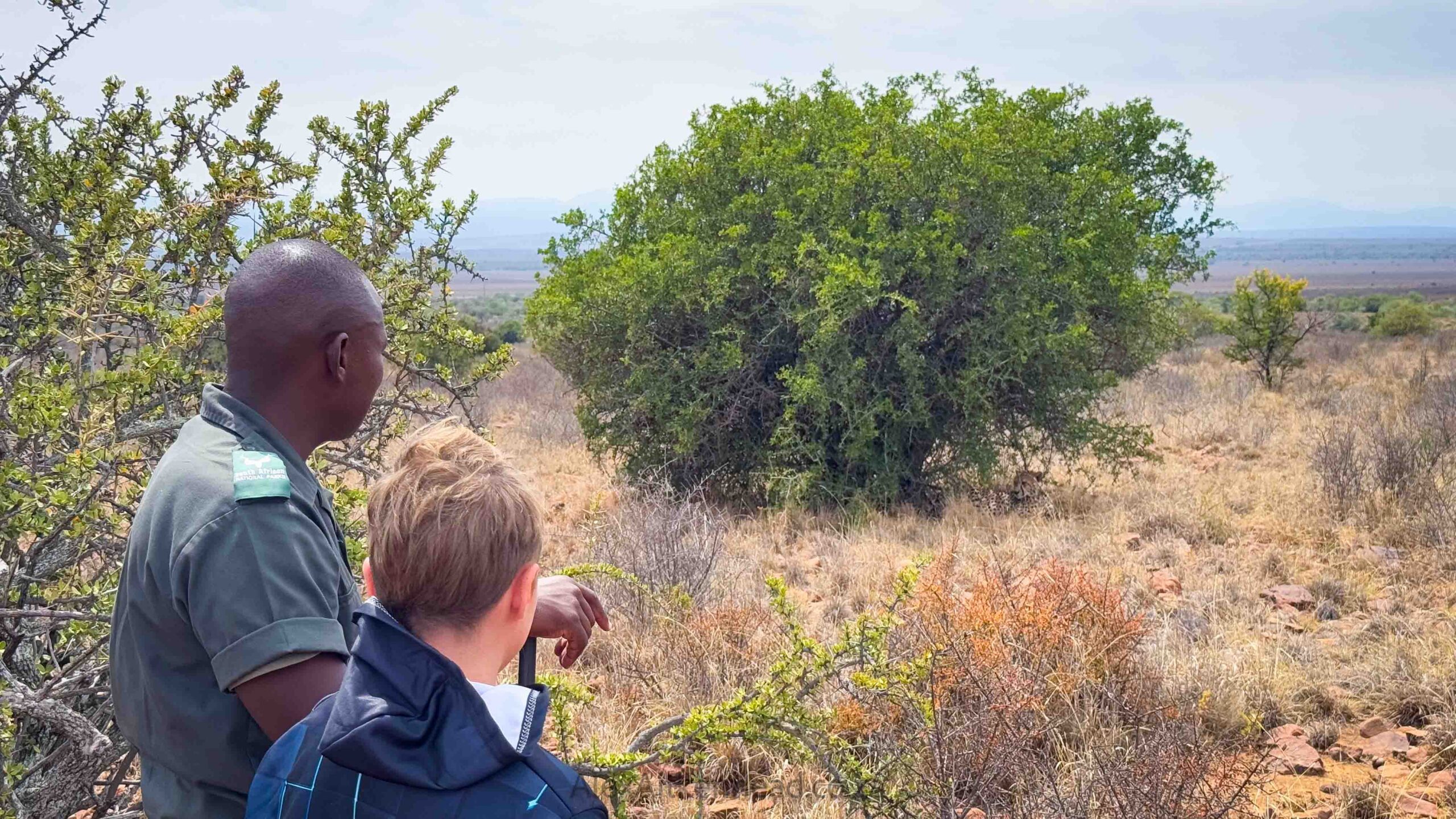
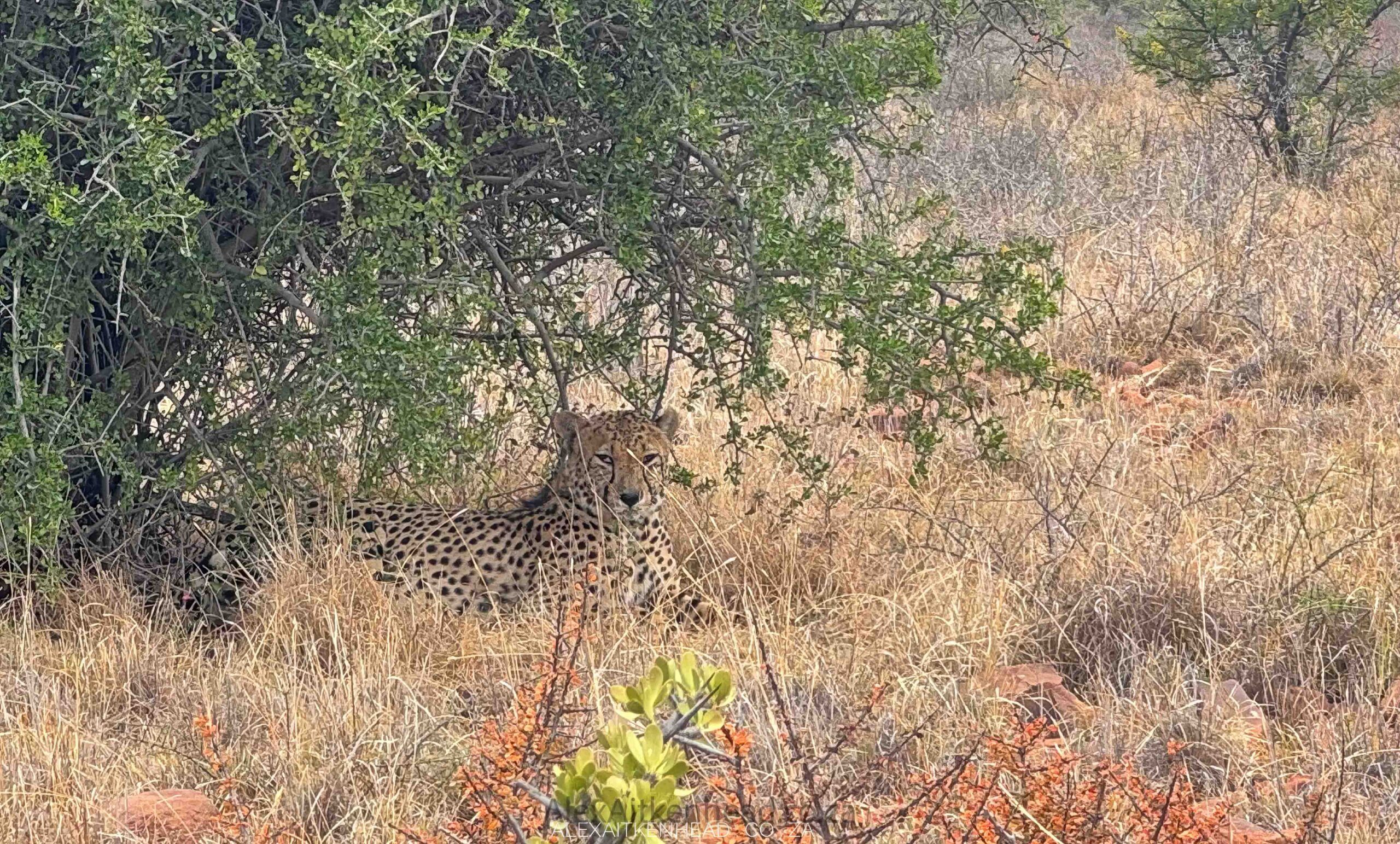
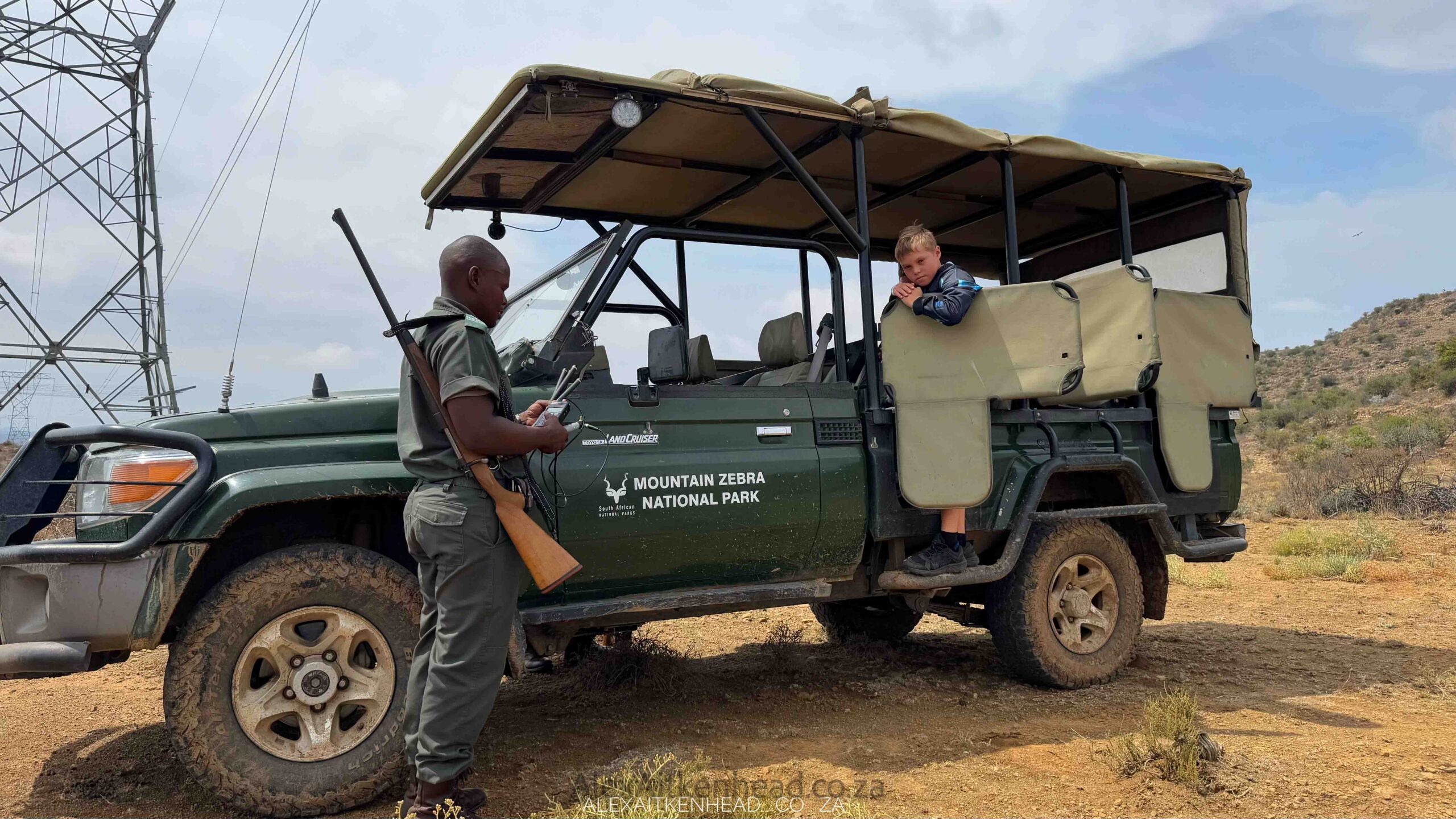
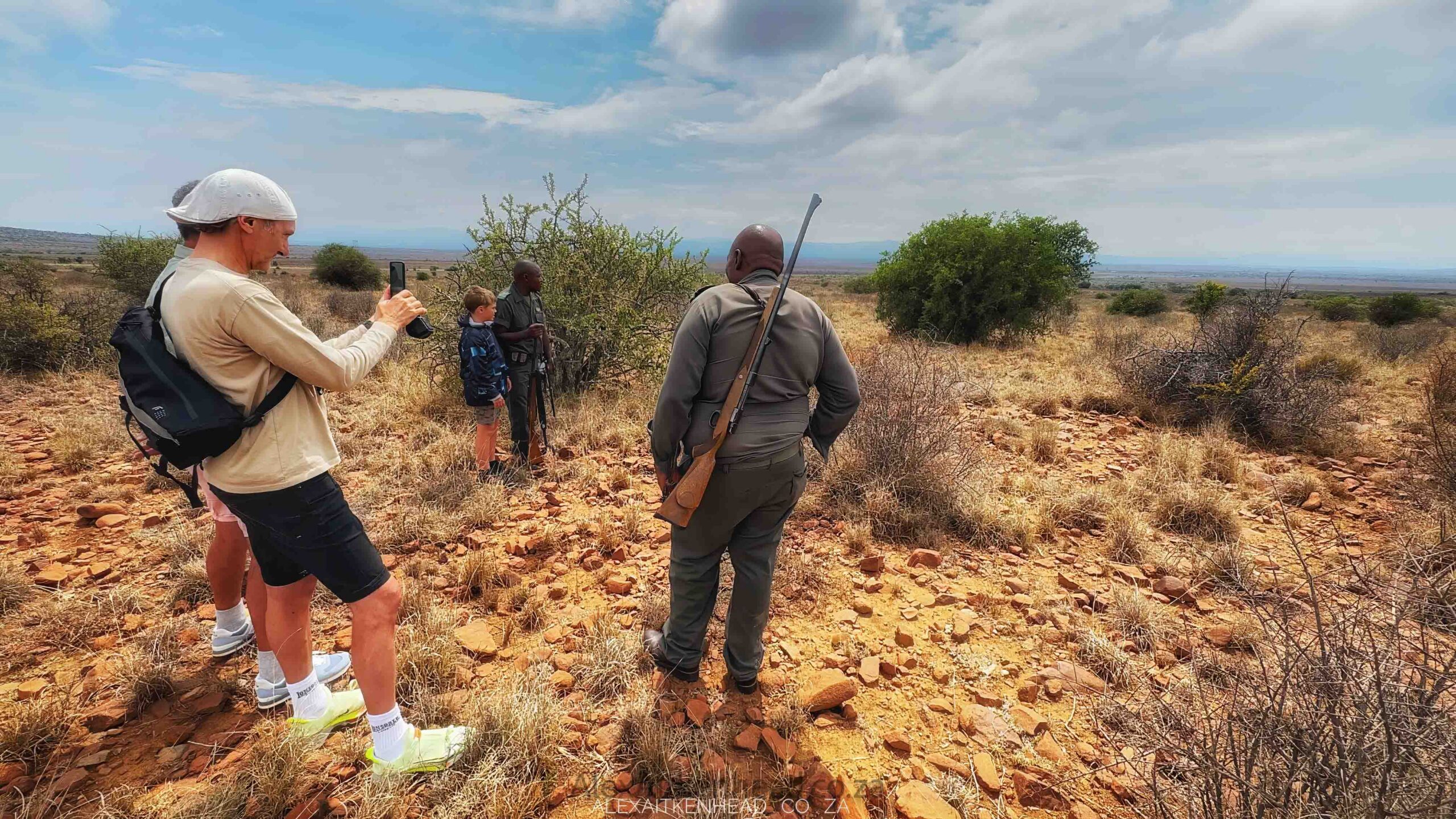
- Drive out with your guide to search for the elusive cheetahs of Mountain Zebra National Park. When you detect a signal from a collared cheetah, you will have the opportunity to get closer on foot.
- Bookings are essential.
- Time: 07:30
- Ranging between 3 – 4 hours. Bookings are essential.
- A minimum of two and a maximum of eight people.
- From 12 years – 65 years. If you are 65 years of age or older, you will be required to produce a medical certificate no older than 30 days to participate in the activity.
- R563.58 per person.
- Neutral clothing (not white or black) and walking shoes are required.
- Bring your own water and a small snack.
- Binoculars are optional.
-
Explore Cradock
- If you are staying in Mountain Zebra National Park for more than a few days, you might want to explore some of the nearby tourist and historical attractions. Here are a few highlights:
- Schreiner House Museum (9 Cross Street)
- Olive Schreiner Grave, Buffelskop (26km on the Moritimer Road – Minimum 7 hours)
- Great Fish River Museum (behind the Municipal Building)
- Die Tuishuise & Victoria Manor (Market Street)
- Dutch Reformed Moederkerk (Corner Of J.A. Calata and Church Street)
- Lingelighle Township (Township Tour on request at Victoria Manor)
- Karoo Comfort Zone (Health and Beauty Centre, Market Street)
- Tubing, rafting, canoeing and abseiling
-
Game Drives
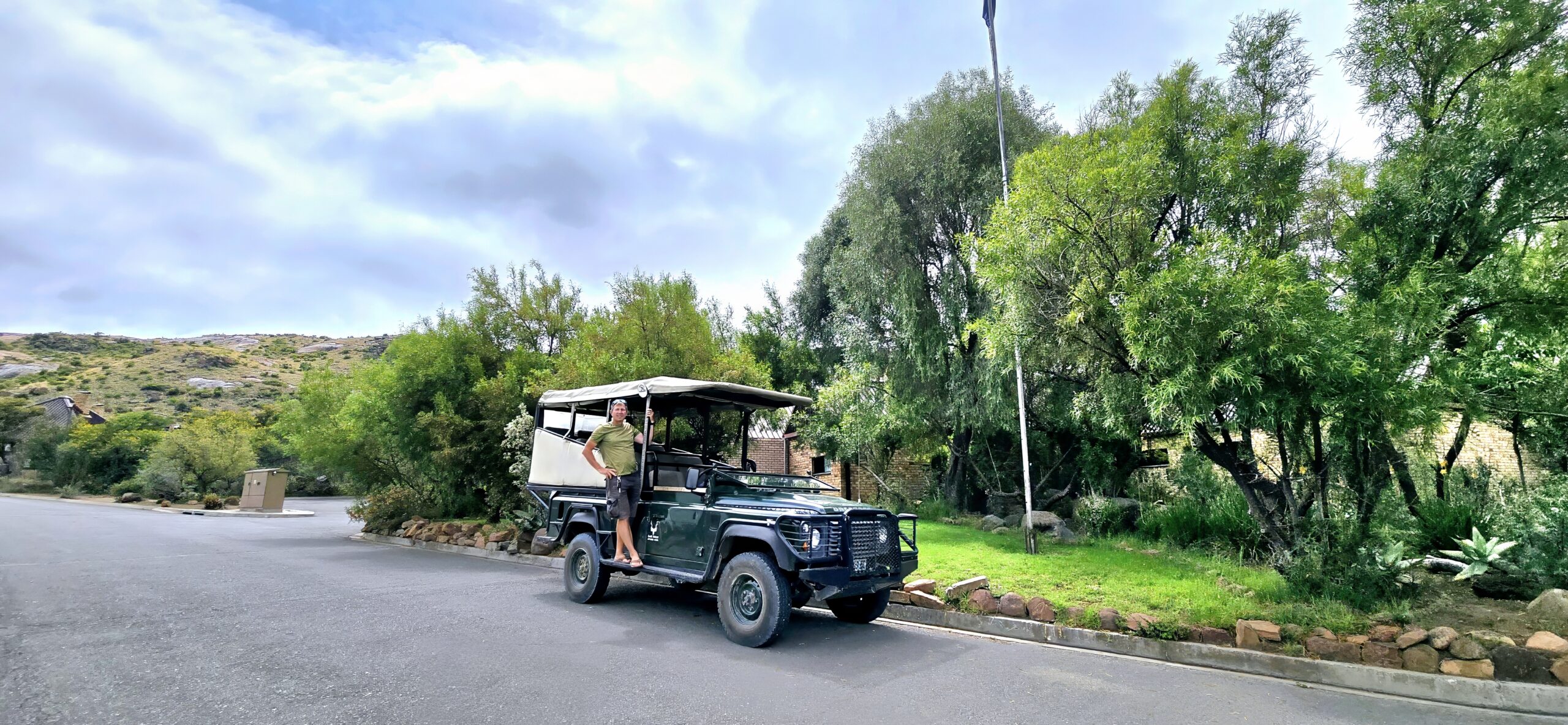
- A guided drive provides the ideal opportunity to get to know the park in a safari vehicle with a qualified and knowledgeable guide.
- Mountain Zebra National Park also provides the unique opportunity of tracking a wild cheetah with the chance to observe these cats in their natural habitat.
- Morning Game Drive
- One will experience the early Karoo mornings with the potential of seeing cheetahs, buffalo, and other antelope. The bird life in the mornings is good, with a viewing of the Eastern Clapper Lark, Blue Korhaan, Blue Crane, and many other species.
- Time: Summer: 05h00 – 07h00; Winter: 06h00 – 08h00
- A minimum of two guests and a maximum of nine guests.
- Minimum age: six years old.
- R327.24 per adult, R163.62 per child under 12 years old
- Dress warmly during winter.
- Day Game Drive
- Time: Summer: 12:30 – 14:30
- A minimum of two guests and a maximum of nine guests.
- Minimum age: six years old.
- R327.24 per adult, R163.62 per child under 12 years old.
- Dress warmly on cool days.
- Sunset Game Drive
- Time: Summer: 17:30 – 19:30; Winter: 15:30 – 17:30
- A minimum of two guests and a maximum of nine guests.
- Minimum age: six years old.
- R417.13 per adult, R208.06 per child under 12 years old (including snacks and drinks).
- Dress warmly on cool days.
- Evening Game Drive
- One will experience the best of the evening and spot some of the Park’s nocturnal animals. Animals to be on the lookout for are Cheetah, Buffalo, Bat-eared Fox, Aardwolf, Aardvark and Caracal. Night birds like the Spotted Eagle Owl and Fiery-necked Nightjar are also to be seen.
- Time: Summer: 20:00 – 20:00; Winter: 18:00 – 20:00
- A minimum of two guests and a maximum of nine guests.
- Minimum age: six years old.
- R327.24 per adult, R163.62 per child under 12 years old.
- Dress warmly on cool evenings.
-
San Cave Paintings
- Time: 09h00 – 11h00
- Minimum two guests and a maximum of nine guests.
- From 12 years – 65 years. If you are 65 years of age or older, you will be required to produce a medical certificate no older than 30 days to participate in the activity.
- R292.90 per person.
- Note: Some clambering over rocks is required, so this activity is not suitable for frail people or very young children.
-
Hikes, Walks & Trails
- Walking Trails
- Explore hiking trails ranging from 1km to 25km to get close to nature in the Park.
- The Imbila Trail (1km) is an easy, circular and flat trail and provides a perfect outing for the whole family within the fenced rest camp area.
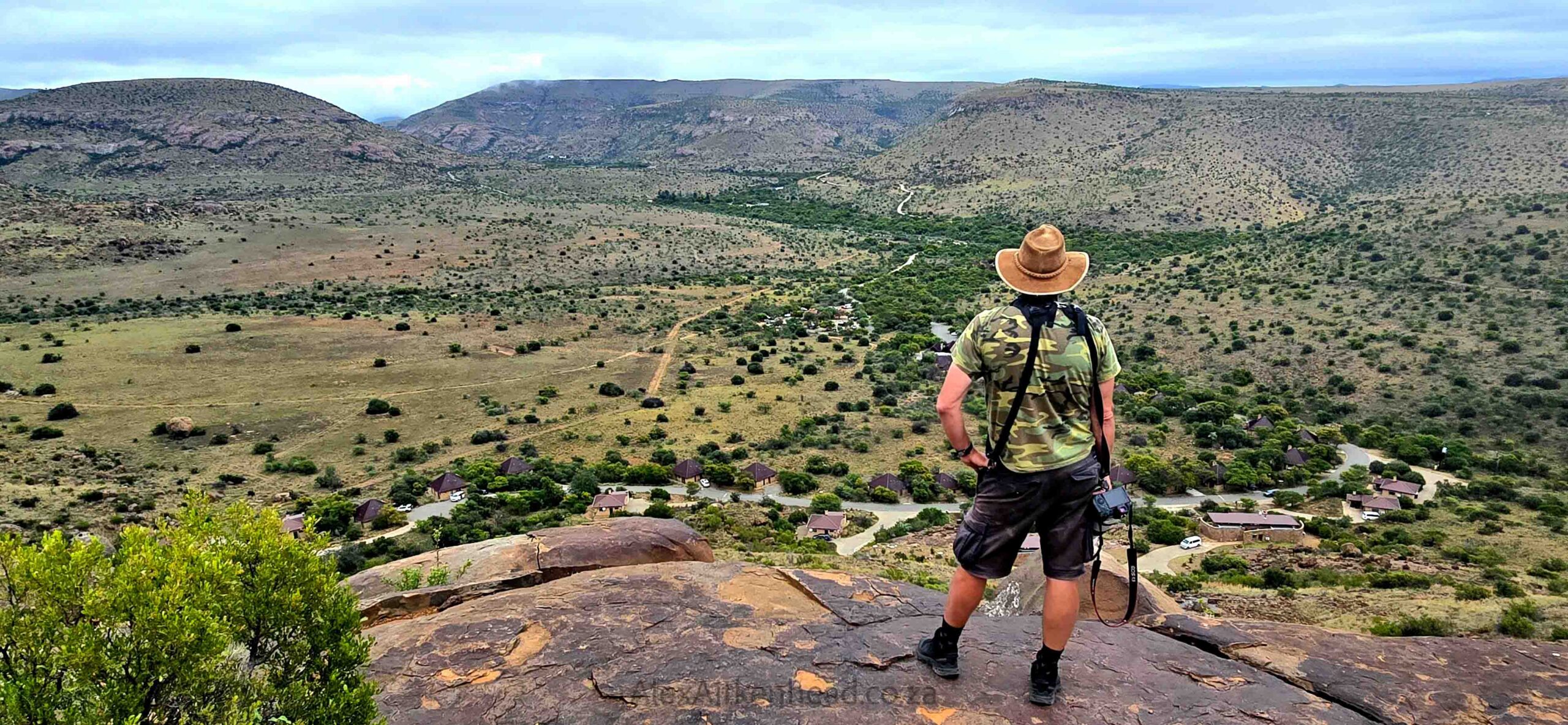
- The Black Eagle Trail (2.5km) is a more challenging climb to the top of the rocky outcrop with spectacular views over the Park.
- Guided Walks
- A guided walk provides the ideal opportunity to get to know the park on foot with a qualified and knowledgeable guide.
- Activities on foot may be cancelled at any time due to weather conditions rendering the activity unsafe. Please report to reception 15 minutes before departure time to sign the indemnity form and make payment.
-
4×4 Trails
- Visitors can explore the park at their own leisure in their own vehicle on almost 70km of tourist roads.
- Roads are mostly gravel but of good standard and suitable for all vehicles.
- Only 4×4 vehicles may be used on the trails.
- No booking necessary as the trails are open during the normal operating hours of the Park.
- The Juriesdam and Sonnenrust trails are relatively easy drives, while the Umgeni trail is more challenging.
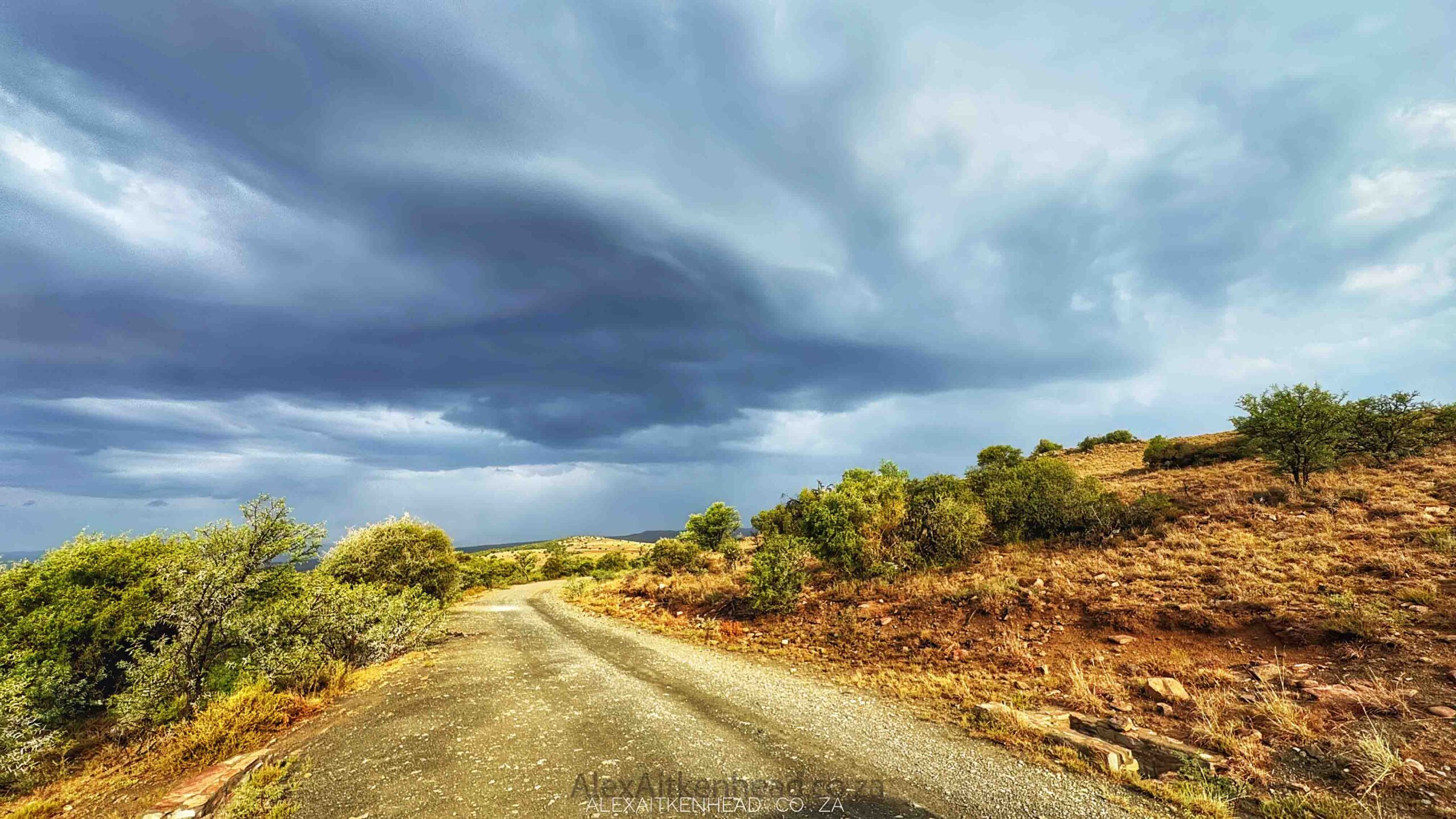
- Trails may be closed in the event of wet weather or maintenance.
- Sonnenrust 4×4 Trail
- This 14.2km trail starts on the Ubejane Loop and ends on the Link Road (which joins Ubejane to Rooiplaat Loops). It is situated in the north-western area of the Park, skirting the base of Saltpeterskop and ending on a plateau with scenic views.
- Juriesdam 4×4 Trail
- This 10km trail starts and ends on the main entrance road into the Park. It explores the eastern plateau area of the Park.
- Umngeni 4×4 Trail
- This 8km trail takes about one hour to complete and starts on the Park’s main entrance road just north-west of the rest camp area.
