
Prosimians are the oldest living primates, representing an ancient branch of the primate family that predates monkeys and apes.
Prosimians are the most ancient and primitive group of primates, characterised by their keen senses, nocturnal lifestyles, and close resemblance to the earliest primate ancestors. This group includes lemurs, lorises, and galagos—living remnants of a lineage that has survived for millions of years.
Lemurs are wet-nosed primates of the superfamily Lemuroidea, divided into eight families and consisting of 15 genera and around 100 extant species. They are endemic to the island of Madagascar. Most existing lemurs are small, with a pointed snout, large eyes, and a long tail.

Black Lemur that put on such a magnificent display, this was such a memorable experience, up close and personal.
Madagascar — The eighth continent, the Fourth-Largest Island in the World, a Living Treasure Chest of Earth’s Rarest Species.
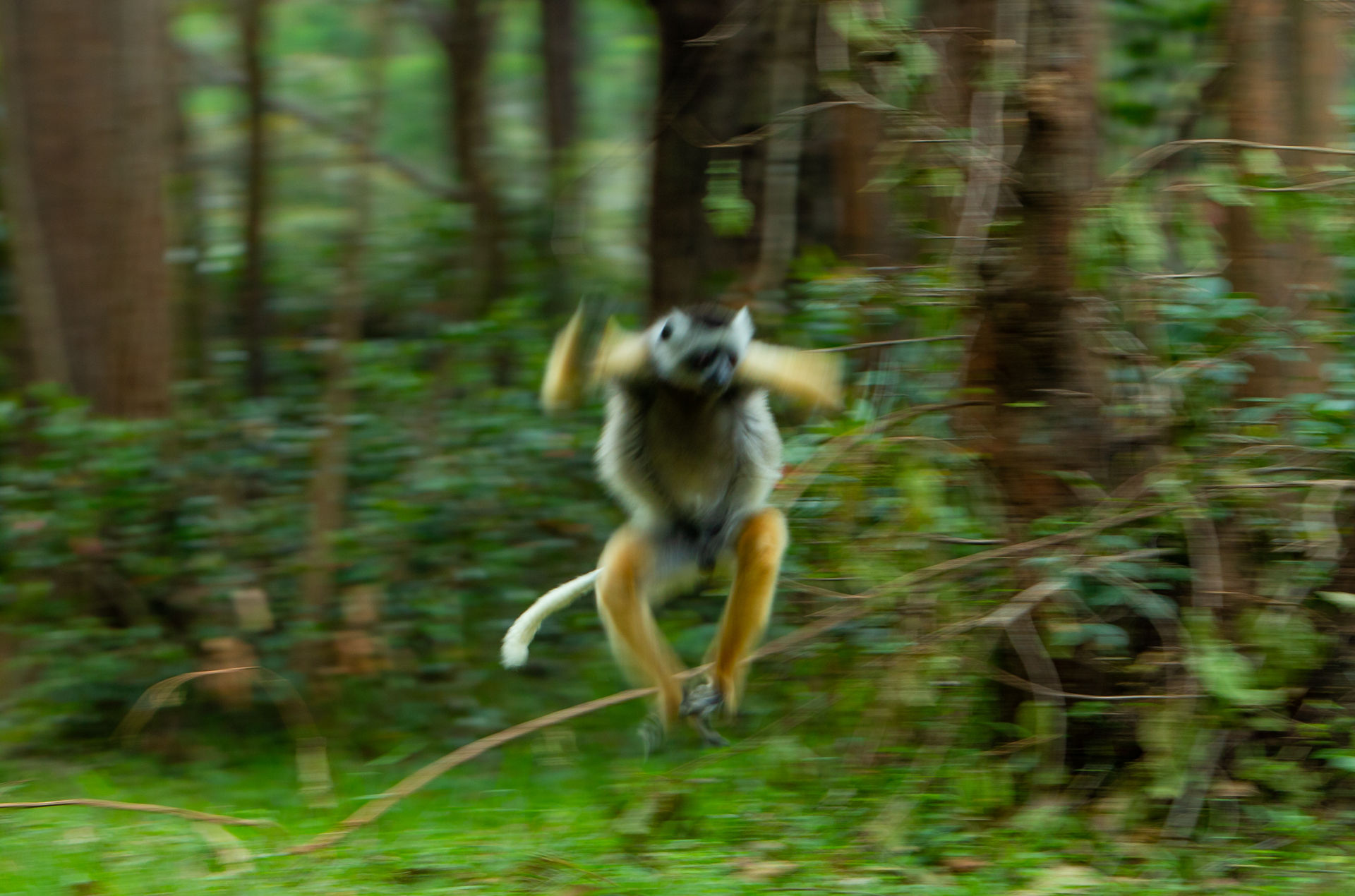
Diademed Sifaka, Vakona Island
Madagascar is one of the most biologically unique places on Earth because millions of years of isolation allowed extraordinary endemic species to evolve nowhere else in the world. About 90% of its wildlife is found only on the island, including iconic Ring-tailed Lemurs, colourful chameleons, rare baobab trees, and unusual predators like the fossa. These animals and plants adapted to Madagascar’s diverse rainforests, deserts, and mountains, creating ecosystems unlike any other. This remarkable biodiversity makes Madagascar a global hotspot for conservation and scientific study.
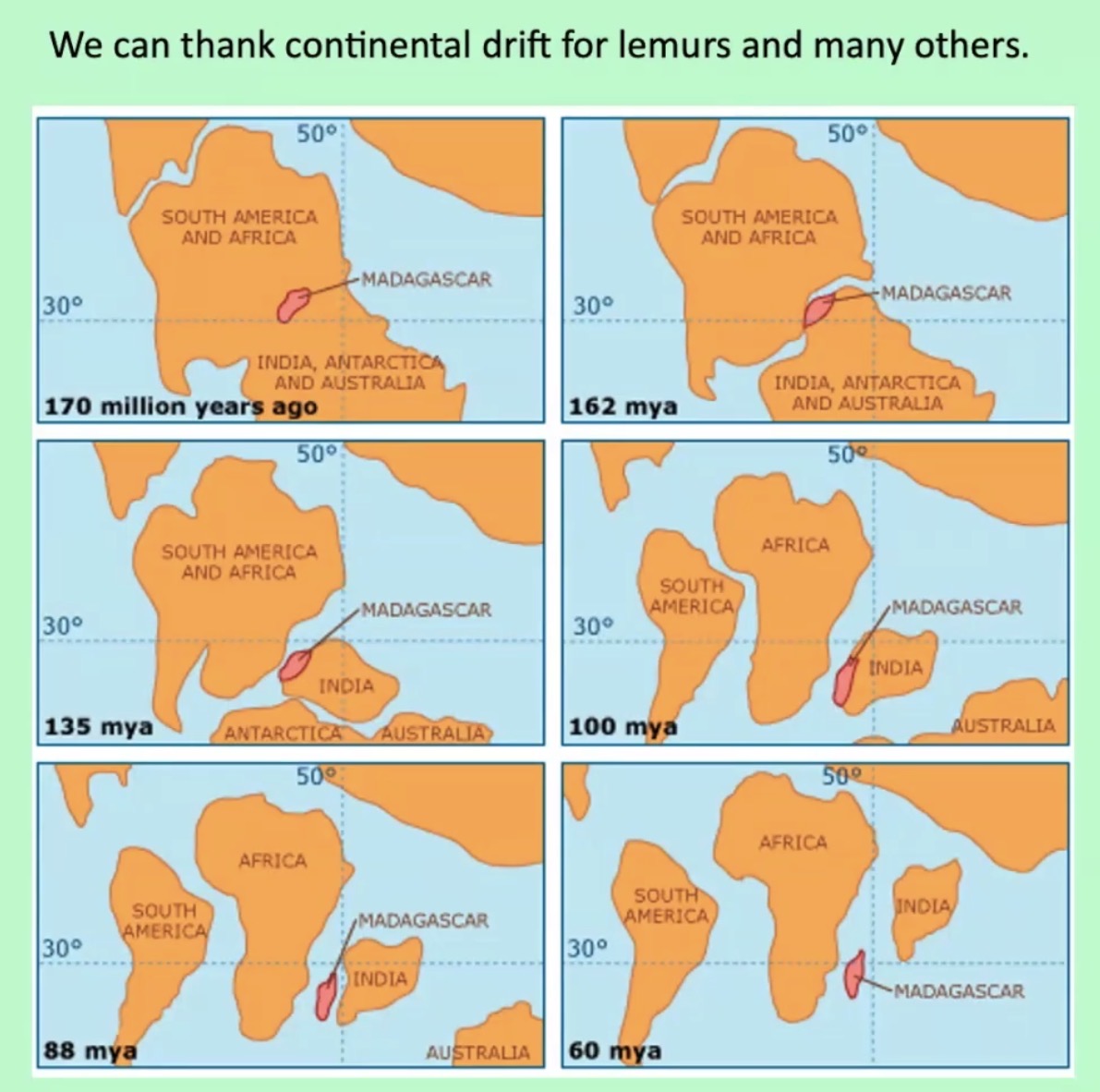
One of the main reasons why Madagascar is so unique is its complete isolation for more than 88 million years
Madagascar’s Separation from Gondwana and the Evolution of Its Unique Wildlife
Madagascar is one of the most biologically unique places on Earth. Around 90% of its plants and animals are found nowhere else. This remarkable biodiversity is closely linked to the island’s geological history — especially how it broke away from the ancient supercontinent known as Gondwana and remained isolated for millions of years.
1. Gondwana: The Ancient Supercontinent
About 500–180 million years ago, most of the Southern Hemisphere’s landmasses were joined together in a giant supercontinent called Gondwana. It included the present day:
- Africa
- South America
- Antarctica
- Australia
- India
- Madagascar
Due to movements in Earth’s tectonic plates, Gondwana slowly began to break apart during the Jurassic Period.
2. How Madagascar Split from Gondwana
Separation from Africa
Around 165 million years ago, Madagascar and India separated from mainland Africa. This occurred when tectonic forces created rifts and new ocean crust between the landmasses, eventually forming the Mozambique Channel.
At this stage:
- Madagascar was still attached to India.
- Africa drifted westward.
- Madagascar began its long isolation from the African continent.
Separation from India
Later, about 88–90 million years ago, Madagascar split from India as India rapidly drifted northward toward Asia.
This event left Madagascar isolated in the Indian Ocean, with no land bridges connecting it to Africa or Asia. Because of this geographic isolation, plants and animals on the island evolved independently for tens of millions of years.
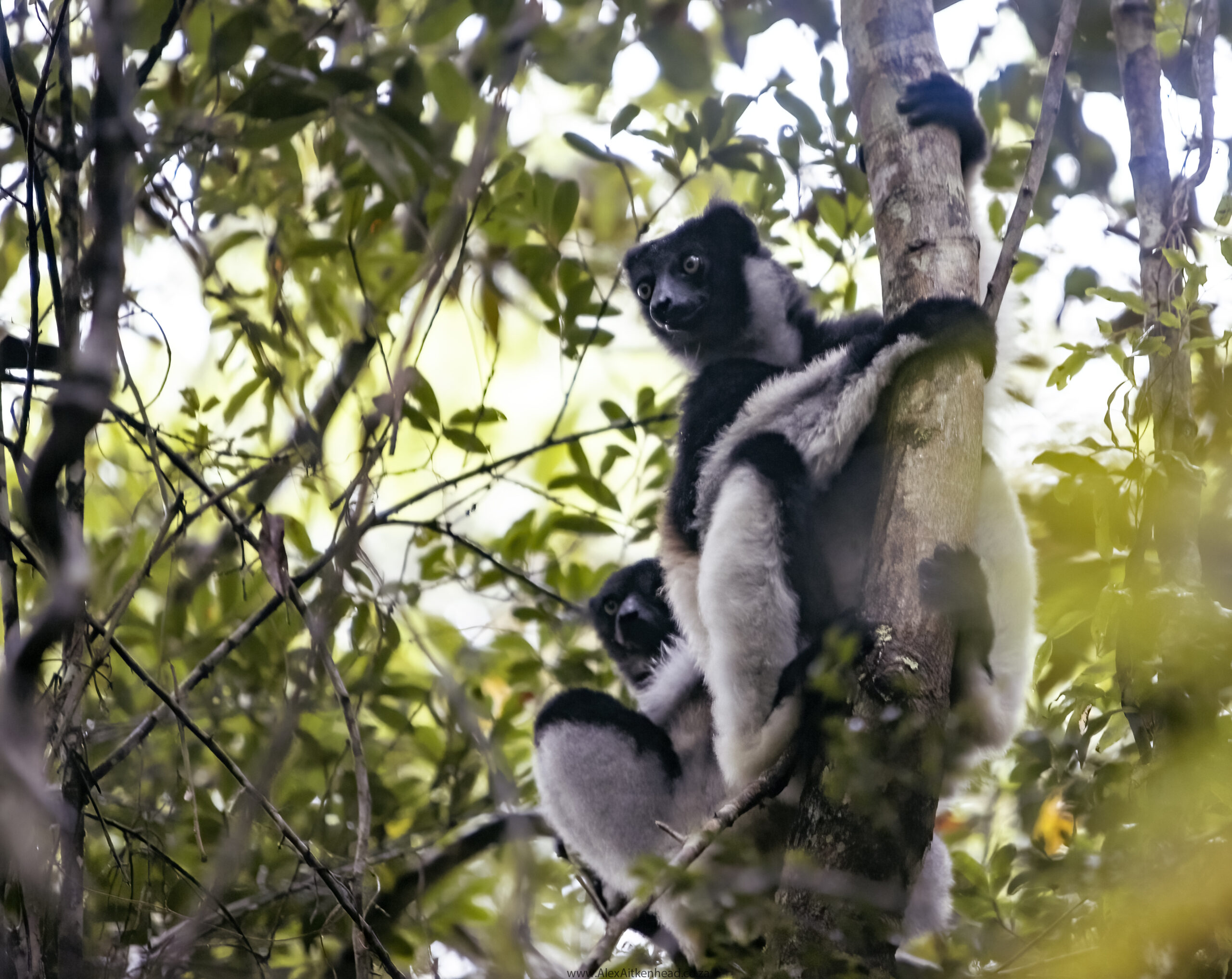
Indri Indri, the Largest of all the Lemurs and also called the Babako (Father of the forest). This Lemur is also known as the singing Lemur)
3. Why Isolation Created Unique Species
Isolation is one of the strongest drivers of evolution. Once Madagascar became separated from other continents:
- Species on the island could no longer easily mix with mainland populations.
- Animals and plants adapted to Madagascar’s specific environments.
- Evolution occurred independently, producing entirely new species.
This process is called adaptive radiation, where organisms diversify into many forms to fill different ecological niches.
Because there were fewer predators and competitors than on mainland Africa, many species evolved in unusual ways.
4. Madagascar’s Unique Endemic Species
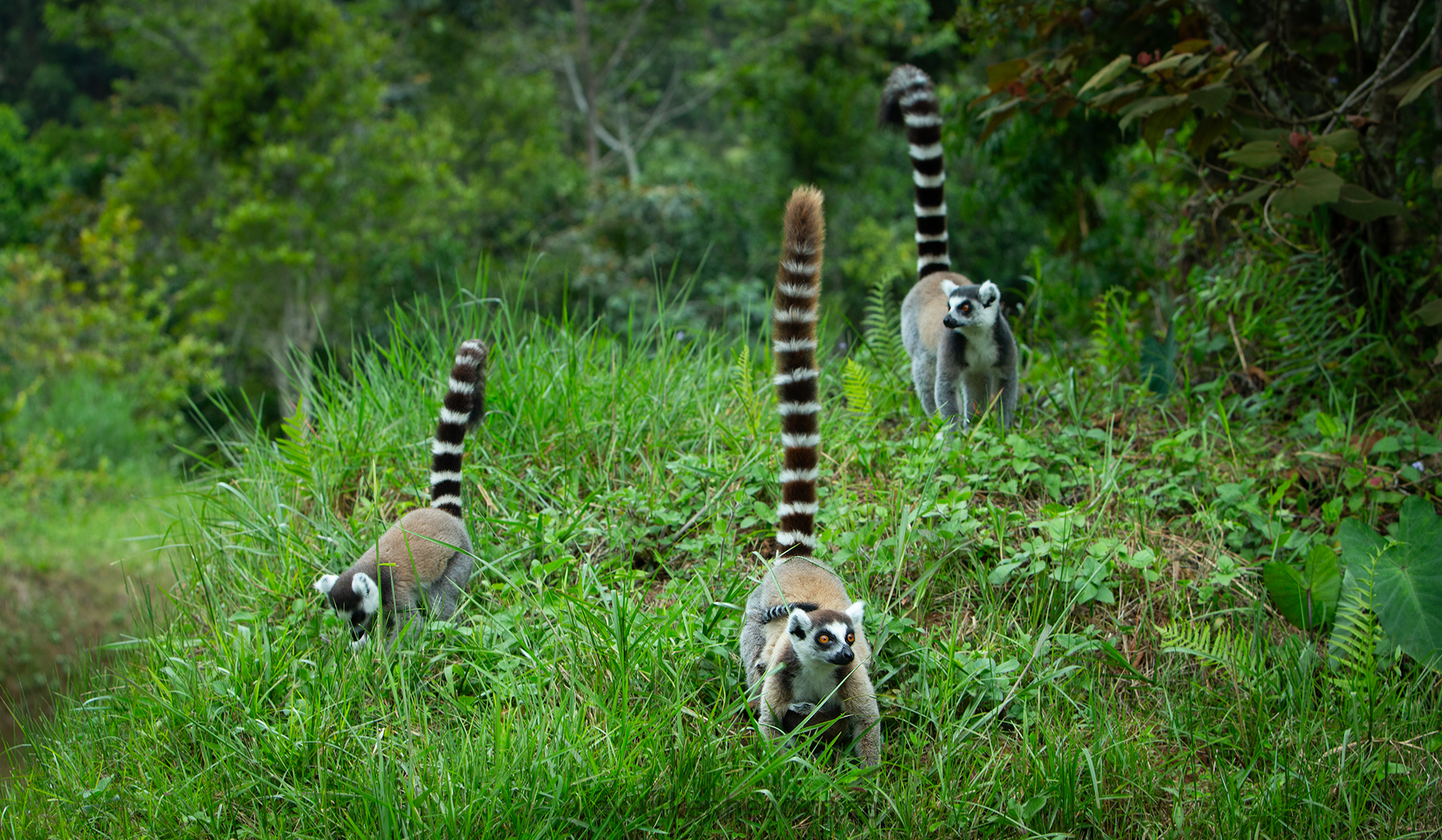
The most famous of all the Lemurs, Ring-tailed Lemurs are generally seen at most Locations
Lemurs
The most famous endemic animals are the Lemurs.
Lemurs are primitive primates found naturally only in Madagascar. Scientists believe their ancestors arrived from Africa around 50–60 million years ago, probably by floating on vegetation rafts across the Mozambique Channel.
Once on Madagascar:
- They evolved into more than 100 species.
- Different lemurs adapted to forests, mountains, deserts, and nocturnal lifestyles.
Unlike Africa, Madagascar never developed monkeys or apes naturally, allowing lemurs to dominate many ecological roles.
Lemurs are a diverse group of primates endemic to the island of Madagascar. Classified as prosimians (meaning “before monkeys”), they represent an ancient, ancestral form of primate that branched off before the evolution of modern monkeys and apes.

Diademed Sifaka out in the open and not hiding in the high tree canopy. (C) Alex Aitkenhead
Key Characteristics of Lemur Prosimians
Prosimians are distinguished from “higher primates” (simians, such as monkeys and humans) by several ancestral and specialised physical traits:
- Wet Noses (Rhinarium): Unlike simians, prosimians have a moist, hairless tip on their snouts that is connected to the upper lip, which drastically enhances their sense of smell.
- The Dental Comb: Most lemurs have a specialised lower set of incisors and canines that jut forward, forming a “toothcomb” primarily used for grooming and scraping tree sap.
- Grooming Claws: While they have nails on most digits, prosimians retain a specialised “toilet claw” on the second toe of their hind feet, used specifically for grooming.
- Superior Night Vision: Many prosimians are nocturnal and retain a reflective layer behind the retina, called the tapetum lucidum, which dramatically improves low-light vision.
- Brain Structure: Relative to their body size, lemurs and other prosimians generally have smaller brains and rely more heavily on auditory and olfactory processing compared to monkeys.
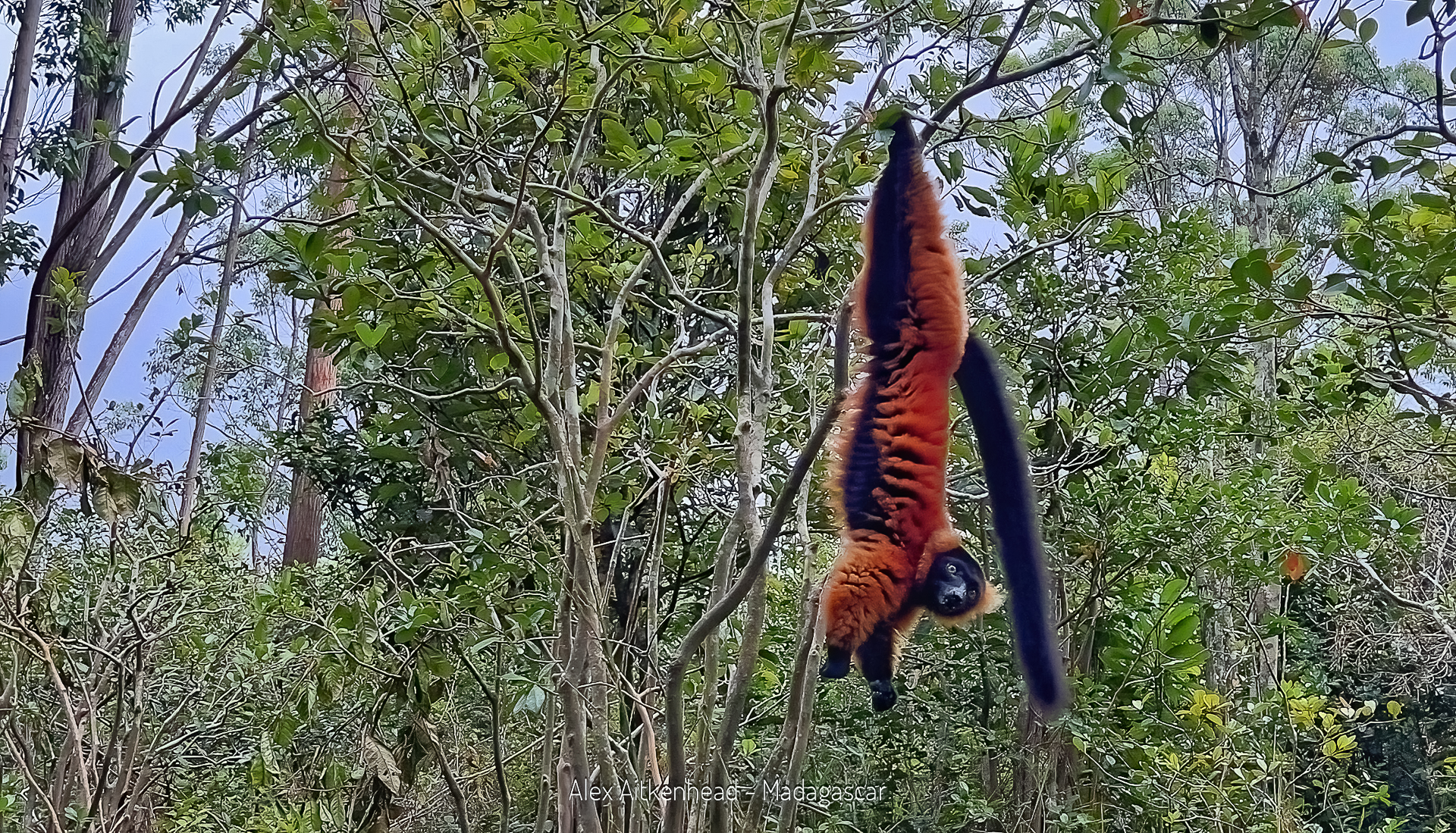
Red-ruffed Lemur, Vakona Island, found in the wild in the Masoala National Park, Northeastern Madagascar
Classification and Taxonomy
In the primate family tree, lemurs are strictly grouped under the suborder Strepsirrhini (meaning “curved-nosed” primates). The prosimian group traditionally includes lemurs, lorises, galagos (bushbabies) of Africa/Asia, and tarsiers. However, scientists now typically separate tarsiers into their own infraorder (Haplorrhini) alongside monkeys and apes, while lemurs and lorisoids make up the strepsirrhines.
Evolution in Isolation
The most defining aspect of lemurs is their geographic isolation. When Madagascar broke away from the African continent tens of millions of years ago, ancestral prosimians were carried along. Without competition from more evolved monkeys, these early primates survived, diversified, and adapted into over 100 distinct species today—ranging from the tiny Madame Berthe’s mouse lemur to the singing Indri.
Because of their fragmented habitats, lemurs are considered among the most highly threatened and endangered groups of primates in the world.
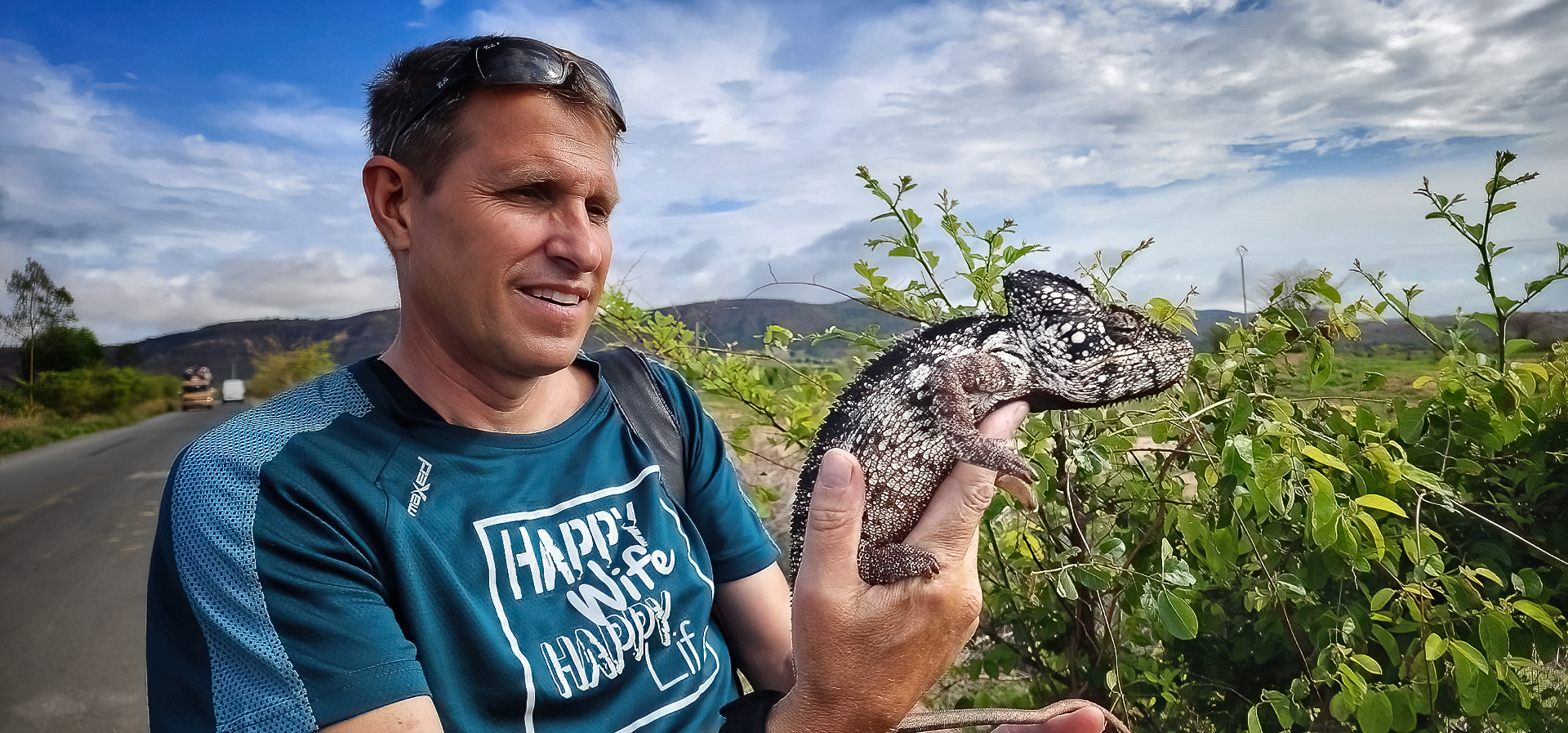
Giant Oostelets Chameleon, this one was enormous, another reason to visit the enchanted Island, the Chameleons are from another world
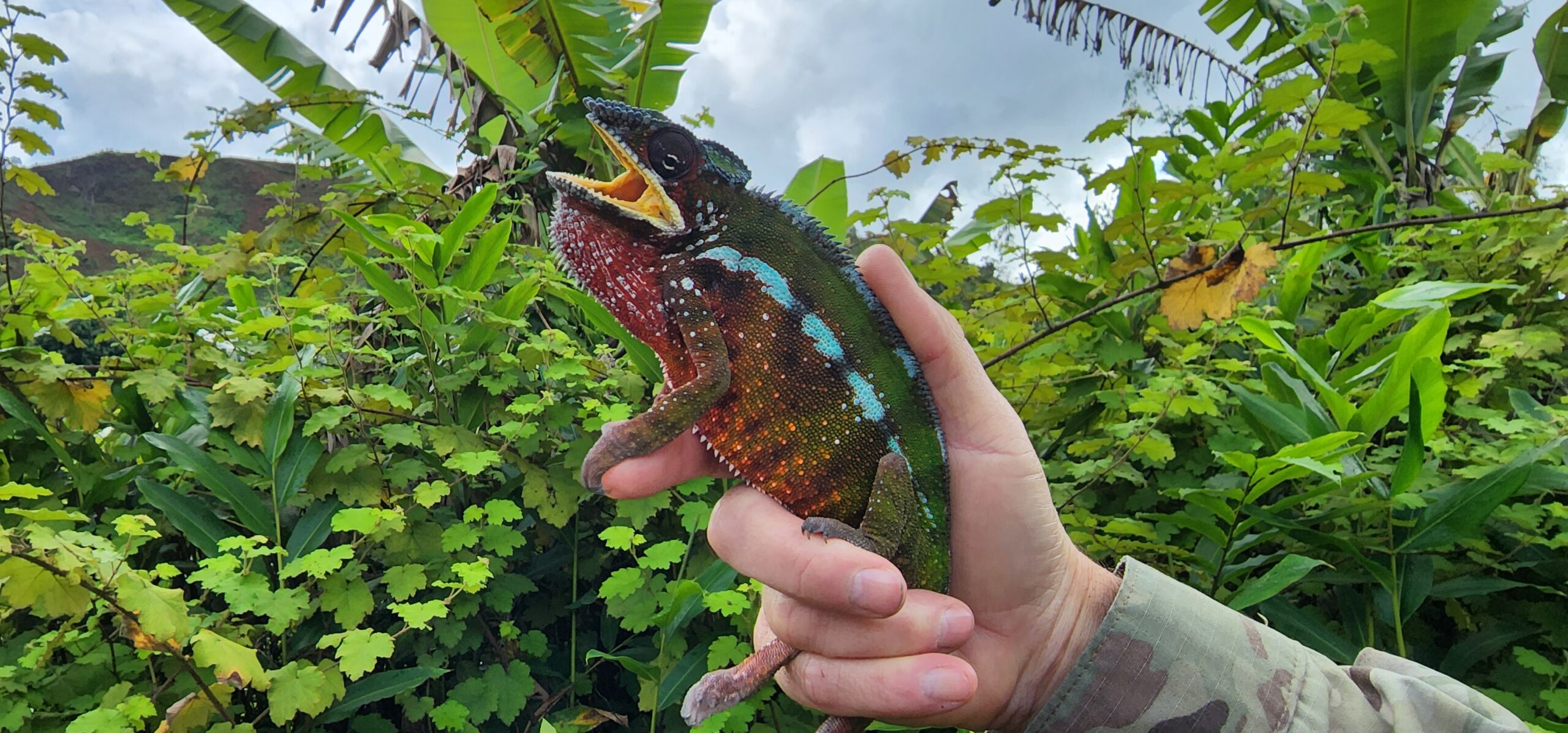
We found the Pantha Chemeleon in the middle of the road, by far the most aggressive of all the chemeleons we found
Chameleons and Reptiles
Madagascar is home to about half the world’s chameleon species.
Notable examples:
- Panther Chameleon
- Parson’s Chameleon
The island also contains unique geckos, boas, and leaf-tailed reptiles adapted for camouflage.
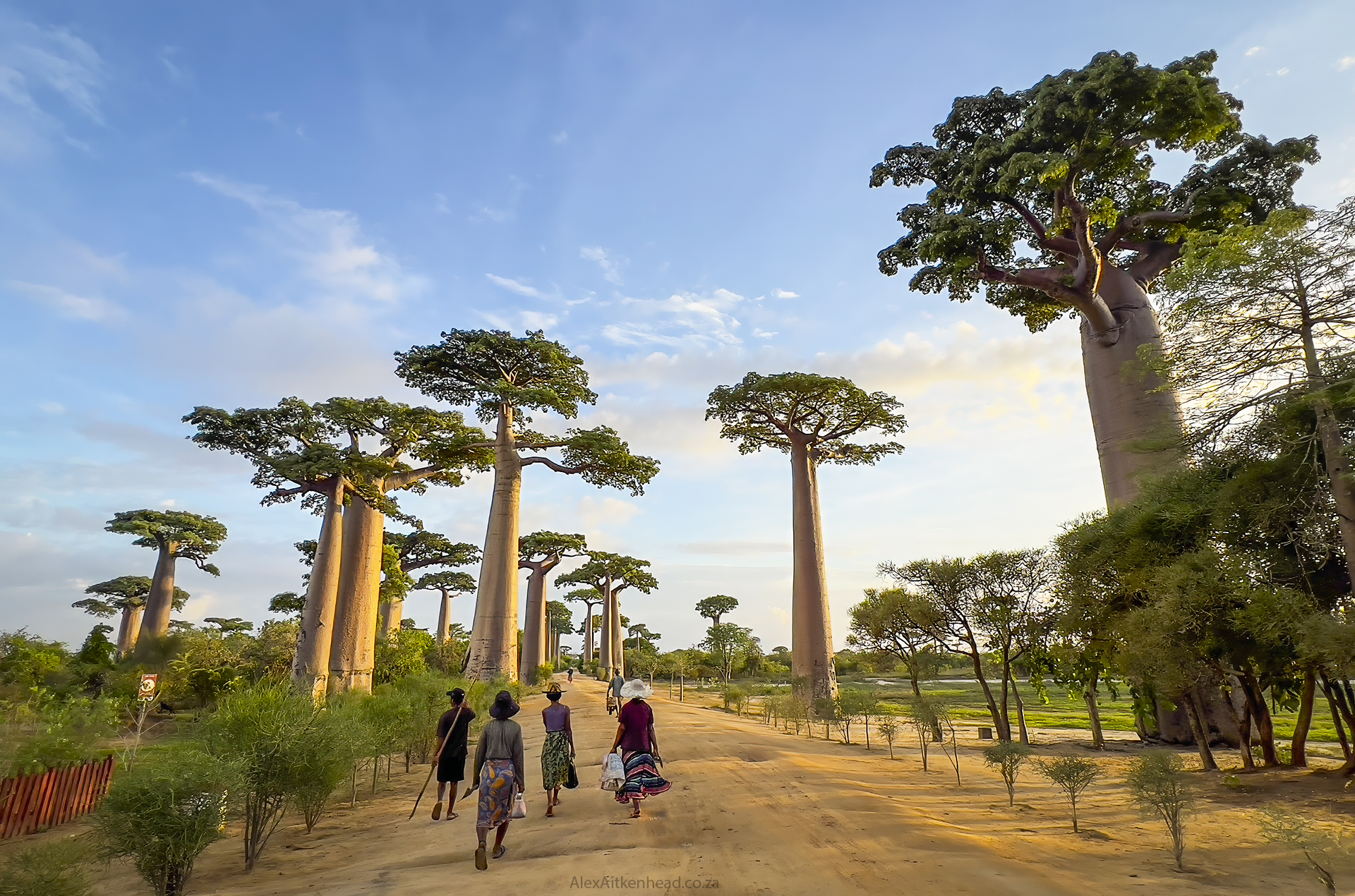
The Avenue of the Baobabs at Sunset was as impressive as all the images we reviewed before our visit. Definitely an unforgettable experience.
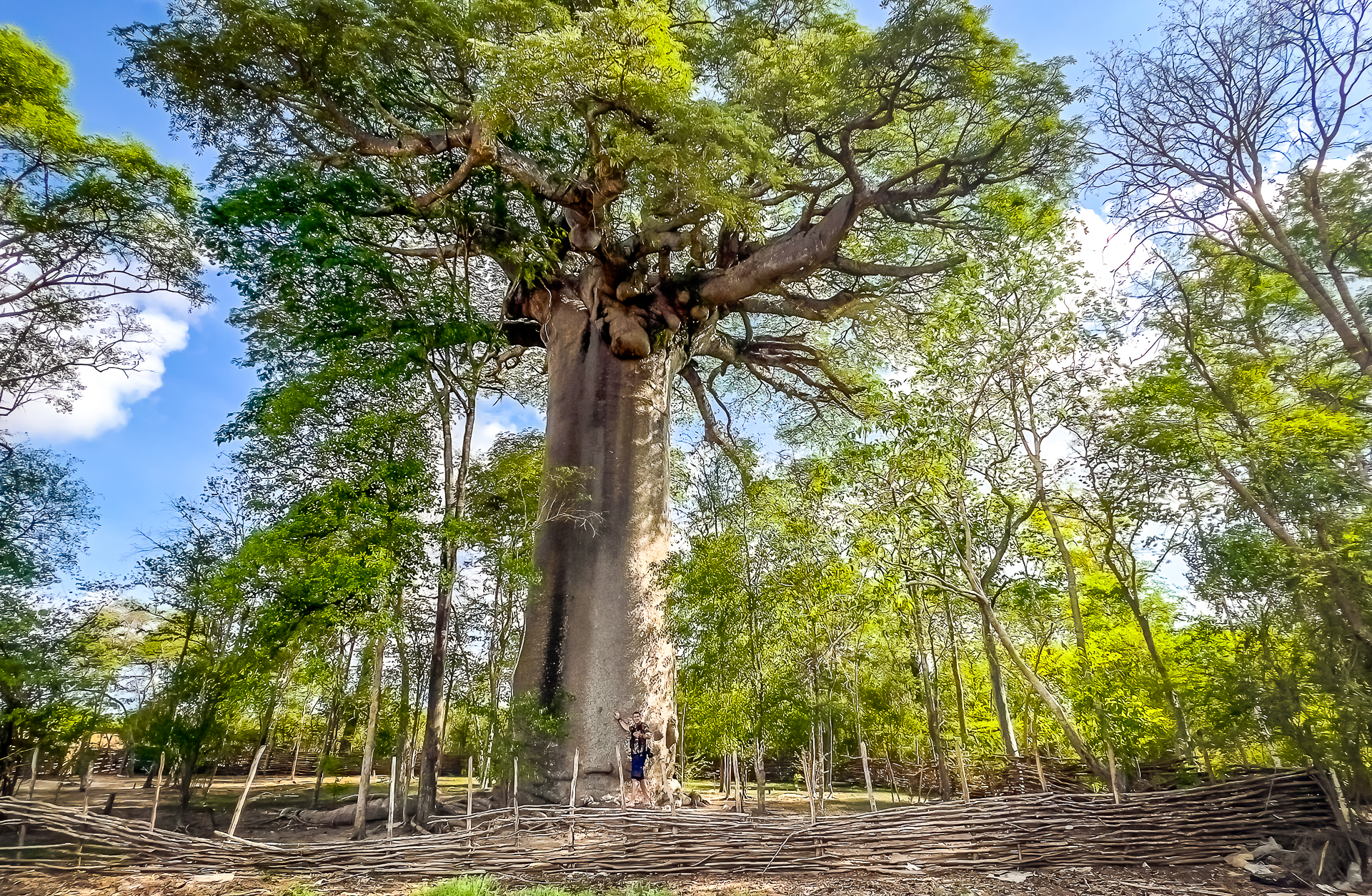
Another Remarkable Baobab and just one of many Majestic trees we witnessed
Baobab Trees
Several iconic Baobab species evolved in Madagascar.
These trees store water in their massive trunks and are adapted to dry environments. Madagascar has six endemic baobab species, more than anywhere else in the world.
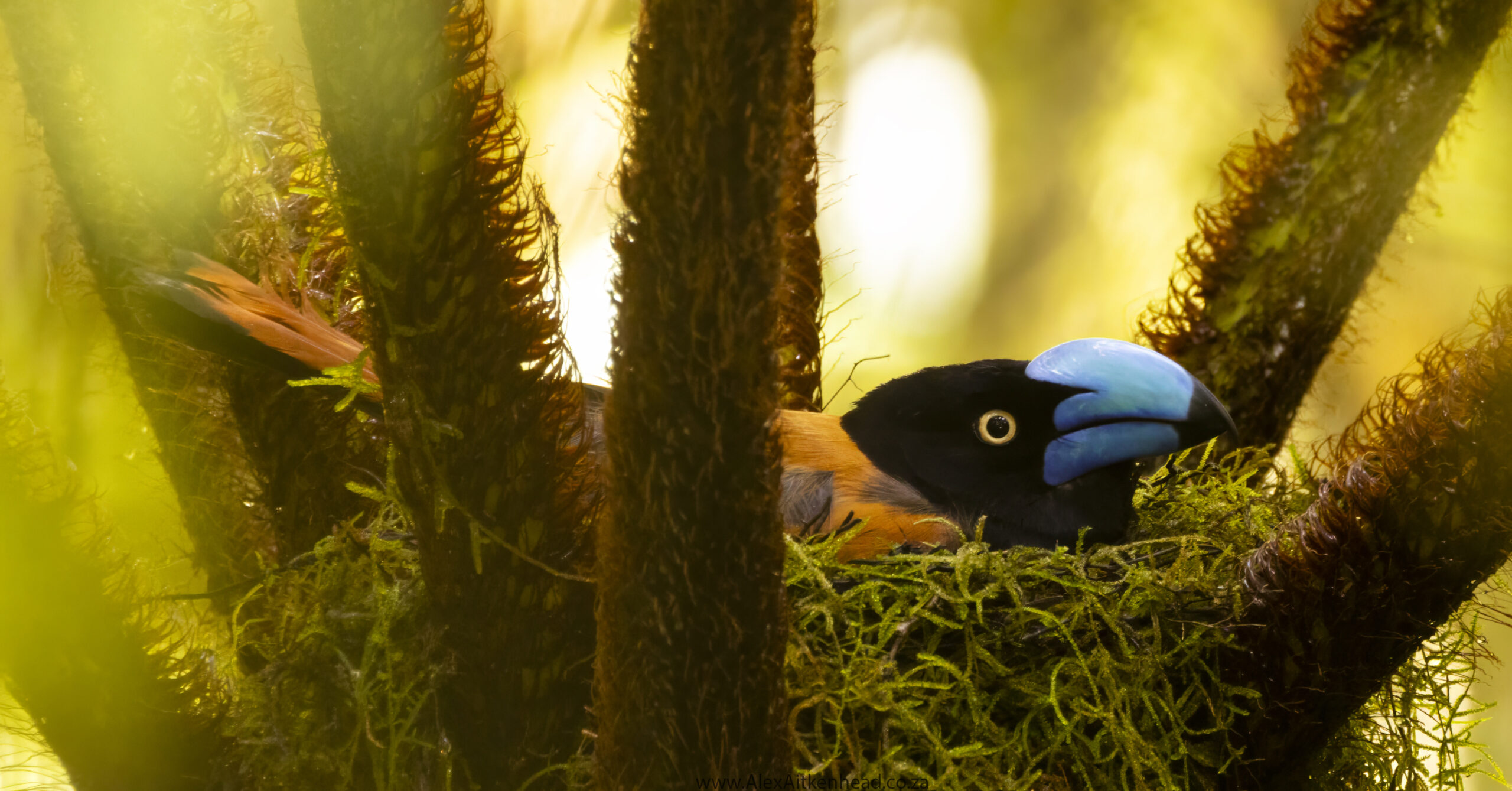
The Helmet Vanga, a top 100 Bird Species of the World. Getting to tick this one off required lots of planning, some incredible luck and a two-hour hike deep into the Forest.

Comet Moth, everything in Madagascar is Huge and Spectacular
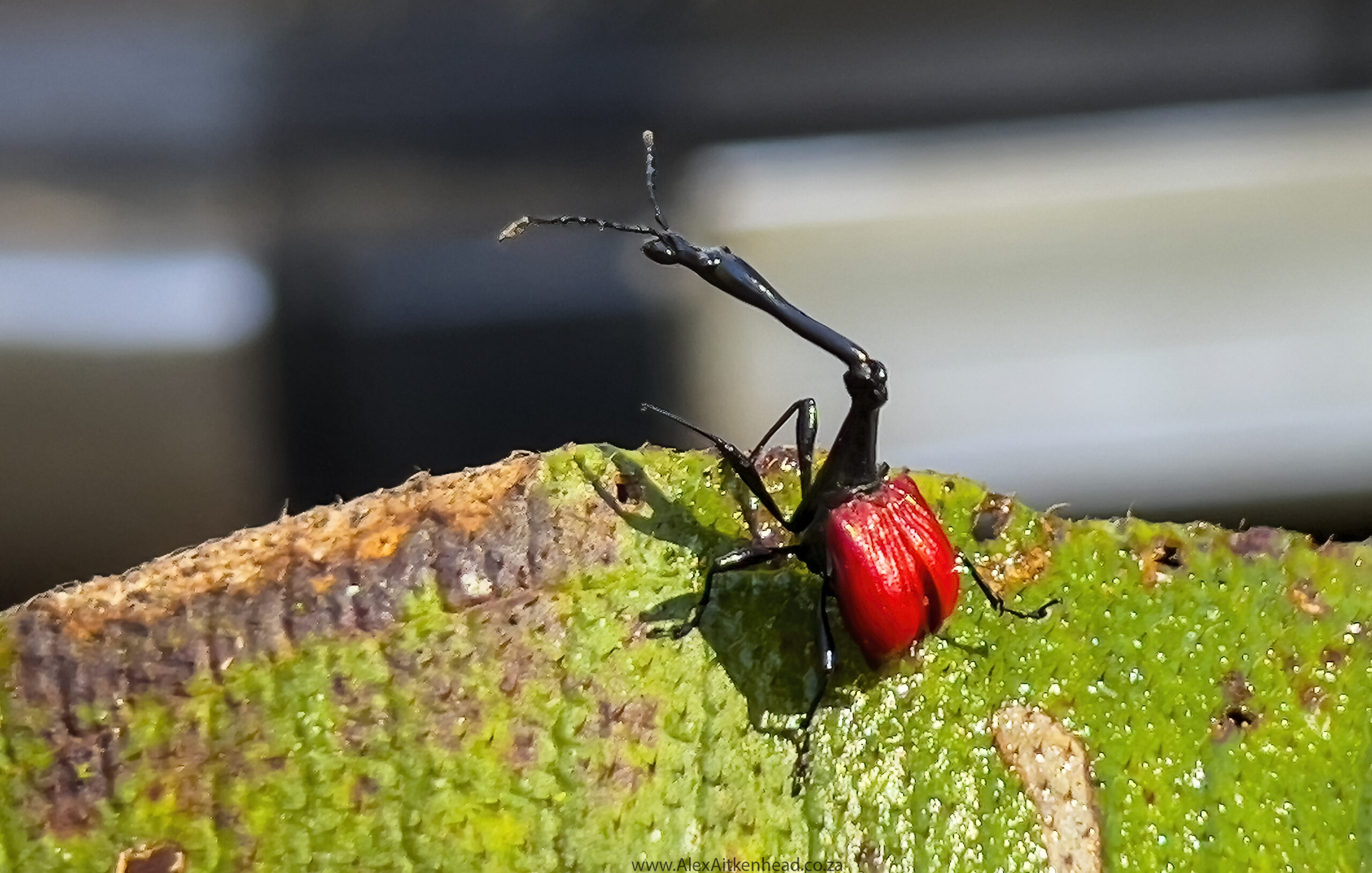
Giraffe weevil, this is a male with the longer neck, the female has the shorter Neck, Iaroka Forest
Birds, Insects, and Plants
Many Malagasy birds, frogs, orchids, and insects are also endemic. Examples include:
- Fossa — Madagascar’s top predator
- Tomato Frog
- Giraffe Weevil
Over 80% of Madagascar’s plant species are unique to the island.
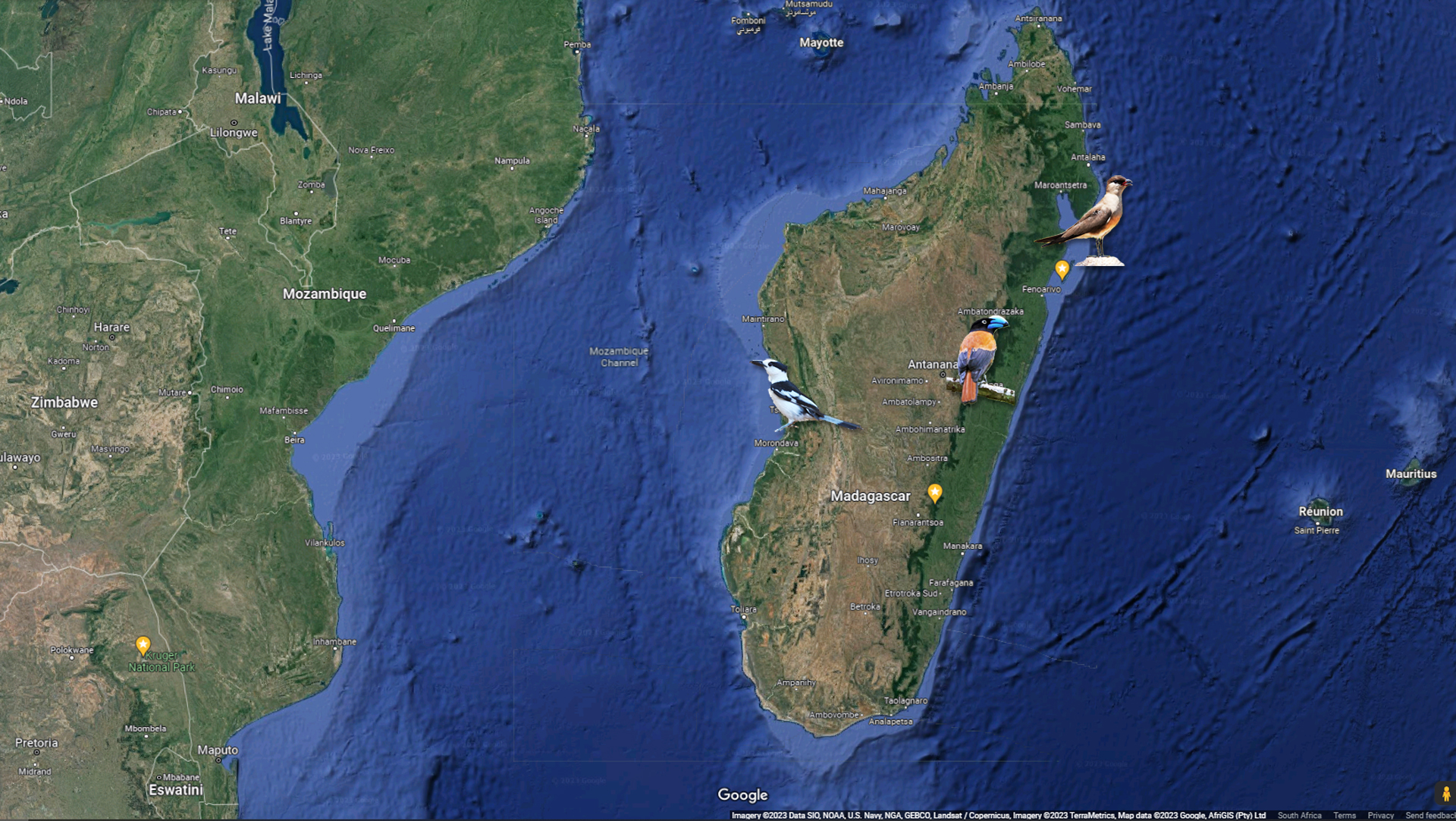
Separation from the continent of Gondwana about 188 million years ago and then its final separation from India 88 million years ago is what makes this Island such a unique Location
5. Comparison with Africa
Although Madagascar lies close to Africa geographically, its wildlife differs greatly because of its long isolation.
A breakdown of the five Lemur families highlights their defining traits:
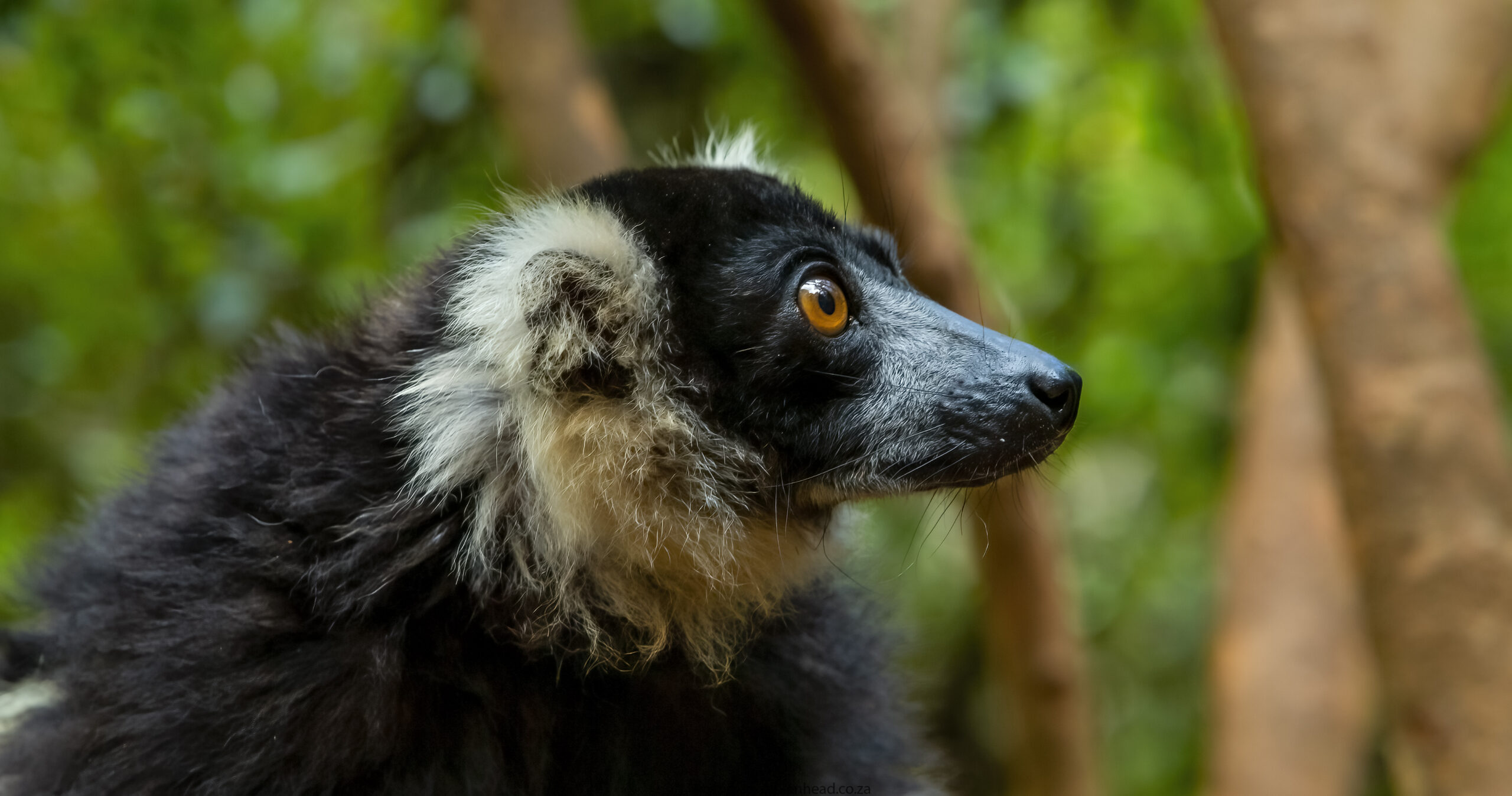
Black and White Ruffed Lemur, we enjoyed their company on Ile Aux Nattes

We had these small but friendly Bamboo Lemurs at Mantasoa

This Mom and little one followed us at Mantasoa
1. Lemuridae (True Lemurs & Bamboo Lemurs)
- Famous Species: Ring-tailed lemur, red-bellied lemur, black-and-white ruffed lemur, bamboo lemurs.
- Key Traits: These are the most active during the day (diurnal). They are highly social and live in multi-male/multi-female groups.
- , and primarily eat fruit, leaves, and bamboo.
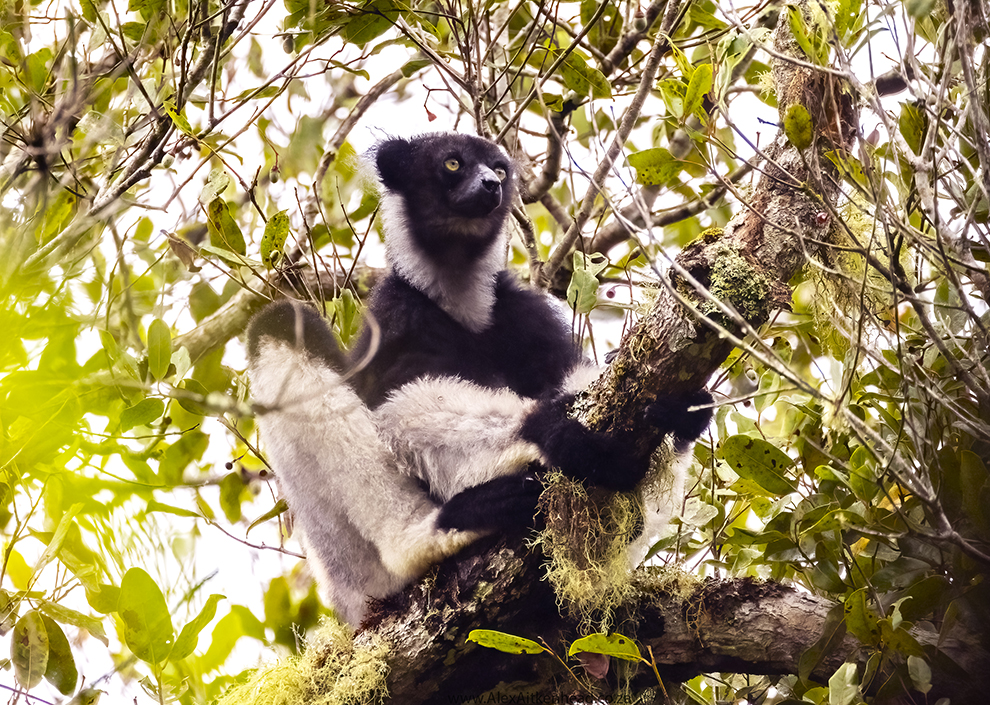
Indri Indri, the Largest of all the Lemurs and also called the Babako (Father of the forest). This Lemur is also known as the singing Lemur)
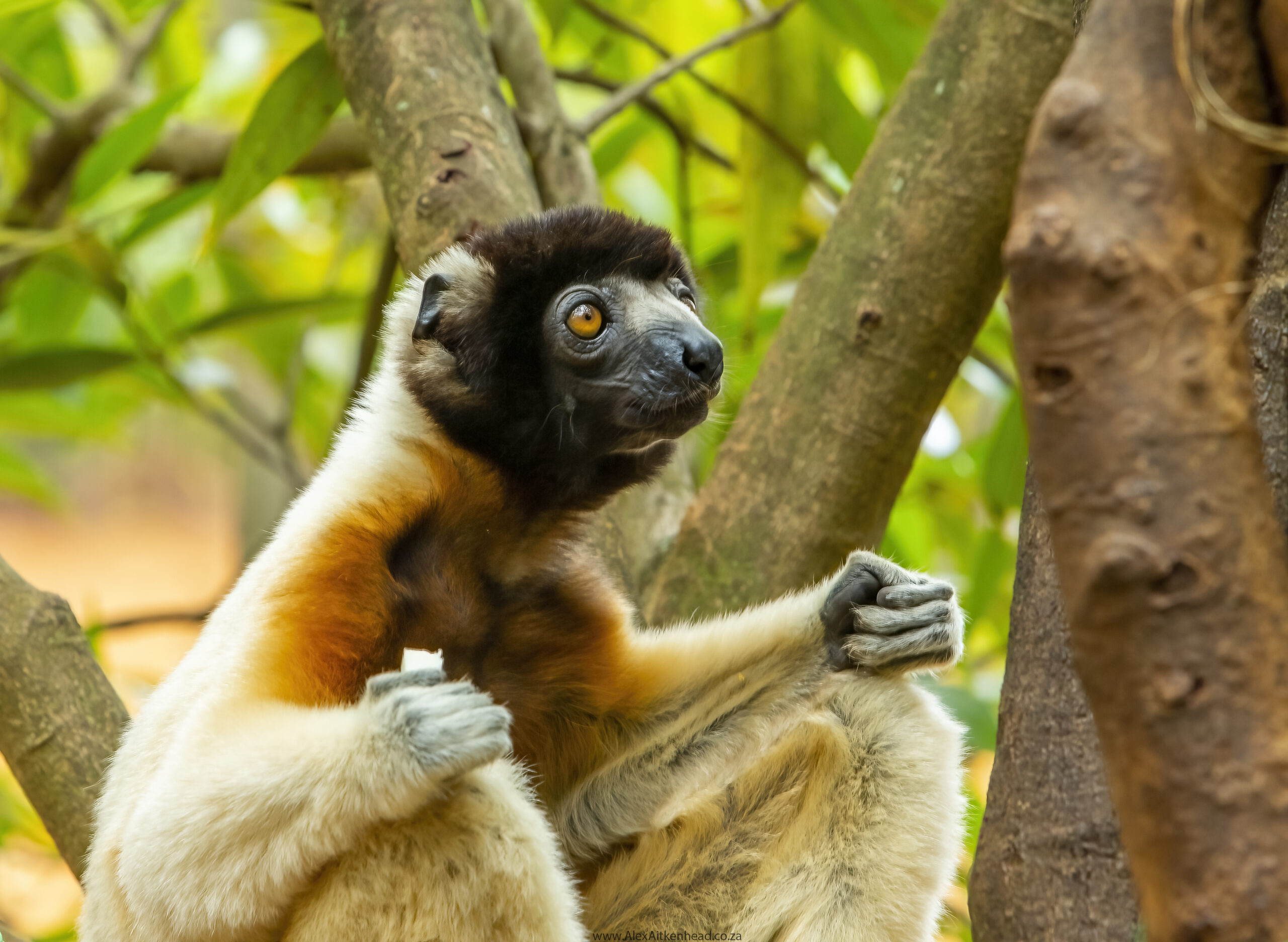
Crowned Sifaka seen at Lemurs world
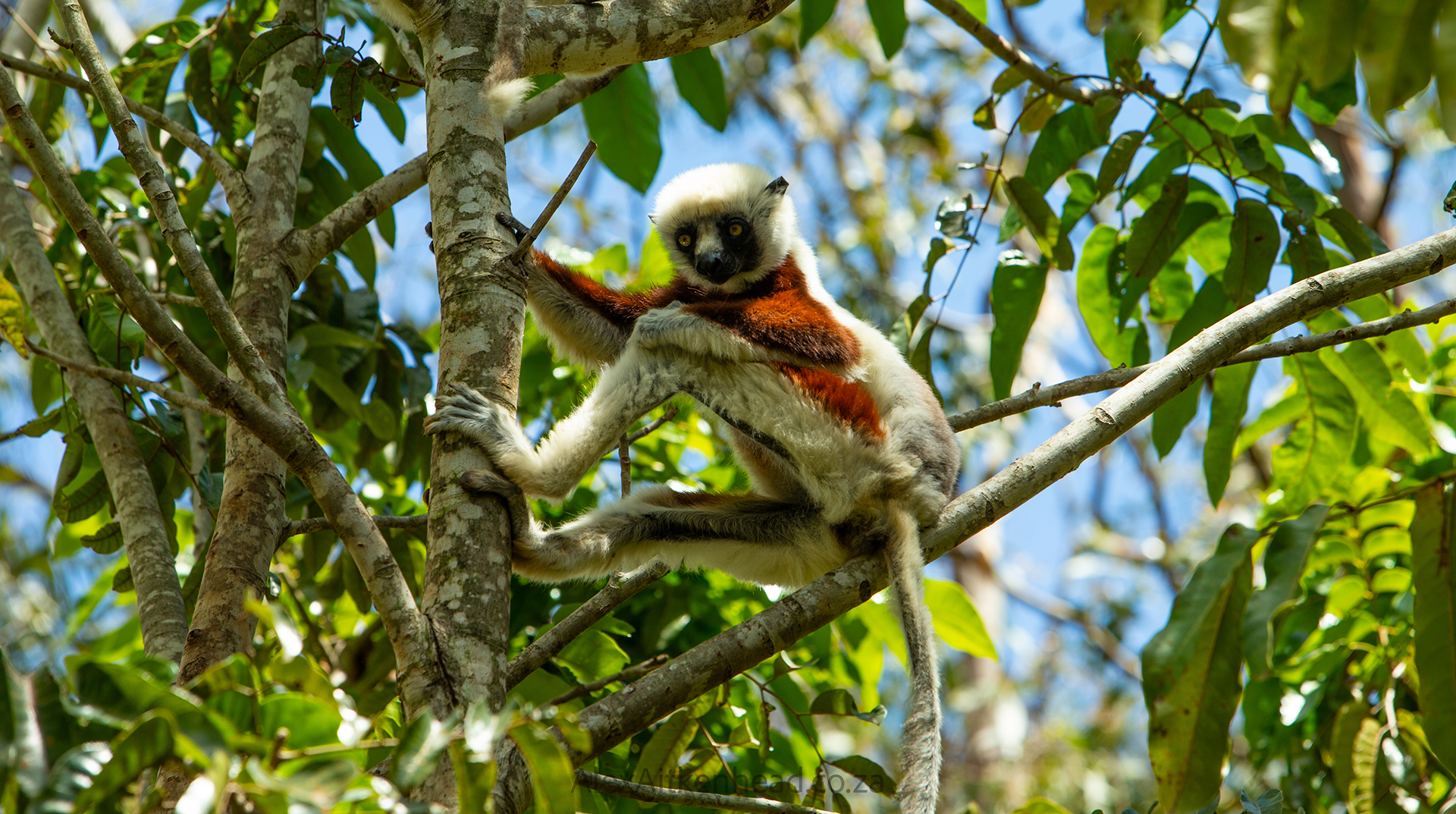
Coquerell’s Sifaka at Lemurs World
2. Indriidae (Indri, Sifakas, & Woolly Lemurs)
- Famous Species: The Indri, Coquerel’s sifaka, Eastern woolly lemur.
- Key Traits: The largest of the living lemurs. They are highly adapted for vertical clinging and leaping, using a kangaroo-like, upright hop when on the ground. The Indri is famous for its haunting, whale-like singing calls.
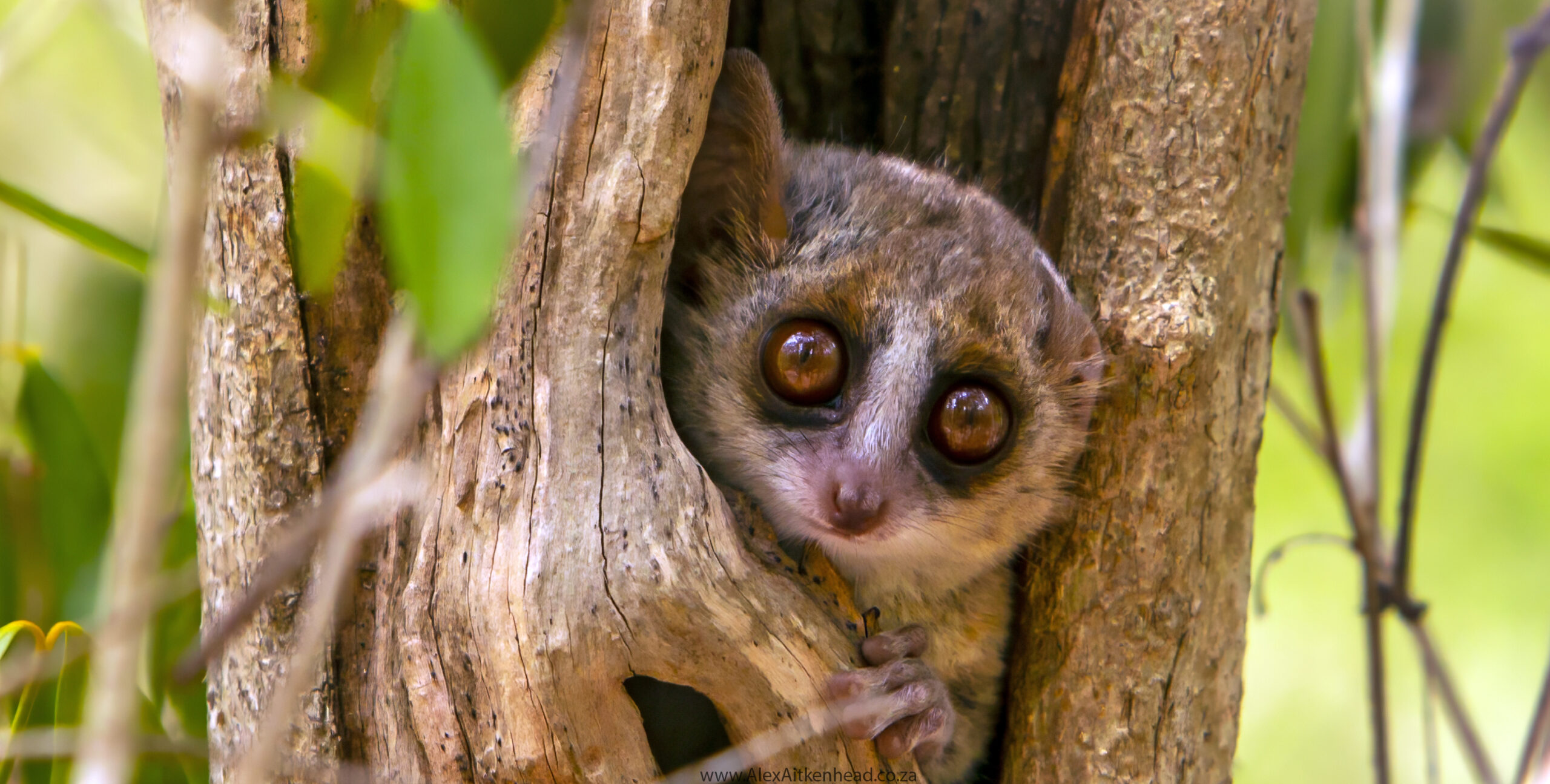
Definitely one of our favourite lemurs on our adventure after the Indri Indri, the Grey Lemur found in the Kirindy Forest
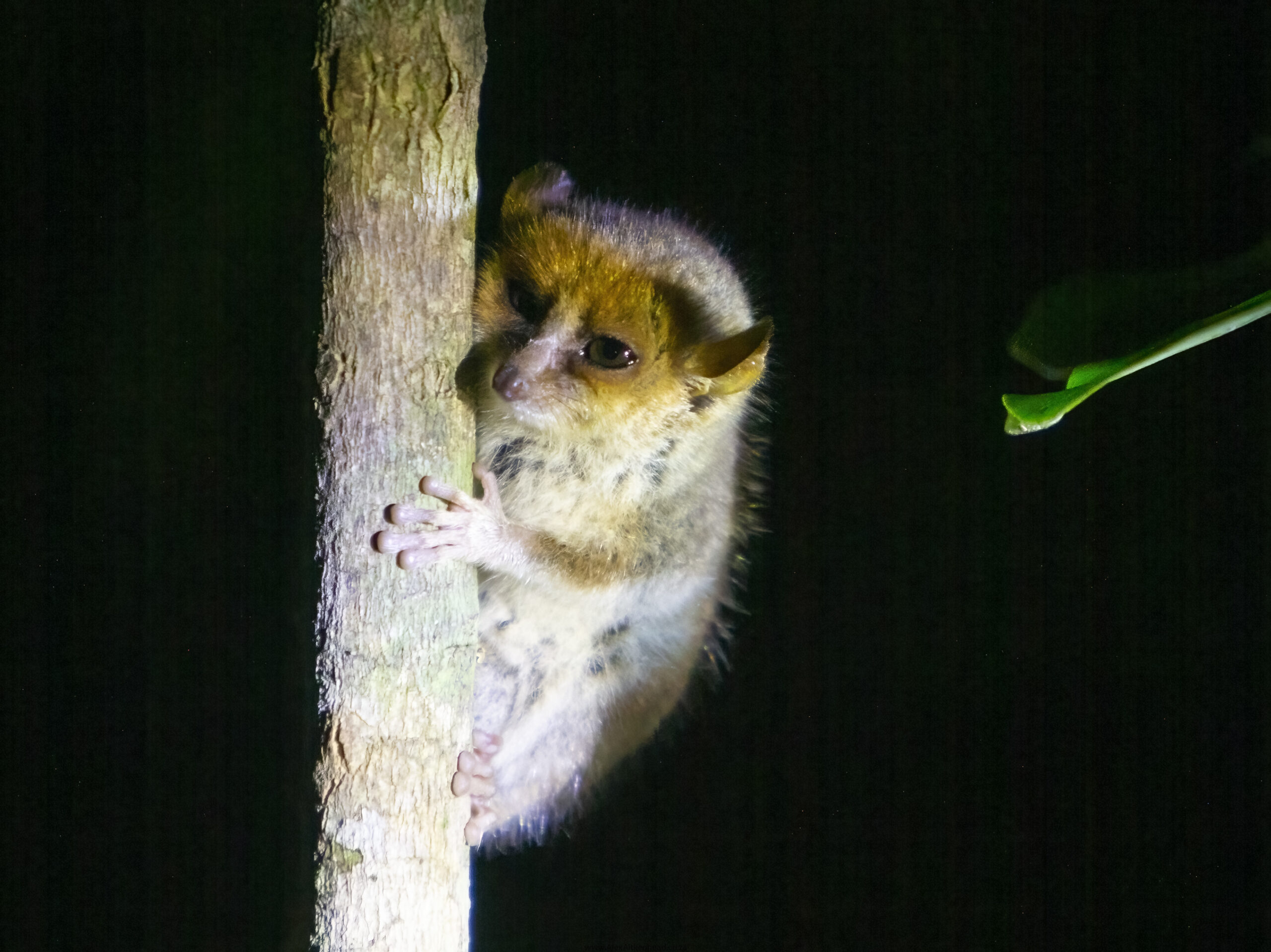
Simmon’s Mouse Lemur seen on our first night walk in Andasebe
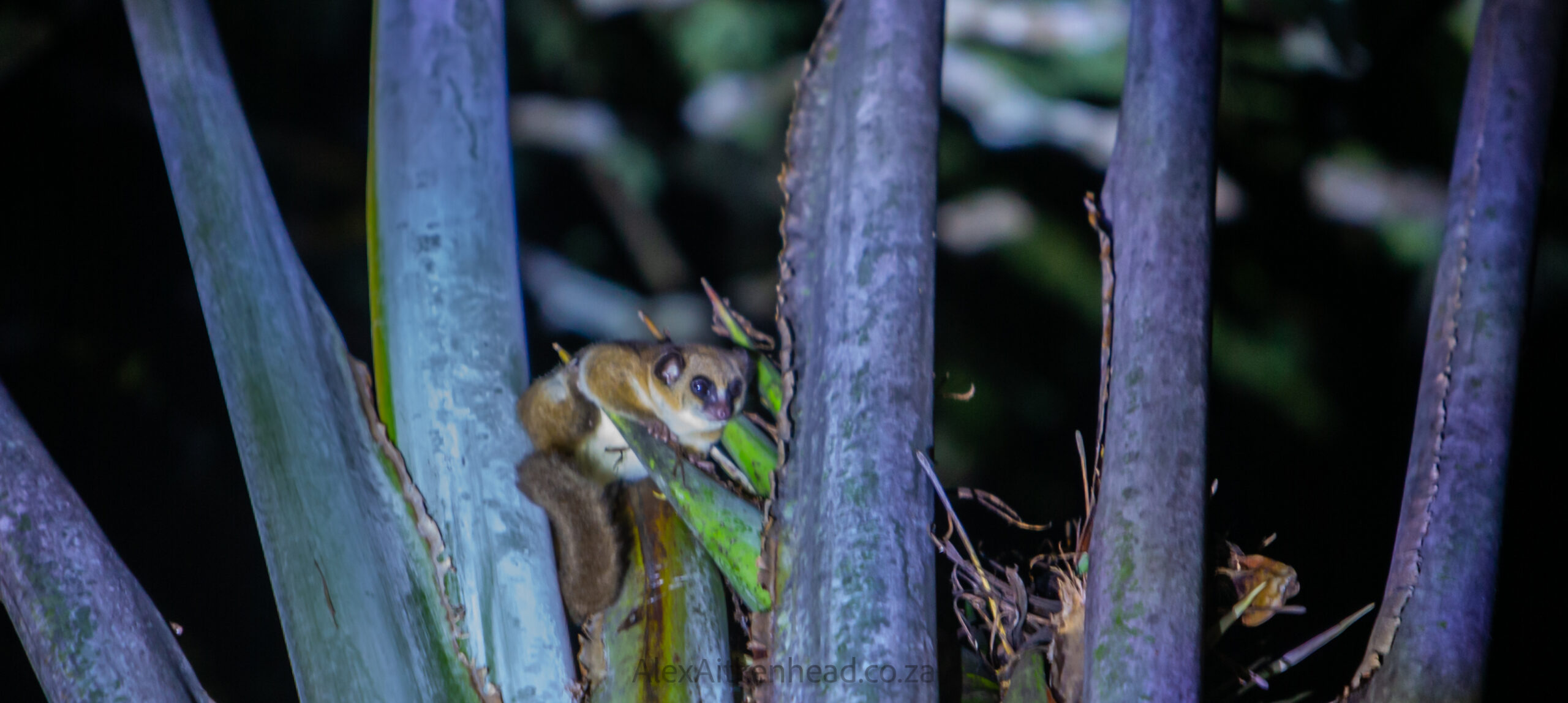
Greater Dwarf Lemur, seen on our first night walk in Andasibe
3. Cheirogaleidae (Dwarf & Mouse Lemurs)
- Famous Species: Madame Berthe’s mouse lemur, fat-tailed dwarf lemur.
- Key Traits: The largest family by species count and the smallest in body size. All members are strictly nocturnal. Some species store fat in their tails and undergo torpor or hibernation during the dry season.
4. Lepilemuridae (Sportive Lemurs)
- Famous Species: Milne-Edwards’ sportive lemur, northern sportive lemur.
- Key Traits: Strictly nocturnal, solitary leaf-eaters. They are specialised leapers named for their upright posture when perched on vertical tree trunks
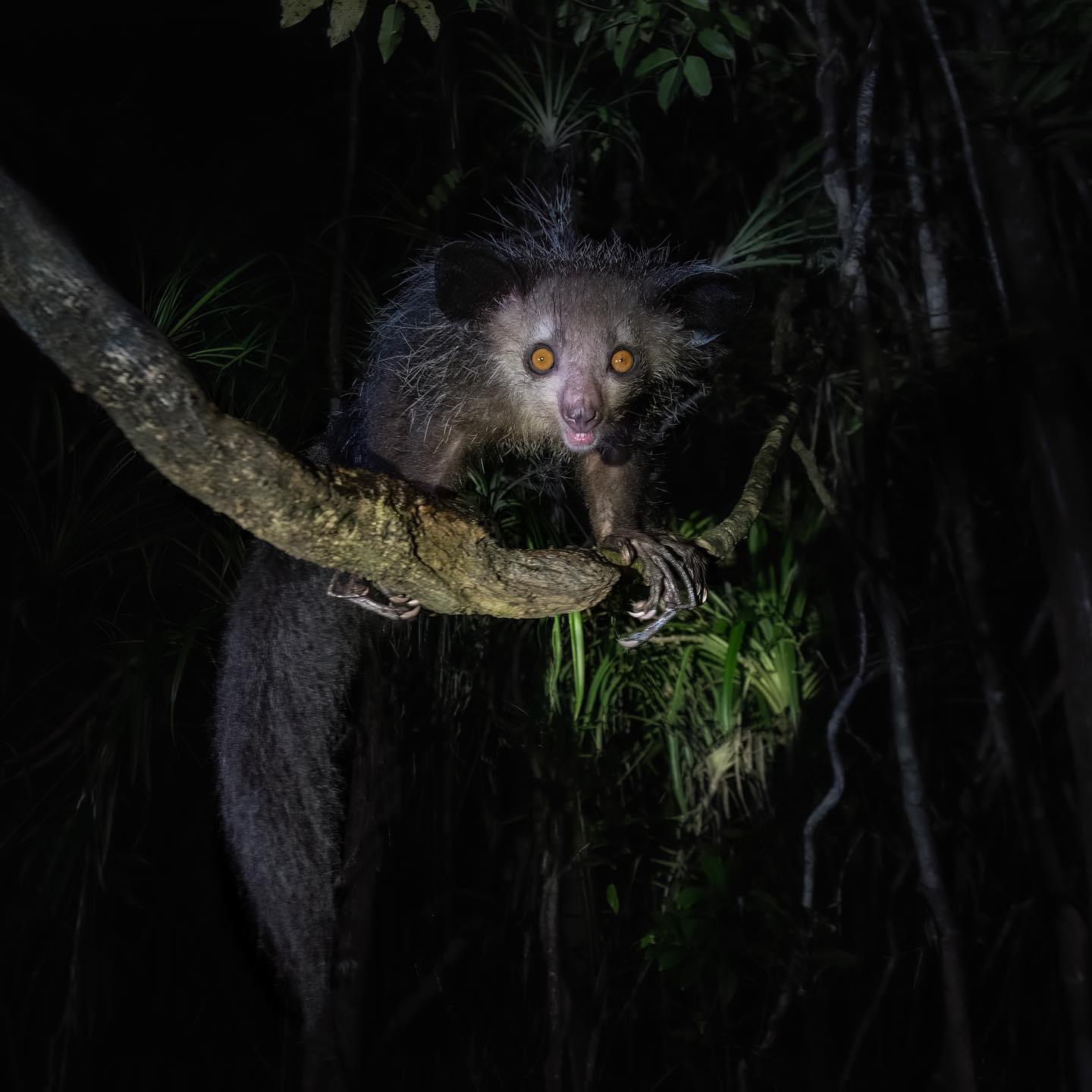
Aye-Aye Image Dale Morris
5. Daubentoniidae (The Aye-Aye)
- Famous Species: The Aye-aye.
- Key Traits: The most basal and distinct of all lemur families, consisting of only one surviving species. It is nocturnal and arboreal, using continuously growing rodent-like teeth to gnaw through wood, tapping with a specialised, elongated middle finger to extract grubs.
6. Extinct Families (Subfossil Lemurs)
While not living today, Madagascar once hosted three other families of massive lemurs (the Archaeolemuridae, Megaladapidae, and Palaeopropithecidae). The largest, the giant sloth lemur (Archaeoindris), was roughly the size of a male gorilla.
Madagascar’s Lemur Kingdom: Places, Encounters, and Adventures follow us as we trace our steps through this Island Paradise, an enchanted wonderland.
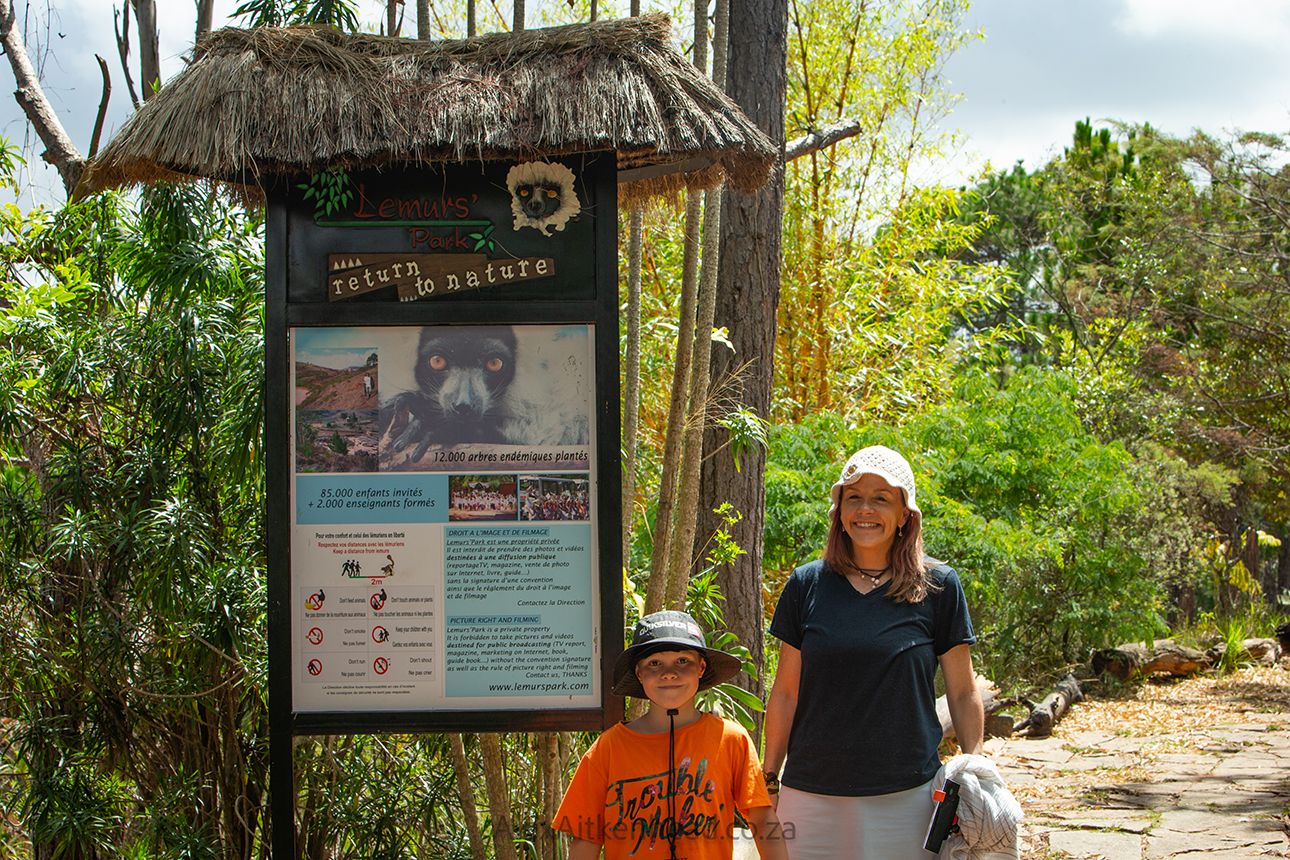
Lemurs Park was our first stop on our way to Ansirabe
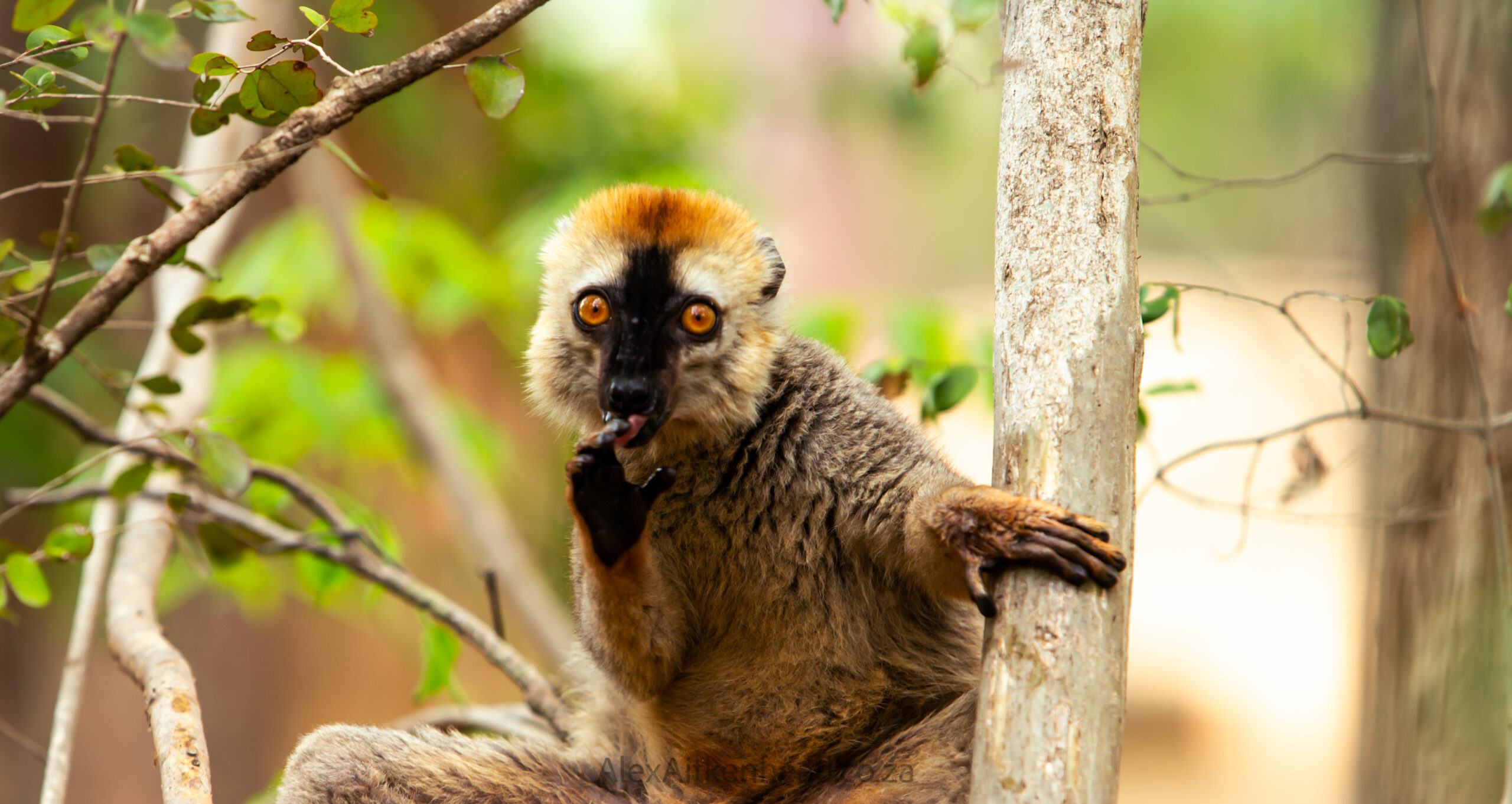
Red-fronted Brown Lemur at Kirindy Forest
Lemur’s Park:
Lemurs’ Park is located 25 km from the centre of Antananarivo on National Route 1 towards Imeritsiatosika. The lemur, a symbol of Madagascar’s endemic fauna in the Indian Ocean, is undoubtedly one of the most endearing animals on our planet. Lemurs’ Park was created to introduce this amazing animal to as many people as possible, to all enthusiasts and nature lovers, and to allow, over the years and through births, the reintroduction of lemurs born in the park into their natural habitat.
This 5-hectare estate, bordered by the Katsaoka River, is currently home to 7 species of lemurs from different regions of Madagascar, as well as other key representatives of Malagasy flora and fauna. Lemurs’ Park is a limited liability company dedicated to replanting endemic species for 19 years.
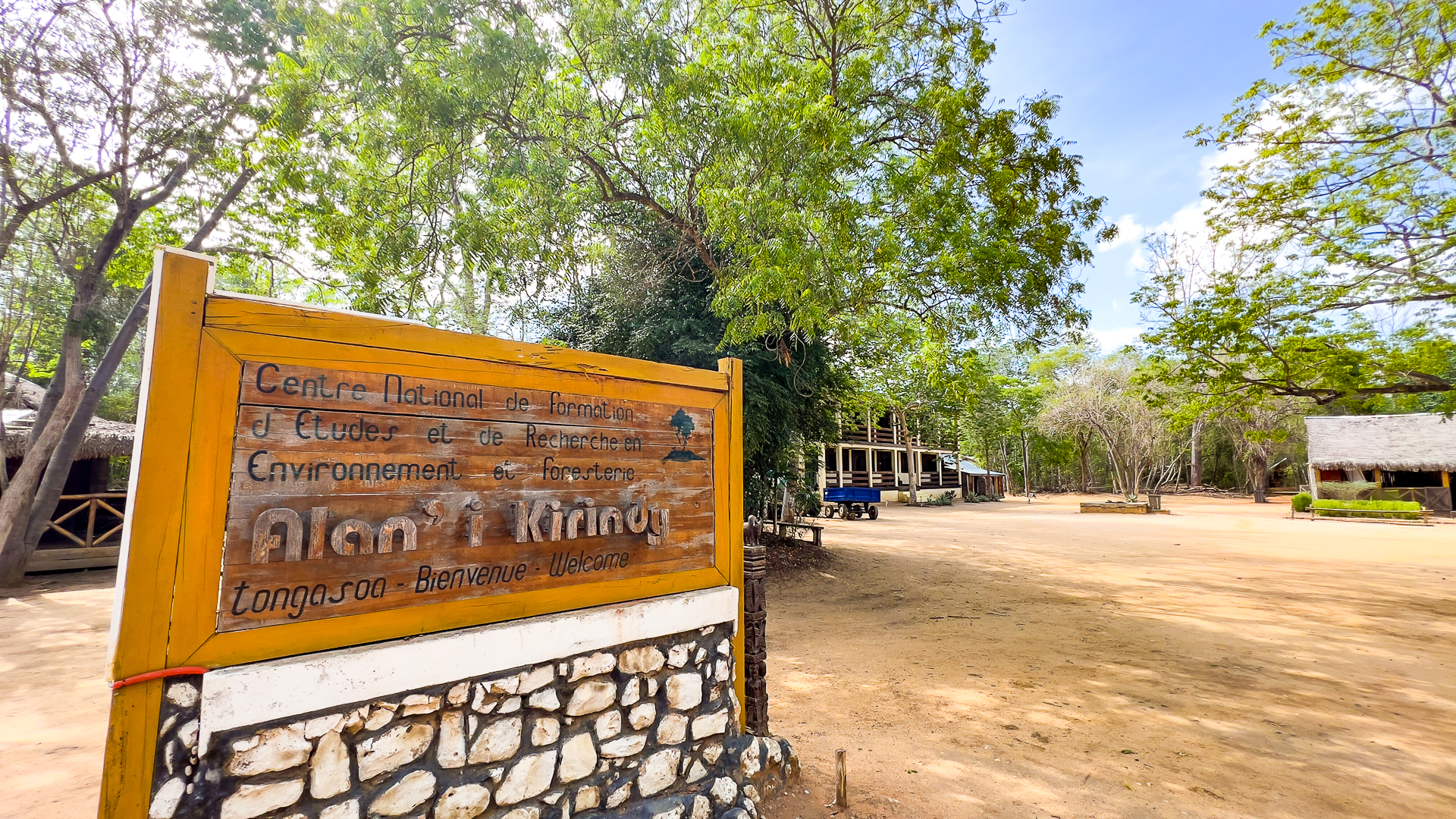
Kirindy was one of our target locations to see the Fosa, unfortunately, we were in the wrong season, so no luck. For Birds and Lemurs, we found this location to be one of the best in Madagascar
Kirindi Forest Reserve:
Kirindy Private Reserve is a true wildlife Oasis – a spot of hope amidst the destruction caused by human development in Western Madagascar. Formerly a Swiss forestry training station and now an active German primate research base, Kirindy Private Reserve is an absolute gem.
This 120-square-kilometre tract of dry deciduous forest is one of Madagascar’s truly outstanding natural areas – a fauna and flora hotspot amidst encroached lands. Kirindy was established in the late 1970s as an experiment in sustainable logging and forest management and is now a protected area. A look at the cleared (and degraded) land on either side of the reserve, and we appreciate just how important this protected area is.
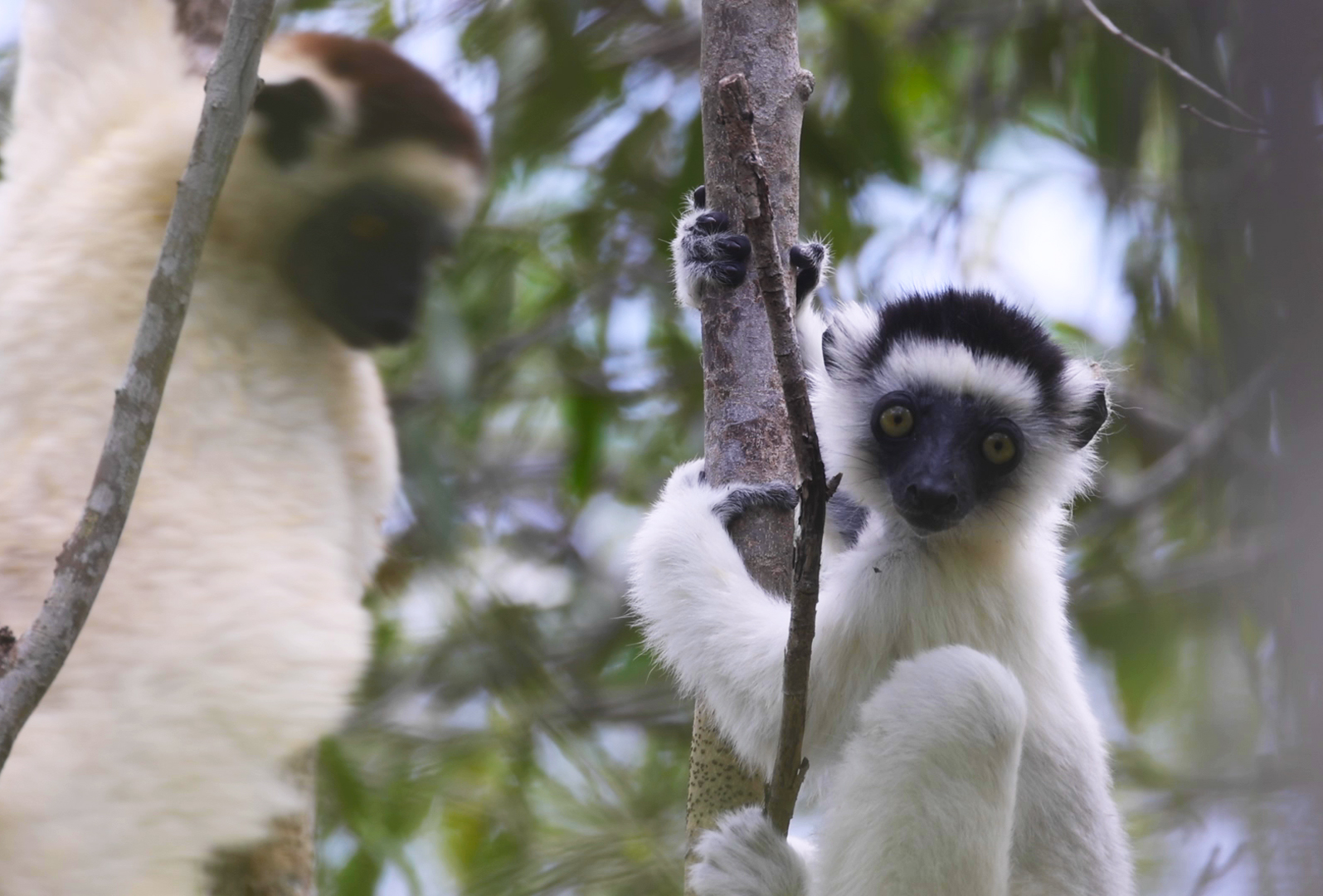
Verreaux’s Sifaka, another Special experience at the Kirindy Forest
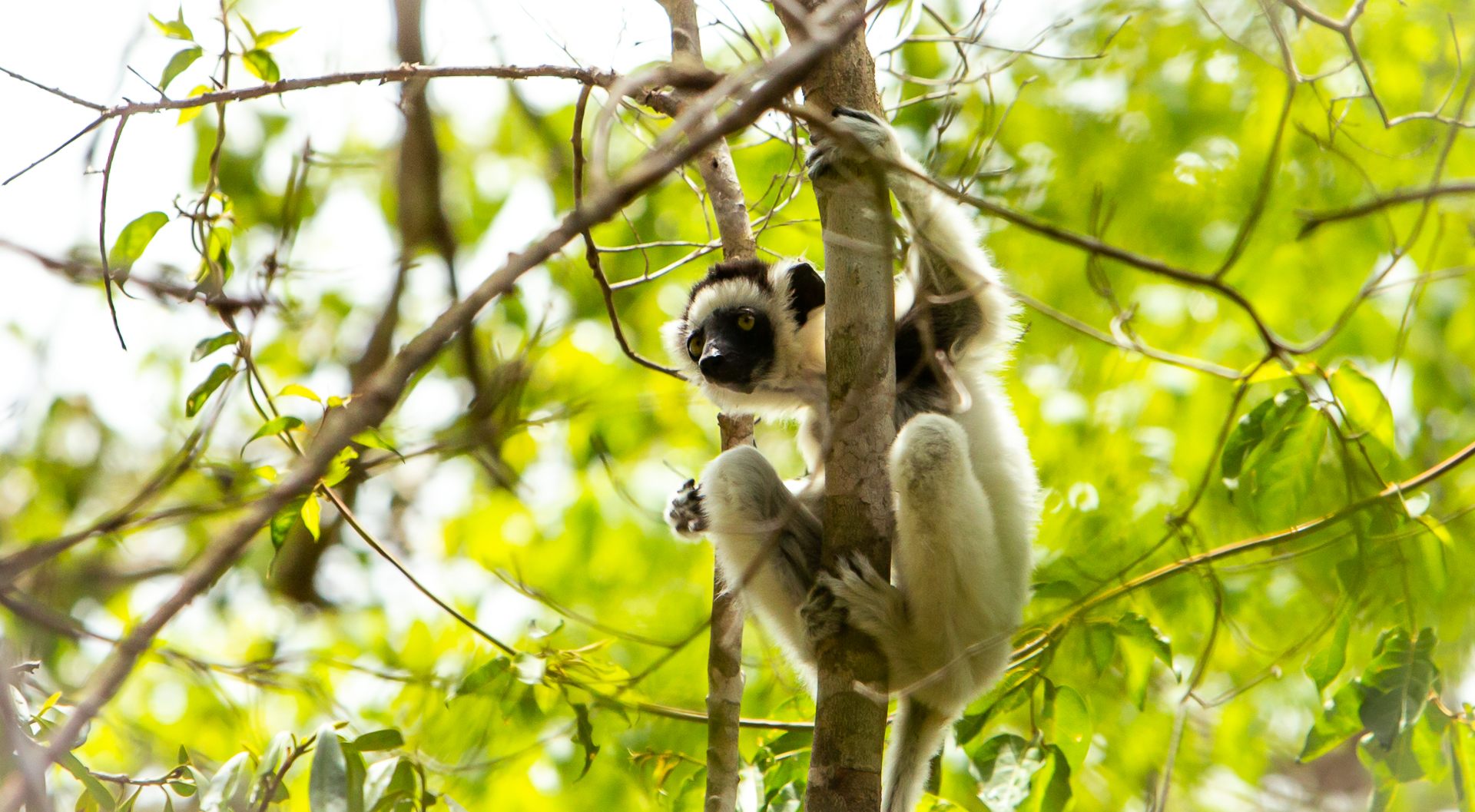
Verreaux’s Sifaka, Juvenile another Special experience at the Kirindy Forest
Wildlife of Kirindy Private Reserve
Kirindy is particularly famous for two things: The Fossa and the Lemurs – especially the nocturnal ones. This is one of the few places on the Island where you can see the shy Fossa – the top predator of Madagascar- quite easily. Kirindy has the highest concentration of Fossas anywhere on the Island. This is most probably because of the high density of nocturnal lemurs. Lemurs are the primary food for the Fossa.
If you are lucky, you have the opportunity to spot the ‘Smallest Primate in the world’ – Madame Berthe’s Mouse lemur. This tiny lemur is found only at Kirindy Private Reserve and the surrounding areas. It is the smallest of the mouse lemurs and the smallest primate in the world. Its average body length is only 9.2 cms (to contrast: a sparrow is around 15 cms!), and its weight is around 30 grams. Sadly, being a specialist creature living in only one environment, the rapid destruction of its habitat makes the future of this species quite bleak!
The other wildlife found in this magnificent forest are 40 birds, 50 reptiles, and 15 amphibian species. This is in addition to an equally remarkable flora, including 3 species of the Baobab tree. Kirindy forest also has its own ‘Baobabs of love’ – basically two Baobab trees which have grown intertwined with each other! The more famous Baobab Amoureux is south of Kirindy on the way to Morondava. But spotting this unique phenomenon is a pleasure – ask your guide to take you there on your walks.

Our local Guide and out Versitile travel Guide, Tahina Angelmann, at the start of our Nosysoa Lemur and reptile experience.

Black and White Ruffed Lemur, enjoying a special moment at Nosysoa
Nosy Soa Park (Mantasoa)
Nosy Soa Park is a haven for wildlife enthusiasts, offering a unique opportunity to observe various species of lemurs in their natural habitat. Located in Mantasoa, Madagascar, this park is often described as a small Noah’s Ark, where visitors can experience close encounters with these fascinating creatures. The lemurs are accustomed to human presence, making it an ideal spot for animal lovers to enjoy. The park is accessible via the Riverside route, and visitors often coordinate their trips through the nearby Mantasoa Lodge. The staff at the park are noted for their friendliness and expertise, ensuring that the animals are well-cared for and thriving. This landmark is a highlight for many travellers exploring Madagascar, providing an unforgettable experience with its well-maintained and healthy wildlife population.

The local Community Guide for this section of the forest is managed by the local community
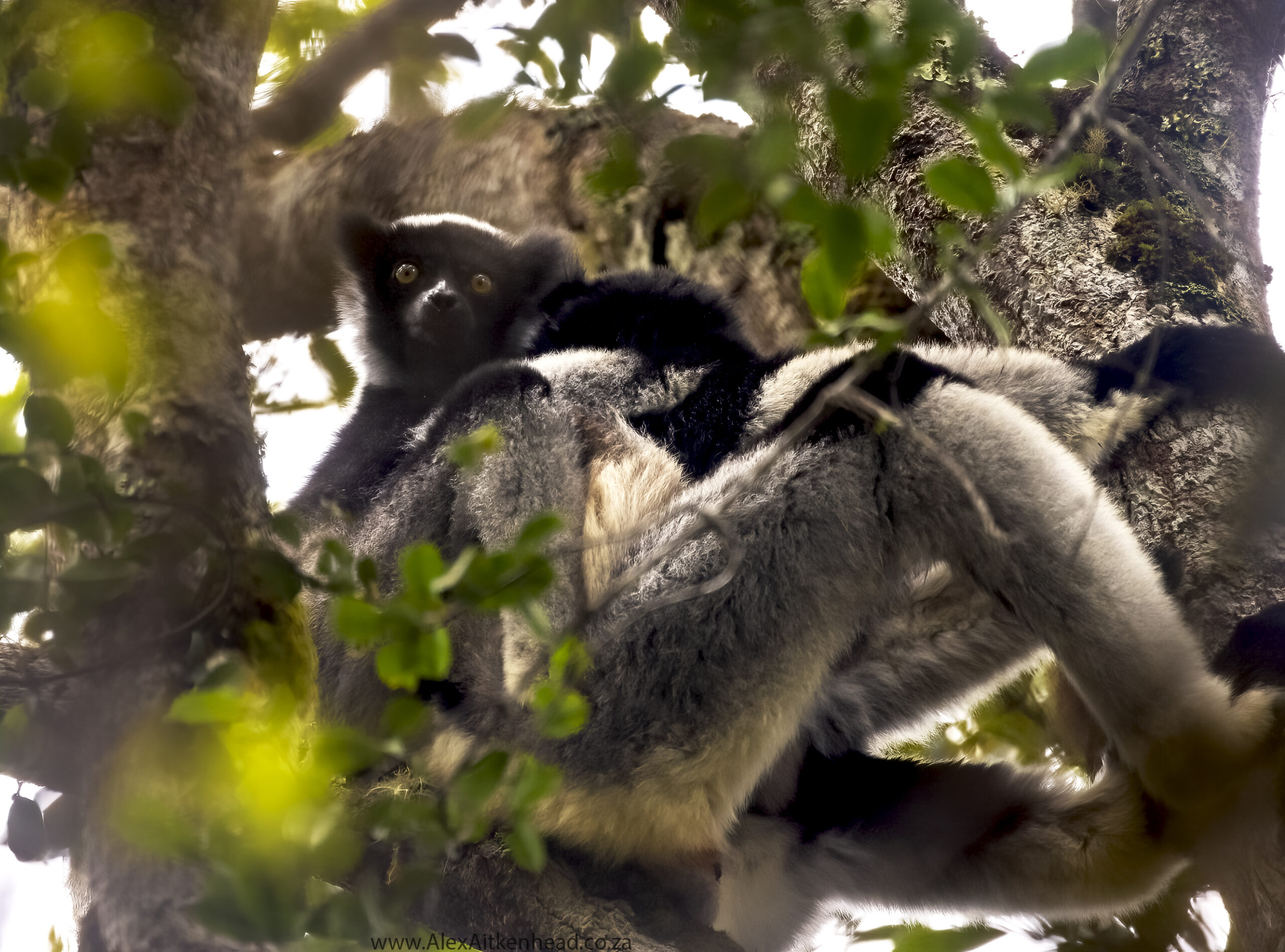
Indri Indri’s mom with Juvenile, Mantadia National Park
Parc Villageds
V.O.I.M.M.A
THE PROTECTED AREA OF VOHIMANA IS A MASSIVE RAINFOREST, COVERING 1600 ACRES.
Located in the forest corridor of the Madagascar East coast, it holds a wide range of endemic wildlife. Lemurs, amphibians, chameleons and birds inhabit the area, surrounded by a huge variety of rare palm trees and orchids.
Unfortunately, this biodiversity is under permanent threats such as slash-and-burn farming, deforestation or cyclones… Many unique species could end up extinct. That is why l’Homme et l’Environnement spent the last 20 years working hand in hand with local communities in order to protect the biodiversity of Vohimana. To learn more about the NGO, click
Several income-generating activities have been set up through the reserve: ecolodge, distillery, tree nursery, handicraft… All these activities allow the people of Vohimana to improve their living conditions.
By choosing to stay with us at Le Relais du Naturaliste, where 100% of profits are returned to the communities, you bring your contribution to their sustainable future.

This is the Indri- Indri capital in Madagascar
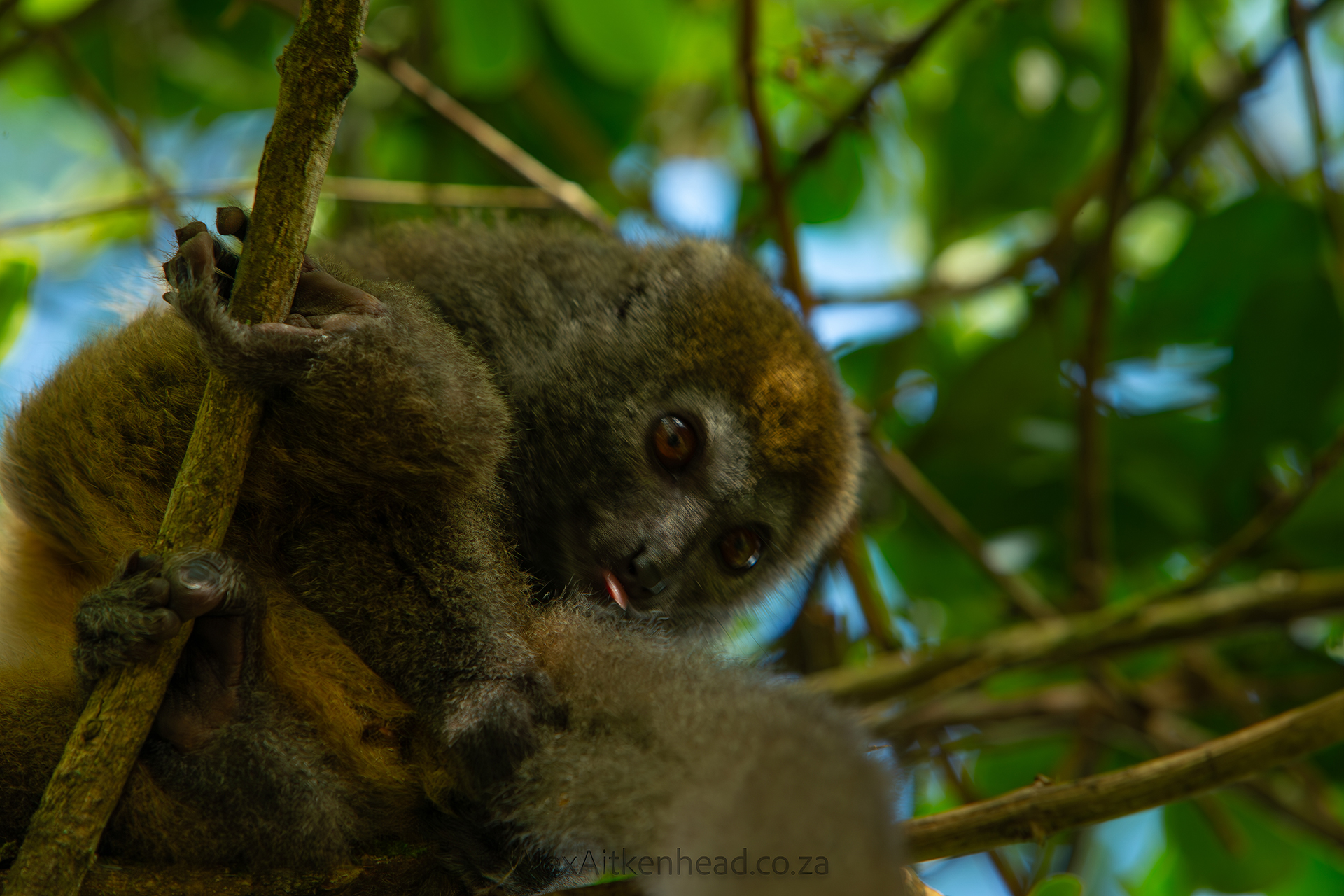
Eastern Lesser Bamboo Lemur
Analamazaotra National Park
Welcome to Madagascar’s most accessible forest setting: Analamazaotra National Park, where the song of the Indri echoes among the mist, giant ferns, and mysterious trails.”
Located 140 km east of Antananarivo, along the RN2 highway, in the heart of the Alaotra Mangoro region, Analamazaotra is a jewel of biodiversity: a patchwork of dense forests, moss-covered clearings, ravines clinging with vines and orchids, and secret marshes. It is one of the world’s biodiversity hotspots, famous for its iconic lemurs… and for the daily spectacle of Madagascar’s largest primate, the Indri indri.
At the intersection of the central plateau and the east coast, the climate is temperate tropical, with an average annual temperature of 66°F and rainfall of 55.6 inches. There is no real dry season here: the forest remains green, dense, and vibrant all year round.
Key figures
Area: 874 hectares (nearly 9 km²), perched between 900 and 1,050 meters above sea level.
Dense evergreen rainforest, with 940 species of plants recorded and an endemism rate of 77%.
14 species of lemurs, including the Indri indri(Babakoto), the Propithèque diadème(Propithecus diadema) and the Eulemur fulvus.
108 species of birds were recorded (including the legendary Van Dam’s Vanga).
51 species of reptiles(including Sanzinia madagascariensis).
84 species of amphibians.
2 critically endangered endemic fish species.
Temperate humid climate: 1,400 mm of annual rainfall, average temperature: 19°C (record low below 8°C! Bring a fleece… and an umbrella).
Easy access: Via the RN2, a few hours from Antananarivo. The park entrance is a few minutes from Andasibe, a town where everyone ends up becoming an “amateur ornithologist” or “Indri tracker.”
Created in 1970, international certification pending (Biosphere, Green List).

Vakôna Forest Lodge in the Andasibe-Mantadia region of Madagascar is a renowned, interactive wildlife sanctuary.
Vakona Lemur Island
Located at the Vakôna Forest Lodge in the Andasibe-Mantadia region of Madagascar, is a renowned, interactive wildlife sanctuary. Set on a series of forested islets surrounded by a small canoe-navigable moat, it offers visitors close-up encounters with several habituated lemur species.
The Experience
- Up-Close Encounters: The lemurs here are semi-habituated to humans. You can take a short canoe ride across the moat to reach the islands, where local guides will help you feed them bananas so they may jump onto your shoulders and arms.
- Lemur Species: Depending on the specific island, you can expect to see Brown Lemurs, Bamboo Lemurs, Red-fronted Lemurs, and the striking Black-and-white Ruffed Lemurs.
- Crocodile Valley: The private reserve ticket also grants access to a separate sanctuary nearby that is home to a large lake of Nile crocodiles, various reptiles, and an aviary.
Planning Your Visit
- Location: Approximately \(150 \text{ km}\) (93 miles) east of Antananarivo, near the village of Andasibe.
- Entry Fee: Tickets are very reasonably priced, generally hovering around 35,000 to 40,000 MGA, with guided tours included.
- Contact: You can reach out directly via email at vakona01@gmail.com or by phone at +261 33 02 016 36.
- Accommodation: It is part of the Vakôna Forest Lodge, which offers forest bungalows, though booking ahead is highly recommended during peak seasons.

Tahina Angelmann, our travel guide and Claudia Gilbert, the local area guide, as well as the Iaroka forest guide, Gregoire. This is the entrance to the forest, and we had a two-hour trek deep into the forest to find the Helmet Vanga.
Iaroka Forest (Andasibe: eastern Madagascar)
Get ready to explore Iaroka Forest, IMPACT Madagascar’s newest intervention site, nestled within the magnificent Ankeniheny-Zahamena Forest Corridor (CAZ). This incredible area lies deep in the Andasibe forest, bordering the Maromizaha reserve to the south and just a short 10 km from the renowned Andasibe-Mantadia National Park and Analamazoatra Special Reserve to the north.
Iaroka is a quintessential dense evergreen rainforest of eastern Madagascar, boasting a continuous, unbroken canopy. This truly unfragmented habitat is essential for its vibrant wildlife. Under constant surveillance, this primary forest reveals an exceptional wealth of flora and fauna, from diverse wildlife to stunning orchids, including an entire family of orchids endemic to Madagascar – a truly unique discovery from our expeditions.
At the heart of our efforts here is VOI Firaisankina, the dedicated local association involved on the site
The Iaroka Forest is a vital, 3,300-hectare community conservation area located in eastern Madagascar. At an altitude of 700–1,200 meters, it serves as a crucial biological corridor connecting the Andasibe and Mantadia massifs within the broader Ankeniheny-Zahamena Forest Corridor (CAZ).
Ecological Importance
Iaroka is highly valued for its exceptional biodiversity, harbouring rare orchids, diverse chameleon populations, and critically endangered lemur species like the Indri and Black-and-white Ruffed Lemur. It is best known in the birding world as one of the few places to spot the highly elusive and sought-after Helmet Vanga (Euryceros prevostii).
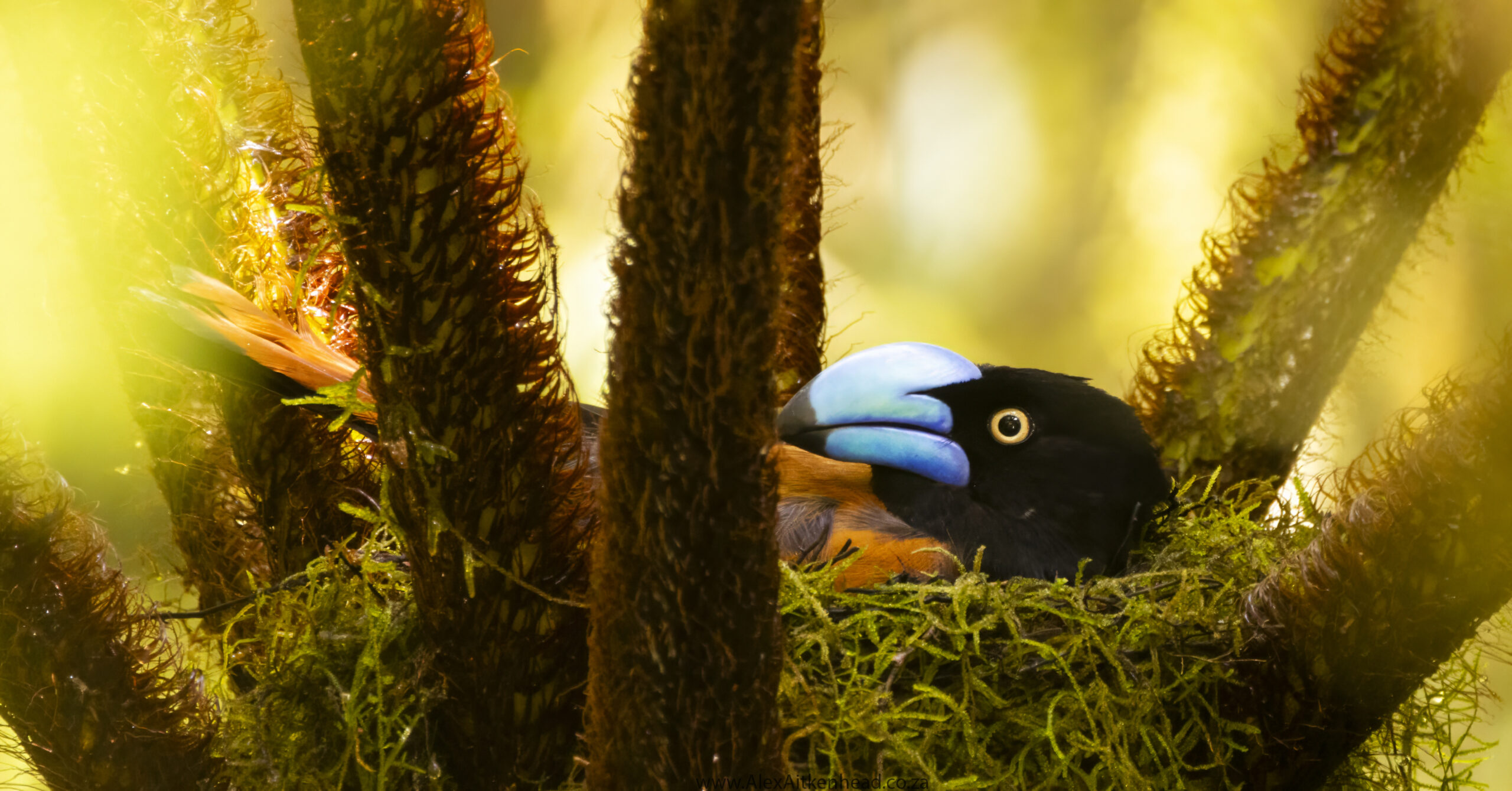
One of the most Iconic birds in Madagascar, if you want to see this one, you will need to plan well and visit the right locations at the correct time of year or bust.
Visiting & Logistics
- Access: Located near the town of Andasibe. Reaching the area requires 4×4 vehicles and rigorous planning, especially during the rainy season (December to March) when roads can become impassable.
- Fees & Guides: There are no fixed National Park entrance fees, but you are required to hire a local guide for navigation. Guides are essential for spotting rare wildlife in the dense primary forest and support the sustainable development of local village communities.
- Preparation: The area is a montane tropical rainforest, so you will need to pack waterproof gear, strong hiking boots, and be prepared for camping.
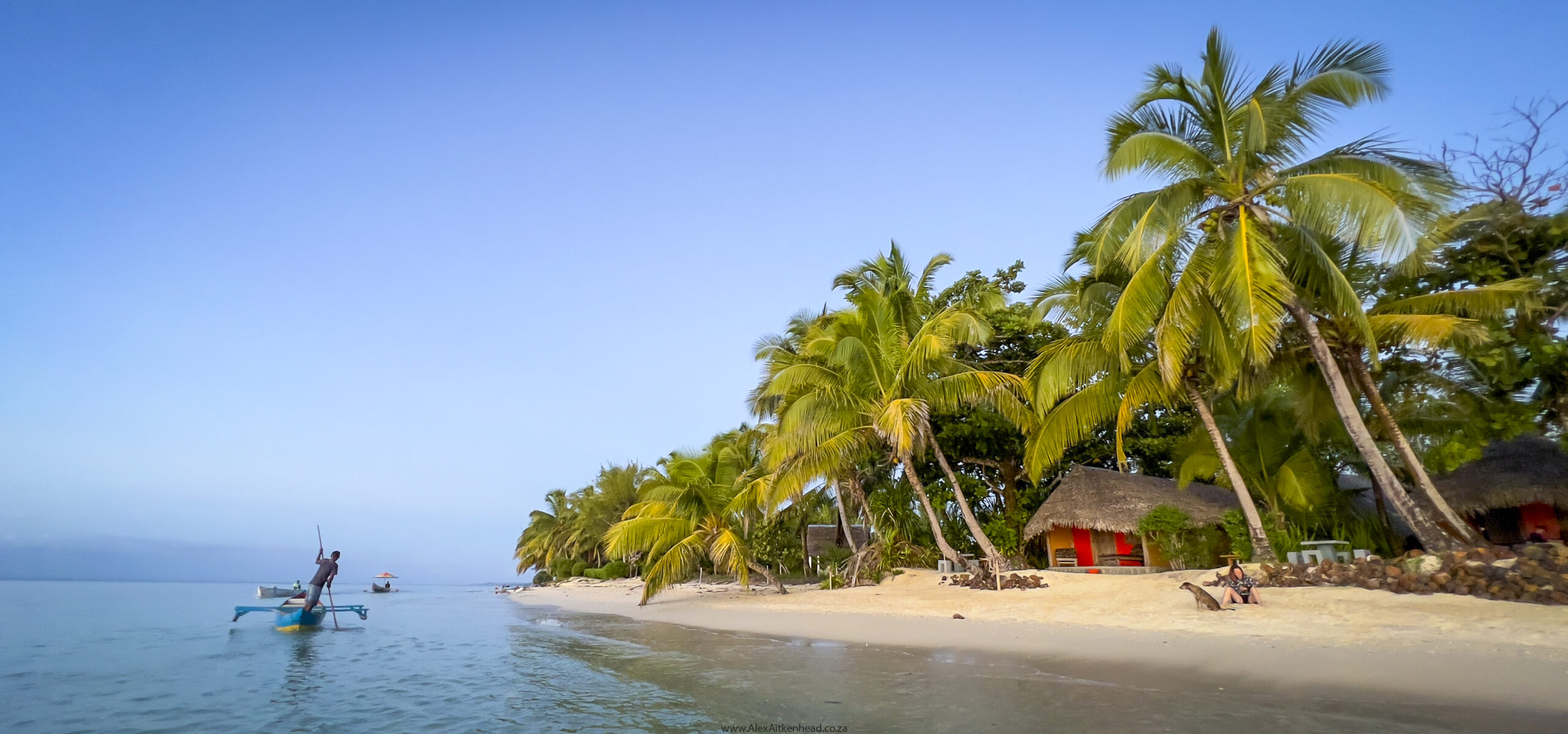
Sambatra Beach Lodge was our Tropical Paradise Beach Lodge for the duration of our stay.
Ile Aux Nattes (Ile Sainte Marie)
Île aux Nattes is not just a place to relax; it’s an island with a unique charm and unforgettable experiences just waiting to be discovered. From pristine beaches to encounters with incredible wildlife, here are 15 must-do experiences that will make your trip to this Malagasy gem truly extraordinary:
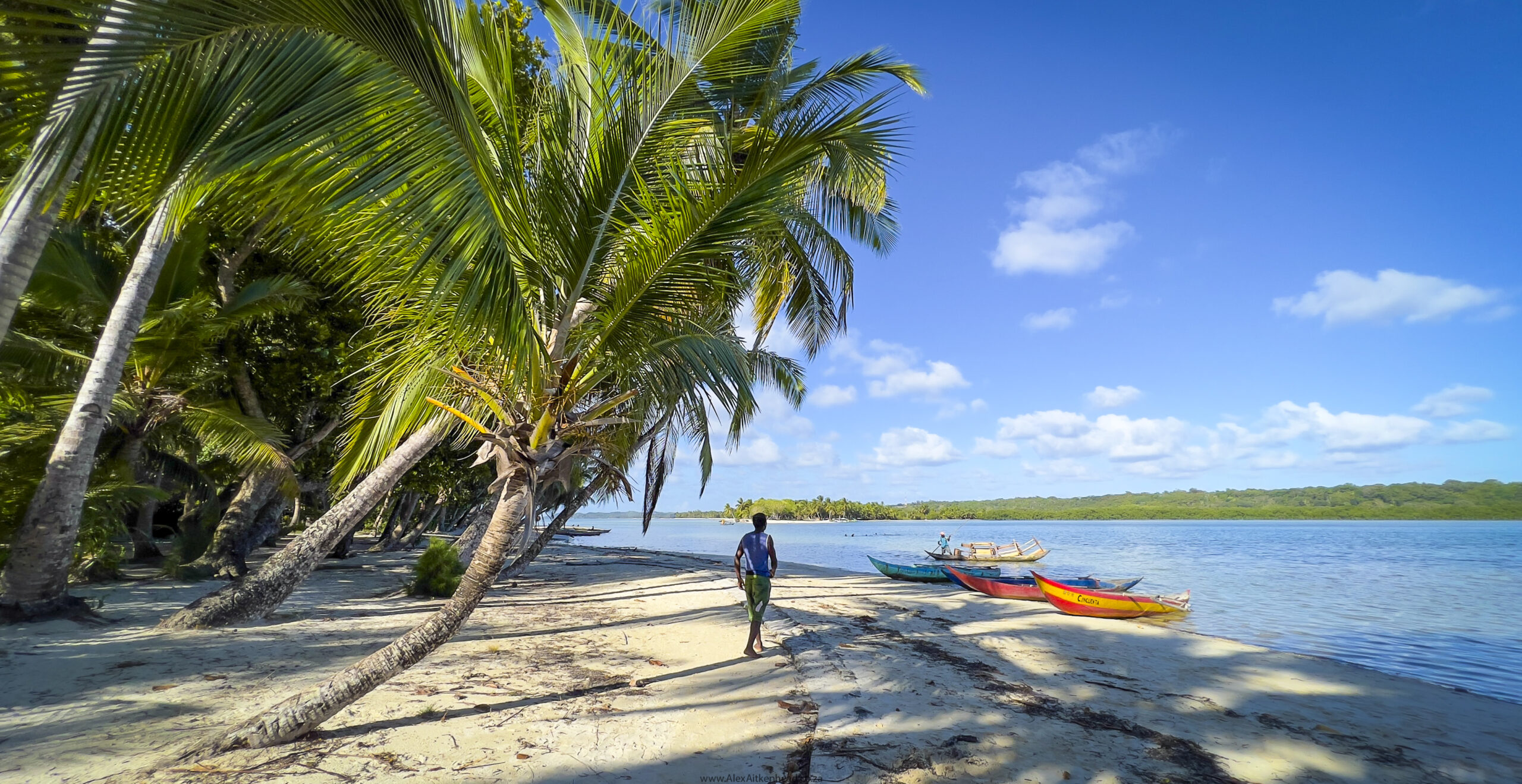
This is what a Tropical Paradise looks like, warm water, tropical fish in crystal clear water, and Date Palms swaying gently in the Ocean breeze
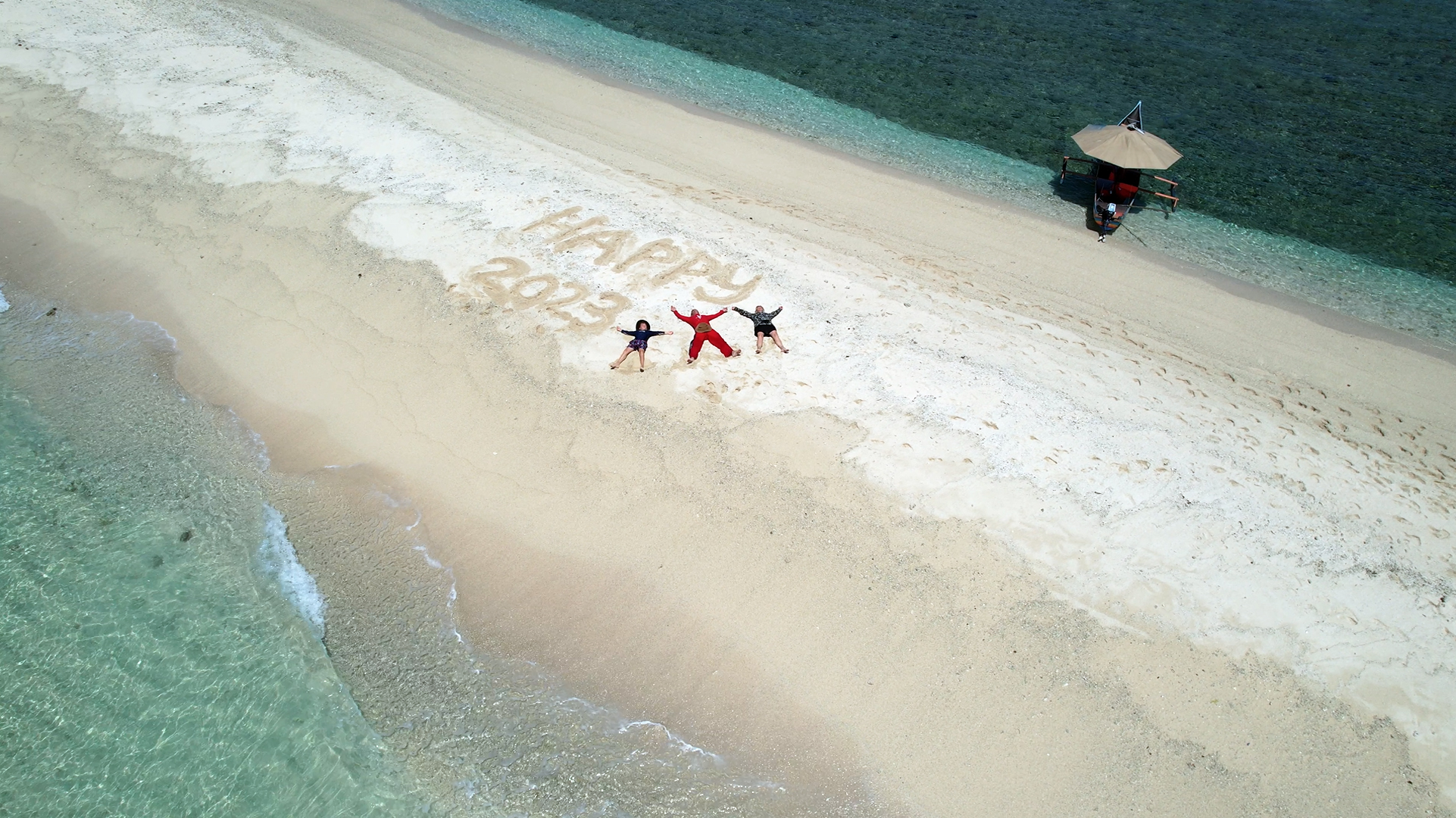
Ilots aux Sables just off the East coast of Ile Sainte Marie, three pristine, uninhabited coral sand Islands located approximately 4 kilometres off the Main Island
1. Enjoying beach life:
Île aux Nattes is lined with truly magnificent beaches. Spend your days swimming in the calm, turquoise waters, sunbathing on the powdery white sand, and soaking up the island’s atmosphere.
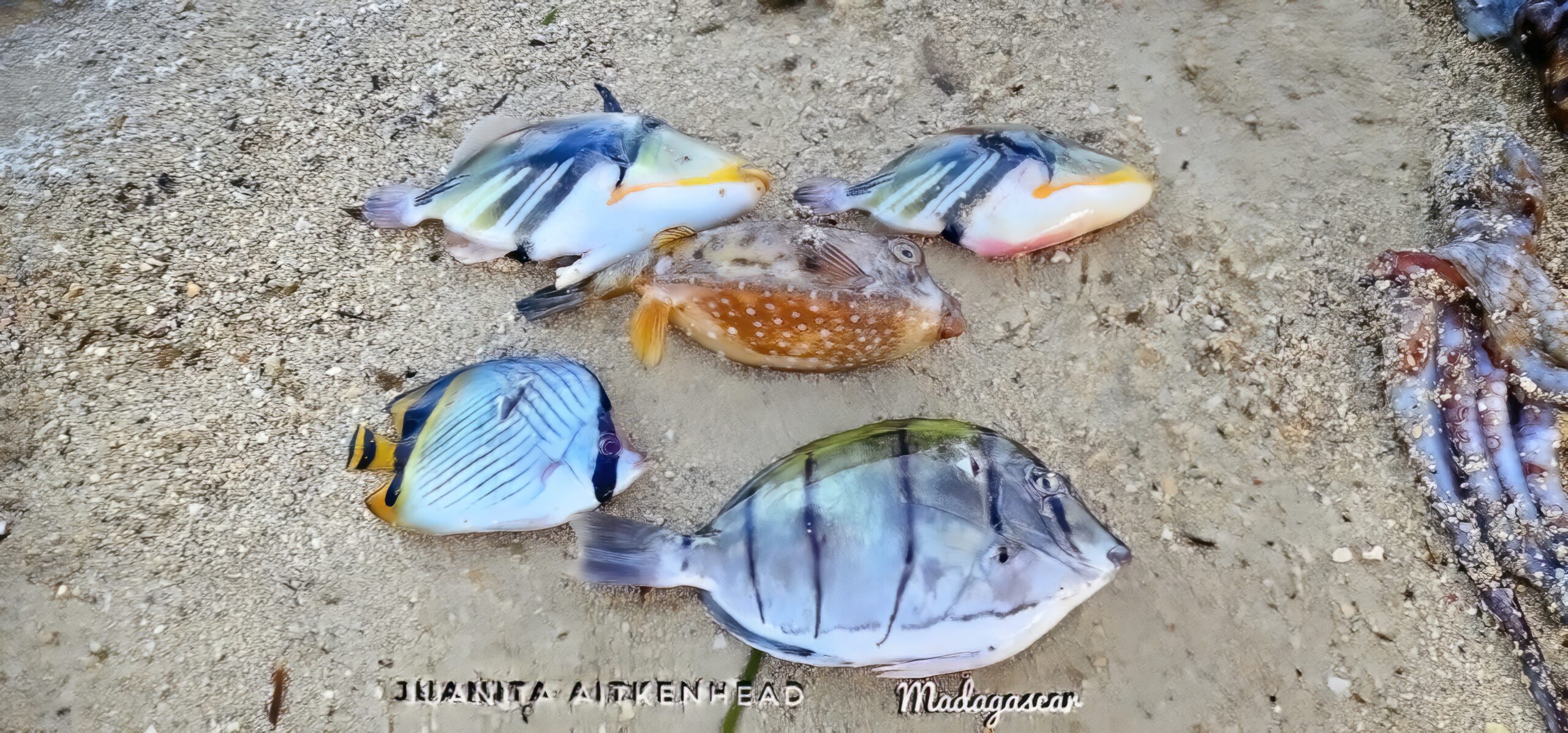
These are some of the Tropical fish we enjoyed looking at while snorkelling the warm, crystal-clear waters. Unfortunately, this forms part of the local food for the commercial fishermen.
2. Go snorkelling or scuba diving in the coral reefs:
The waters surrounding Île aux Nattes teem with vibrant coral reefs and abundant marine life. Grab a mask and snorkel or book a diving trip to explore this underwater paradise and swim with colourful fish, corals, and maybe even a friendly octopus.

Ilots aux Sables just off the East coast of Ile Sainte Marie, three pristine, uninhabited coral sand Islands located approximately 4 kilometres off the Main Island. Brown Noddy, Lesser Noddy, and Lesser Crested Terns were roosting on the Sandbar. What a unique treat this was to have so many seabirds all around us, spectacular.
3. Take a boat trip to Ilot aux Sables:
This is an absolute must-see! Marvel at the magic of a pristine white sandbar rising from the ocean. It’s the perfect spot for swimming, sunbathing, and taking postcard-worthy photos.

Sweeping views and endless white sandy beaches fringed with Tropical Coconut Palms
4. Explore the island on foot:
Put on your walking shoes and leisurely explore the island’s sandy trails. It’s a fantastic way to discover hidden coves, charming villages, and soak up the lush landscape at your own pace.

The Panoramic views from the Casa Blanco house with sweeping views towards the Ilots aux Sables, top right-hand side.
5. Walk to the lighthouse for panoramic views:
Hike to the lighthouse at the southern tip of the island. You’ll be rewarded with breathtaking panoramic views of Île aux Nattes, Sainte Marie, and the surrounding ocean. The sunset is especially magical.

Supper on offer from one of the local fish sellers on Ile Aux Nattes
6. Enjoy fresh seafood:
Île aux Nattes is a paradise for seafood lovers. Enjoy freshly caught fish, lobsters, crabs, and perfectly grilled shrimp at one of the local restaurants. Don’t forget to sample the local Malagasy flavours!

This is a very small community that lives permanently on the island of Ile Aux Nattes
7. Take a walk through the local villages:
Take the time to stroll through the island’s small villages and chat with the locals. It’s an excellent way to discover the authentic culture and learn about daily life on Île aux Nattes.

Remember this is Island time and especially on these Sub Islands of Ile Sainte Marie
8. Go kayaking or paddleboarding along the coast, boat trips to Ilots aux Sables is a worthwhile option:
Explore the island from a different perspective by renting a kayak or paddleboard. Paddle along the calm waters, discover hidden coves and enjoy the tranquillity of the coastline.
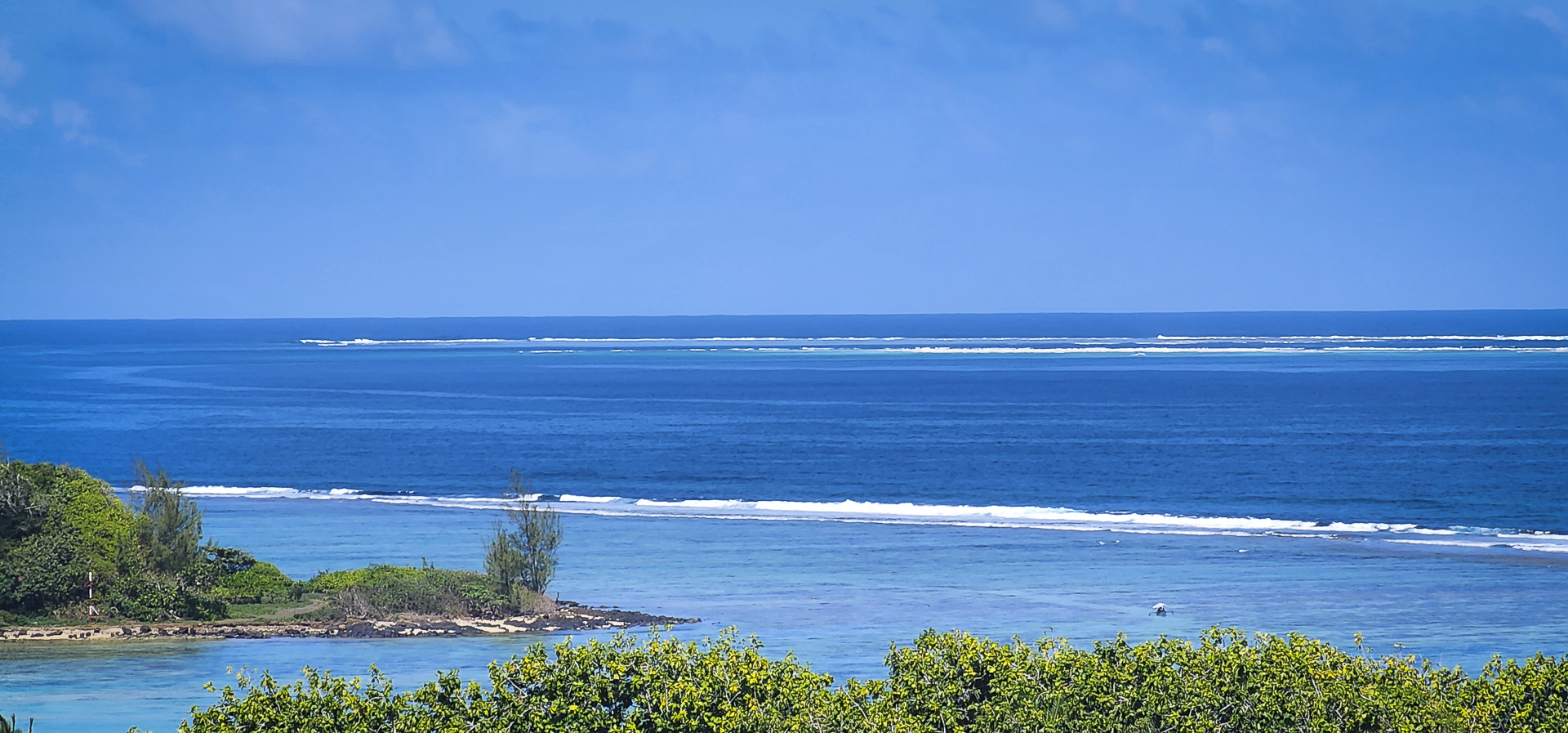
Ilots aux Sables just off the East coast of Ile Sainte Marie, three pristine, uninhabited coral sand Islands located approximately 4 kilometres off the Main Island
9. Witness the humpback whale migration (June to September):
If you visit the island during whale season, don’t miss the opportunity to take a boat trip to see these majestic creatures. It’s an awe-inspiring experience to see them bellowing and playing in their natural habitat.

You can lose yourself in this Tropical Paradise, and we did as we strolled around the Island
10. Relax in a hammock with a good book or walk around the Island:
Embrace the slow pace of life and find a comfortable hammock among the palm trees. Spend the afternoon reading a book, listening to the gentle sound of the ocean, and relaxing.

11. Learn some basic phrases in Malagasy:
Even a few simple phrases like “Hello” (Akory), “Thank you” (Misaotra), and “How are you?” (Manao ahoana?) will be appreciated by locals and can improve your interactions.

12. Enjoy a cocktail at sunset on the beach:
When the sun begins to dip below the horizon, find a spot on the beach, order a local cocktail (like a THB beer or a rum punch) and soak up the stunning colours of the Malagasy sunset.

13. Discover the island’s unique flora and fauna:
Keep an eye out for the island’s diverse flora and fauna. You might spot lemurs, amphibians, colourful birds, and unique tropical flowers during your exploration.

This was a big Haul for the local Fisherman
14. Experience a traditional Malagasy meal:
Don’t settle for restaurant food. If you have the chance, try a traditional Malagasy meal prepared by a local family. It’s a fantastic way to experience local cuisine and hospitality.
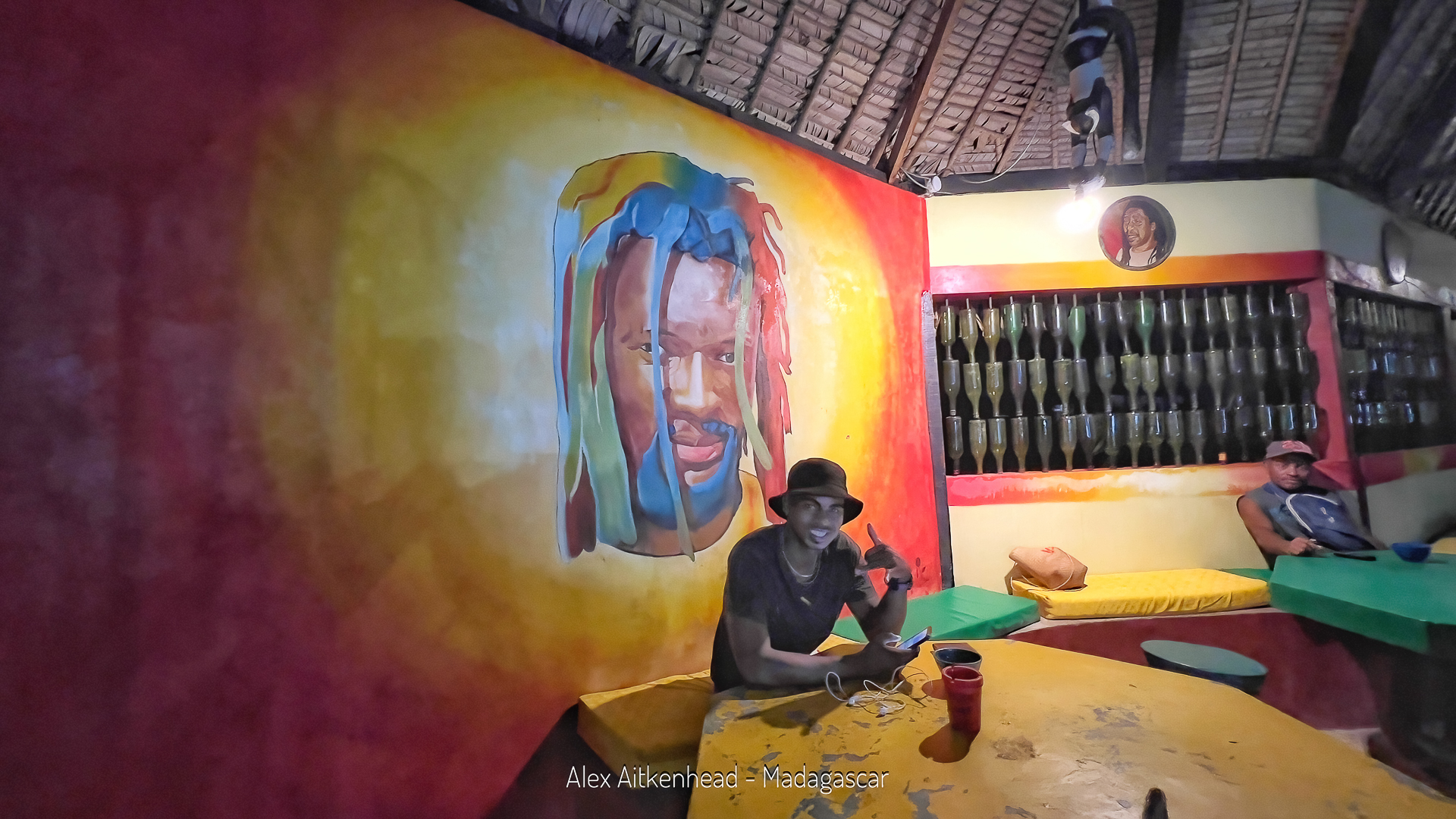
The local Pizza Bar, with its famous Bingo Night, was a treat
15. Unplug and disconnect:
Take advantage of the limited phone network coverage and slower pace of life to truly disconnect from the digital world and reconnect with yourself and your surroundings. It’s an opportunity to recharge and appreciate the simple beauty of island life.
Make the most of your adventure on Île aux Nattes:
Île aux Nattes is a place that rewards those who embrace its natural beauty and laid-back charm. By checking off these must-do experiences, you’ll create memories that will last a lifetime and truly understand why this island is such a special destination. So, pack your bags, get ready to explore, and fall in love with the magic of Île aux Nattes!
Africa’s Prosimians:
Lemurs are not found in mainland Africa; they are endemic exclusively to the island of Madagascar. However, mainland Africa shares the broader prosimian classification and is home to nearly 20 species of related prosimian primates: bushbabies and pottos.
Bushbabies (Galagos)
These small, agile, nocturnal primates are famous for their large eyes and spectacular leaping ability. There are over 18 recognised species, including:
- Thick-tailed Bushbaby (Otolemur crassicaudatus): The largest bushbaby species, commonly found in the eastern and southern parts of the continent
- Southern Lesser Bushbaby (Galago moholi): A highly active, smaller species famous for its high-pitched, baby-like cries at night. Also known in Afrikaans as nagapies.
- Needle-clawed Bushbaby (Euoticus): Known for the specialised keels on their nails that help them grip tree bark.
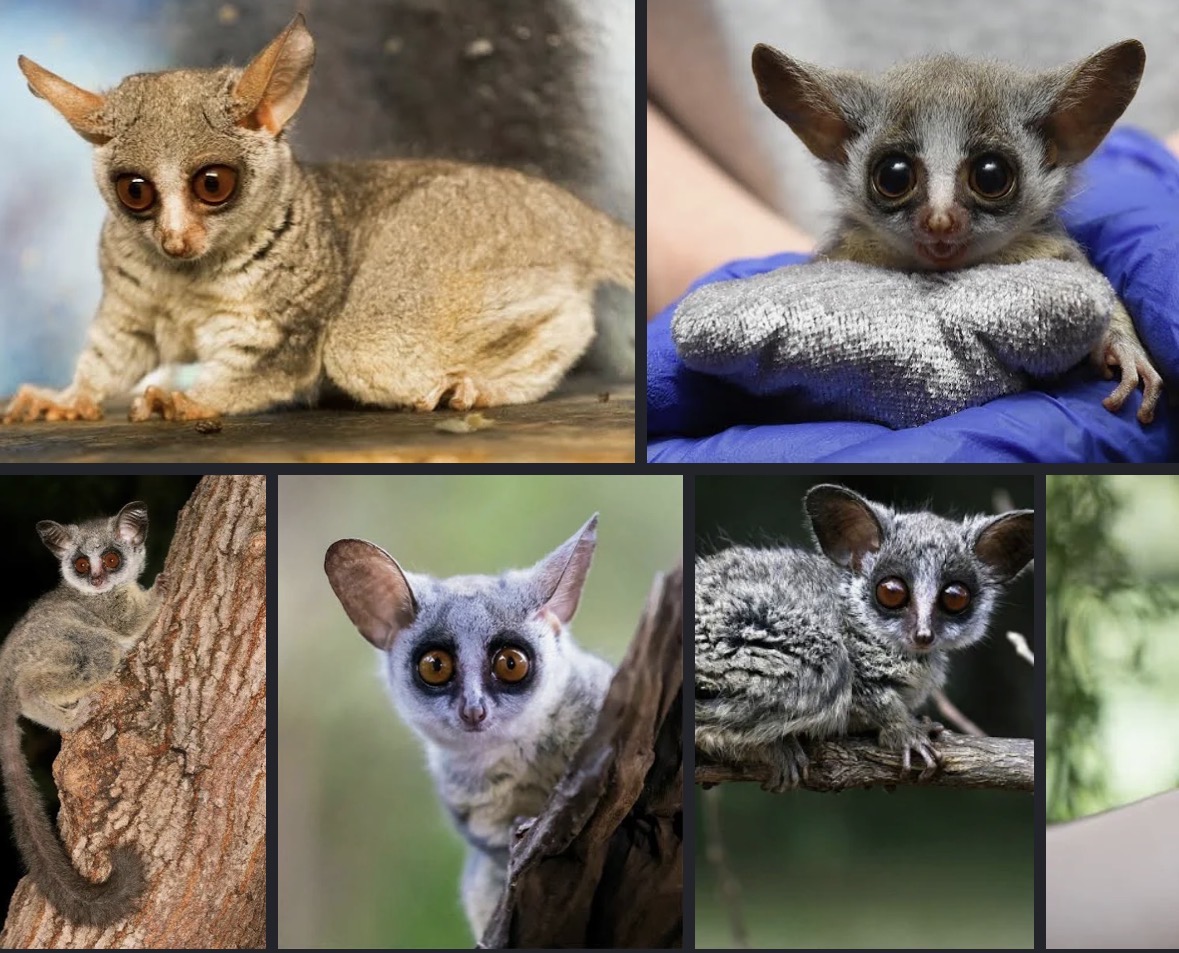
Galago (bushbaby )
Pottos
Pottos are slow-moving, tree-dwelling prosimians that rely on stealth and a strong grip rather than leaping. They are heavily built with short tails and are known for a strong, curry-like odour.
- Common Potto (Perodicticus potto): Native to the rainforests of Central and West Africa.
- Golden Angwantibo (Arctocebus aureus): Also known as the golden potto, this species is found exclusively in the dense rainforest undergrowth of Central Africa.
Primarily solitary & nocturnal, these slow-moving primates are found in rainforests from Sierra Leone to Uganda. They have grey-brown woolly fur, inhabit the rainforest canopy, & rarely descend from the trees. Their diet consists of fruit, tree gum, & insects. They have large territories, marked with urine & glandular secretions & vehemently guarded against same-sex intruders. An increasing human population, habitat destruction, & heavy deforestation are all threats.
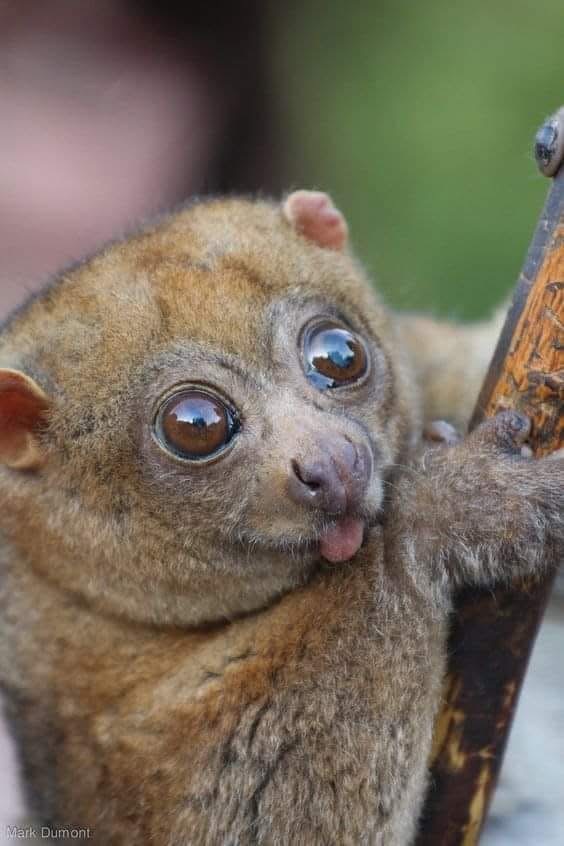
The West African Potto

You might also like


