

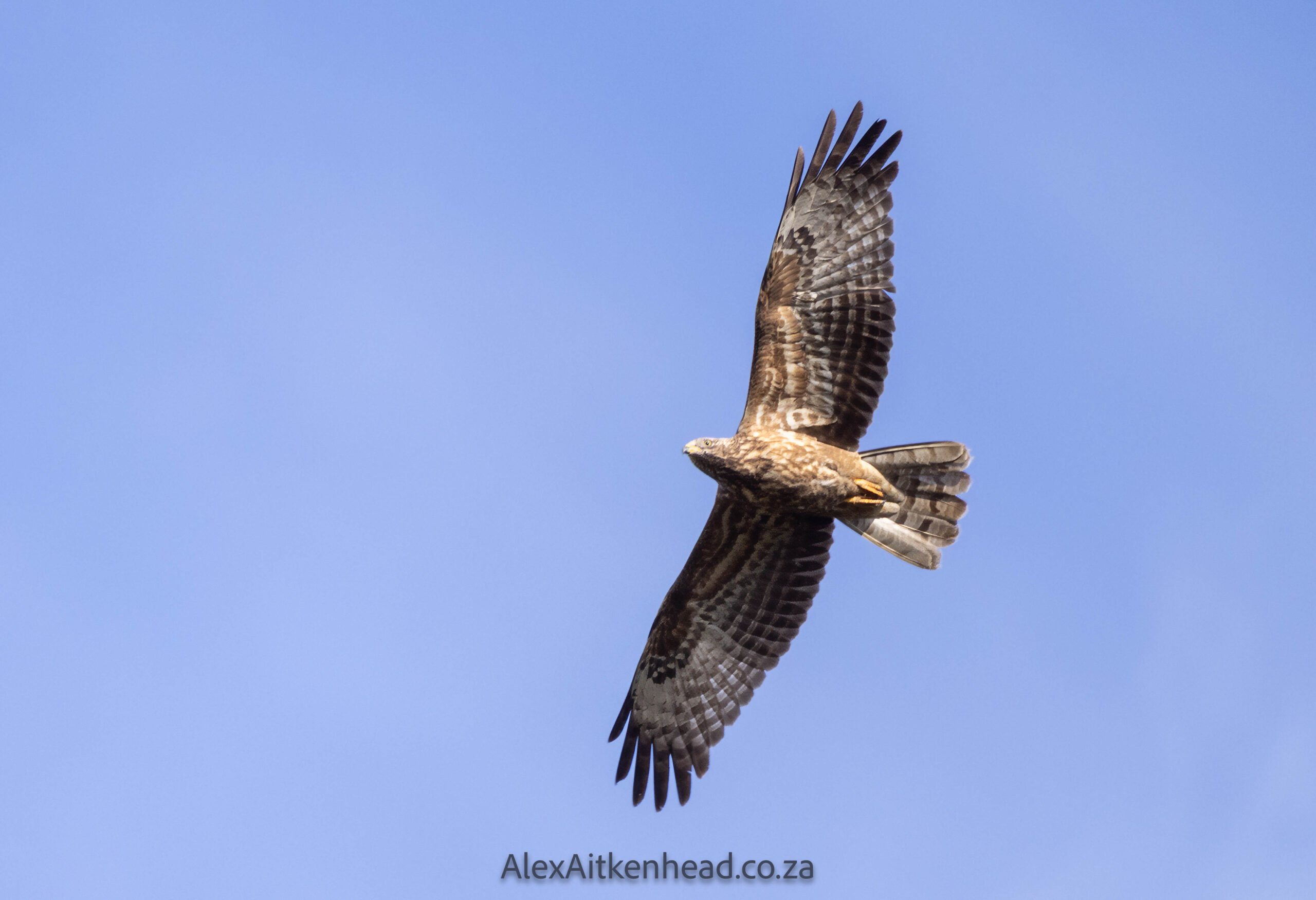

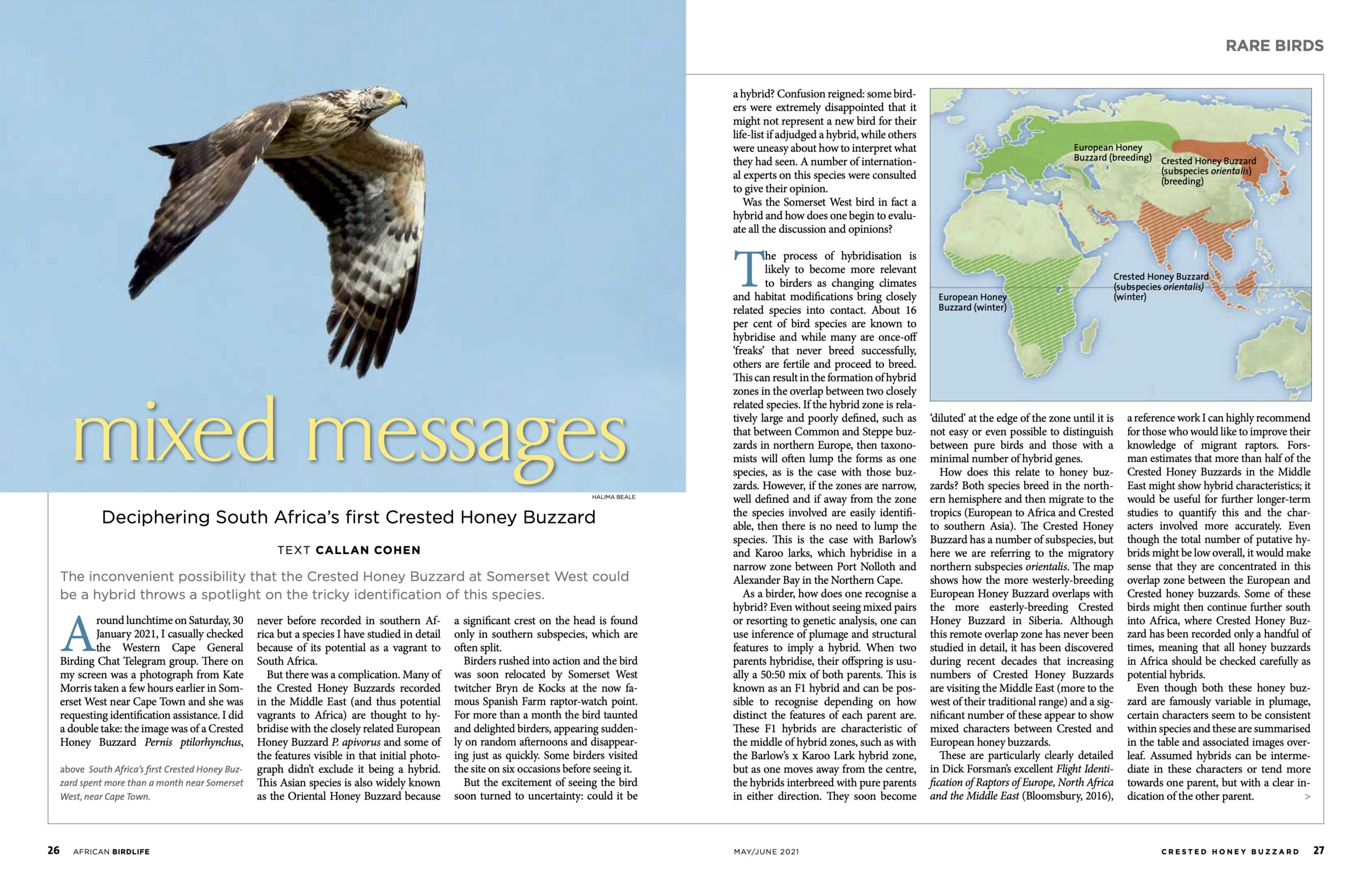

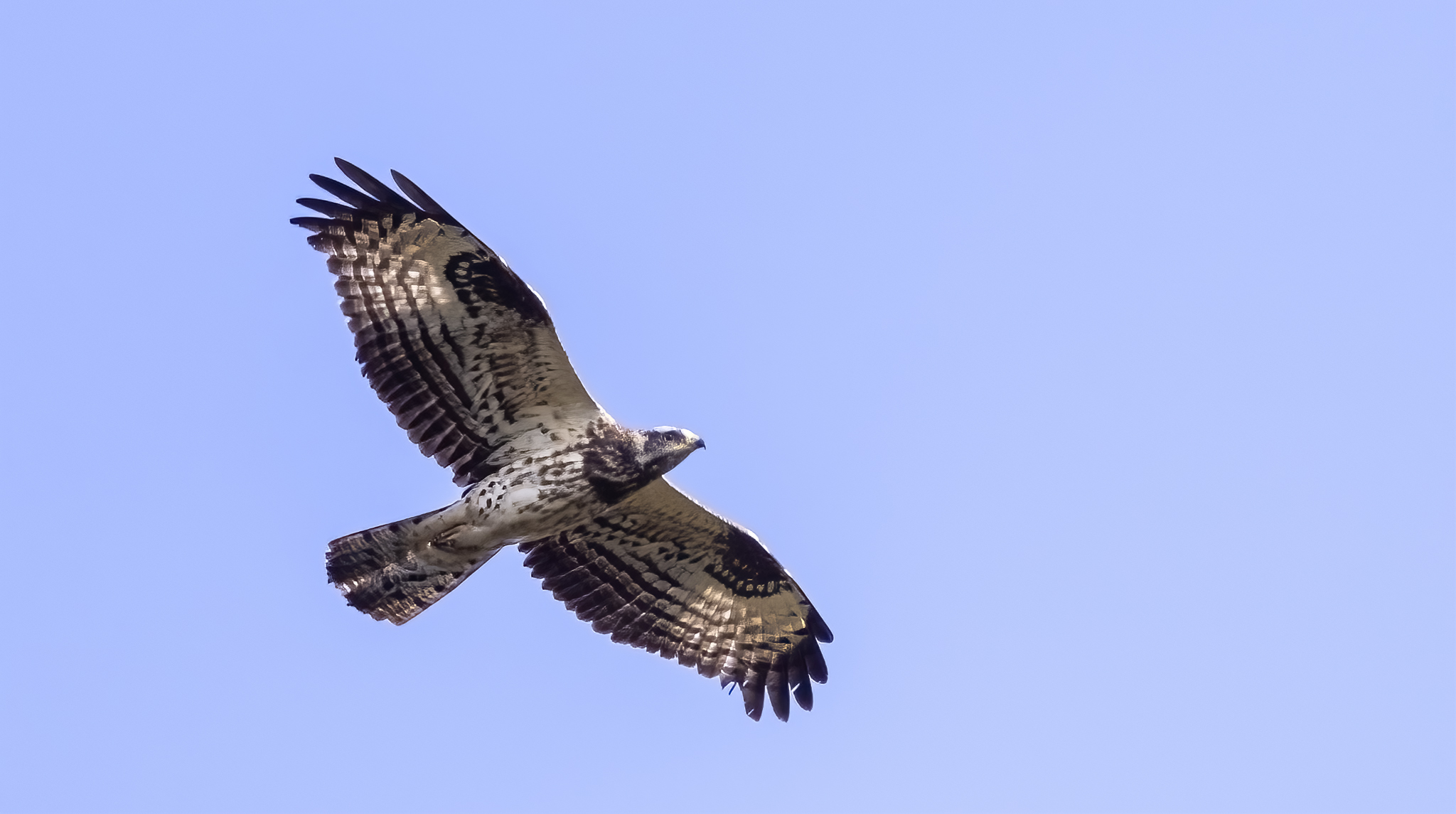
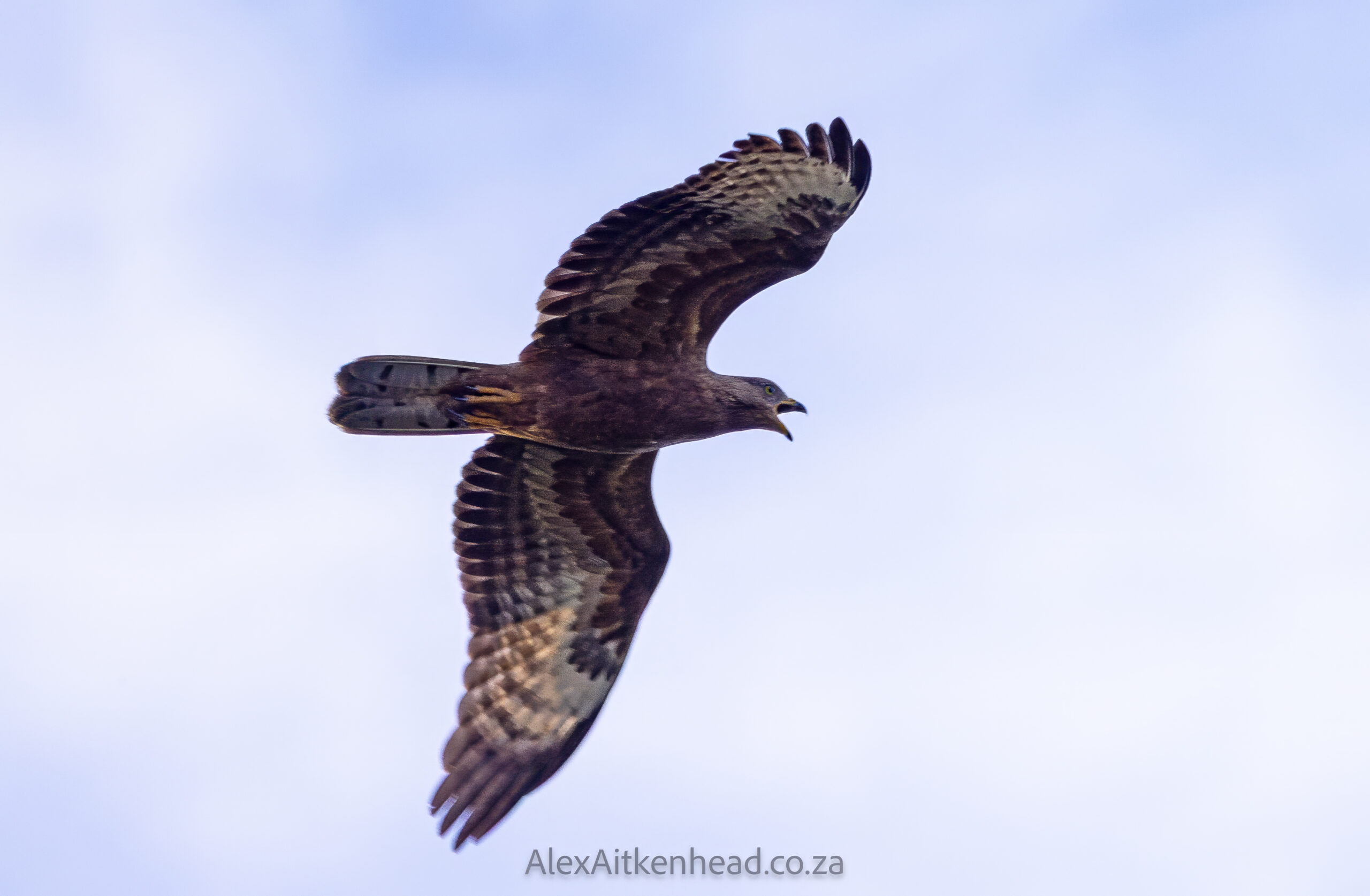
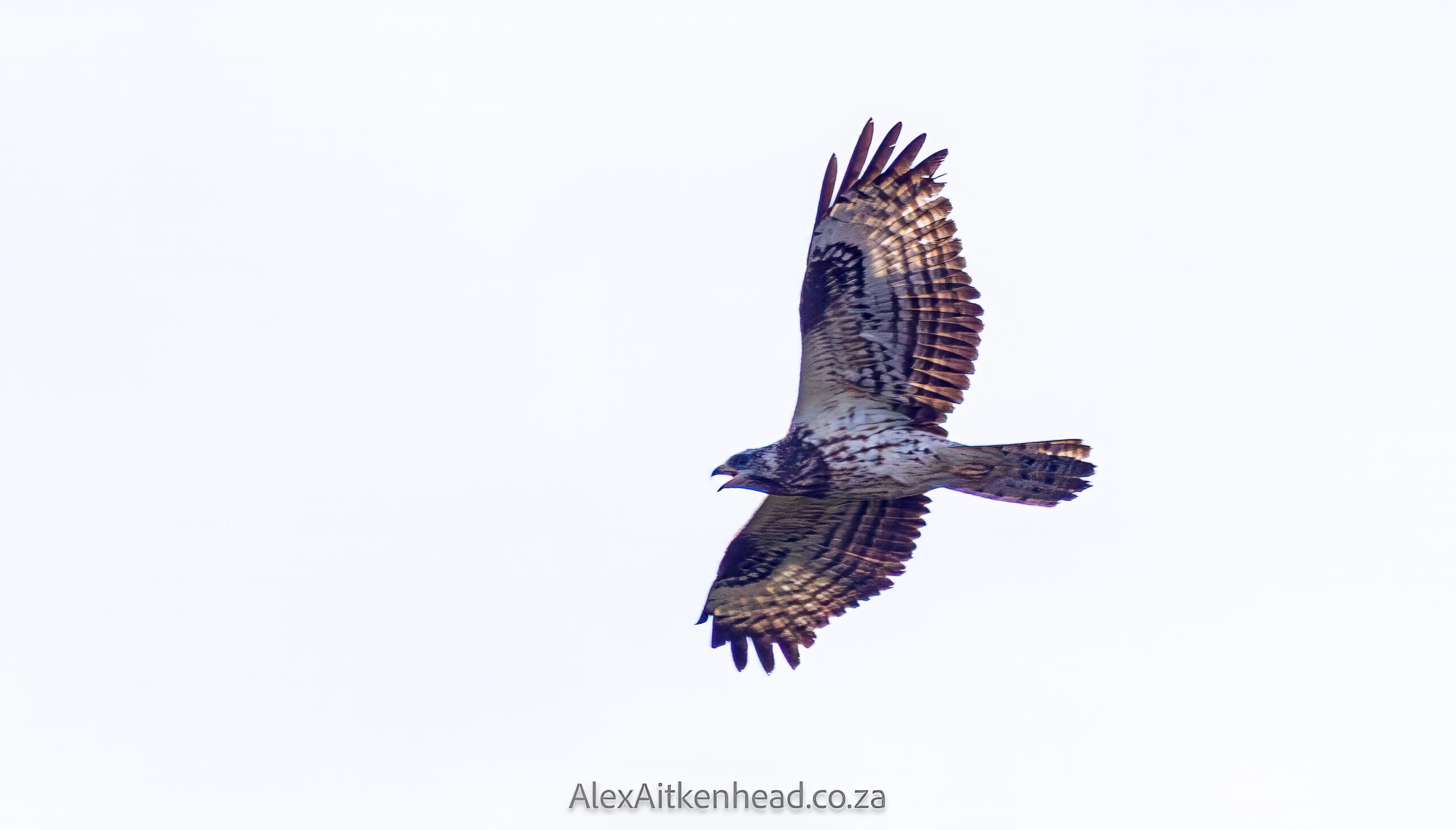
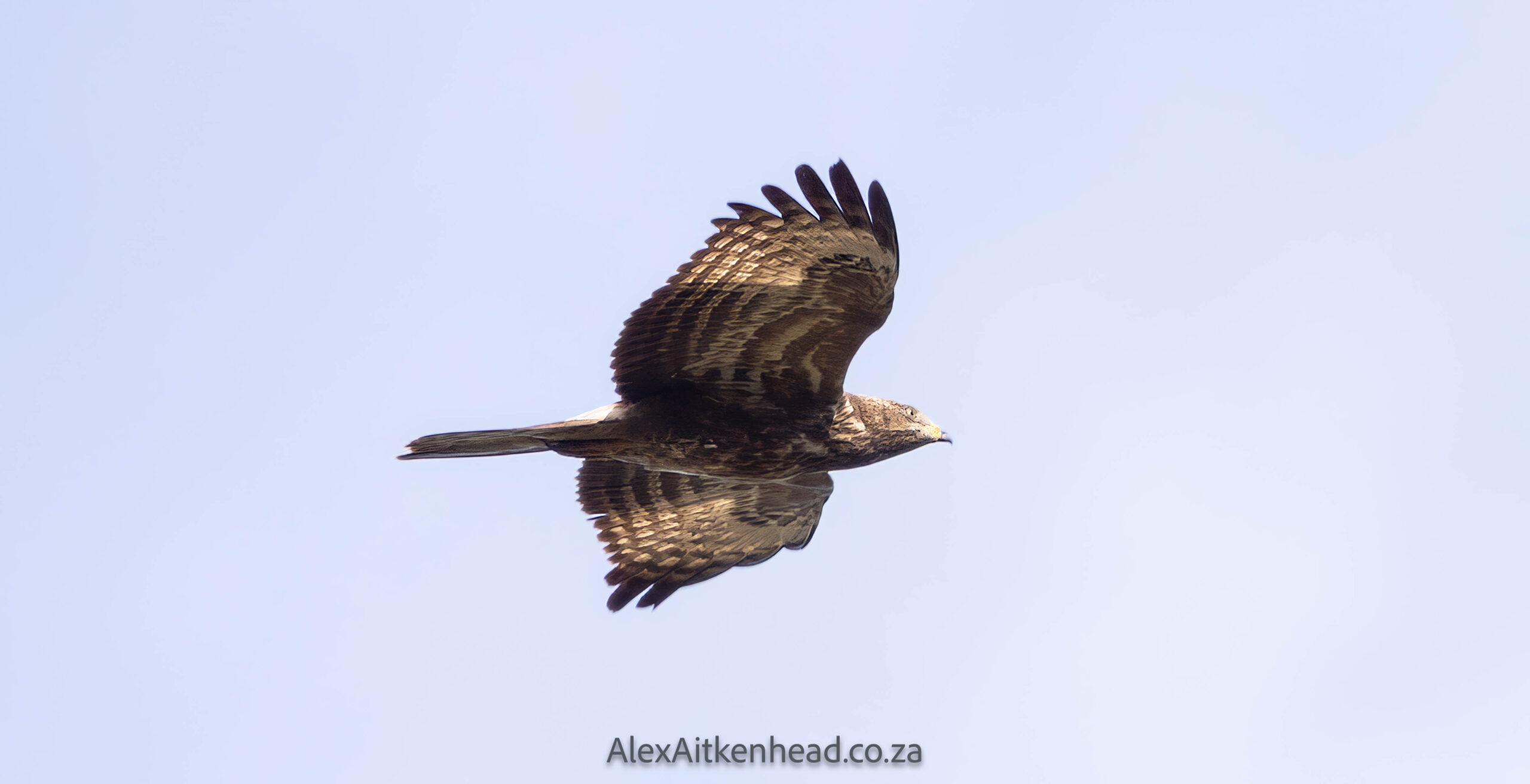
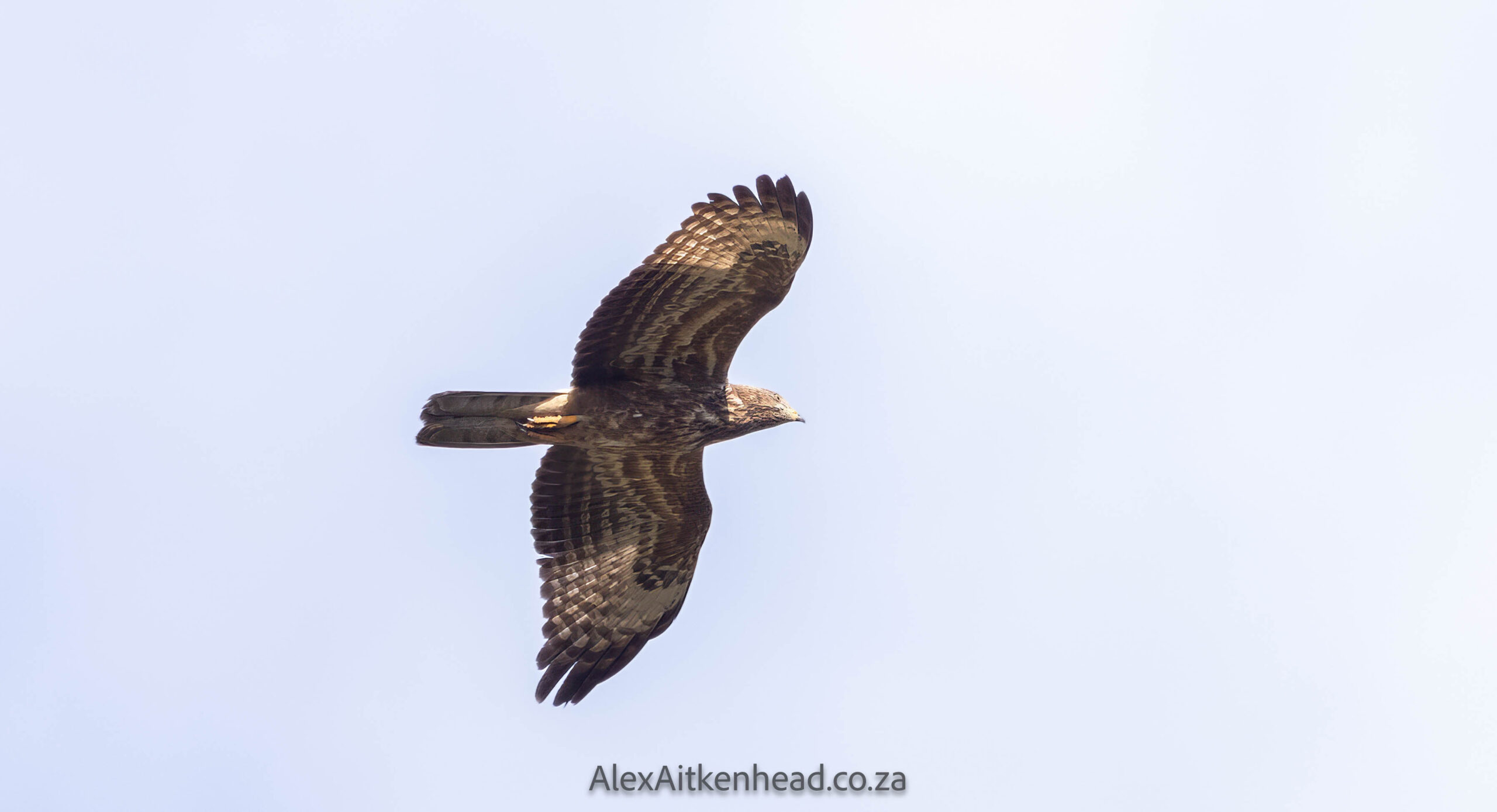
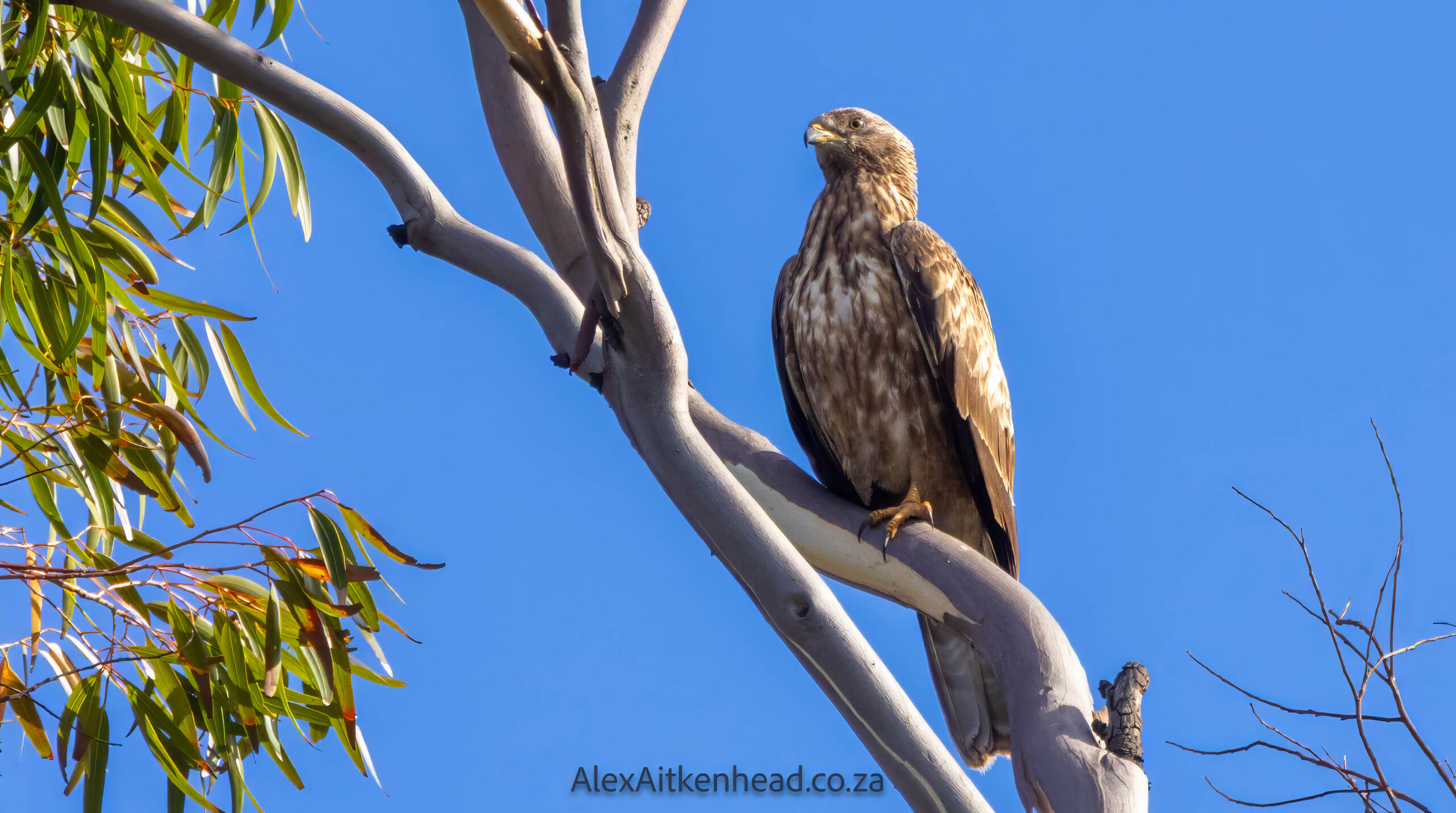
Three Honey Buzzards on our memorable day at Altydgedacht Wine Estate, one of which we believe is a Hybrid Crested (Oriental) Honey Buzzard.

A Memorable Raptor Encounter at Altydgedacht Wine Estate (3 January 2022) Our Story:
Situated at a busy intersection in Durbanville, Altydgedacht Wine Estate is surprisingly easy to overlook. The entrance is largely concealed by dense foliage, and the signage is subtle—perhaps the only explanation for why we had never previously visited this remarkable property, despite its location in the heart of the Durbanville wine region.
After reading several reports within the local birding community describing excellent raptor sightings on the farm—particularly accounts of the rare European Honey Buzzard—we decided it was time to explore this unfamiliar estate for ourselves. As weekend birders, we always prefer the sunrise as our starting point. The early hours bring a quiet serenity, when birds and wildlife begin their daily search for food and the landscape slowly awakens with the first light of day.

Little did we anticipate that the farm gate would still be locked when we arrived, leaving us unable to access the property. While we waited, a vehicle approached the entrance, and the driver kindly asked if she could assist us. After explaining our intention to explore the estate in the hope of locating the elusive European Honey Buzzard, she introduced herself as the owner’s daughter. She graciously permitted us to walk around the farm. Relieved that we would not have to wait for the official opening time, we entered what immediately felt like a hidden and enchanting landscape.
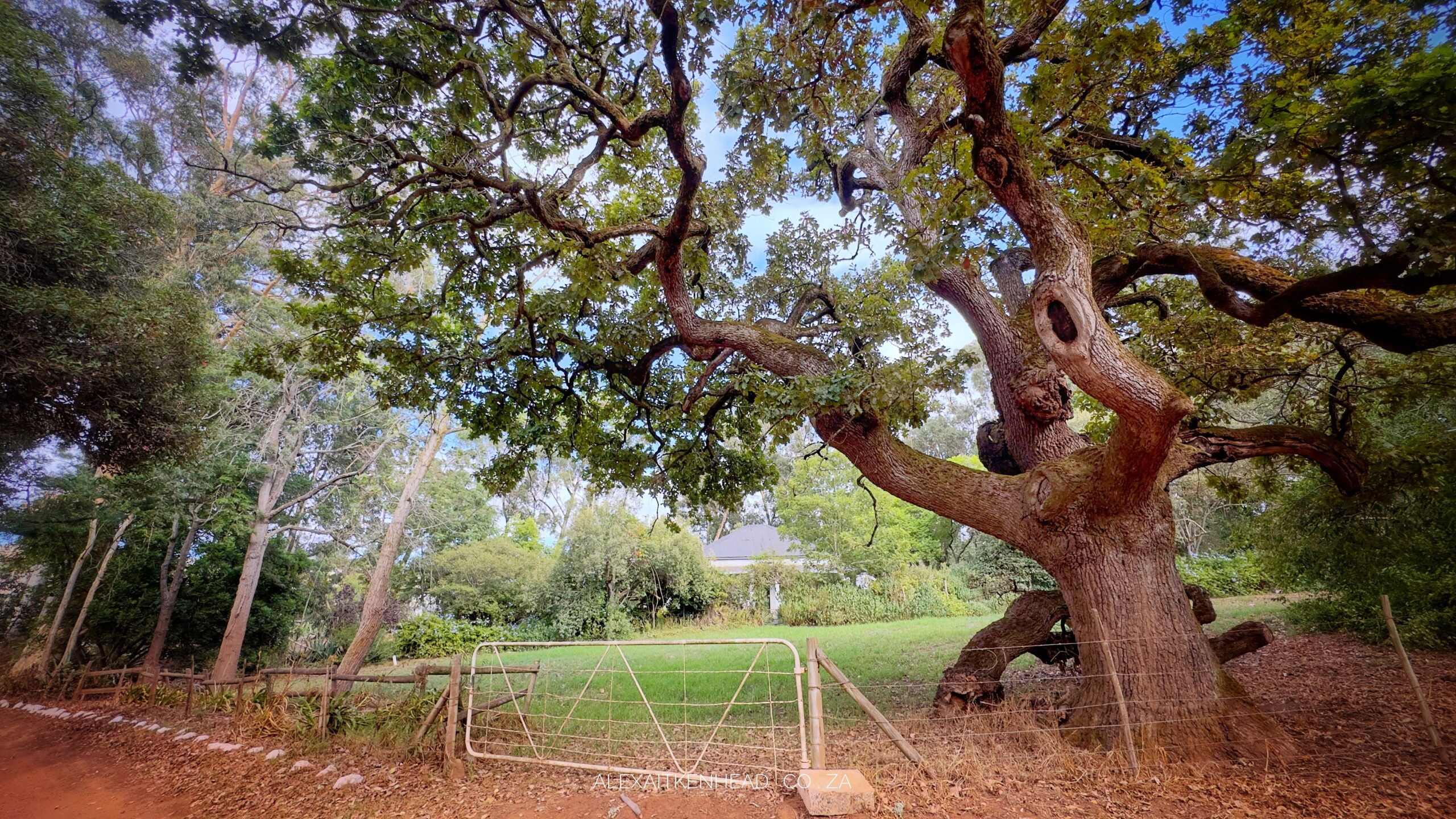
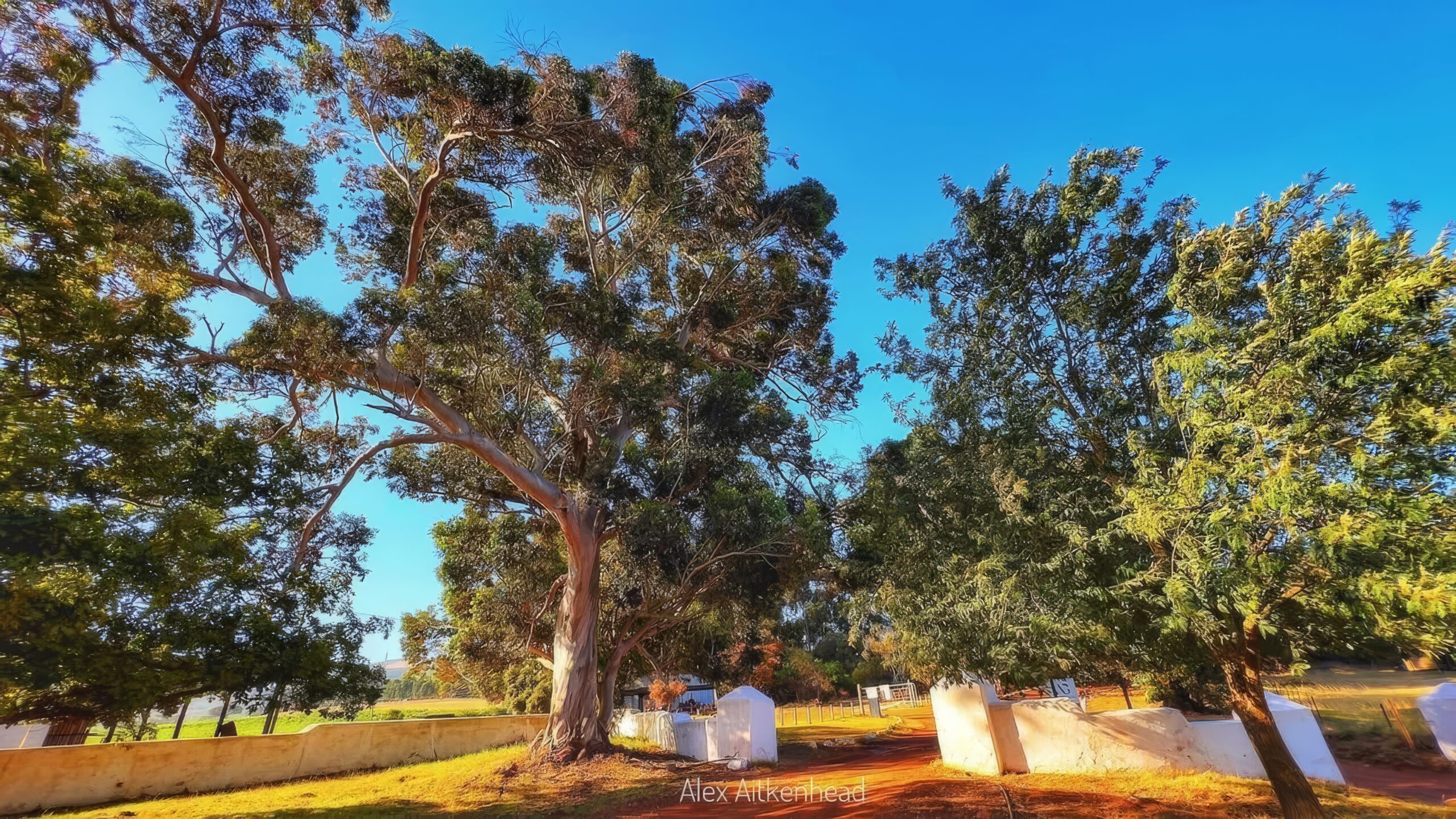
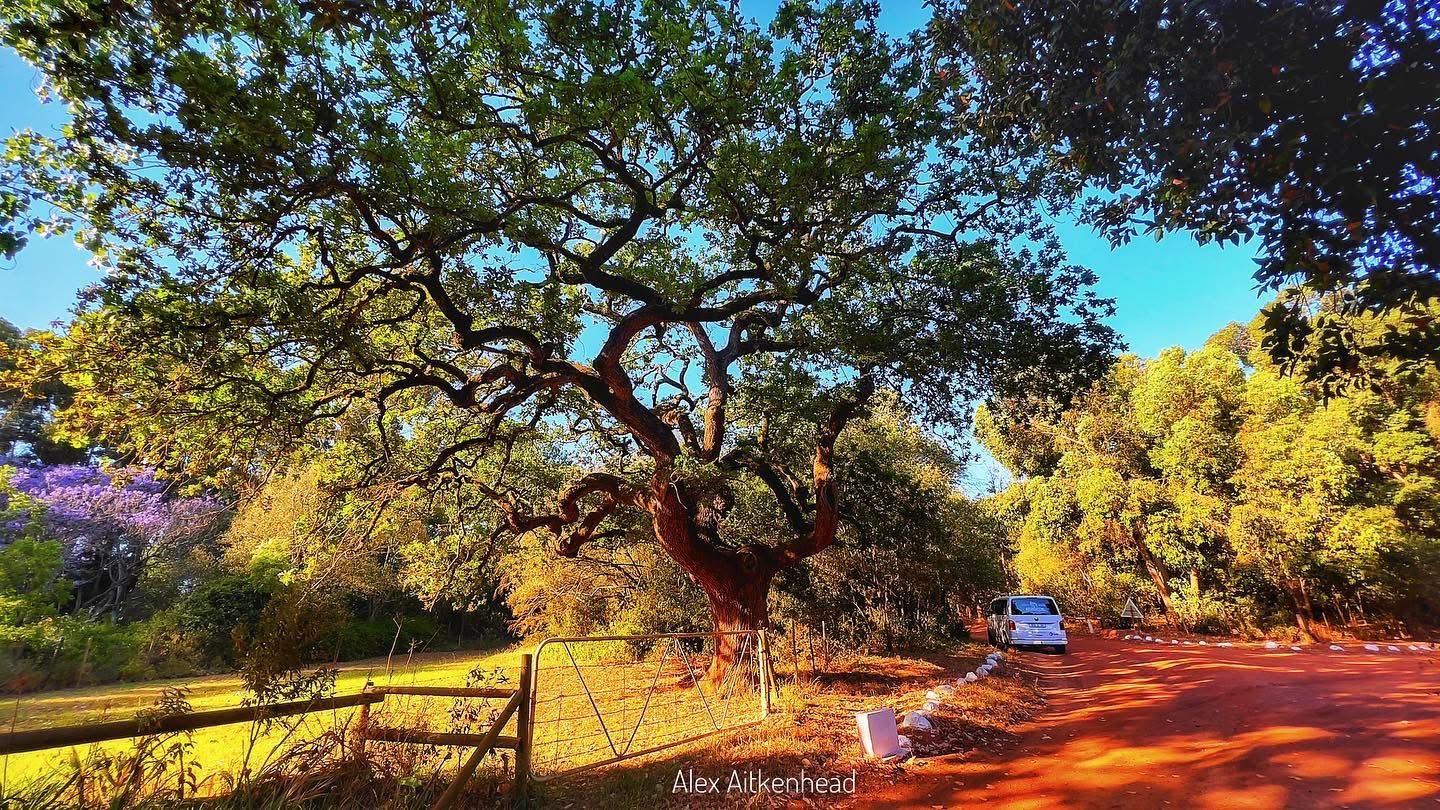
Magnificent trees of various species dominate the approach to the estate. As we parked our vehicle, the rising sun cast a golden glow across the scene, illuminating the towering canopy and vineyards beyond. Moments like this are precisely why early mornings in the field are so rewarding. With our gear gathered and spirits high, we began our search—fully aware that locating a single buzzard-like raptor on such a vast property would be no easy task.
Determined and curious, we wandered beneath the estate’s impressive trees, occasionally pausing to photograph the scenery. While momentarily distracted by the towering trunks above us, we suddenly noticed our first raptor of the morning: a Black Sparrowhawk circling overhead, persistently harassed by a pair of Pied Crows. Barely an hour into our visit, this thrilling sighting felt like an encouraging omen.
What followed was an unexpectedly frenetic morning of raptor activity. A Jackal Buzzard and a Booted Eagle kept us alert and scanning the skies. Then, cutting through the air above us, came a distinctive, high-pitched whistling call. Instantly, we recognised it—this was the sound we had been hoping to hear.
Our target species had arrived.
To our amazement, two European Honey Buzzards were circling overhead, their piercing calls echoing across the farm as they displayed in graceful flight. The moment was electrifying. Then, almost unbelievably, a third honey buzzard joined them. What had begun as a hopeful search for a single bird had suddenly become an extraordinary spectacle. Three European Honey Buzzards soared above us, calling repeatedly while engaging in dramatic aerial displays that showcased both their power and their elegance.
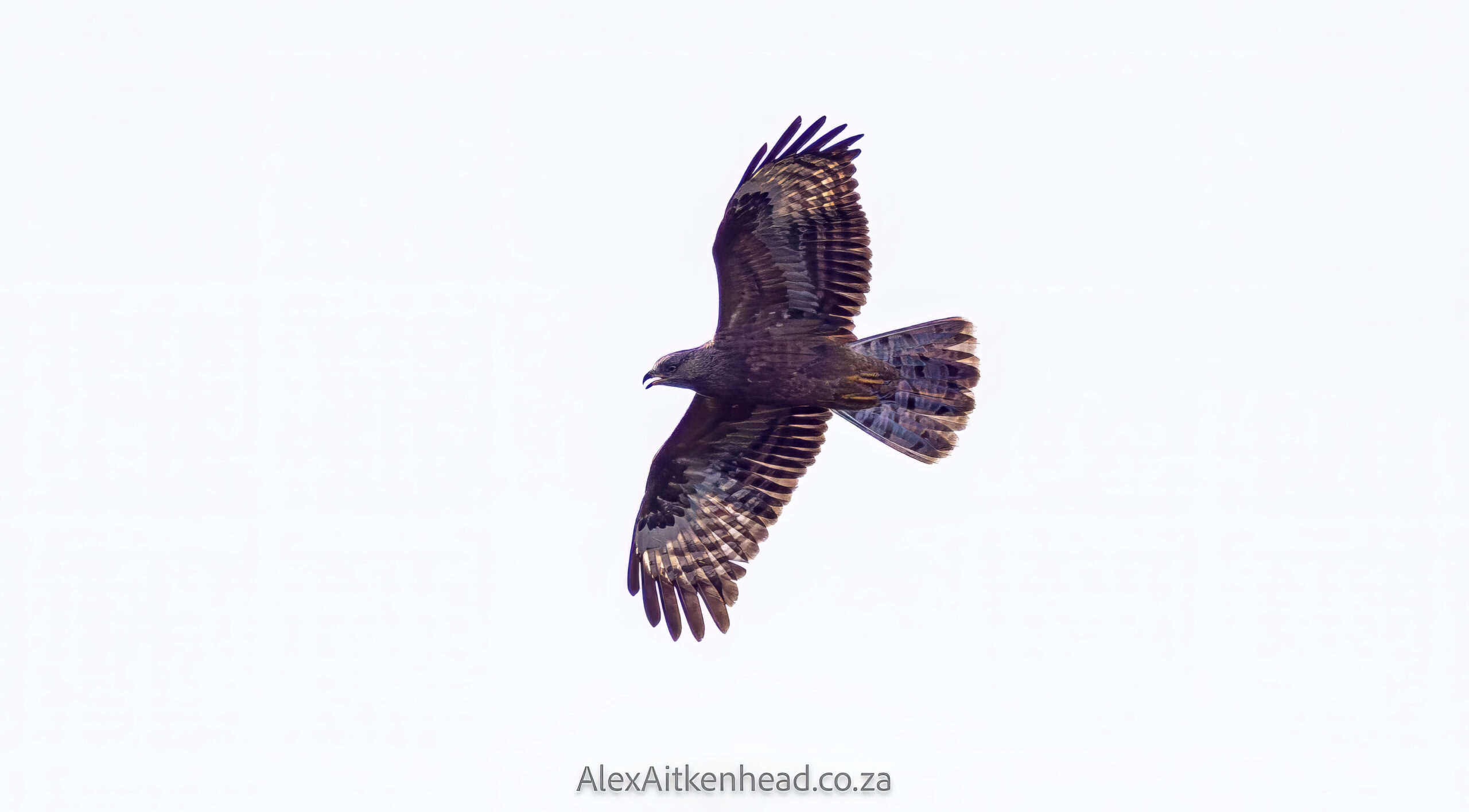
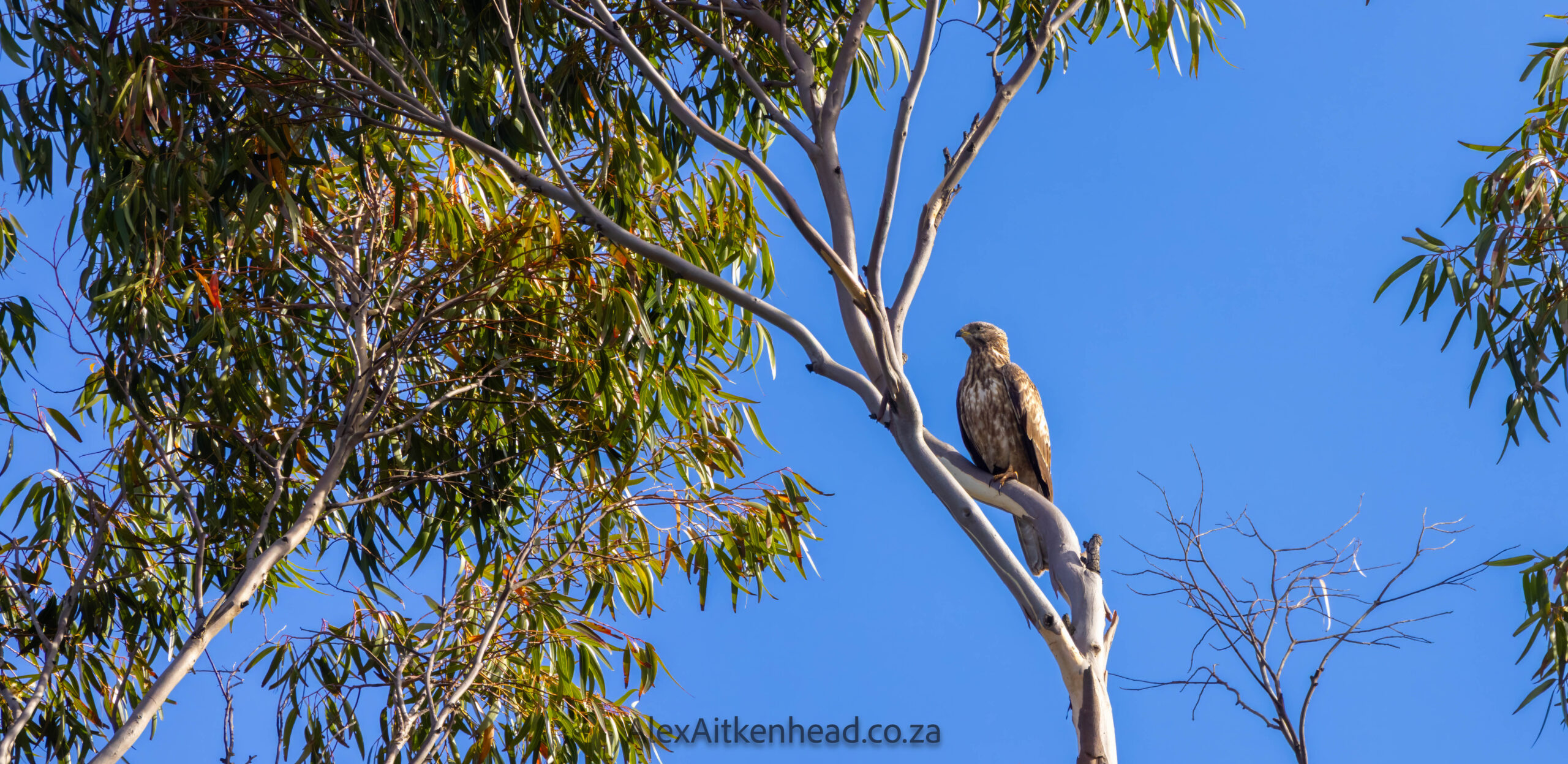
We attempted to photograph the scene, but without the stability of a tripod or gimbal, it proved extremely challenging to keep the camera steady during such an exhilarating moment. Fortune soon favoured us again when one of the honey buzzards descended and perched in the crown of the tallest Eucalyptus tree on the estate. Moving cautiously and quietly, we approached, aware that this might be our only opportunity for a closer observation.
With careful positioning and a bit of creative manoeuvring, we managed to settle within a reasonable viewing distance without disturbing the bird. It remained calm and composed, allowing us time to study its subtle plumage and distinctive structure—particularly the small pigeon-like head and elegant profile that distinguish this specialised raptor. The honey buzzard’s diet is as fascinating as its appearance. Although capable of taking small birds and amphibians, it is particularly adapted to feeding on the larvae of wasps and hornets—an unusual specialisation among birds of prey.
We captured photographs of the perched bird and took a moment to savour the experience. Our primary objective had been achieved, and the morning had already exceeded all expectations.As we began walking back toward our vehicle, we were approached by Mr Parker, who introduced himself as the owner of the farm. It was a pleasure to meet him, and in the excitement of the morning, we shared the story of our visit and the remarkable sightings we had just experienced. Curious to learn more about the bird, he listened as we played recordings of the honey buzzard’s distinctive call and showed him several of the photographs we had taken.
Although he recognised the sound, he admitted that he knew little about this rare visitor to his property. With our spirits high and memories firmly etched in our minds, we eventually departed the estate—deeply grateful for the experience and enriched by a morning that would remain unforgettable. It has taken some time for us to revisit and reflect on the events of that remarkable day. However, a recent webinar presented by Callan Cohen on the hybridisation of honey buzzards reignited our desire to reconnect with our observations from 3 January 2022.
Upon reviewing our photographs and notes, we now believe that one of the birds we observed may have been a hybrid involving the Crested Honey Buzzard. With only two officially recognised records of Crested Honey Buzzards in South Africa, the possibility of observing a hybrid individual would make this encounter even more remarkable.
Experiences like this remind us why we venture into the field time and again. Each outing carries the promise of discovery, and sometimes—if fortune allows—those moments become truly extraordinary.
We look forward to the next adventure.



History in the making with the first record of the Crested (Oriental) Honey Buzzard in Southern Africa. We had the good fortune to capture this Magnificent Raptor at the Spanish Farm Hills in Somerset West, January 2021
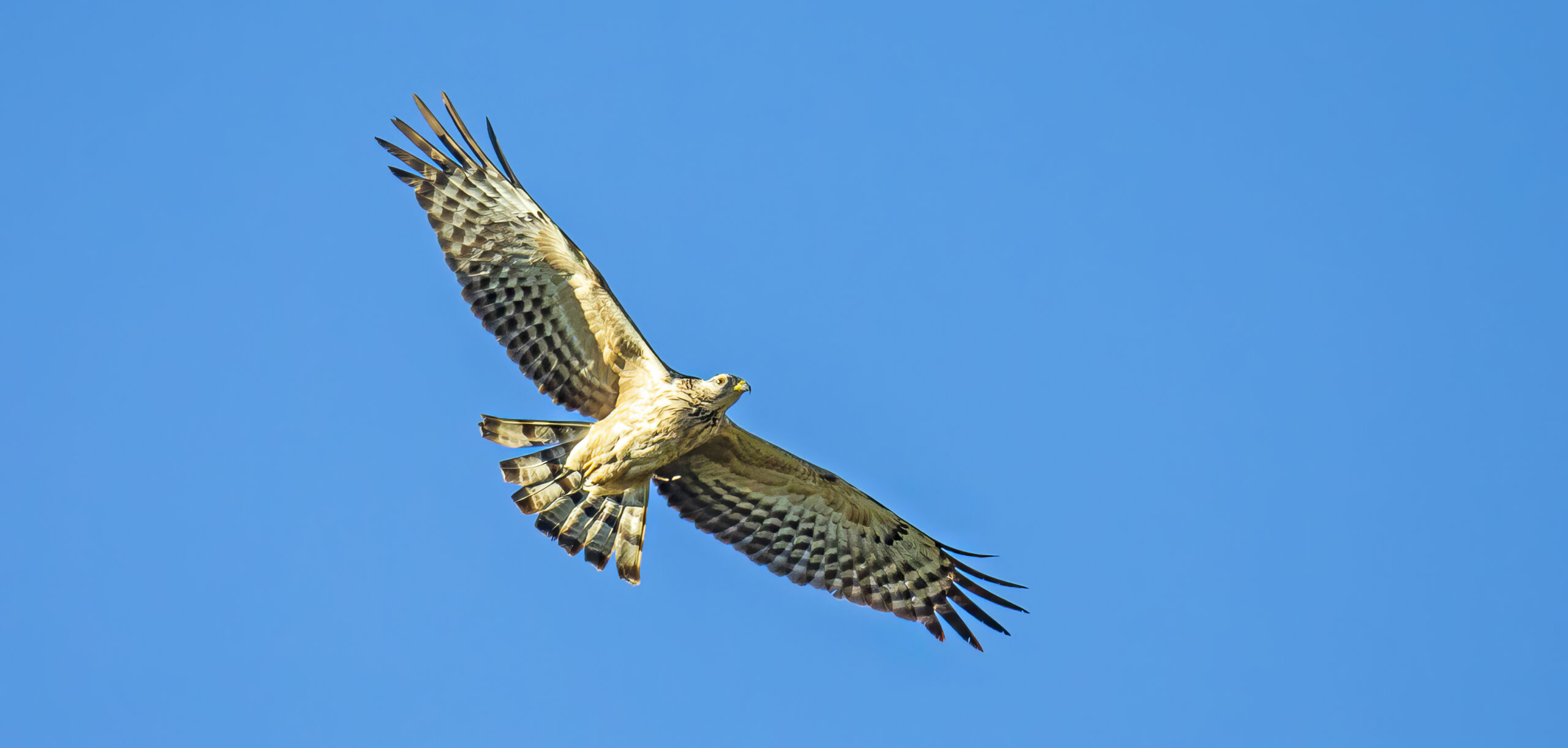
This was the first record of an official Crested (Oriental) Honey Buzzard (Pernis ptilorhynchus) in Southern Africa, image captured at the Spanish Farms, Somerset West, 13 January 2021
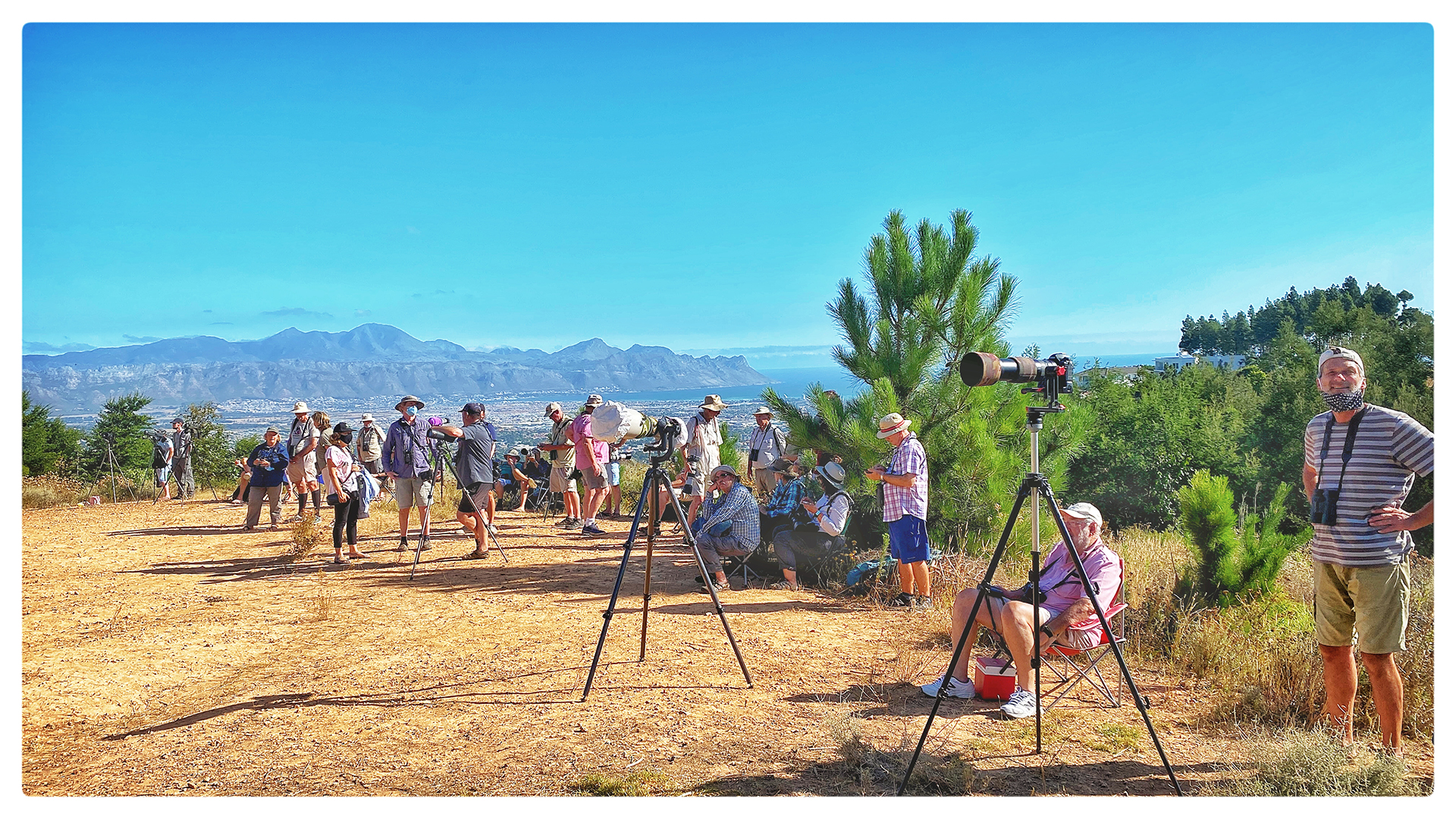
This was the first record of an official Crested (Oriental) Honey Buzzard in Southern Africa, image captured at the Spanish Farms, Somerset West, 13 January 2021, the Twitching crown on the day

This was the first record of an official Crested (Oriental) Honey Buzzard (Pernis ptilorhynchus) in Southern Africa, image captured at the Spanish Farms, Somerset West, 13 January 2021

This was the first record of an official Crested (Oriental) Honey Buzzard in Southern Africa, image captured at the Spanish Farms, Somerset West, 13 January 2021, the Twitching crown on the day

This was the first record of an official Crested (Oriental) Honey Buzzard (Pernis ptilorhynchus) in Southern Africa, image captured at the Spanish Farms, Somerset West, 13 January 2021
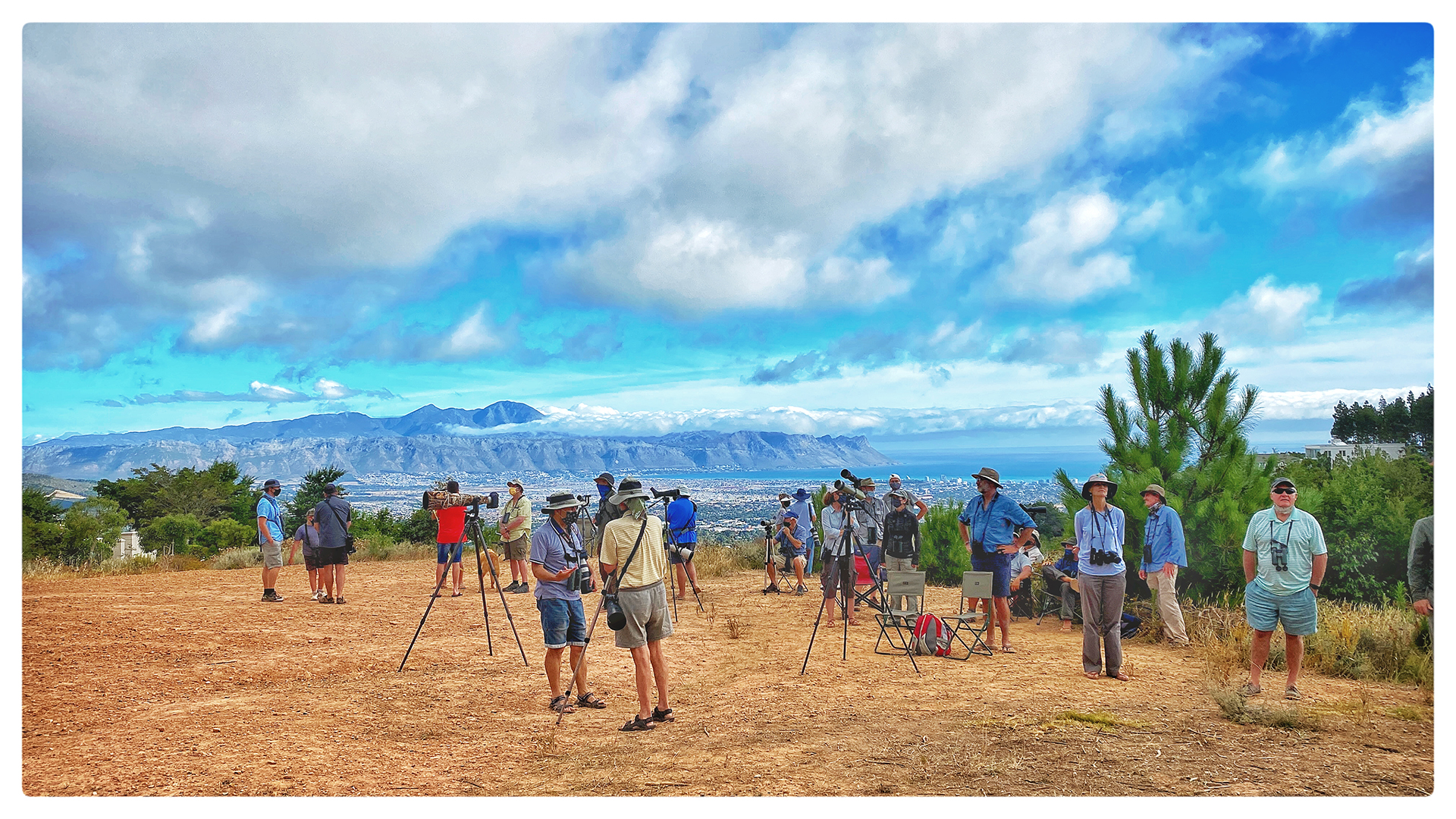
This was the first record of an official Crested (Oriental) Honey Buzzard in Southern Africa, image captured at the Spanish Farms, Somerset West, 13 January 2021, the Twitching crown on the day
Here are 10 interesting facts about the Crested Honey Buzzard (Oriental Honey-buzzard):
- Its official name
The Crested Honey Buzzard is formally known as the Crested Honey Buzzard (Pernis ptilorhynchus), and is sometimes called the Oriental Honey-buzzard. - Specialist wasp hunter
Unlike most birds of prey, it feeds primarily on wasp and bee larvae, raiding nests both in trees and underground. - Natural armor against stings
It has thick, scale-like facial feathers and tough skin around the head and eyes, helping protect it from angry swarms while feeding. - Distinctive crest
As its name suggests, it can raise a subtle but noticeable crest of feathers, especially when alert or displaying. - Remarkable migration journeys
Northern populations migrate thousands of kilometres between breeding grounds in East Asia and wintering areas in Southeast Asia. - Snake-like head movement
When perched, it often moves its head in a slow, deliberate, almost reptilian manner — possibly mimicking a predator to deter nest raiders. - Soars like an eagle
In flight, it resembles an eagle, with broad wings and a long tail, often soaring high on thermals. - Impressive migration spectacles
Large numbers can be seen during migration over places like Taiwan, where they form dramatic kettles in the sky. - Sexual dimorphism
Males and females can differ in eye colour — males often have red eyes, while females tend to have yellow or brown eyes. - Wide distribution
It ranges from India across Southeast Asia to parts of Japan and eastern Russia, inhabiting forests, woodlands, and even agricultural landscapes.
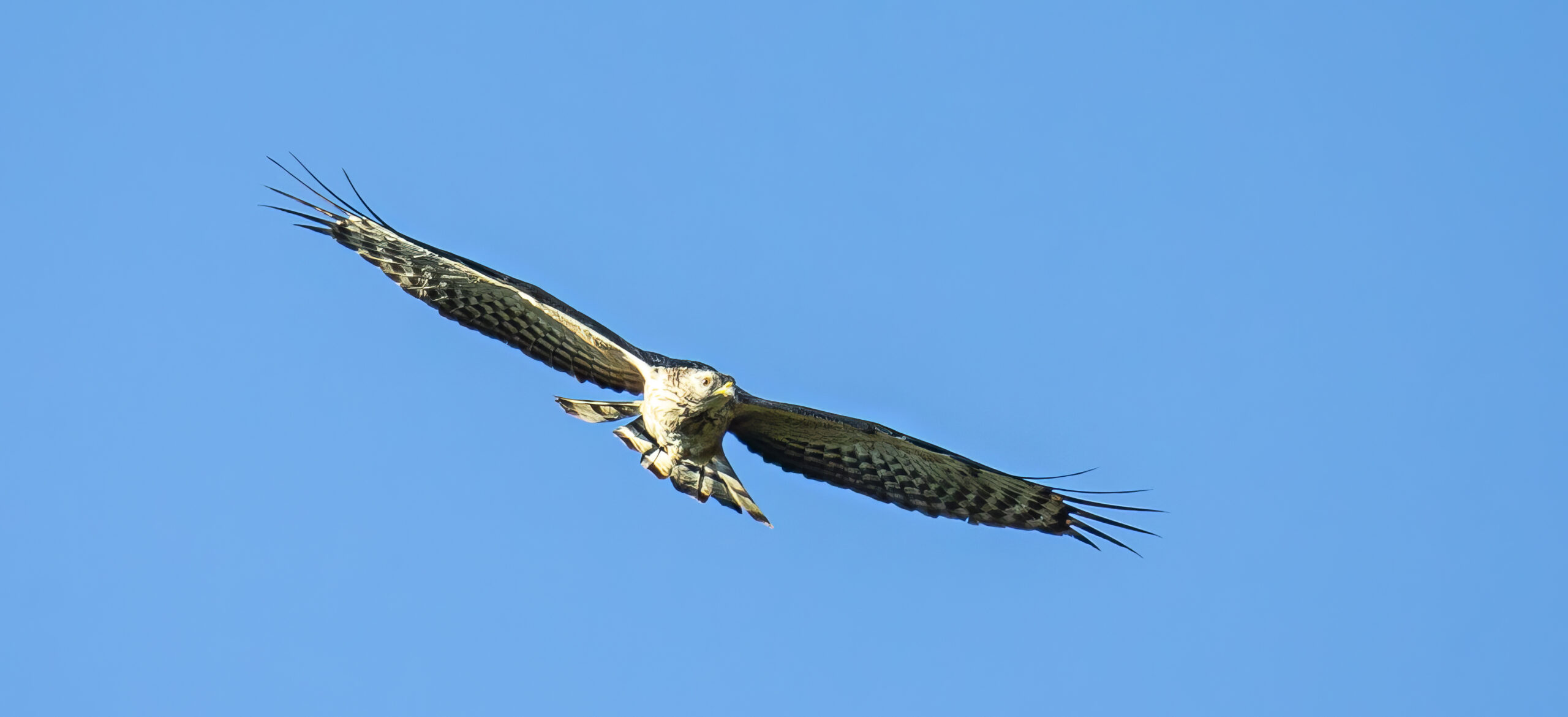
This was the first record of an official Crested (Oriental) Honey Buzzard (Pernis ptilorhynchus) in Southern Africa, image captured at the Spanish Farms, Somerset West, 13 January 2021
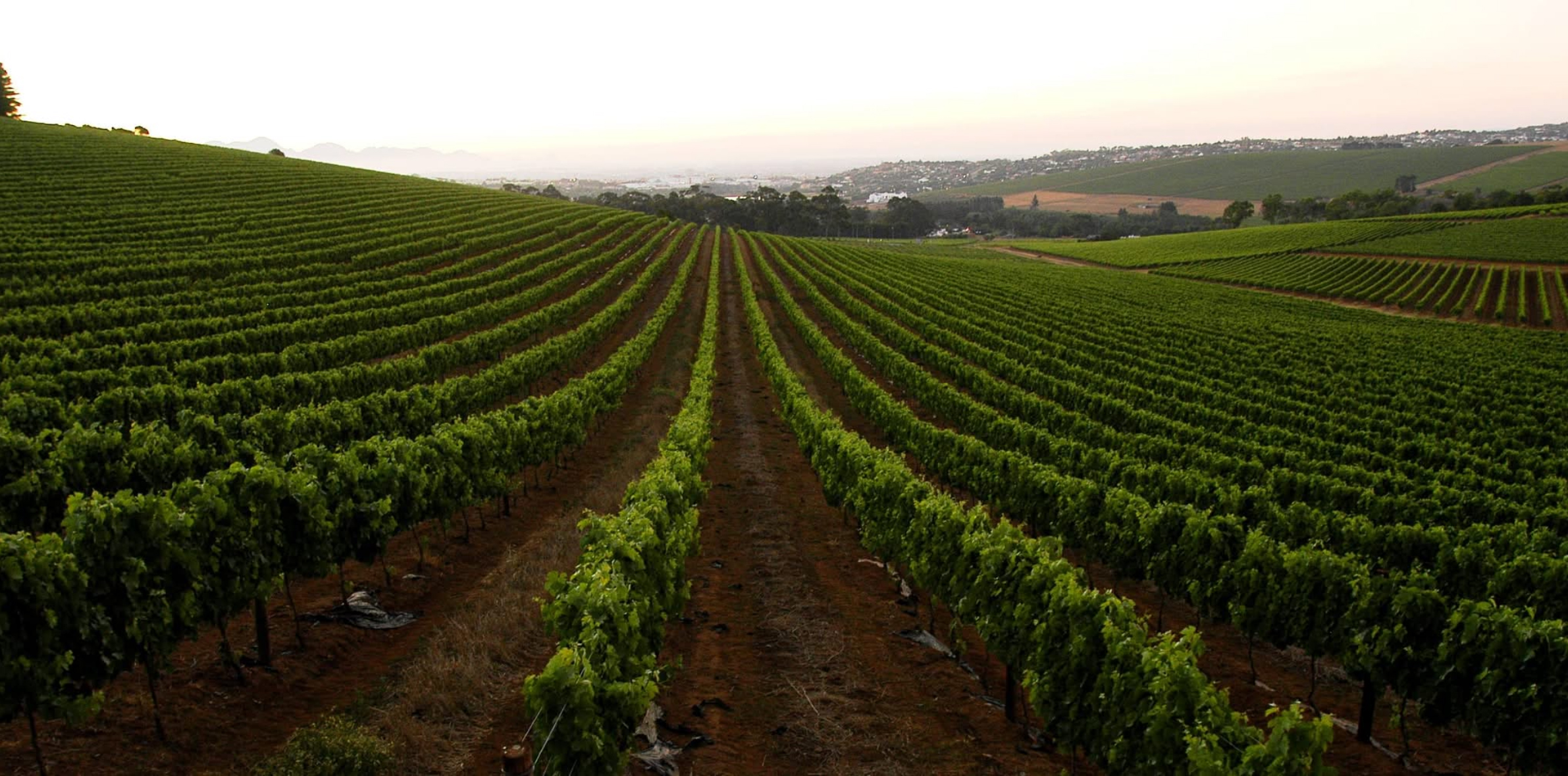
Image from the Altydgedaght FB page

This was the first record of an official Crested (Oriental) Honey Buzzard (Pernis ptilorhynchus) in Southern Africa, image captured at the Spanish Farms, Somerset West, 13 January 2021
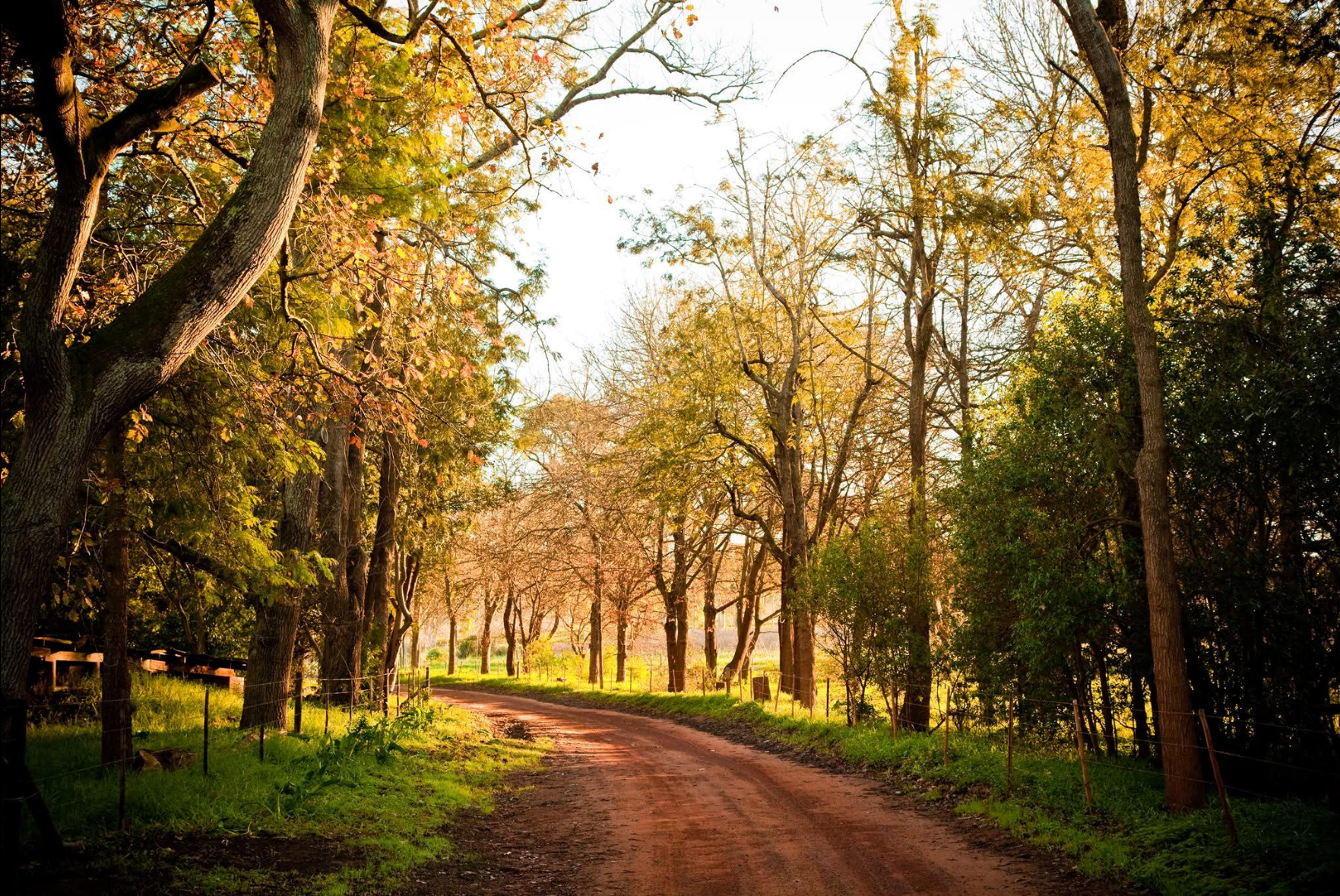
Image from the Altydgedaght FB page
Here are 10 interesting facts about the European honey buzzard:
- A specialist in stinging prey
The European Honey Buzzard feeds primarily on wasps and bees — especially their larvae. It raids underground nests, digging them out with its strong feet and tearing them apart with its hooked bill. - Natural armor against stings
Unlike most birds of prey, it has dense, scale-like facial feathers and tough skin around the eyes and face to protect it from wasp and bee stings while feeding. - Not a typical buzzard
Despite its name, it isn’t closely related to the “true” buzzards (genus Buteo). It belongs to a separate group of honey buzzards in the genus Pernis. - Impressive long-distance migrant
It breeds across Europe and western Asia and migrates thousands of kilometres to spend the non-breeding season in tropical Africa — crossing the Mediterranean and the Sahara Desert. - Soars like an eagle
During migration, it relies heavily on thermals, often travelling in loose flocks and sometimes mixing with other raptors such as eagles and storks. - Remarkable camouflage
Its plumage is highly variable — from pale to dark morphs — helping it blend into woodland habitats. This variation can make identification tricky. - Masters of deception
Its plumage and flight silhouette can resemble that of a common buzzard, which may help it avoid harassment from other birds of prey. - Woodland nesters
It prefers mature forests for breeding, building its nest high in trees and often decorating it with fresh green leaves. - Late summer departure
Compared to many European raptors, honey buzzards migrate relatively late, often not leaving Europe until August or even September. - A surprisingly gentle hunter
Despite being a bird of prey, it is less aggressive than many raptors and rarely hunts mammals or birds, focusing instead on insect larvae as its primary food source.
The Great Debate: Is our European Honey Buzzard a Hybrid Crested Honey Buzzard? Well, we believe it is and here is why.
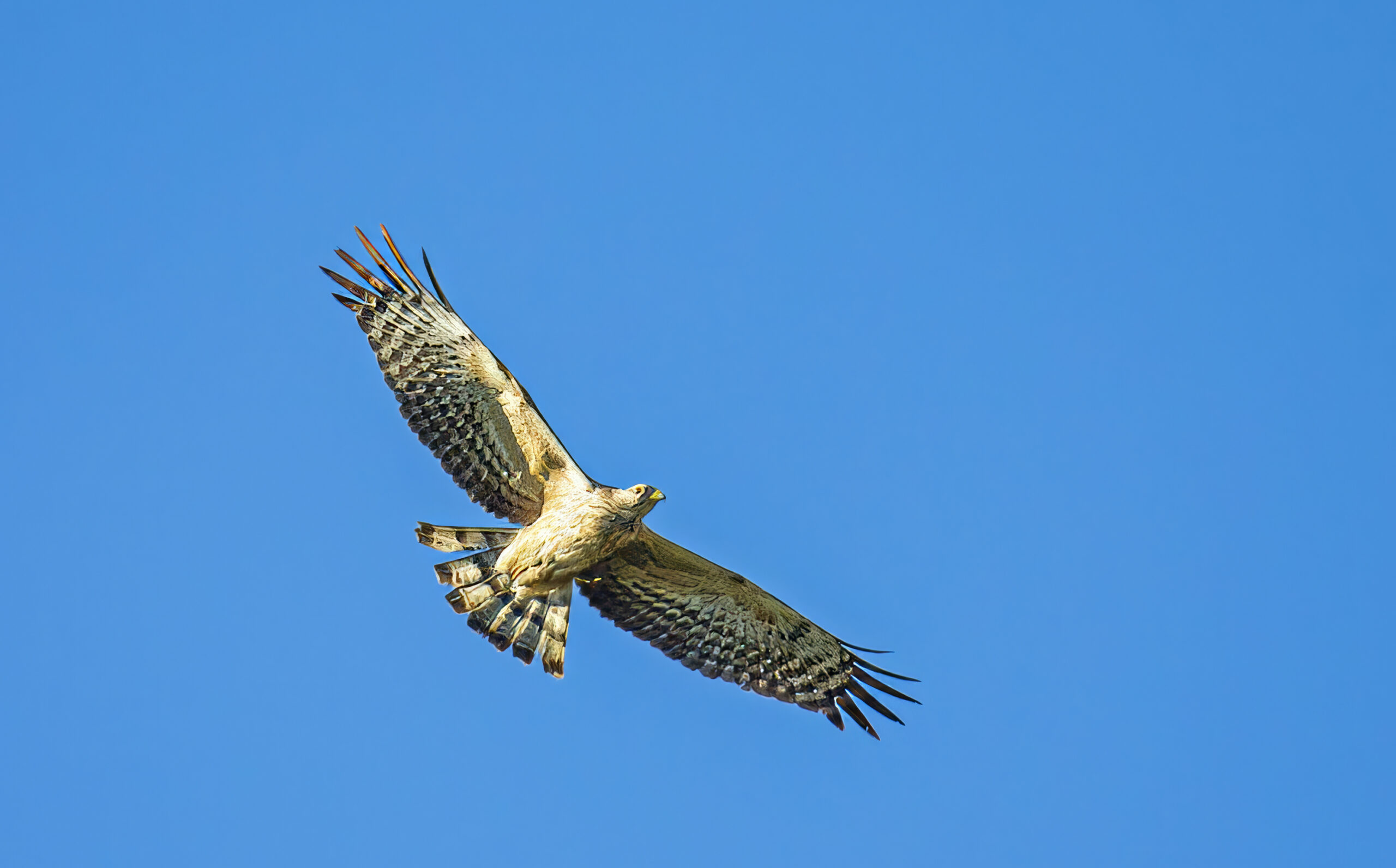
Confirmed Crested (Oriental) Honey Buzzard (Pernis ptilorhynchus), the first official record for this bird in Southern Africa, captured at the Spanish Farm Hill in Somerset West, on 13 January 2021
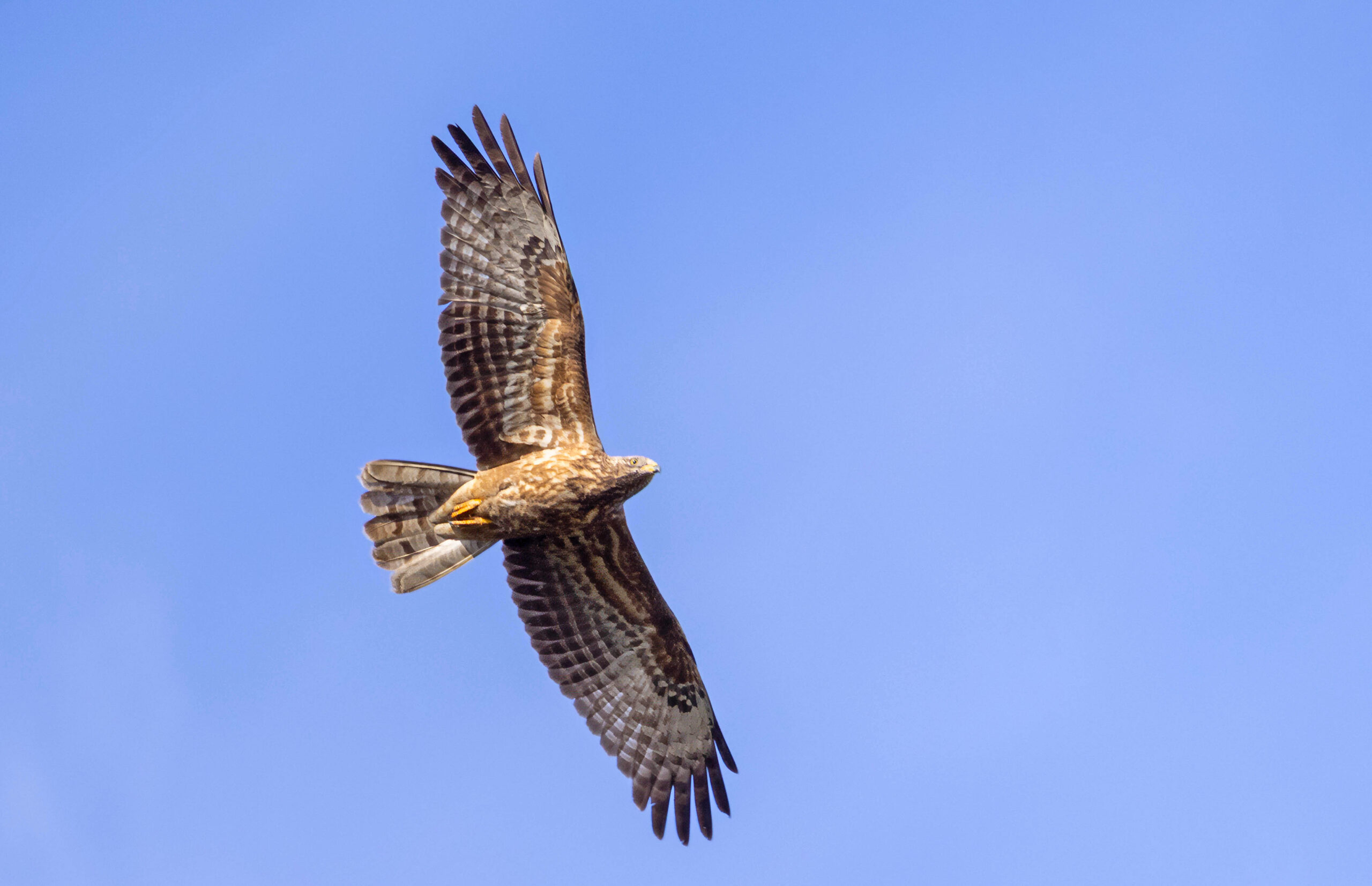
We believe this bird is a Hybrid Crested Honey Buzzard, not a European Honey Buzzard.
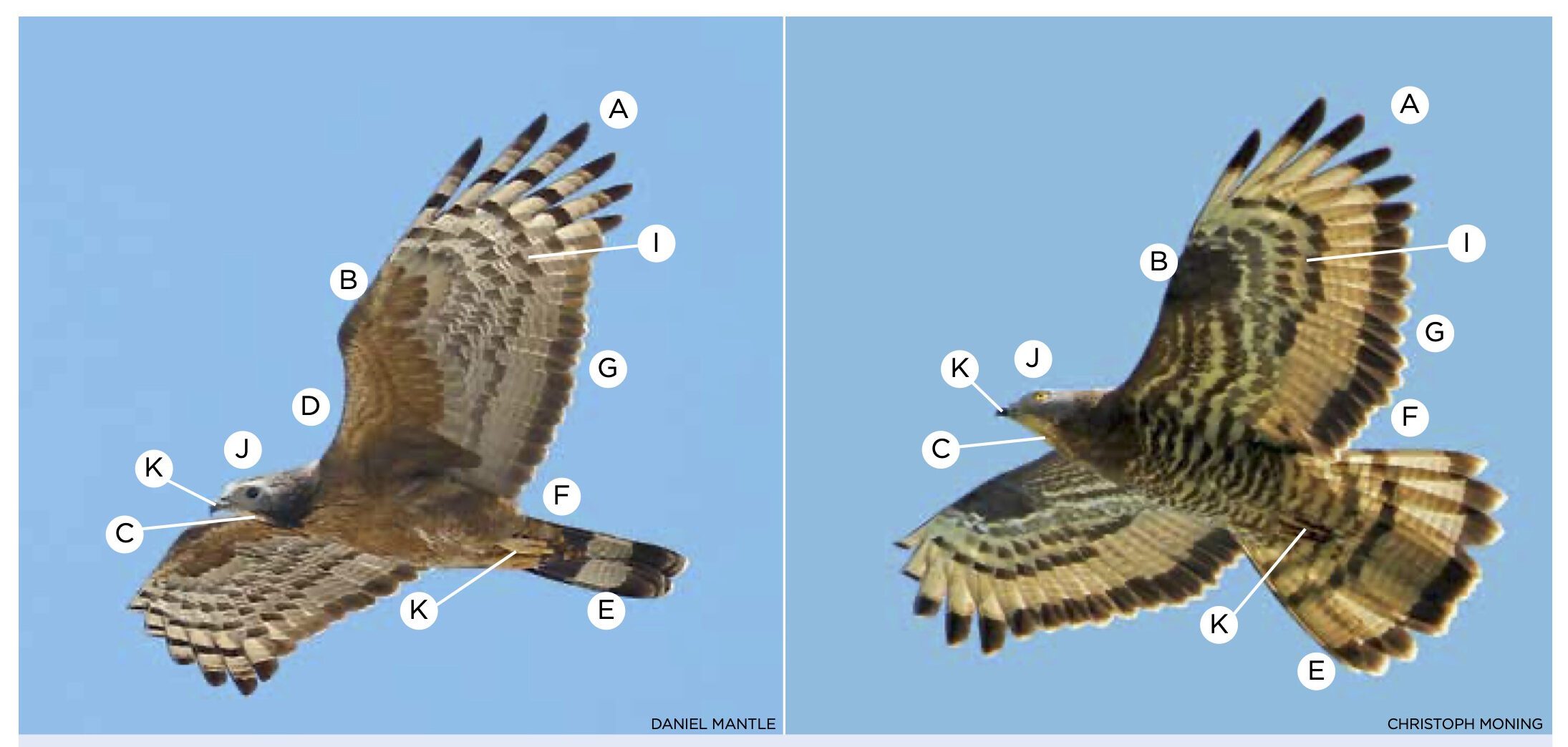
This is our observation when comparing the two Honey Buzzard species using the comparisons listed by Dr Callan Cohen.
Crested Honey Buzzard vs European Honey Buzzard
Most distinctive features:
A: Long primaries in the outer wing with six fingers in the hand vs five fingers found with the European Honey Buzzard. (definitely true on our bird)
B: No carpal patch vs dark carpal patch. (definitely true on our bird)
C: No ID feature on the gorget
D: Often cinnamon/sandy-coloured underparts vs never in European Honey Buzzard.
E: No distinct broad banding on the tail.
Shape and size:
Eagle-shaped with square wing, broader hand and shorter tail vs curved wing edge, narrow hand and shorter tail.
F: Tail shorter than base of the wing vs longer than base of the wing. (definitely true on our bird)
With a closer look:
G: Dark secondary tips narrower vs wider. (definitely true on our bird)
H: 4-6 secondary bars in juvenile/female vs 3 bars (not visible in the male above)
I: Barring on primary base irregular vs Neat. (definitely true on our bird)
J: Adult males with dark red iris (can appear dark) vs yellow iris
K: Feet and bill larger vs Smaller.
Due to the overlapping of most of the features listed, we have concluded that this Honey Buzzard is, in fact, a Hybrid Crested Honey Buzzard.
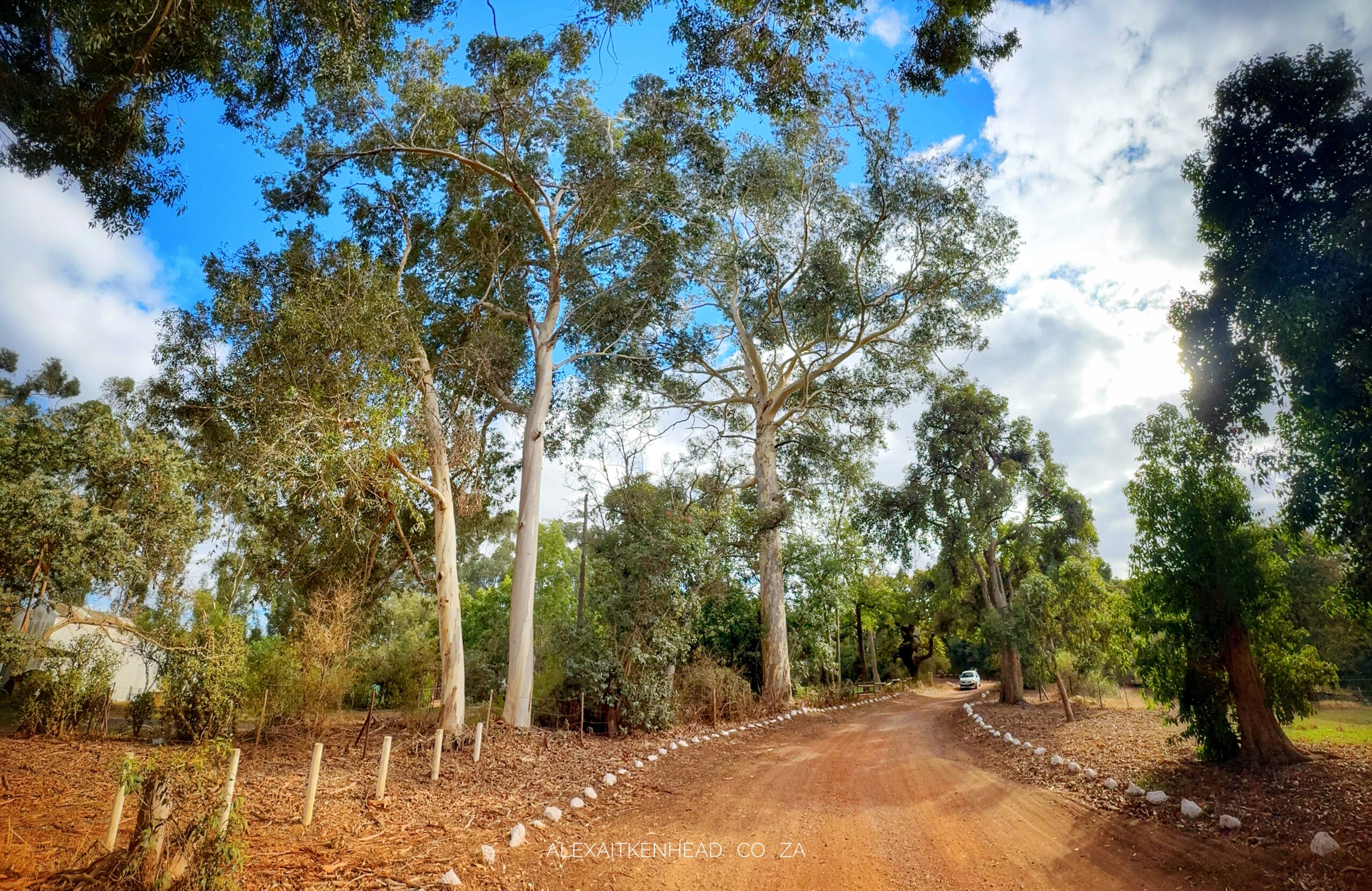
Altydgedacht Wine Estate:
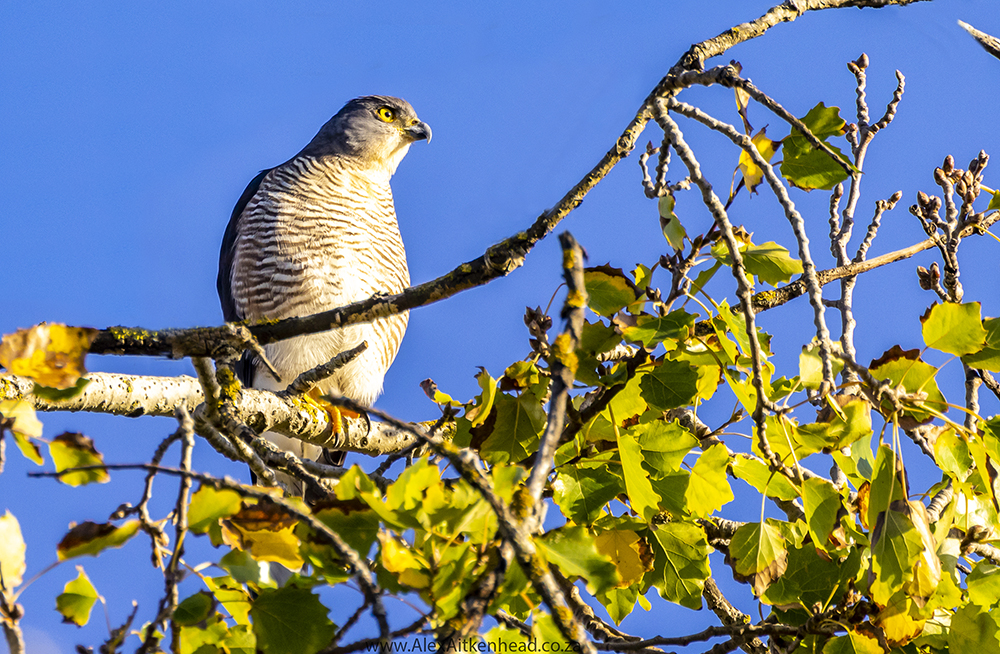
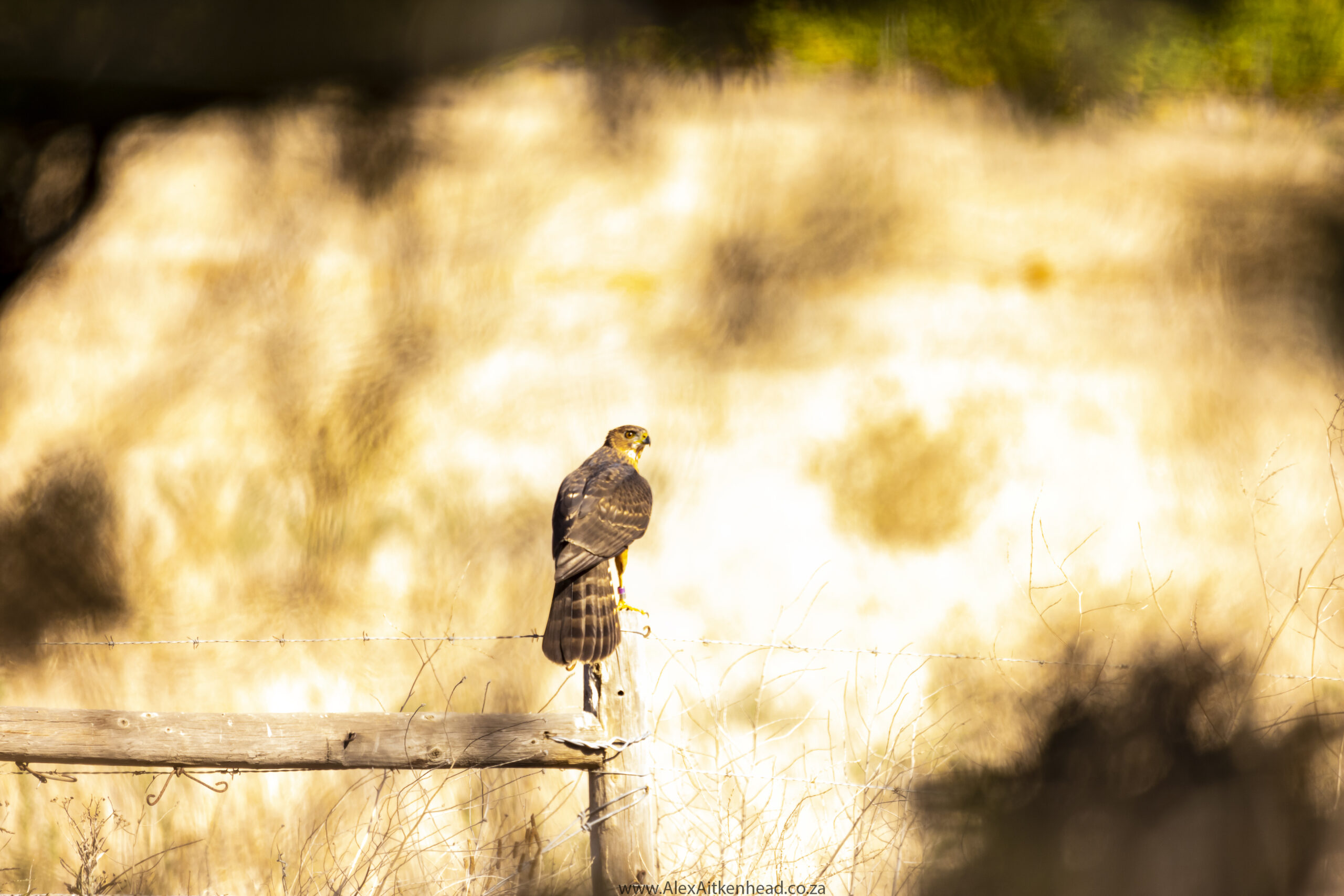

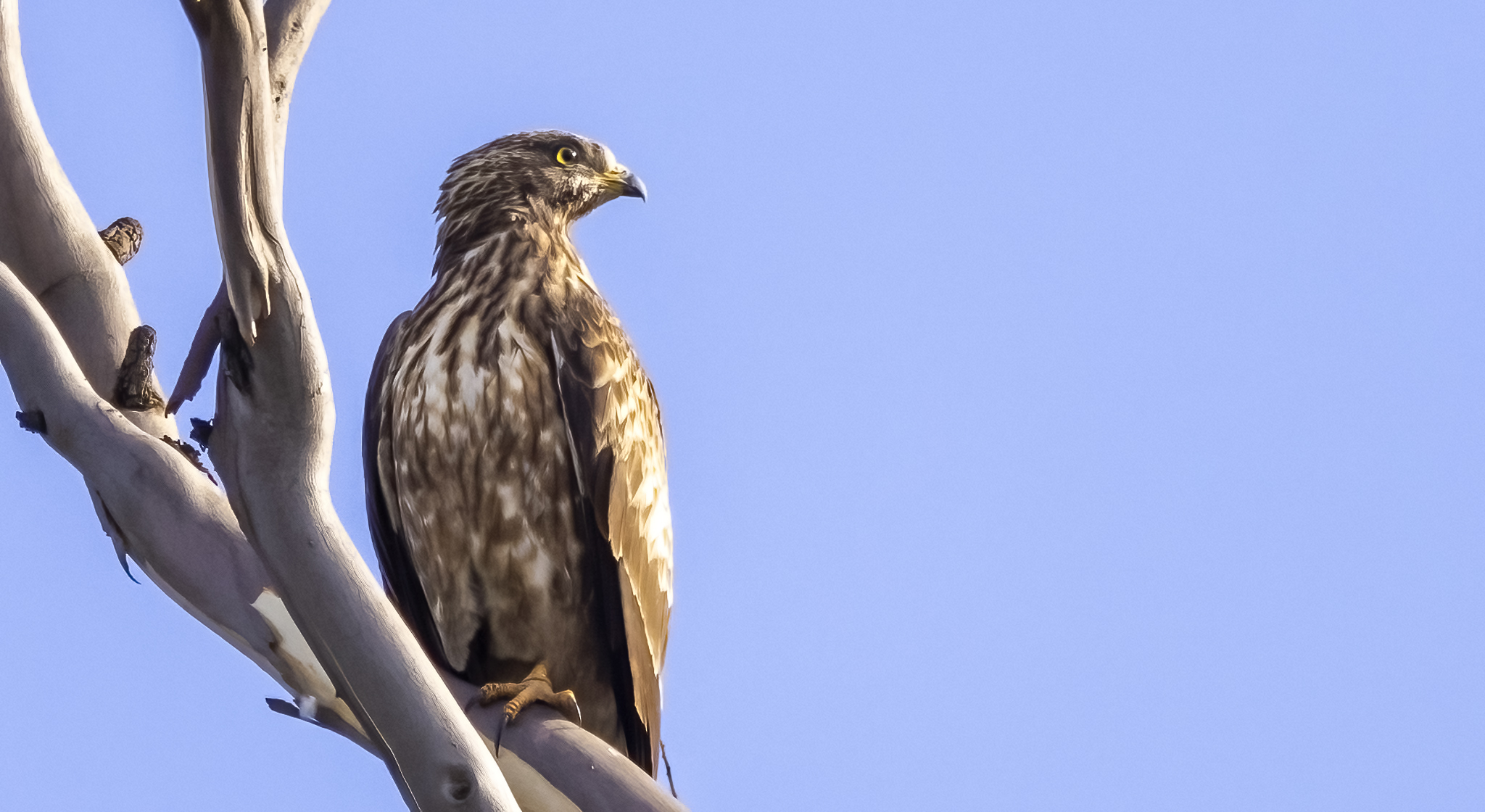
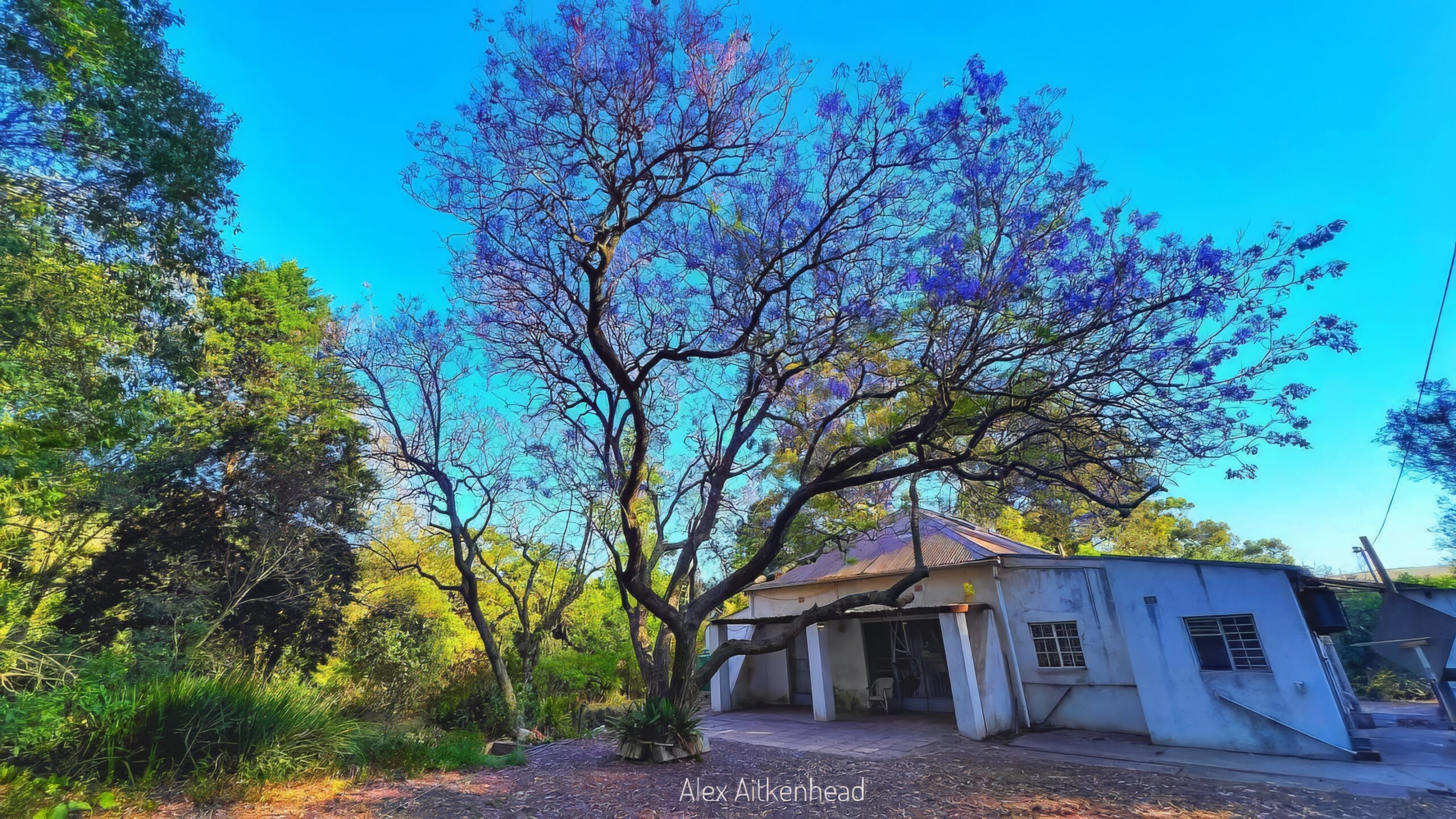
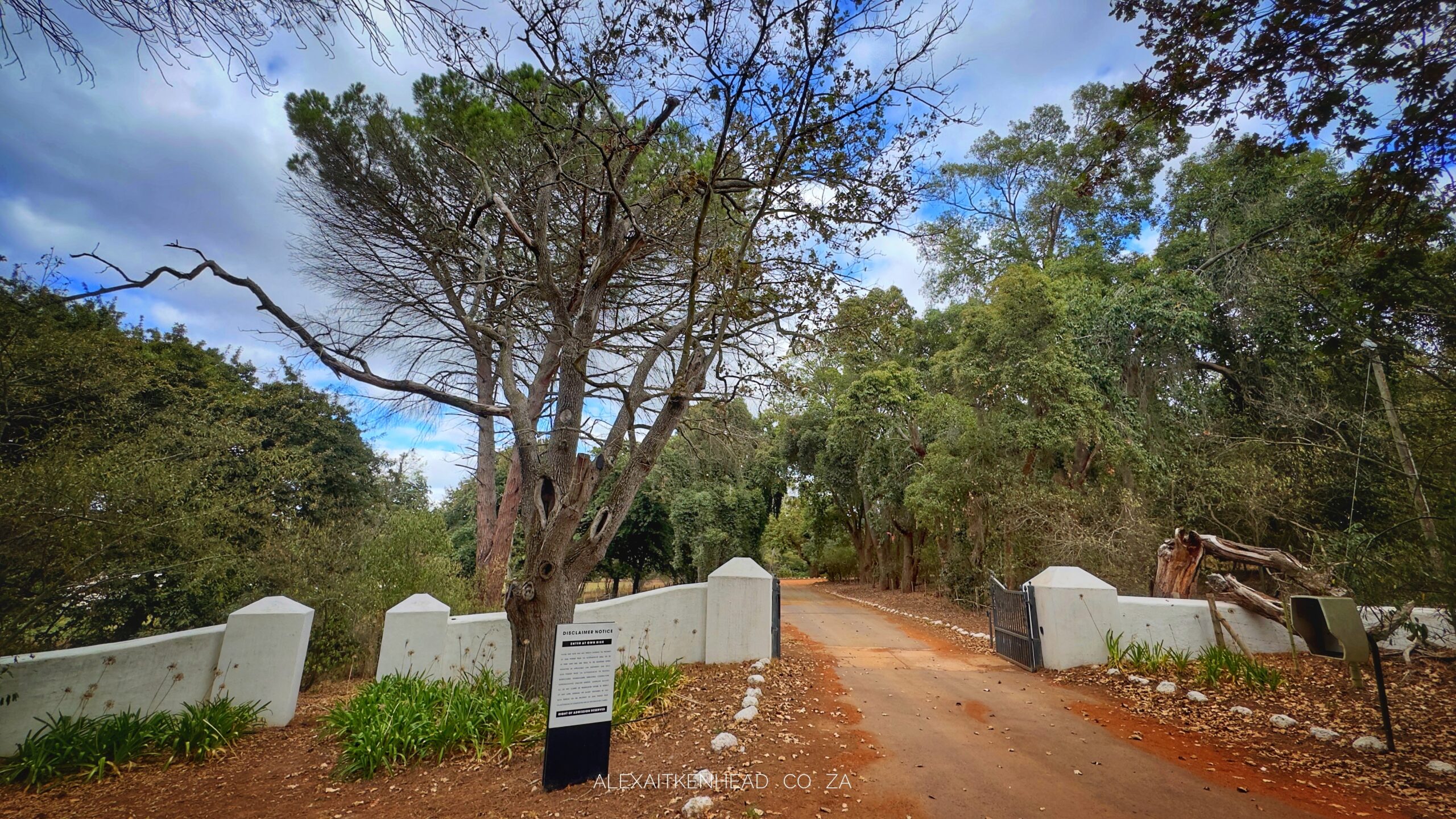

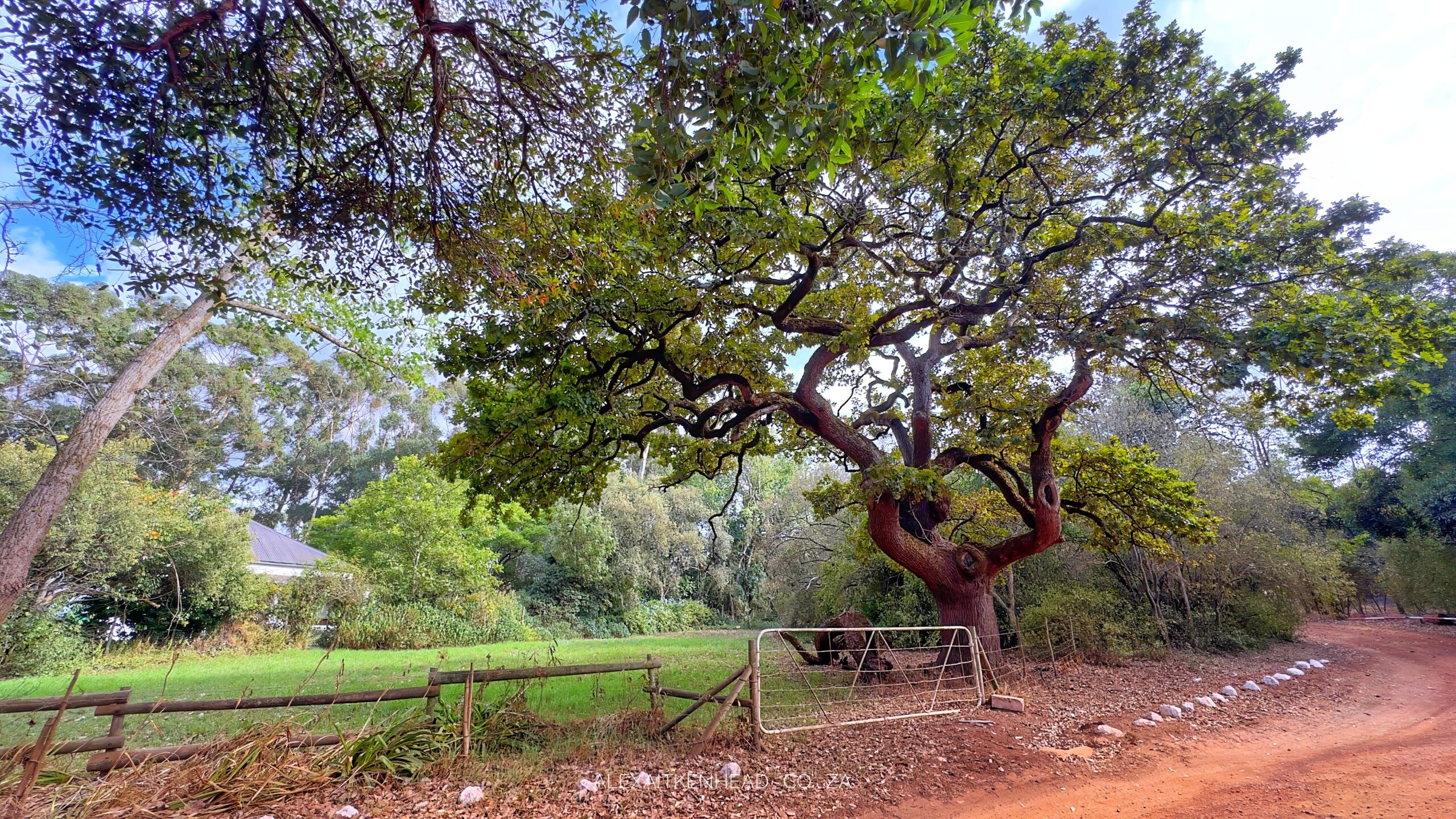
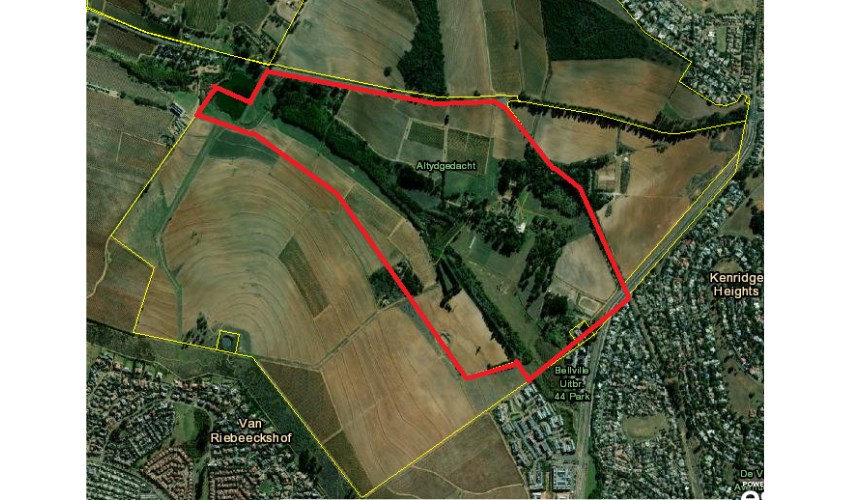


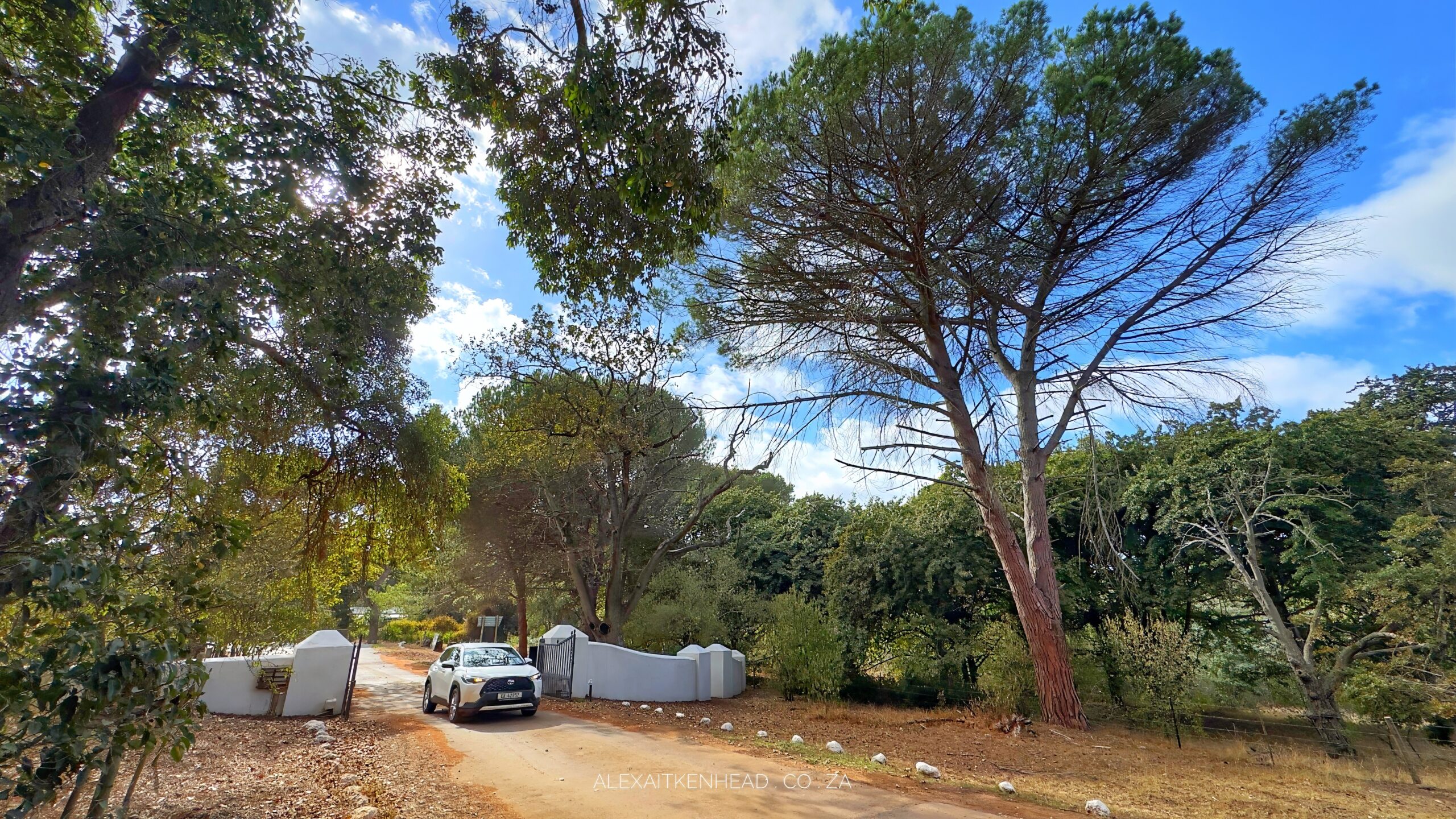
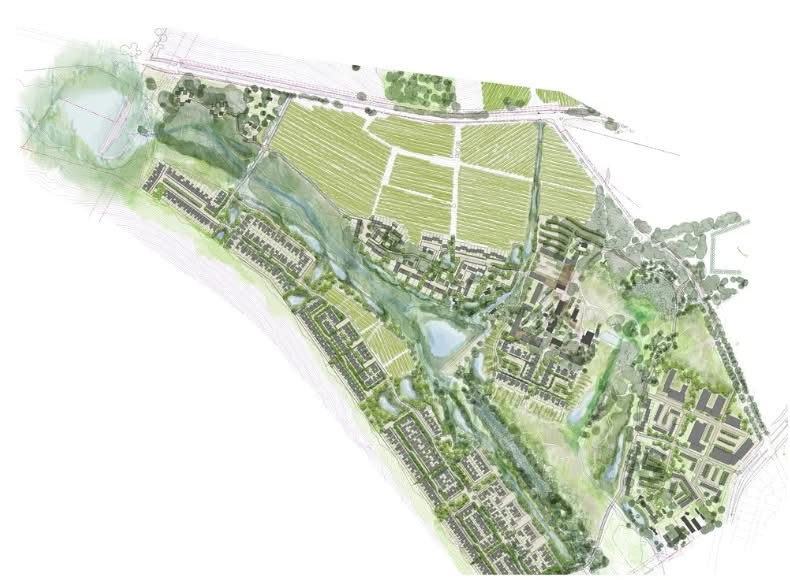
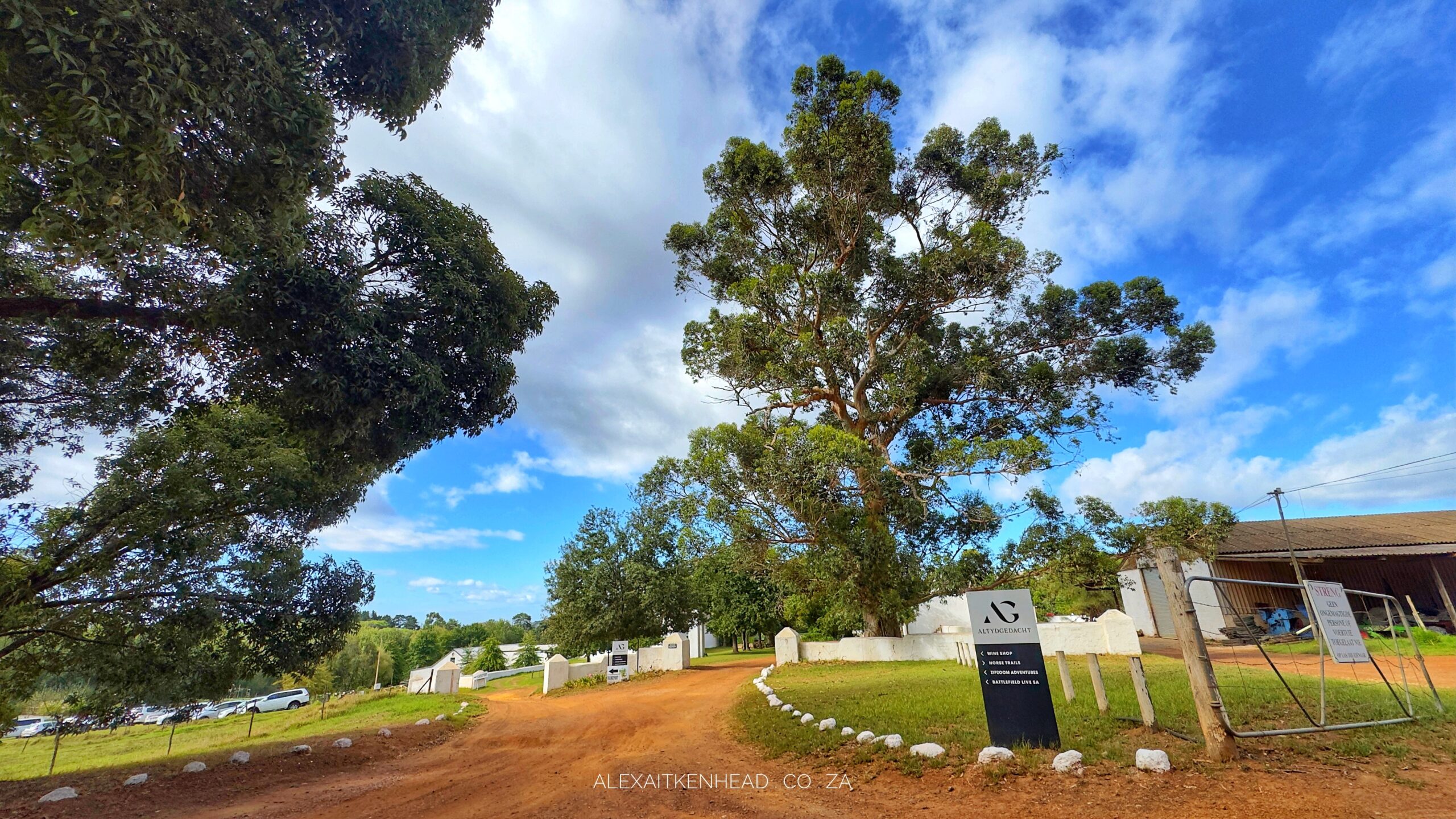
Unfortunately, with the development of the original farm, Altydgedacht will never quite be the same again. Yet hope remains. This unique corridor of open forest and its vital connection to the nearby Tygerberg Nature Reserve may still endure as a sanctuary in the landscape — a place where raptors can continue to hunt, soar, and thrive. If protected and respected, these skies may remain alive with the silent power and grace of birds of prey for generations to come.
Big development plans for Altydgedacht wine farm, despite urban edge.
The Altydgedacht proposal has become one of Cape Town’s most closely watched development stories, and for good reason. A 300-year-old wine farm, sitting outside the official Urban Edge, is now the site of a major mixed-use redevelopment application. It is a bold proposal, and it raises an important question for the Western Cape’s property future: How do we increase supply without losing the very character that makes areas like Durbanville so desirable?
Altydgedacht Estate was established in 1698, making it one of the oldest wine farms in South Africa. It boasts an unbroken tradition of more than 2 centuries and 6 generations of Parkers in the Durbanville hills.
CAPE TOWN – Residents and local stakeholders are being invited to comment on ambitious plans to develop part of the historic Altydgedacht wine farm in Durbanville — one of the largest residential projects planned for Durbanville in recent years.
The public participation period will run until 9 January next year.
The proposed mixed-use development would see approximately 105 ha of the 260 ha farm transformed into a new residential community.
The development will consist of 1 233 new homes across a range of housing types — from single-family houses to townhouses, apartments and retirement units.
The proposal includes restoring the farm’s historic buildings and maintaining its wine-making operations, whilst adding new community amenities and green spaces along the nearby Elsieskraal River.
However, heritage specialists have noted potential impacts on the sense of place around these historic buildings, as well as concerns about burial sites and other heritage resources.
Residents have until 9 January to voice their opinions on the proposals. Due to Christmas holiday arrangements, people effectively have 56 days to submit comments — nearly twice the usual consultation period.
. The public can review detailed plans online at www.gnec.co.za or contact Guillaume Nel Environmental Consultants by email to a.p@gnec.co.za. Comments should be emailed to a.p@gnec.co.za.
info reposted from tygerburger.co.za

You might also like


Leave a reply