
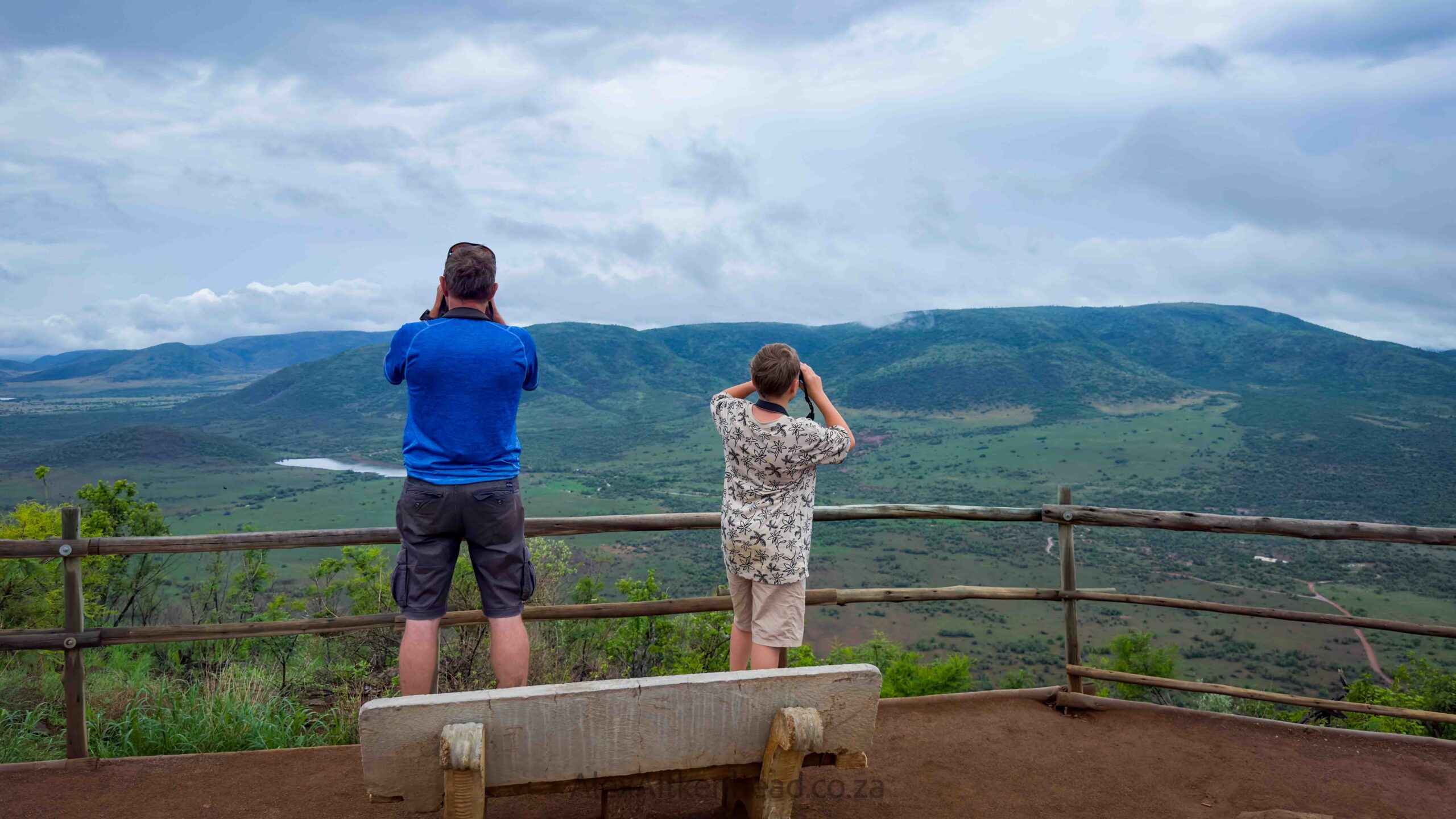
Top Reasons to Visit Pilanesberg National Park:
You may be wondering what sets Pilanesberg Game Reserve apart from other National Parks. What makes it so unique? Here are some of the best reasons to visit Pilanesberg:
Accessible
Only a three-hour drive away from South Africa’s largest city (Johannesburg), Pilanesberg National Park offers the perfect opportunity to leave the city lights behind and discover another world. Celebrate the public holidays, or enjoy a romantic getaway in the unspoiled wilderness.
Variety of Accommodation
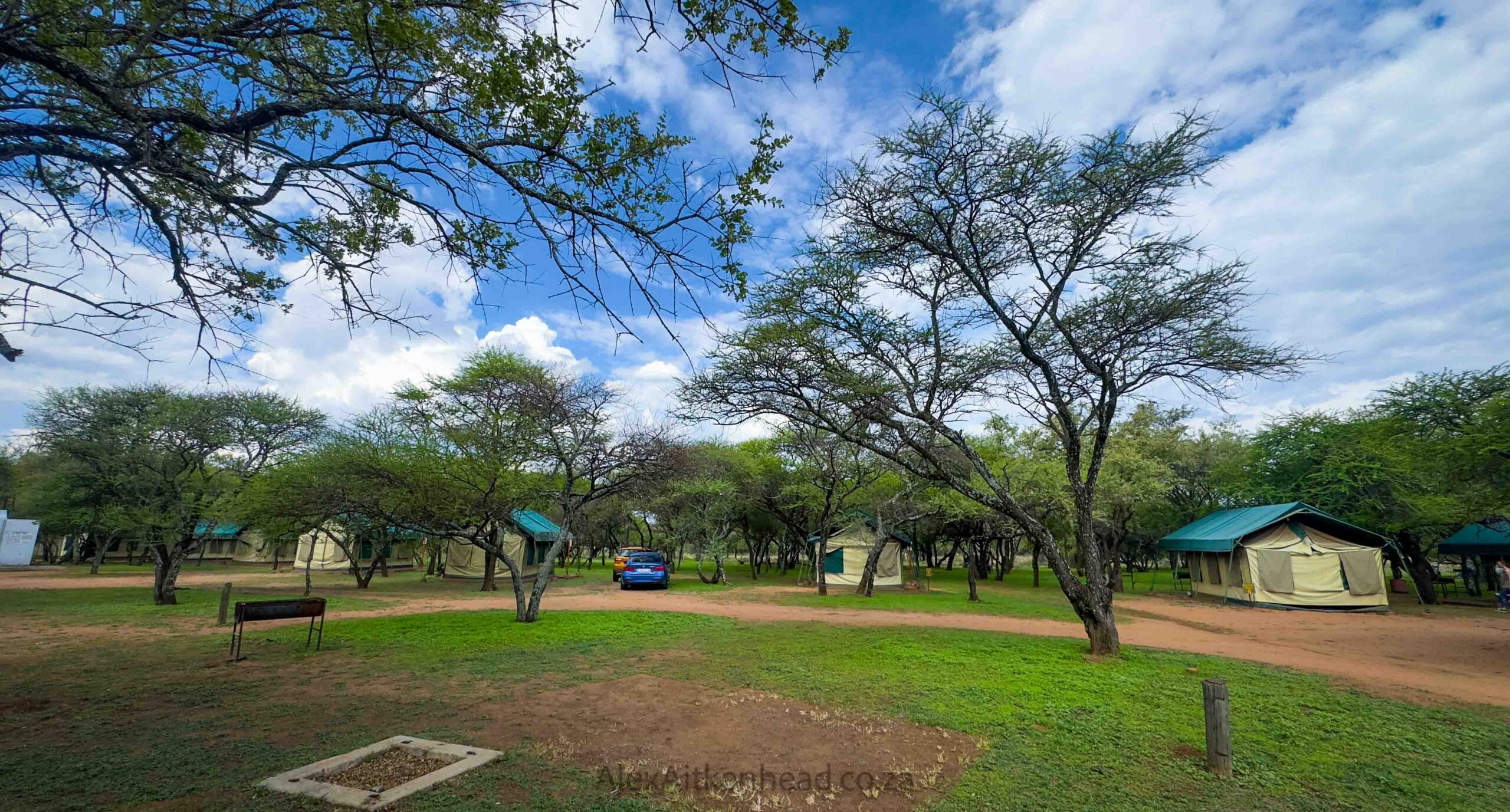
The diversity of Pilanesberg’s accommodation options means that there is an offering to suit every taste. Whether you enjoy “roughing it” in a Safari tent in the bush, or savouring a glass of fine wine in a big bubble bath as you gaze out the window of your luxury lodge, Pilanesberg has something just for you.
Ecological Richness
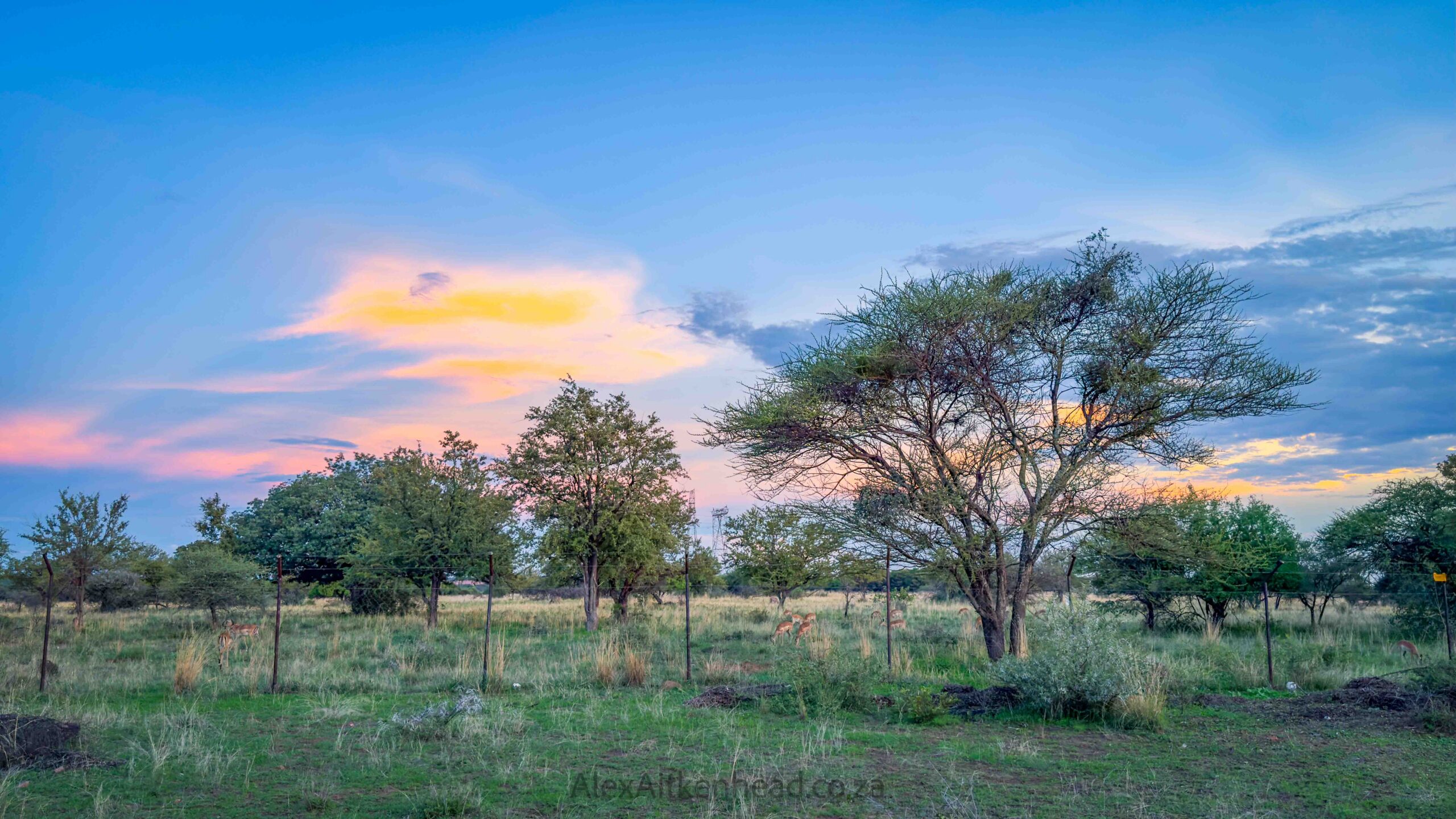
Pilanesberg National Park exists in a transition zone between the dryness of the Kalahari and the wet Lowveld vegetation. This rich transitional zone attracts an incredible variety of game animals, flora and fauna that are not often found living side by side. Virtually all of the animal species native to southern Africa can be found here, including the Big 5, wild dog, Roan, Tsessebe, Sable antelope and more than 360 species of birds.
Bursting with Wildlife
The relatively small size of the park and its unusual ecological richness dramatically increase your chance of encountering the Big 5 in their natural environment. Enjoy a leisurely Safari experience, or a surprise weekend escape: Pilanesberg allows you to choose your own adventure.
Ancient History
Pilanesberg National Park is set within the crater of an ancient volcano, formed 1.2 billion years ago by overflowing magma. The landscape and rock formations we see today are the enduring reminders of this magnificent occurrence.
Photographic Hides
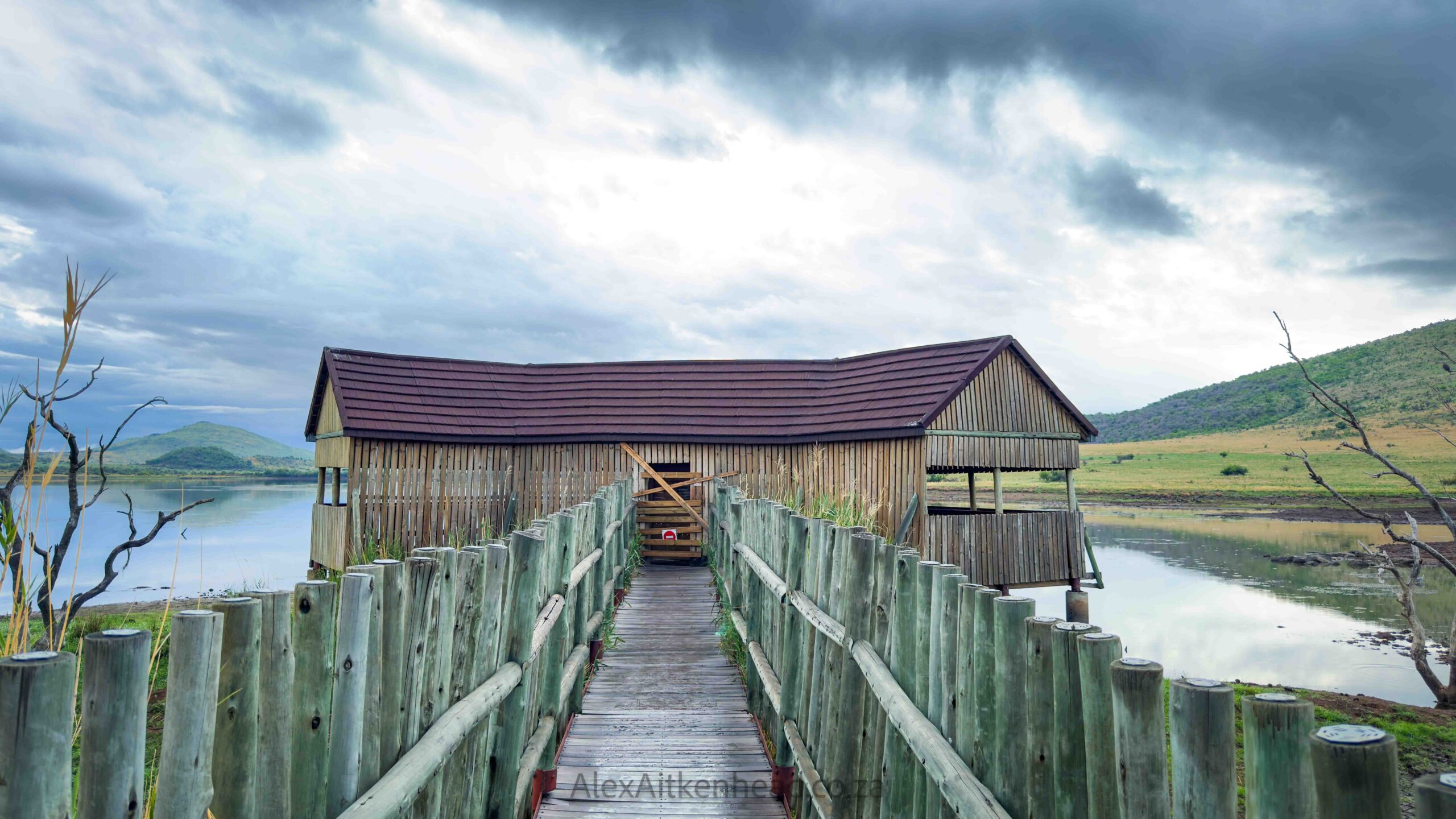
Immerse yourself in the natural world in one of Pilanesberg’s concealed photographic hides. Hidden within the park, these well-built hides provide a comfortable place to wait for that perfect shot. A rare opportunity to view the wildlife and birds in their natural habitat, safely out of sight.
Proximity to Johannesburg
Malaria-Free National Park
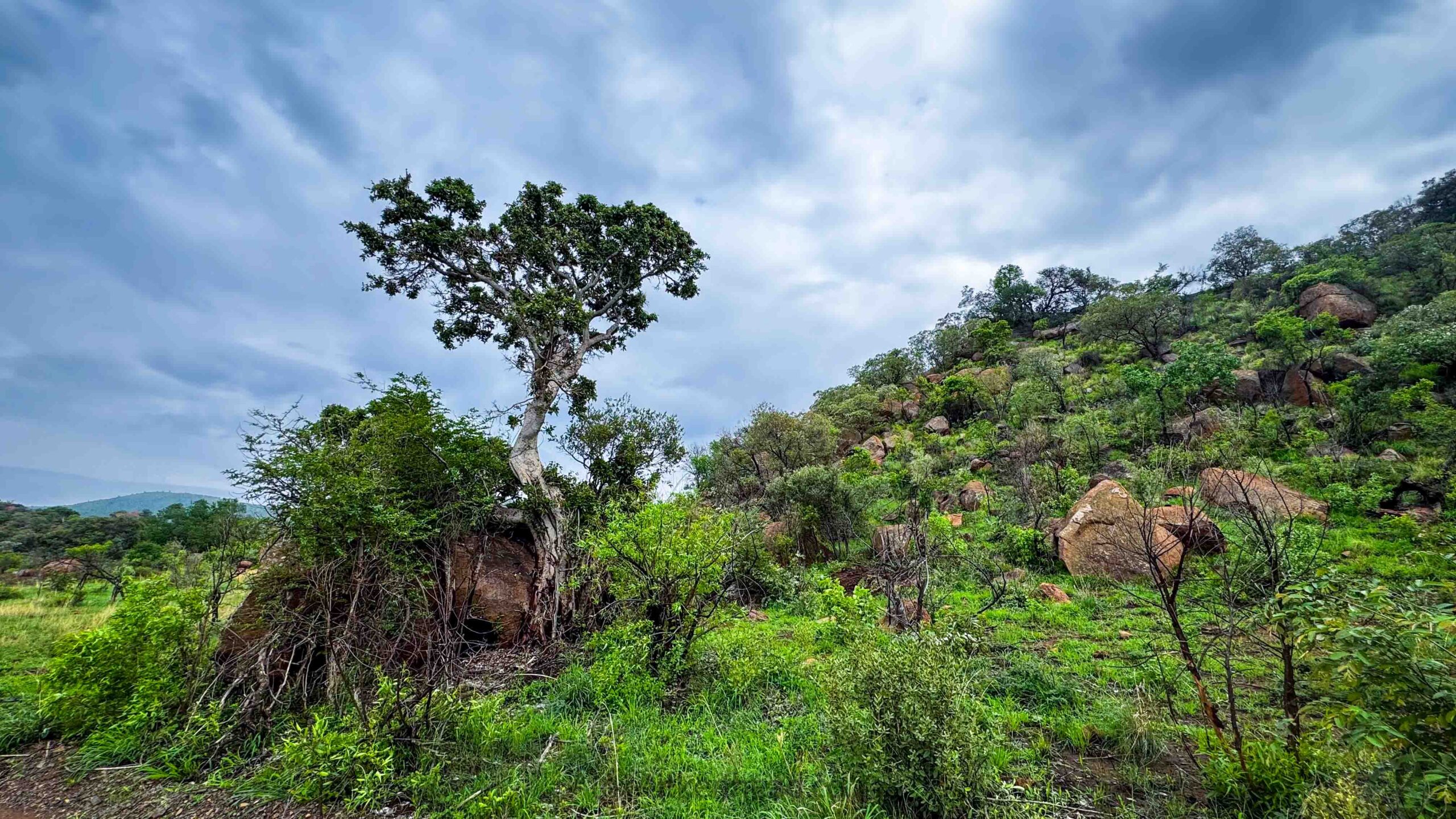
Considered to be one of the most ambitious game reserve projects in the world, the Pilanesberg Game Reserve is home to at least 86 species of African wildlife and offers its visitors a Big Five game viewing experience.
A Brief History of the Pilanesberg Game Reserve
Formed in 1979 under a project known as Operation Gensis in 1979, the Pilanesberg Game Reserve is a wildlife park that spans 50,000 hectares of land in a semi-circular shape, incorporating hills, valleys and broken rock country created from ancient volcanic activity.
An interesting fact is that the Pilanesberg Game Reserve is in fact not one of South Africa’s National Parks, as it is managed by the North West Parks Board and not the national government. The safari park takes its name from the Tswana chief, Pilane.

Interesting Volcanic Landscape
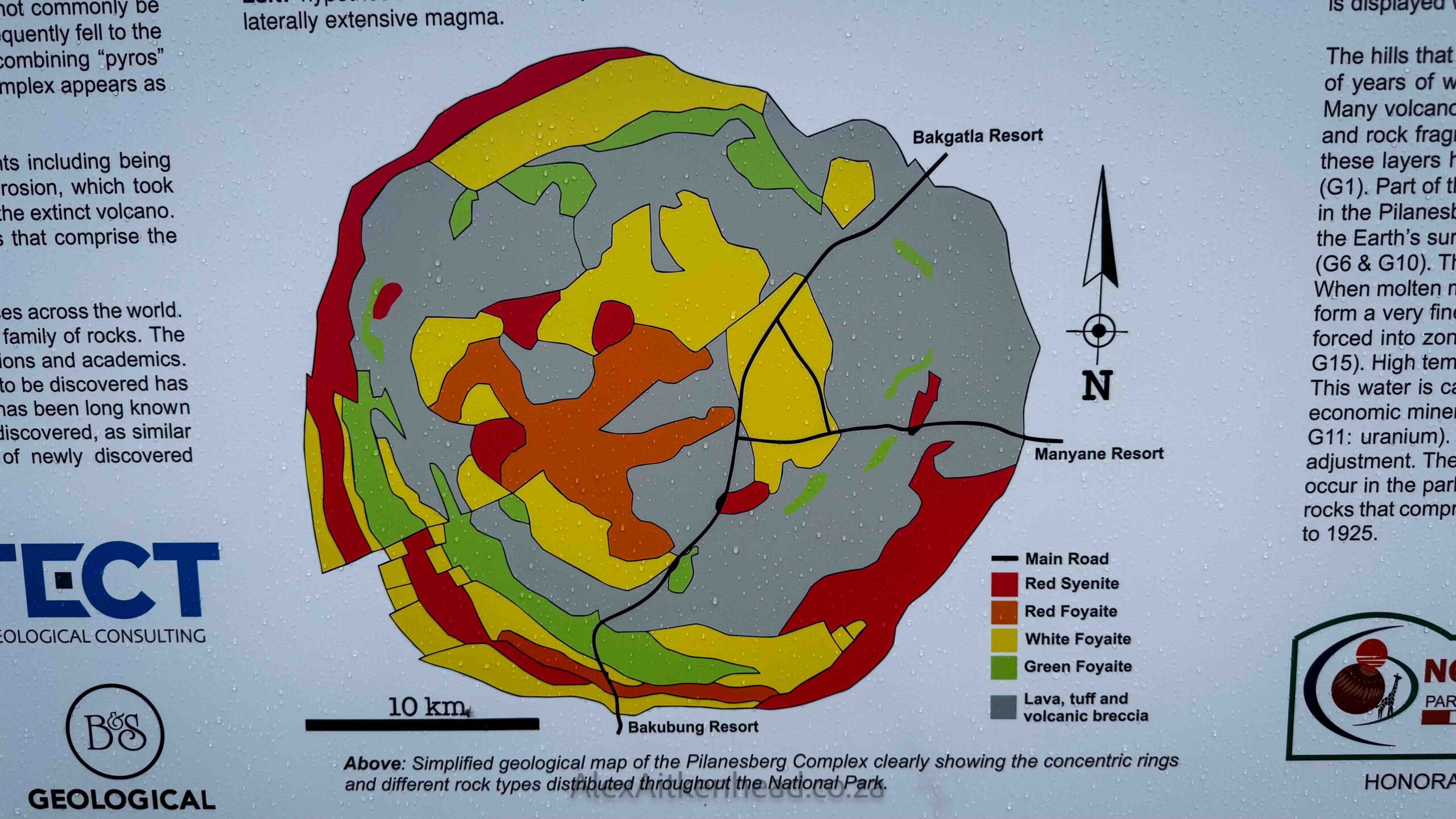
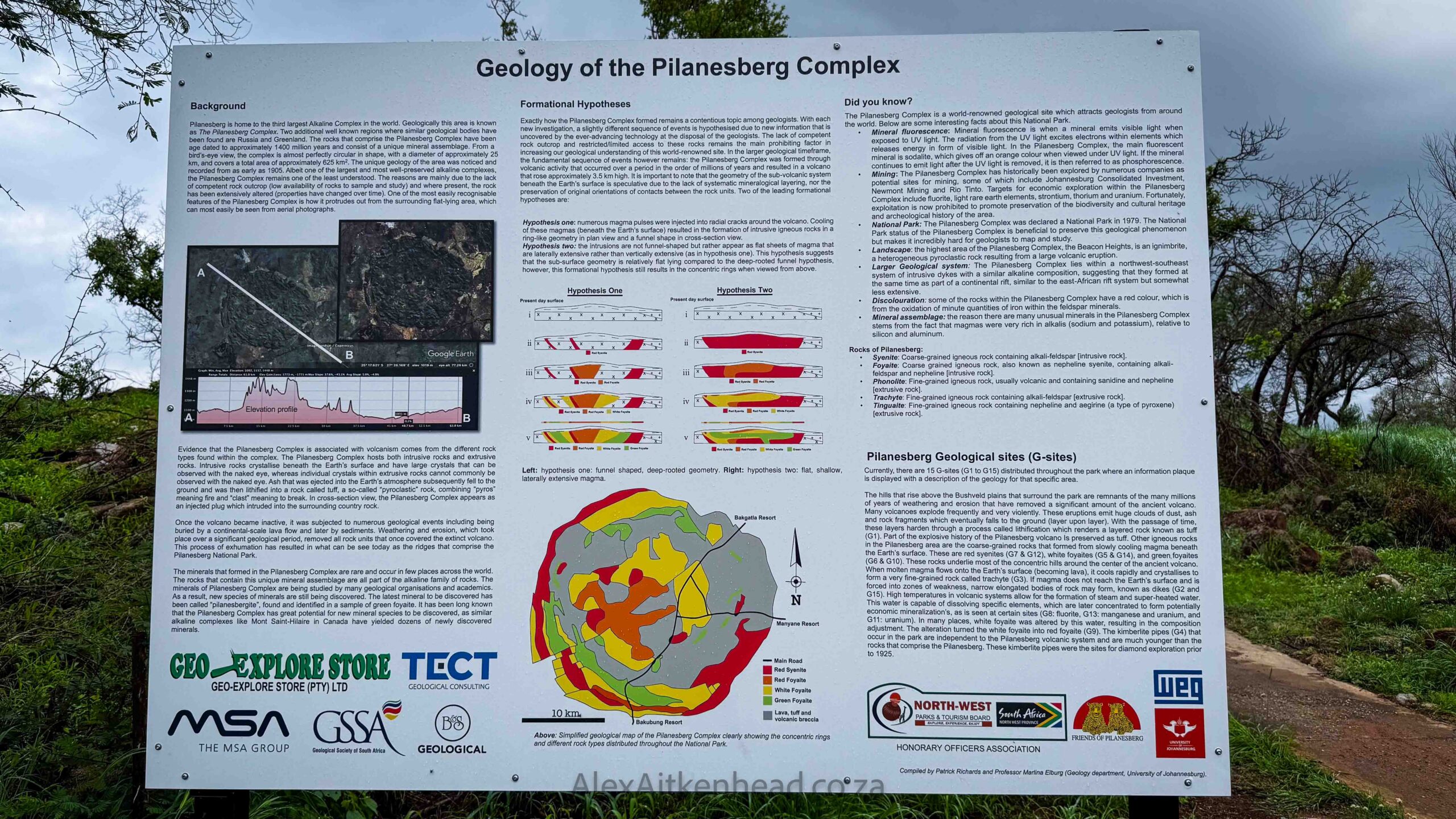
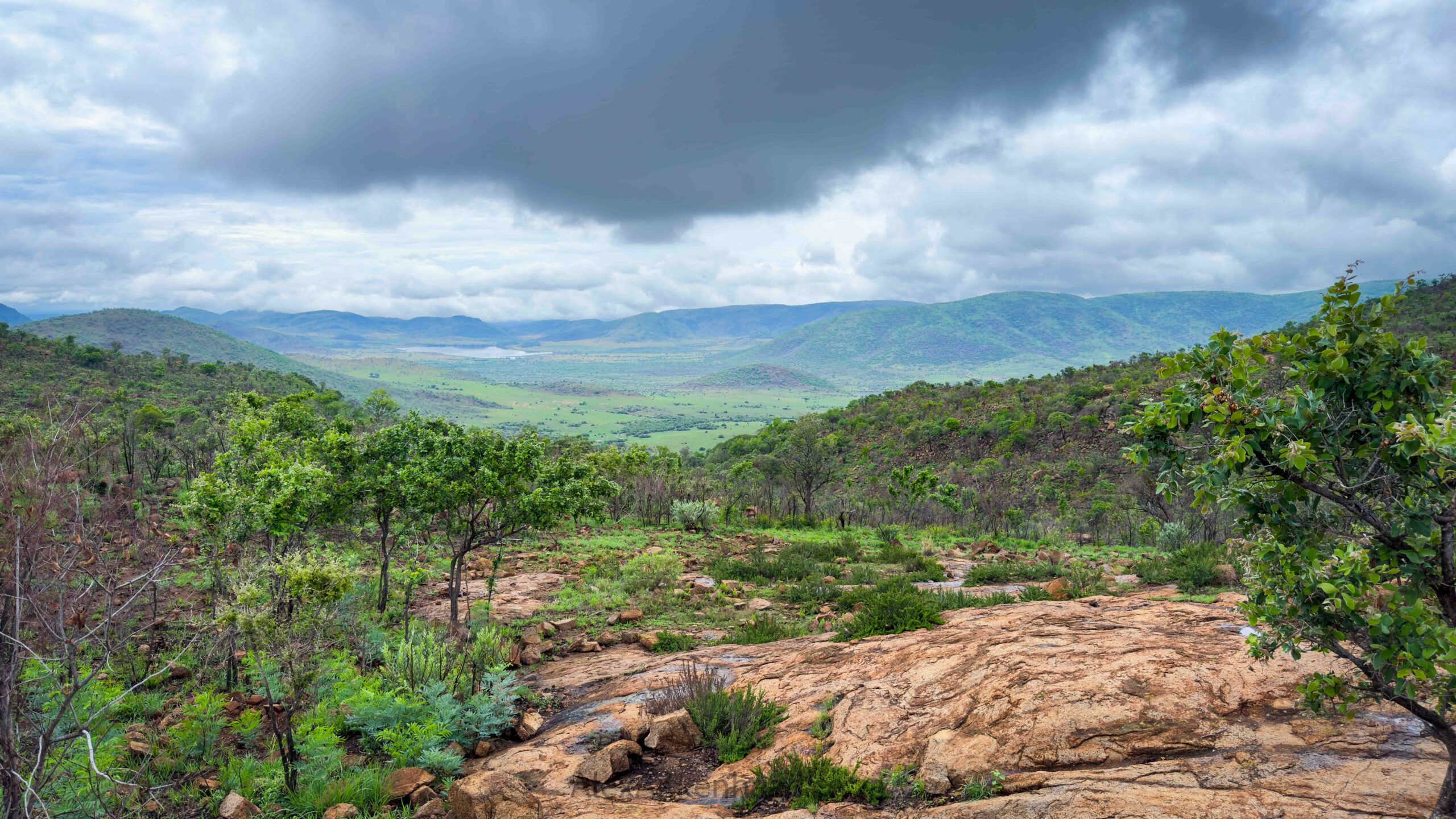
It is considered one of the world’s most incredible geological phenomena as it is the site of one of the largest volcanic complexes of its type in the world. The large alkaline rock ring complex was formed during a massive volcanic eruption 1 200 – 1 300 million years ago, with the remnants of the explosion still seen today, despite heavy erosion of the landscape, in the remnants of lava flow and angular rock fragments called breccia.

The Voortrekkers Arrive
The nature park area has a rich history of occupation, and visitors will be able to spot the visible relics of its pre-historical inhabitants in the remains of walls that are scattered across the reserve and date back to the 17th century.
At the foot of the hills, evidence of Iron Age Batswana settlements has been found, and in the 9th century, the area was home to the intrepid Afrikaners who lived and farmed in the area at the end of the ‘Great Trek’. There are a few scattered graveyards in the area to remind visitors today of the inhabitants of the past. This period also saw the reserve acting as a sanctuary to the rebel Zulu warriors who, while fleeing from the Zulu king, Shaka, passed through the area.
Post Apartheid
During the 1960s, the farms that make up the park were purchased by the South African government and were used as a settlement area for the Bakubung tribe. After Apartheid was abolished, the land was then handed over to the Bophuthatswana people, and thus the only remaining private land is now 3 small sections, which are all approximately 3 hectares in size, as well as the 608-hectare farm owned by Catherina Clark, a daughter of South Africa’s 4th Prime Minister, Jan Smuts.
Future Plans
There are currently plans in place to join the Pilanesberg Game Reserve with the North West province’s other major safari park, the Madikwe Game Reserve, which lies on the South Africa/Botswana border in the north of the province.
There is nothing more captivating than the African bush and SA’s wildlife. And just when you think you’re a boffin on the bush, you’ll be amazed by some of the lesser-known facts you’ll learn while on safari.
One of the greatest safari destinations in SA is undoubtedly the Pilanesberg Game Reserve in the North West province.
We hear from two local guides, Juan Heydenrych and Lucy Mabaso, about some of the hidden secrets of this incredible part of our country.
Here are their 10 most fascinating facts about the bush that even South Africans may not know:
1. Pilanesberg is the only reserve set in an alkaline ring complex (of which there are only three in the world).
An ancient alkaline volcano fashioned the very hills that the Pilanesberg and Kwa Maritane stand on today. Hence the lodge’s name, which literally means ‘Place of the Rock’. Fortunately, the volcano is long extinct, having erupted 1 200 million years ago.
2. In the Pilanesberg, traces of Tswana habitation are found, dating back to 1750 AD, although many traces can be found in the Rustenberg area dating as far back as 1300 AD. Scattered throughout Pilansberg are various sites that originate from the Iron Age and Stone Age, showing the presence of man in these areas.
3. Ever heard of the groundbreaking Project Genesis – the largest game translocation undertaken in the world?
In the early ’80s, more than 6 000 animals from other parks were settled in the Pilanesberg. R1.5 million was spent on the game fence surrounding the park, while R1.8 million was spent on moving the game itself.
Today the area features virtually all the animal species of southern Africa, including lions, elephants, buffaloes, leopards, zebras, hyenas, giraffes, hippos and crocodiles, not to mention over 350 bird species.
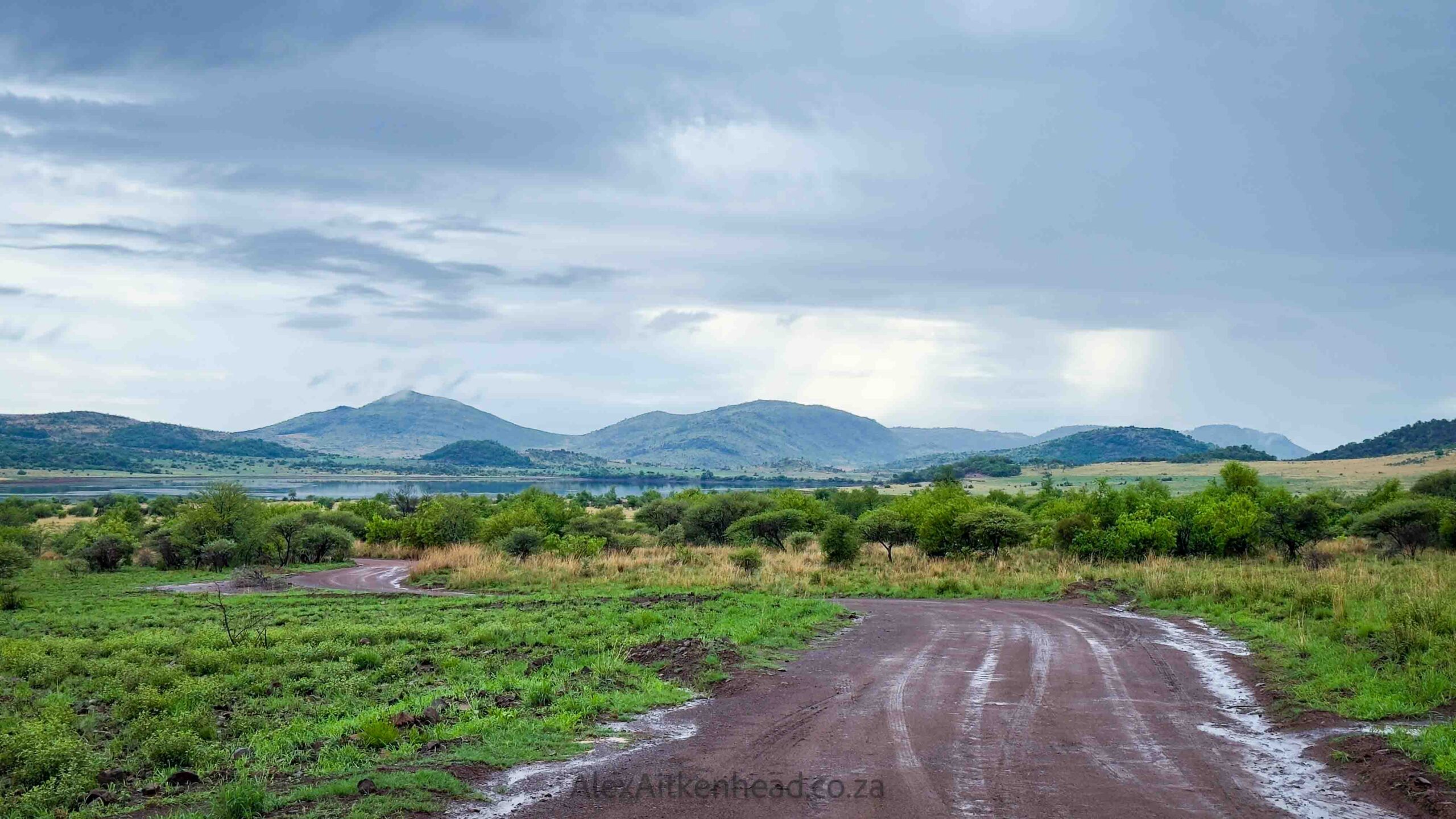
Did You Know?
Pilanesberg is set in one of only three alkaline-ring complexes in the world. And it is the only nature reserve set in one.
4. When it comes to the best time of the year to go on safari, April, May and September come out tops.
Wildlife is easier to spot during these months because there is less vegetation and animals gather around rivers and waterholes. There’s also less chance of being caught in a storm while in the middle of a game drive. Skies are clear and most days are sunny. There are also fewer critters and a lot fewer mozzies to bug you while you’re counting stars.
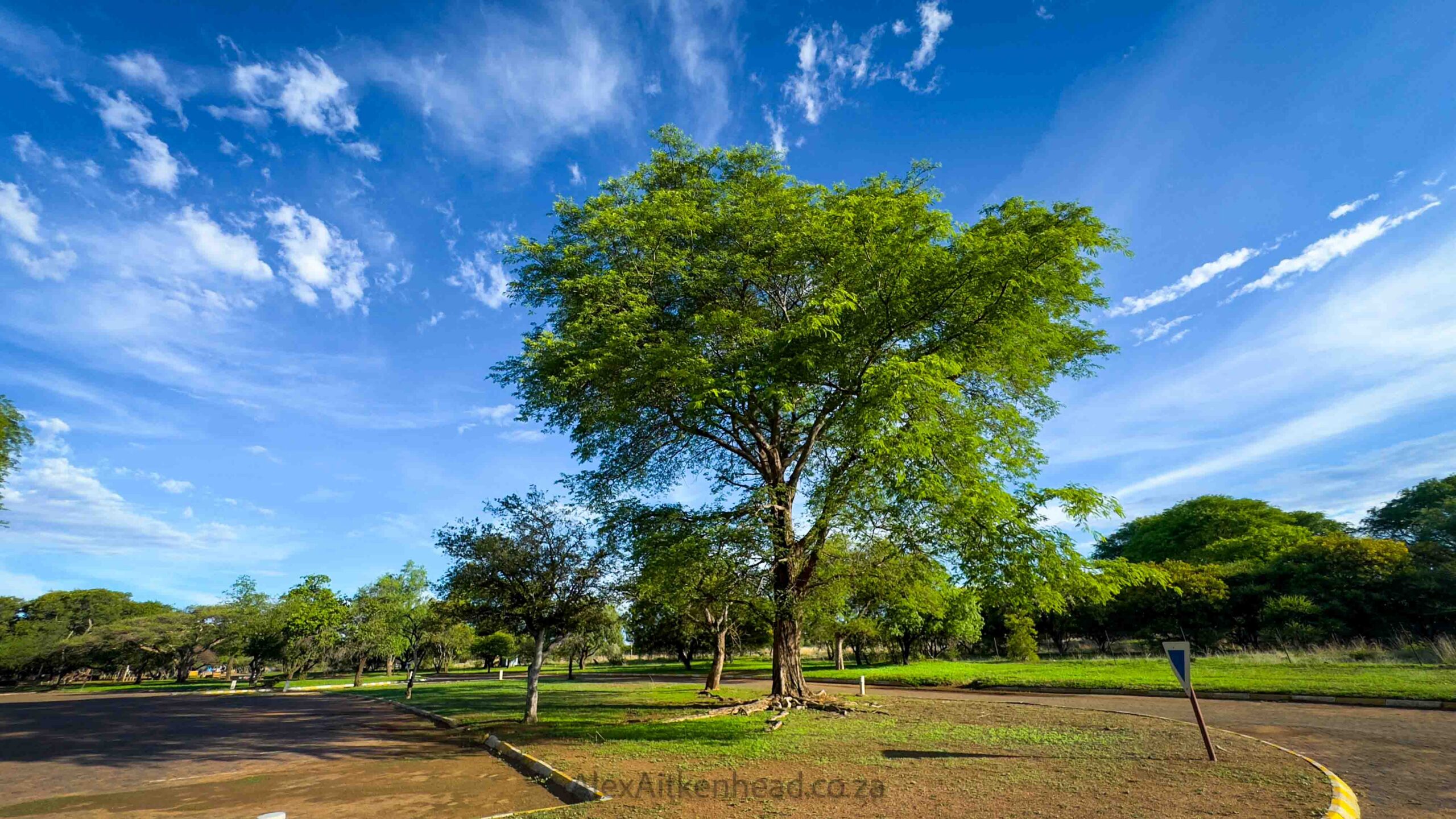
5. Game viewing can be compared to fishing.
You never know what fish you’re going to catch, but you can narrow the possibilities down a bit depending on what bait you put on the end of the hook. In this instance, rangers are the ‘hook’.
You’ll see far more on a guided safari than in your own vehicle. Rangers have the advantage of knowing their park backwards. They know which animals stay in which areas and how long they hang around.
They also have a wealth of knowledge when it comes to all aspects of nature, including mammals, birds, reptiles, insects, plants, grasses, soils and trees.
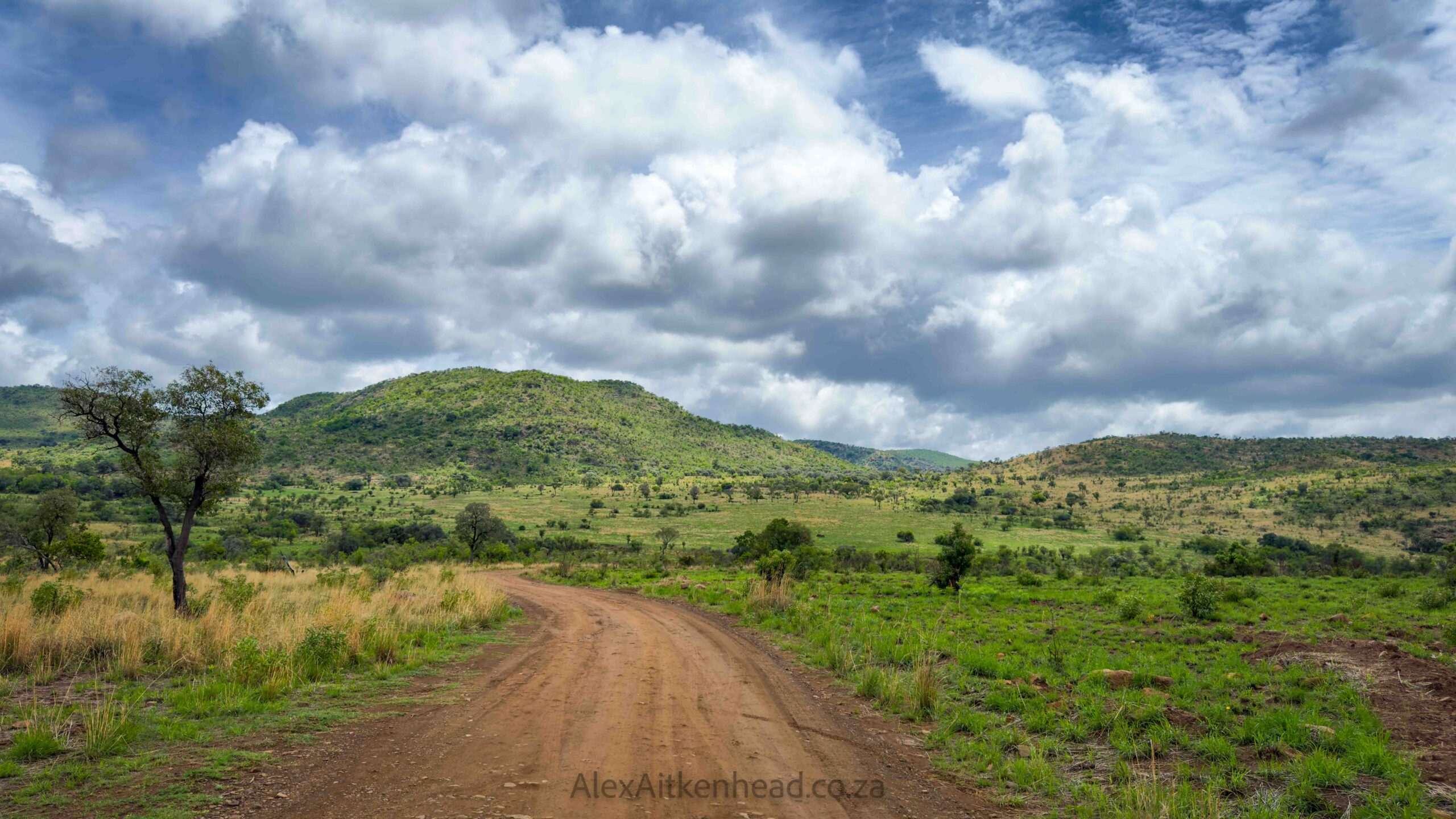
6. When it comes to successful hunts, the lion’s share goes to the African wild dog.
They are Africa’s most effective predators, boasting an 80% success rate with hunts, far higher than the 30% rate of lions.
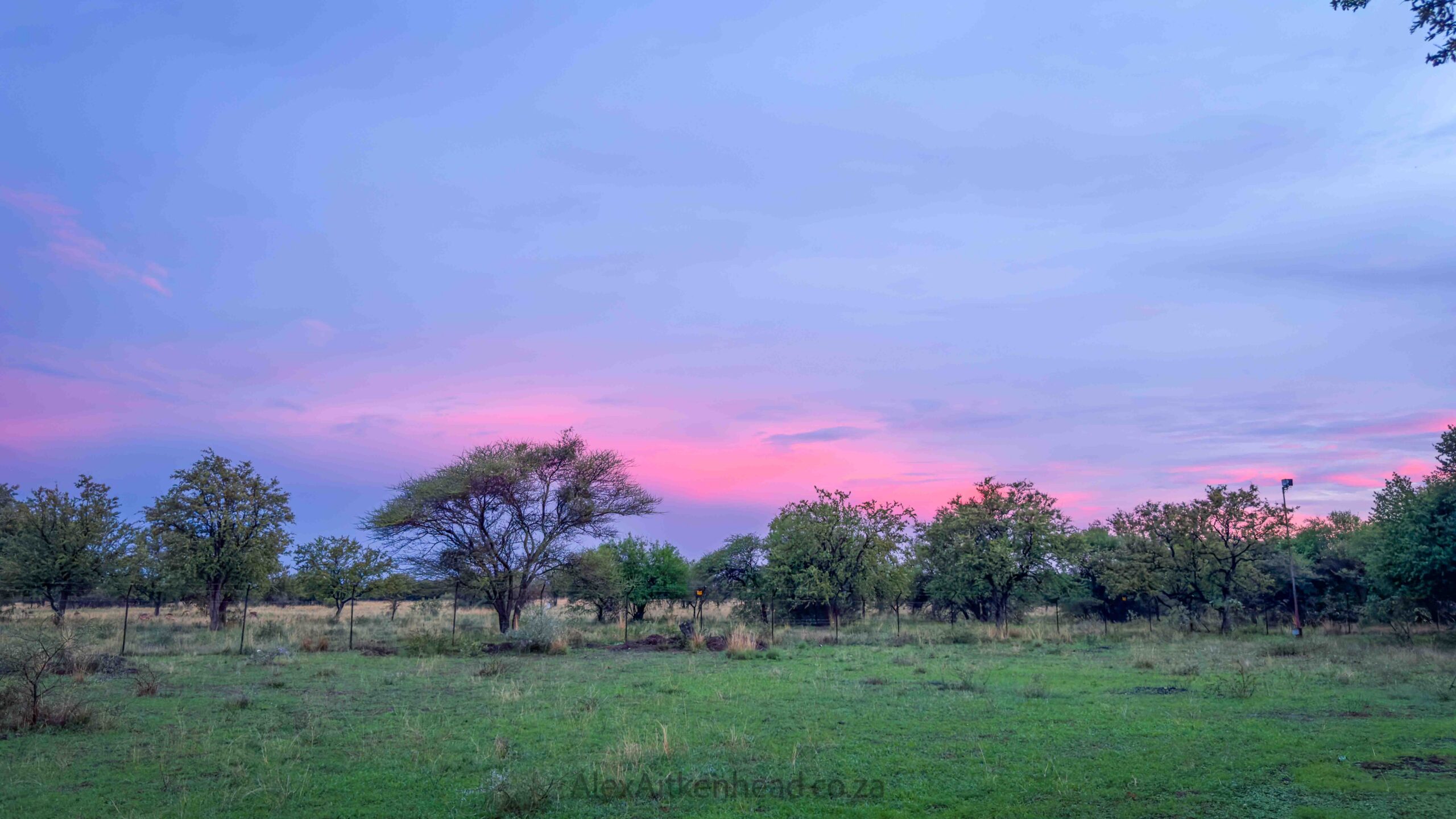
7. The average age of lions living in the Pilanesberg is 12 years old.
Ketimetsi, a male lion who lived in Kwa Maritane, made news headlines last month when he passed away at the astonishing age of 17.
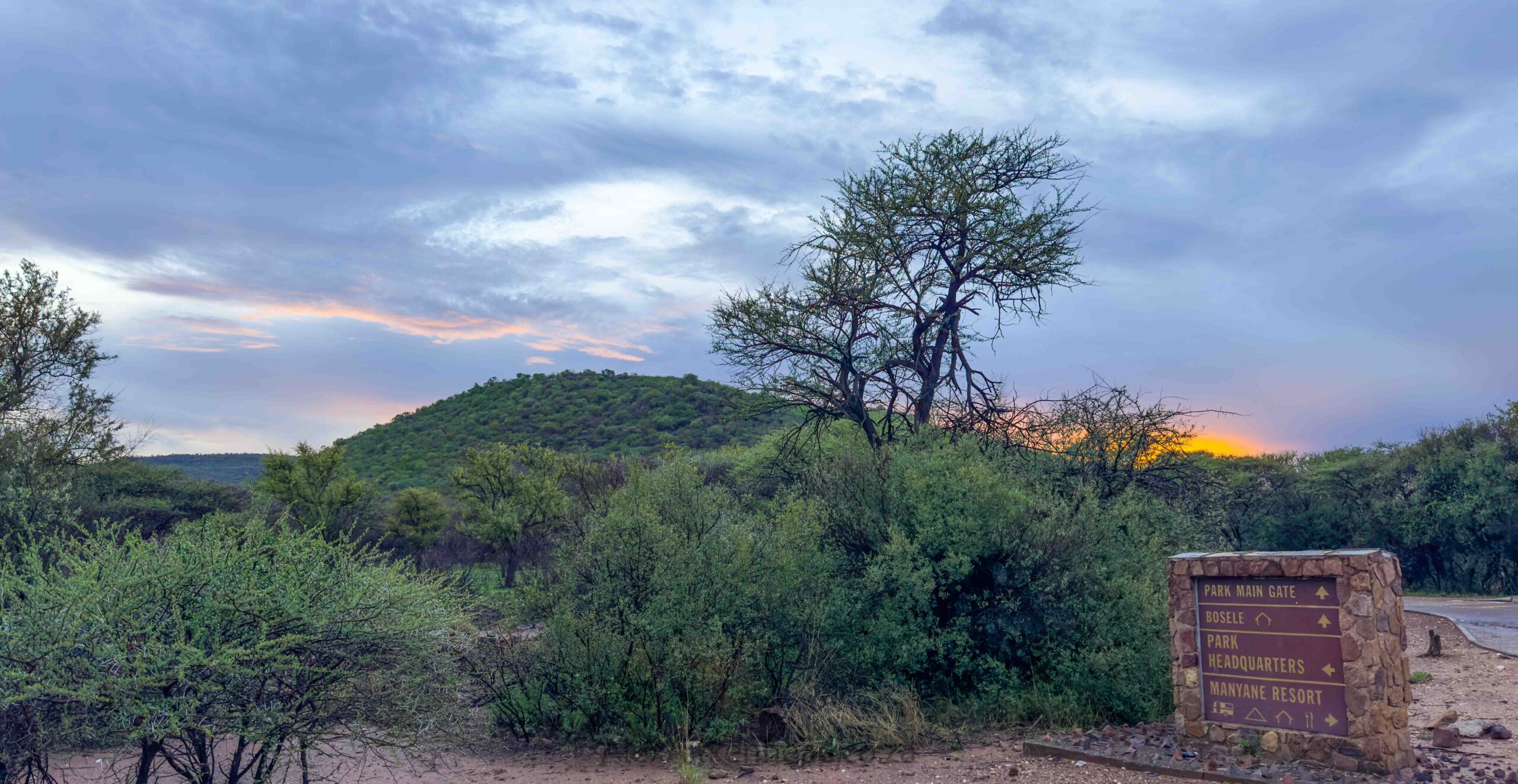
8. The best hotspots for a variety of game viewing?
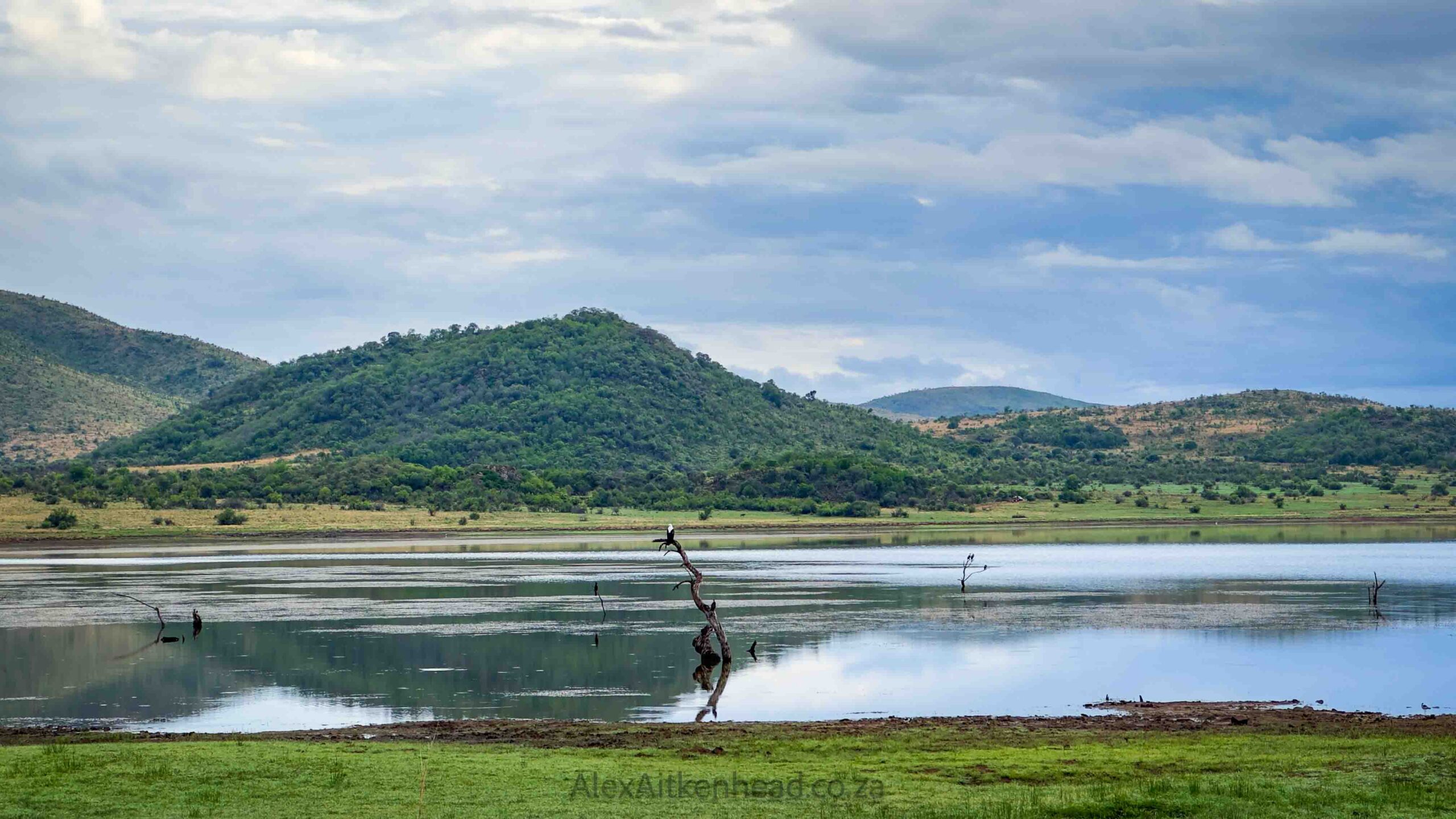
If you’re keen to see a plethora of wildlife including elephants, rhinos, lions, crocodiles, birds, leguaans and terrapins, head to Mankwe Hide, situated on the edge of the Mankwe Dam (the largest body of water in the Pilanesberg), and Makuwani Hide. But prepare to be patient, as good things come to those who wait.
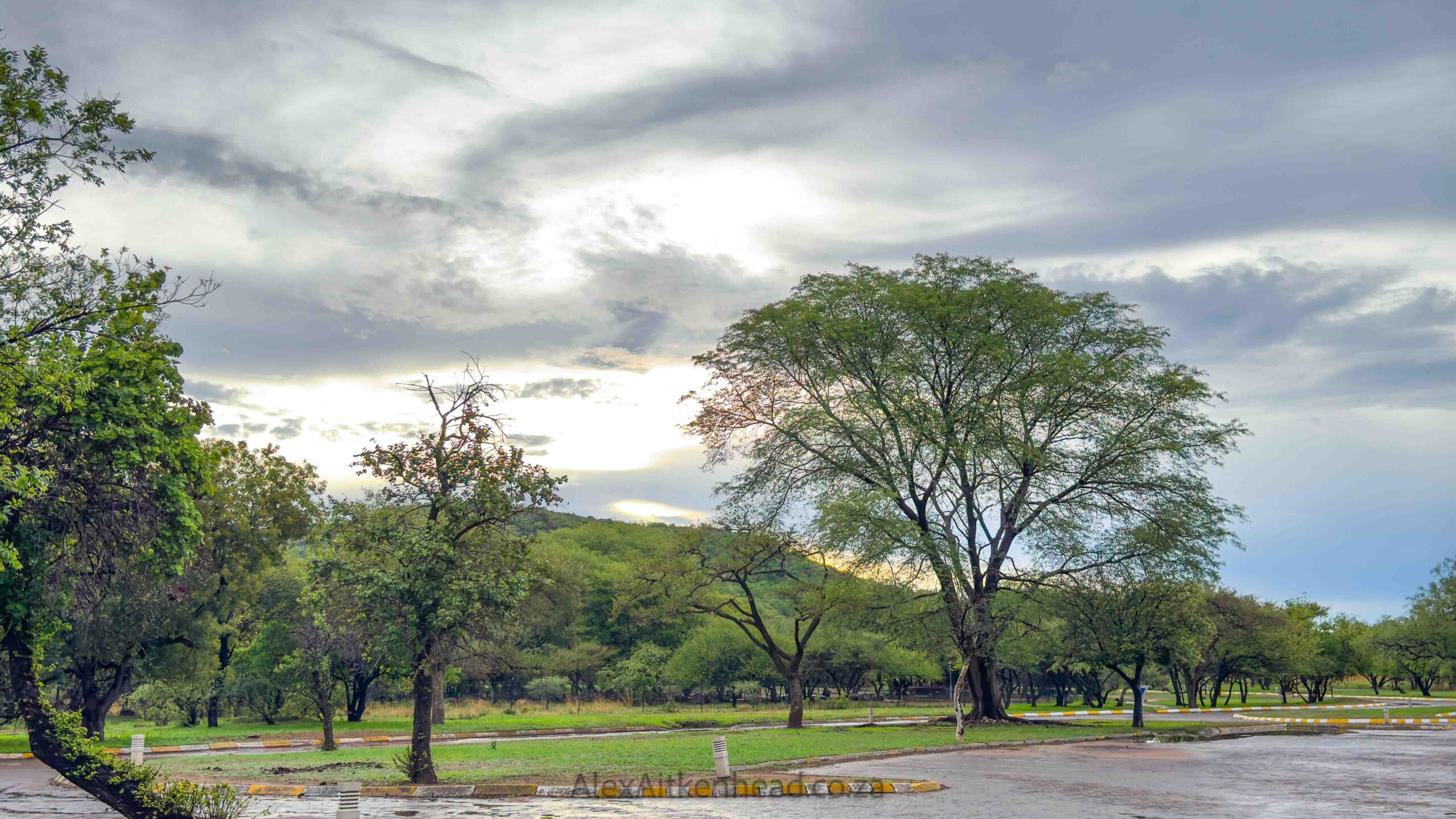
9. While at Kwa Maritane Bush Lodge and Bakubung Bush Lodge, you may inadvertently encounter the Ficus wasp.
The Ficus wasp measures a mere 2mm long, so you’ll likely be unaware that the chance meeting even took place. What makes this wasp so ingenious is the way it pollinates figs. The female wasp crawls in through a tiny hole in the bottom of the fig and lays eggs before dying. After hatching, the male fig wasp bites a hole through the flower wall and impregnates the hatching females. He then chops a tunnel for his pregnant, pollen-dusted female to escape from the fig.
You’ll be surprised to learn that while the Ficus trees that grow in the Pilanesberg are not as big as you’d expect them to be, some are over 300 years old.
10. The term ‘Big 5’ has nothing to do with size.
The term Big 5 has nothing to do with size, or a giraffe would feature, as it is obviously bigger than a lion. It originally referred to the most sought-after animals to hunt, based on the difficulty in hunting them: this made the Big 5 (most worth hunting) the lion, leopard, rhino, elephant and African buffalo.
These five large African mammal species were known to be dangerous, and it was considered a feat by trophy hunters to bring them home.
Contrary to popular belief, the black rhino is part of the Big 5 and not the white rhino. Although much smaller than the white rhino (a ton or so lighter), the black rhino is more dangerous because of its more curious nature, keen eyesight and feisty attitude.
The Two Overlapping Biomes
Arid Savanna (Kalahari Thornveld):
-
- Characteristics: Dominated by sandy soils, dry riverbeds, and drought-resistant flora.
- Key Flora: Camel thorn trees (Acacia erioloba).
- Key Fauna: Arid-adapted species like springbok, brown hyenas, and red-eyed bulbuls.
-
Moist Savanna (Lowveld Bushveld):
- Characteristics: Wetter, lush subtropical vegetation with wide open grassy plains and thickly wooded areas.
- Key Flora: Cape chestnut trees and Tambotie forests.
- Key Fauna: Moist-area-dependent species like impala, black-eyed bulbuls, and the rest of the Big Five.
Micro-Habitats (Eco-Regions)
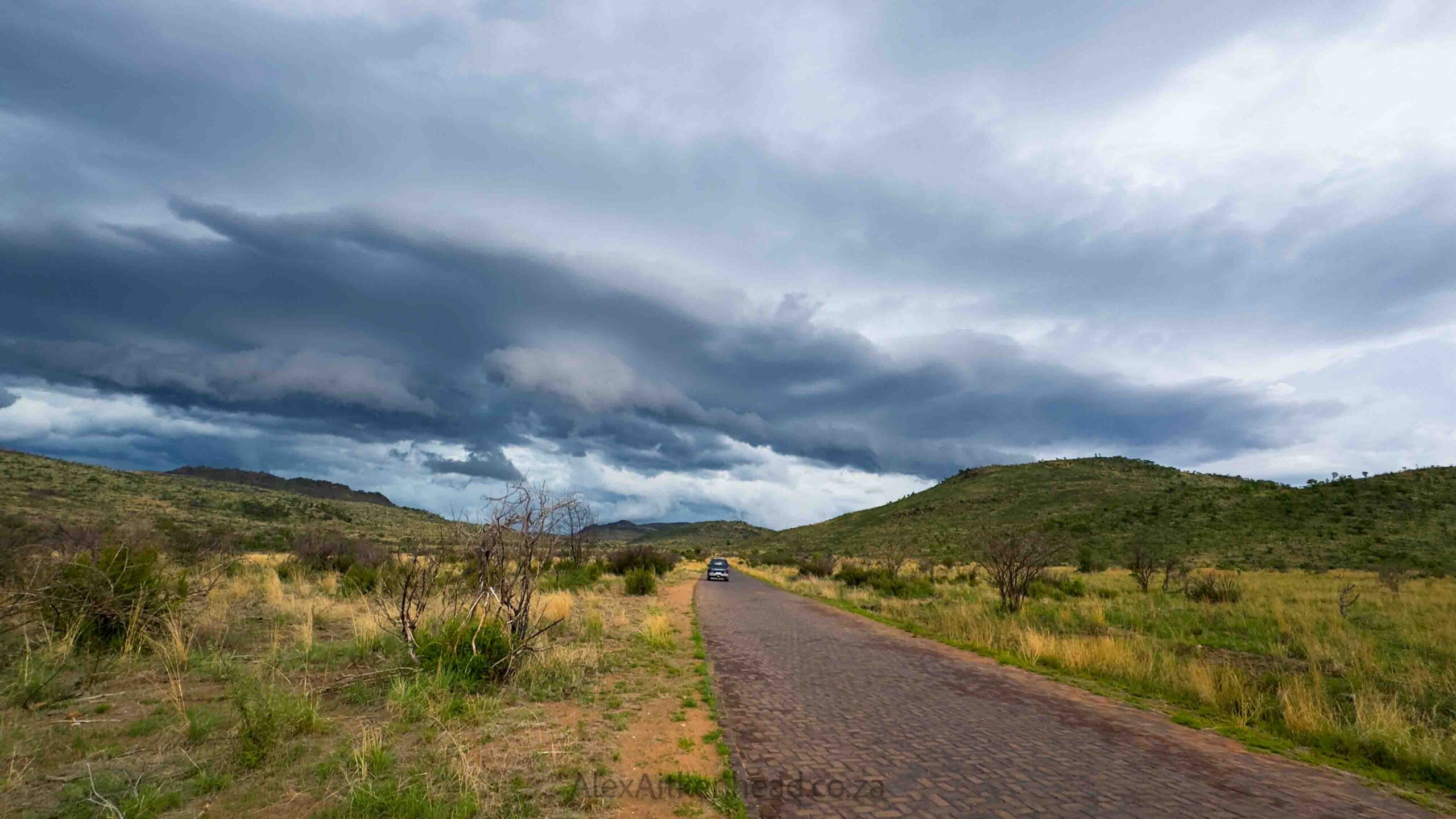
Driven by the rugged terrain of the ancient 1.2-billion-year-old extinct volcanic ring complex, the park’s two primary biomes branch into six distinct micro-habitats:
- Hill Savanna (North-facing slopes): Receives intense sunlight, creating dry conditions dominated by thorn trees.
- Hill Savanna (South-facing slopes): Cooler and retains more moisture, supporting lush bushwillow woodlands.
- Wooded Valleys & Ravines: Thickly forested gorges containing large-leafed trees and protective cover.
- Open Grasslands: Found on the flatter pediments of the volcanic crater, providing extensive grazing grounds for zebra, wildebeest, and rhinos.
- Thickets & Outcrops: Jumbles of red syenite boulders supporting dense, wild thickets.
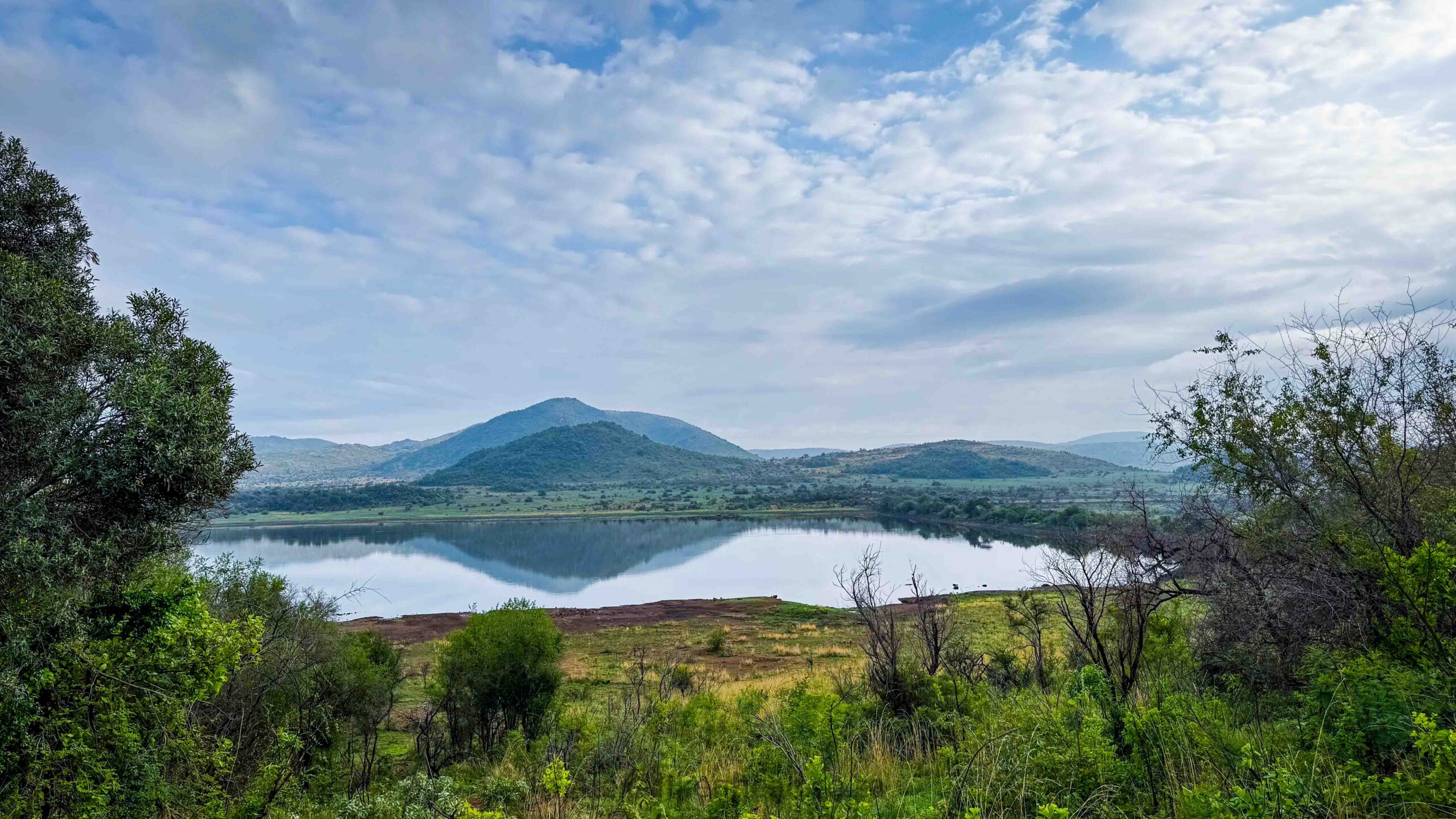
- Aquatic/Riparian Zones: Centred around the massive Mankwe Dam and segmented channels, attracting prolific birdlife and water-dependent mammals.

You might also like


