


Flock to Marion 2025 voyage and the much-anticipated Mouse-Free Marion Project — a bold and globally significant effort to eradicate invasive mice from Marion Island and secure the future of one of the world’s most important seabird populations.
Island Outposts
Most people think of Cape Agulhas as the most southerly point of Africa. Few are aware that there are two island outposts, some 1 400 kilometres to the south and nearly halfway to Antarctica, that mark South Africa’s southernmost territories. Marion Island and Prince Edward Island are specks of land in the vast Southern Ocean that contain some of the most remote and unique environments on the planet. People do not easily forget Marion and Prince Edward after visiting them. They are raw and elemental islands. The often barren and unrelenting landscapes convey their tumultuous volcanic origins and stand in stark contrast to the lush green stands of vegetation, the thousands of seals, penguins and albatrosses in their coastal colonies, and the restless grandeur of the surrounding ocean. These are islands of contrasts, where nature takes its course without the influences and pressures associated with human civilisation. This book tells the story of these two islands: their fiery origins, their discovery and exploitation, the amazing animals and plants that live and grow there, and their current importance for research and conservation.


Marion Island and Prince Edward Island, collectively known as the Prince Edward Islands, are tiny specks of land in the Southern Ocean, the huge body of water that encircles the Antarctic Continent. Marion Island is the larger of the two islands, with an area of just under 300 square kilometres, whereas Prince Edward Island is considerably smaller – a mere 45 square kilometres. With a summit of 1,230 metres, Marion Island is also much higher than the 672-metre-high Prince Edward Island. The two islands are close neighbours, with only 19 kilometres of relatively shallow water separating them.


A Conservation Crusade in the Southern Ocean

Our Story:

With all preparations complete, we were packed and ready to join the BirdLife South Africa team on #FlockToMarionAgain. However, our time in Durban turned out to be a miscalculation. Our ambitious top-ten activity list was quickly reduced to enjoying the stunning Durban Botanical Gardens and a few fun hours at uShaka’s Marine Park. Racing to board the MSC Musica, we were the sixth-to-last passengers out of 2,000 to embark. Seven exhilarating days of pelagic birding awaited us, including a highlight—an entire day spent circling the Prince Edward and Marion Islands.


Trip report (Flock to Marion 2025)
Day one: 24 January 2025, We depart Durban Harbour for the Southern Ocean
We caught the first flight out of Cape Town, arriving in Durban around 8 am. After collecting our rental vehicle, we made our way to our accommodation near the Cruise Terminal. Our first stop was the stunning Durban Botanical Gardens—a true feast for the senses, with majestic trees, vibrant flowers, and an abundance of birdlife. We enjoyed a magical guided tour led by a wonderfully informative guide, during which we learned that the gardens host a local breeding pair of Palm Nut Vultures. Unable to locate them at the time, we vowed to return at first light to try and tick them off.

Luck was on our side the following morning. We found both adult Palm Nut Vultures, along with their recently fledged juvenile, in an unforgettable and thrilling moment. By then, the gardens had become a hive of activity, with fellow Flockers busy ticking off local species. It was also at this point that we realised just how many international birders had joined the flock.
Our next stop was uShaka Marine World, where we took the opportunity to cool off in the Durban heat. After a final plunge in the warm Durban surf, we made our way to the MSC Musica to embark on the much-anticipated Flock to Marion Again voyage.

As we departed the harbour, we were treated to a lovely Osprey fly-by before leaving the shelter of the port and feeling the gentle motion of the open sea. Once onboard, it was time to get our paperwork in order and pay a quick visit to the BirdLife South Africa stand to say hello.
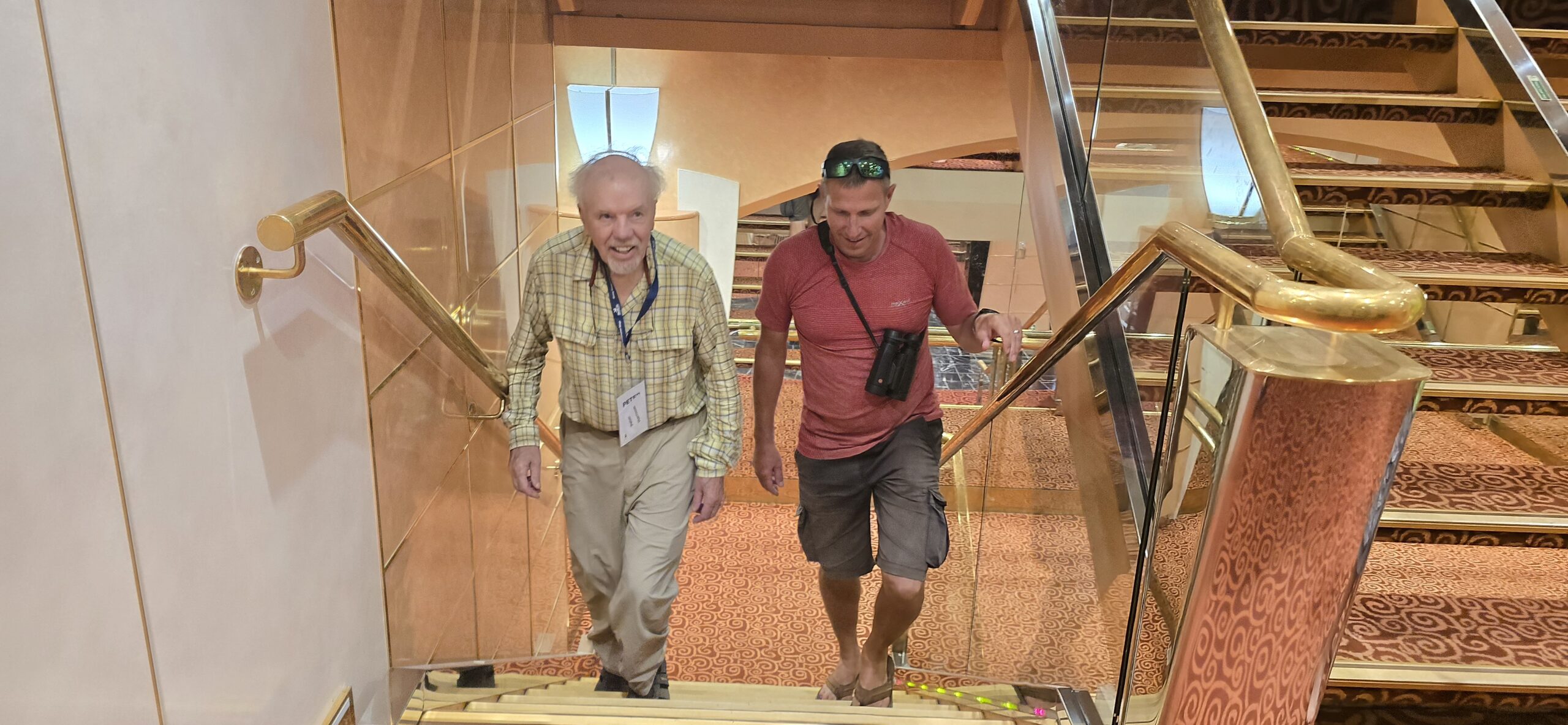
One of the highlights of the evening came when we unexpectedly bumped into MBE Peter Harrison and his wife—a special moment indeed.
With excitement building, it was an early night in anticipation of our first official day heading into the Southern Ocean.


Day two: 25 January 2025, Our First Full Day at Sea


Day three: 26 January, heading towards colder waters of the Southern Ocean
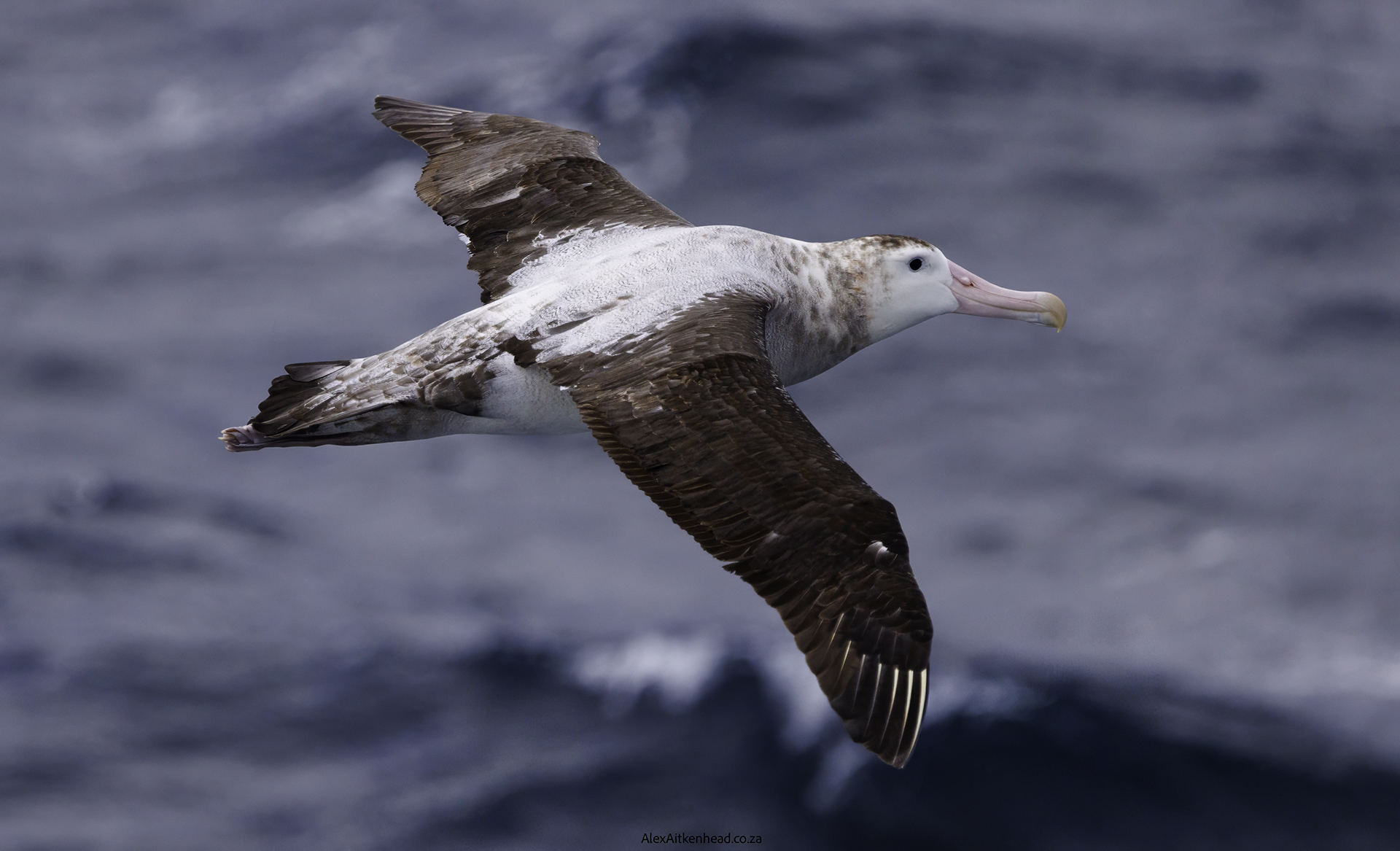
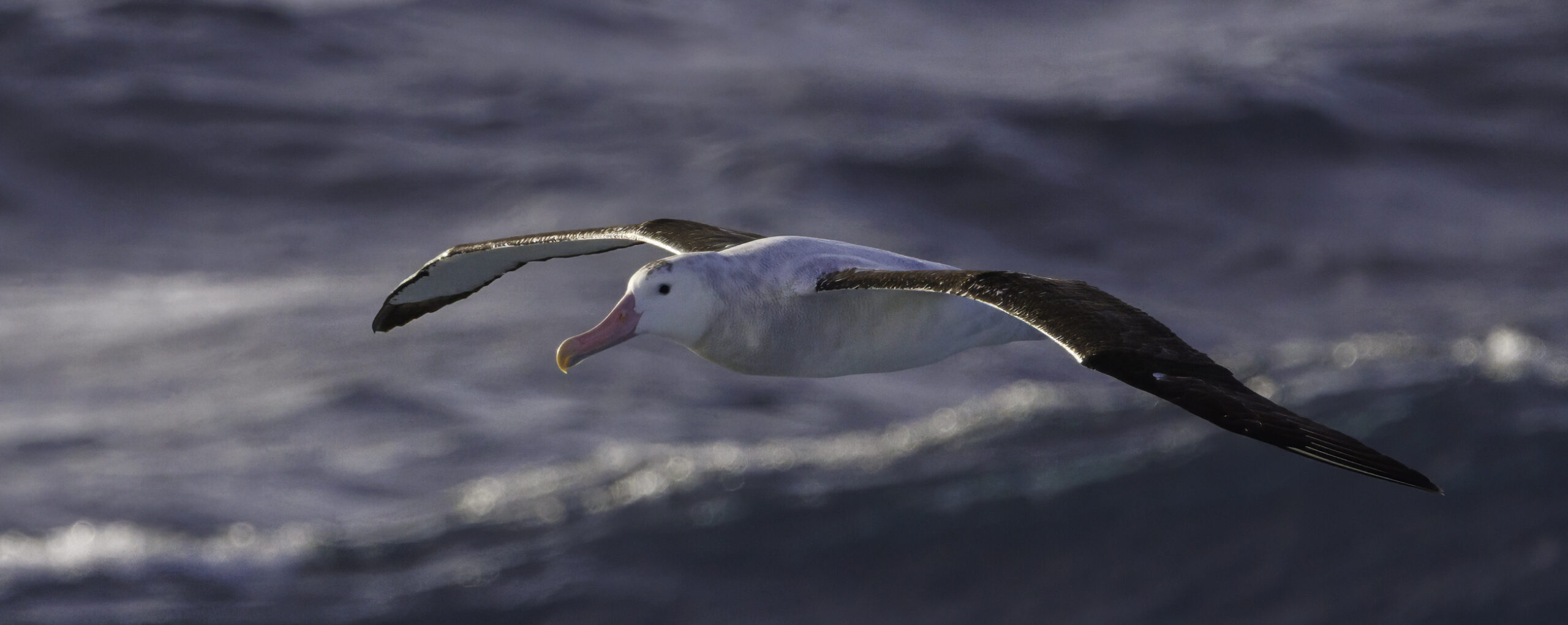
As we drift further south toward the cold Antarctic convergence, the anticipation for an exciting day of pelagic birding grows. The first notable sighting is a group of Soft-plumaged Petrels, followed by the majestic arrival of a Great White-backed Albatross, a Wanderer. The sheer size of this magnificent ocean nomad is truly awe-inspiring, a bird that never fails to impress and thrill all who witness it.



We also begin to spot Little Shearwaters, another sure sign that the water is growing colder.
News soon reaches us that we’re making excellent progress and will be off the Prince Edward and Marion Islands by dawn on the 27th of January, around 4 a.m. We’ll spend the entire day circling the two islands. As the sun sets, we must leave the area to prevent bird strikes on the vessel, but we’ll return the next morning. We’ll be back around the islands at first light, departing by 10 a.m. to head back toward Durban.
This update is met with disbelief and excitement—spending a full day at Marion Island seems almost too good to be true. The news spreads quickly, and as we push further into the Roaring Forties, the excitement is palpable.


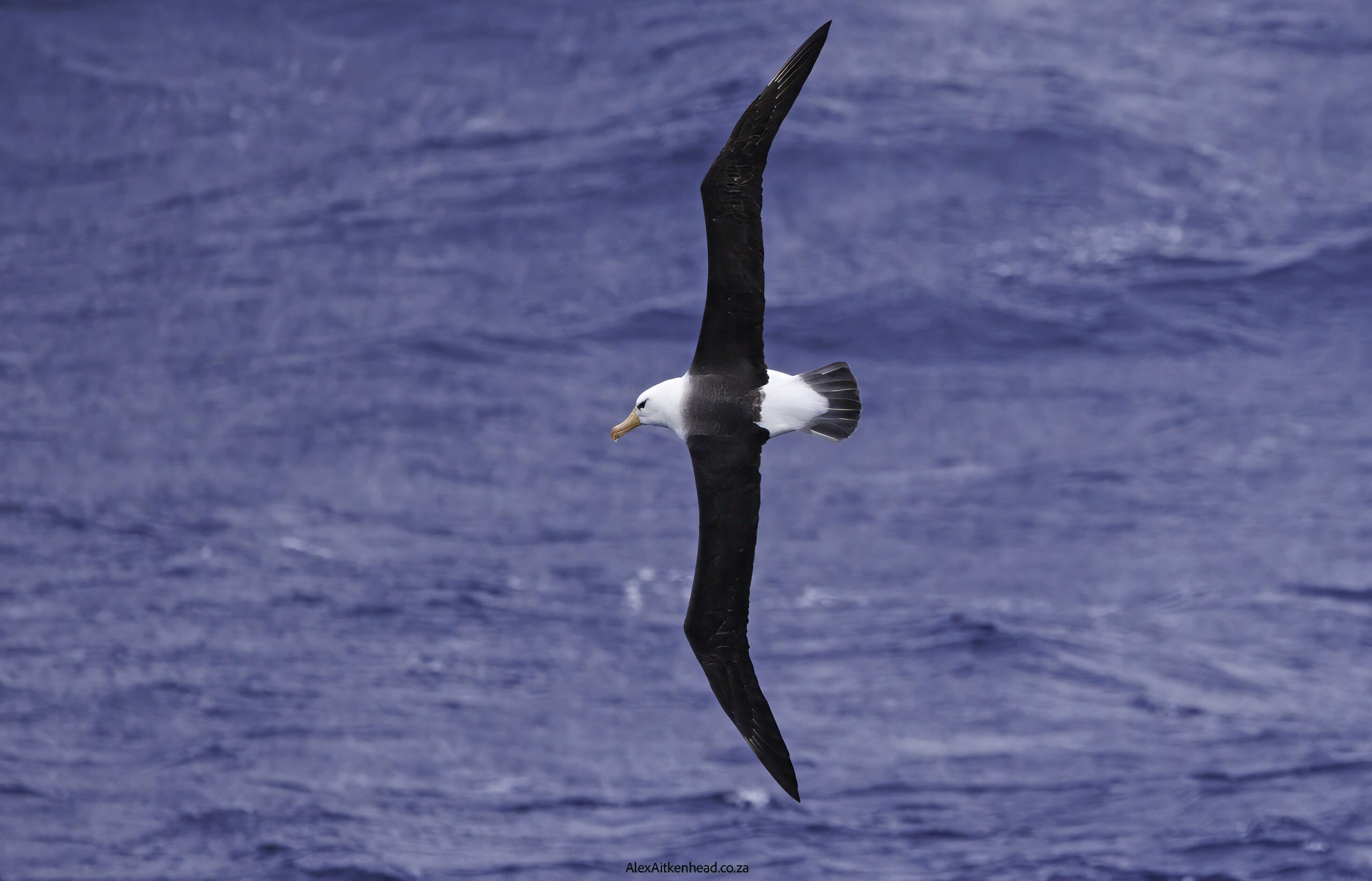
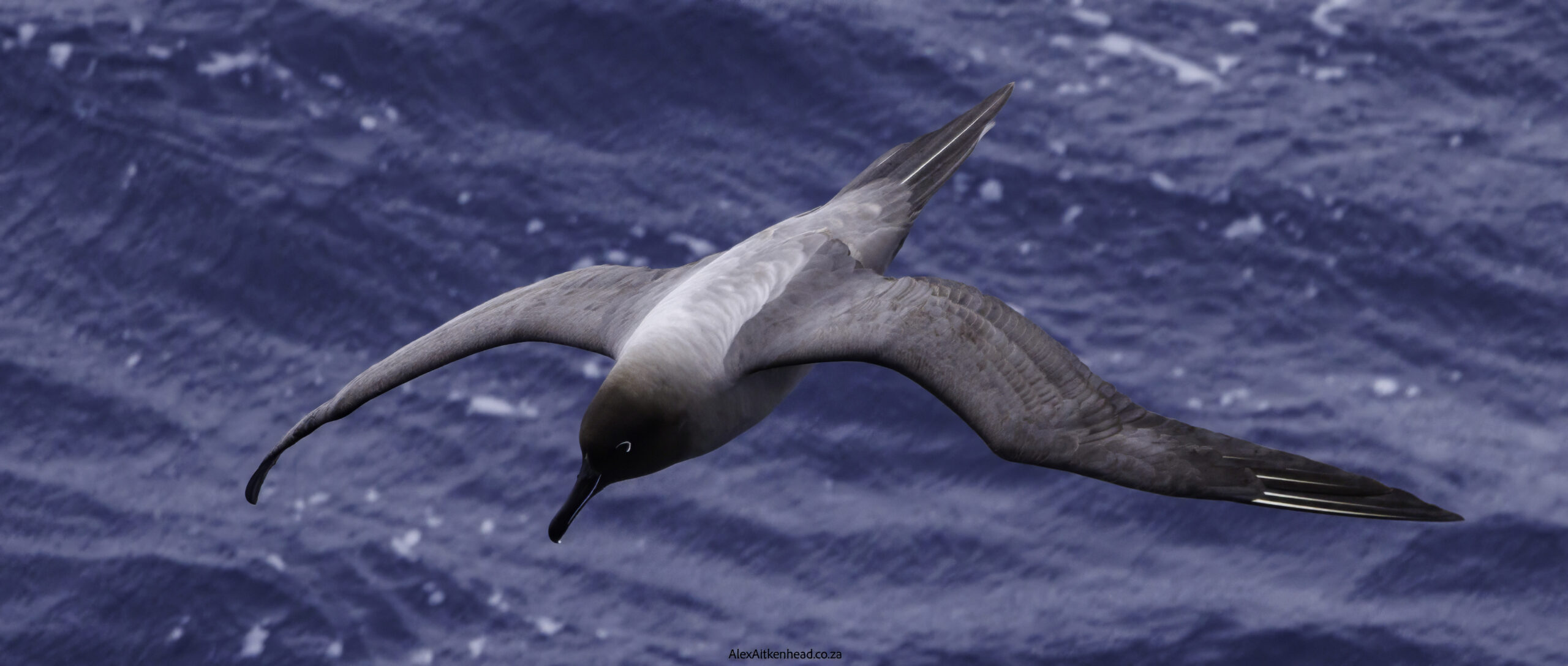
Back to the birding: we’re treated to an array of aerial displays by the Sooty Albatross. The odd Indian Yellow-nosed Albatross also makes an appearance, and Dark-morphed Soft-plumaged Petrels keep everyone on their toes, as they closely resemble the Grey Petrels or Kerguelen Petrels we’ve been hoping to see.
On the cetacean front, we’re fortunate to spot a Sei Whale, an endangered species, adding to the day’s thrills.
As dusk falls, we gather for dinner and prepare for another early night—tomorrow holds the promise of Marion Island at first light.


⸻
Sei Whale – Balaenoptera borealis – seen on 26 Jan 2025 on Flock to Marion AGAIN! 2025, between Durban and Marion Island.

The sei whale is the 3rd largest living animal on this planet after the blue whale and the fin whale.
Because the sei whale is a marine mammal, it is warm-blooded, produces milk, gives birth and breathes air.
The scientific name for the sei whale is “Balaenoptera borealis”.
These marine mammals make up one of around 80 known species of cetaceans (cetaceans include all species of whale, dolphin and porpoise).
The sei whale can be found in all of the world’s major oceans; they tend to avoid extremely cold/hot climates near the polar and tropical regions of the world.
Due to extensive whaling efforts during the whaling era, these marine mammals are now considered an endangered and protected species. (It is estimated that nearly 2/3 of their population was decimated due to whaling.
The only known potential natural predator of the sei whale is a pack of killer whales.
Aside from natural predators, sei whales also face threats from collisions with ships, accidental catches in fishing nets and hazards from other fishing gear.
Because the sei whale is a baleen whale, it is born with two blowholes and lacks teeth, which are instead replaced with up to 400 baleen plates packed with bristles that are used to filter their prey from the water.
The sei whale has been recorded holding its breath for up to 20 minutes; its maximum underwater time is unknown.

Day four: 27 January. Finally, we have arrived at Prince Edward and Marion Island
Prince Edward Island first appeared on the horizon, partially obscured by a persistent cloud band. As the morning progressed, conditions improved, and Marion Island became visible under blue skies. The Southern Ocean mirrored the change, settling into a deep, vivid blue—ideal conditions for pelagic birding.
This encounter carried particular significance. In 2022, a predicted storm and 12 m swells forced the MSC Orchestra to abandon the area after only two hours, denying us any view of Marion Island. Three years later, we returned to the same waters—this time with a full day to observe.
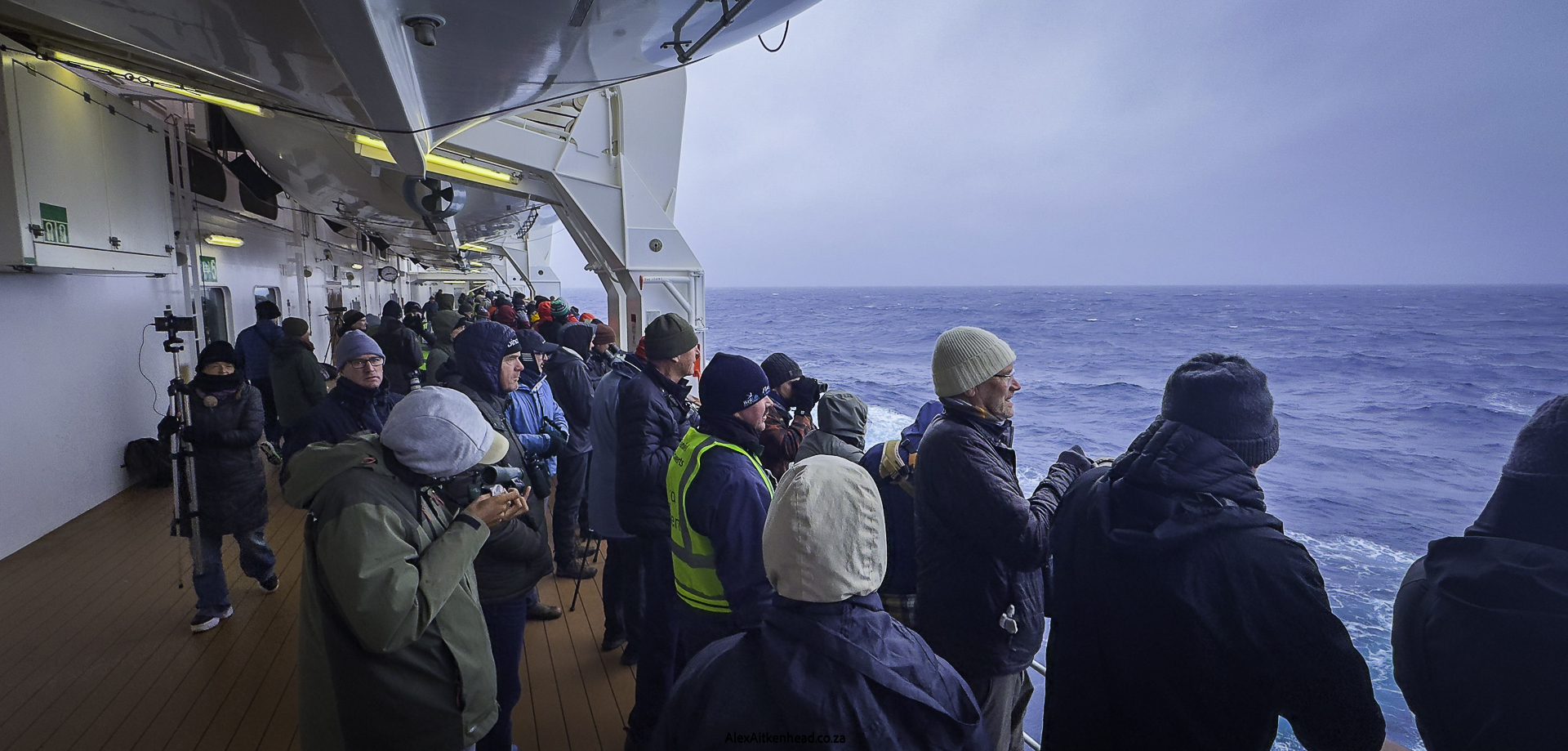
Well before first light, birders assembled on deck, fully aware of the privilege of standing in what is widely regarded as one of the most important pelagic birding locations in the world.


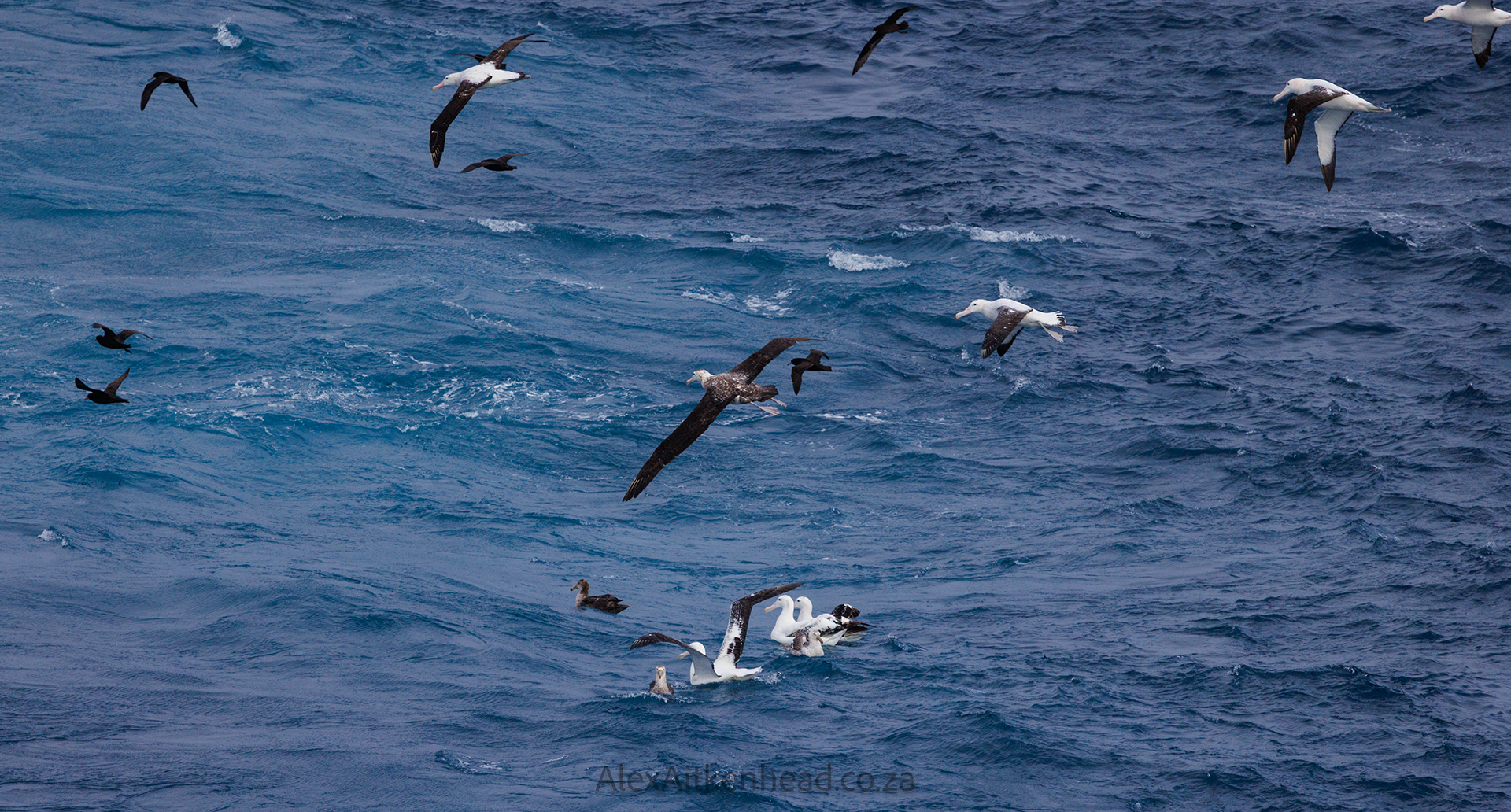
Bird activity was immediate and abundant. Numbers were exceptional. At least 50 Wandering Albatross were visible at any given time, with both Northern and Southern Giant Petrels present in all directions. Large flocks of prions drifted constantly around the vessel, while White-chinned Petrels and various shearwater species completed the bulk of the assemblage.
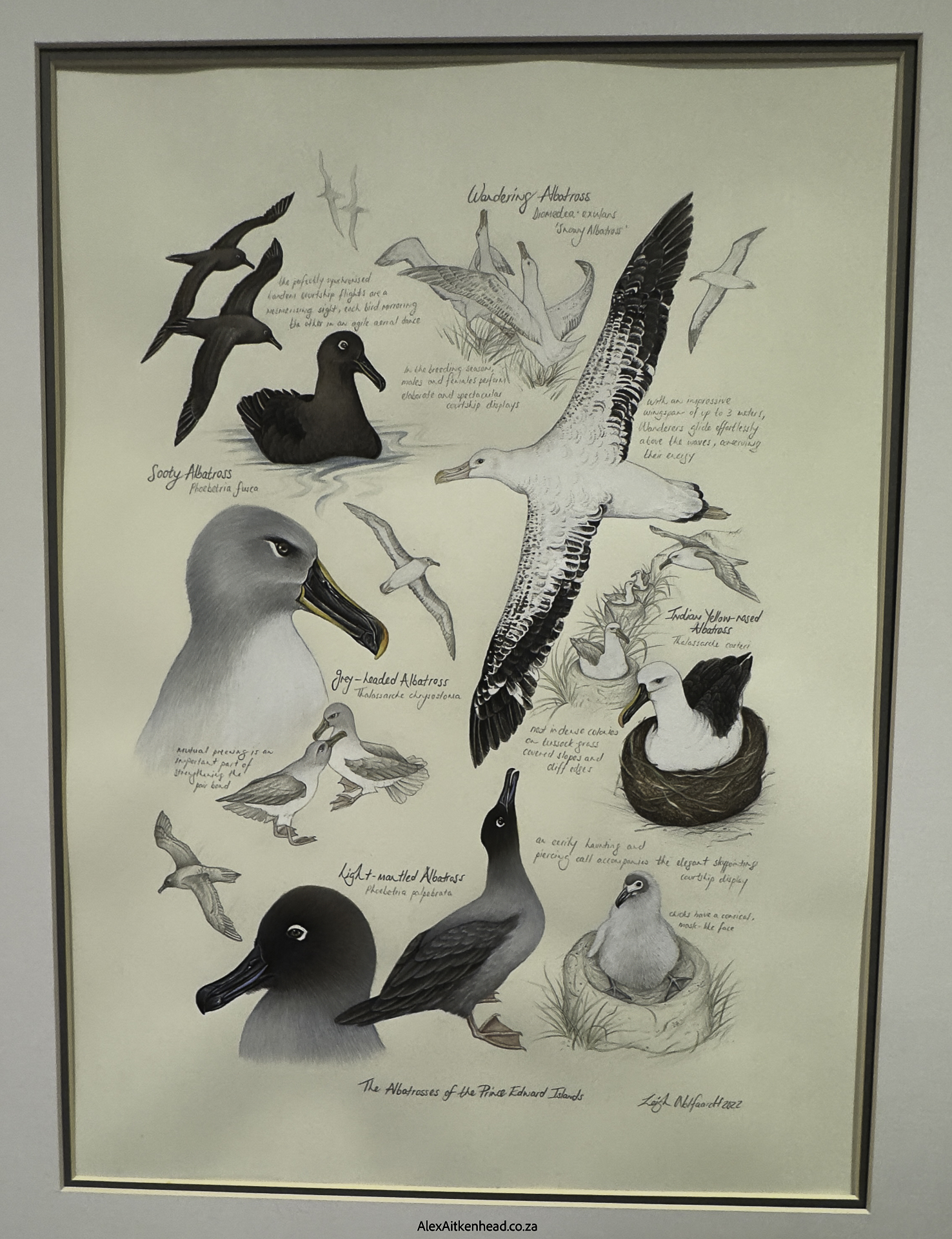
Careful scanning revealed several highlight species. Sooty and Light-mantled Albatross were frequent and always impressive. Grey-headed Albatross appeared regularly, followed by several Black-browed Albatross, with Indian Yellow-nosed Albatross recorded consistently throughout the day. Storm Petrels—Wilson’s and Grey-backed—were also noted. Guides later confirmed Little Shearwaters and Common Diving Petrels among the smaller species present.
Excitement rose sharply with the call of “penguins on the water.” Initial sightings were challenging due to the scale of the vessel and sea state. As visibility improved later in the day, multiple penguins were observed porpoising past the ship. Subsequent image review allowed for confident identification.


King Penguins and Macaroni Penguins were the most frequently recorded species, with Southern Rockhopper Penguins also confirmed. A notable highlight occurred when a Gentoo Penguin was observed clearly from the upper decks—a prolonged and close enough sighting to allow confident identification and photography, providing a new lifer for some observers.
Marion Island itself eventually emerged fully from the cloud, prompting celebration among passengers and birders alike. Unfortunately, increasing westerly winds soon carried cloud back across the island, and it disappeared from view for the remainder of the day.


The Southern Ocean had another unforgettable surprise up its sleeve—just when we thought the Gentoo Penguin spectacle couldn’t be topped! Suddenly, skimming low over the starboard side, a stunning Cape (Pintado) Petrel burst onto the scene. With effortless grace and dramatic flair, it made pass after pass, thrilling everyone on deck. Each flyby was closer, better, more breathtaking than the last!
Cameras clicked, binoculars locked on, and cheers rippled through the crowd as this charismatic seabird completely stole the show. In no time at all, it became the undeniable favourite of the voyage—and to the delight of the birders onboard, almost everyone managed to proudly tick this beauty off their list! What a moment!

Late in the afternoon, thousands of prions of various species congregated offshore, likely preparing to return to breeding areas after dark to avoid predation by Giant Petrels.
This day stands out as one of the most productive and memorable pelagic birding experiences of the voyage, remarkable not only for species diversity and numbers but also for the long-awaited opportunity to observe Marion Island itself.
With another morning in these waters ahead, anticipation for further sightings remained high; everything hinged on the weather forecast for the following morning.


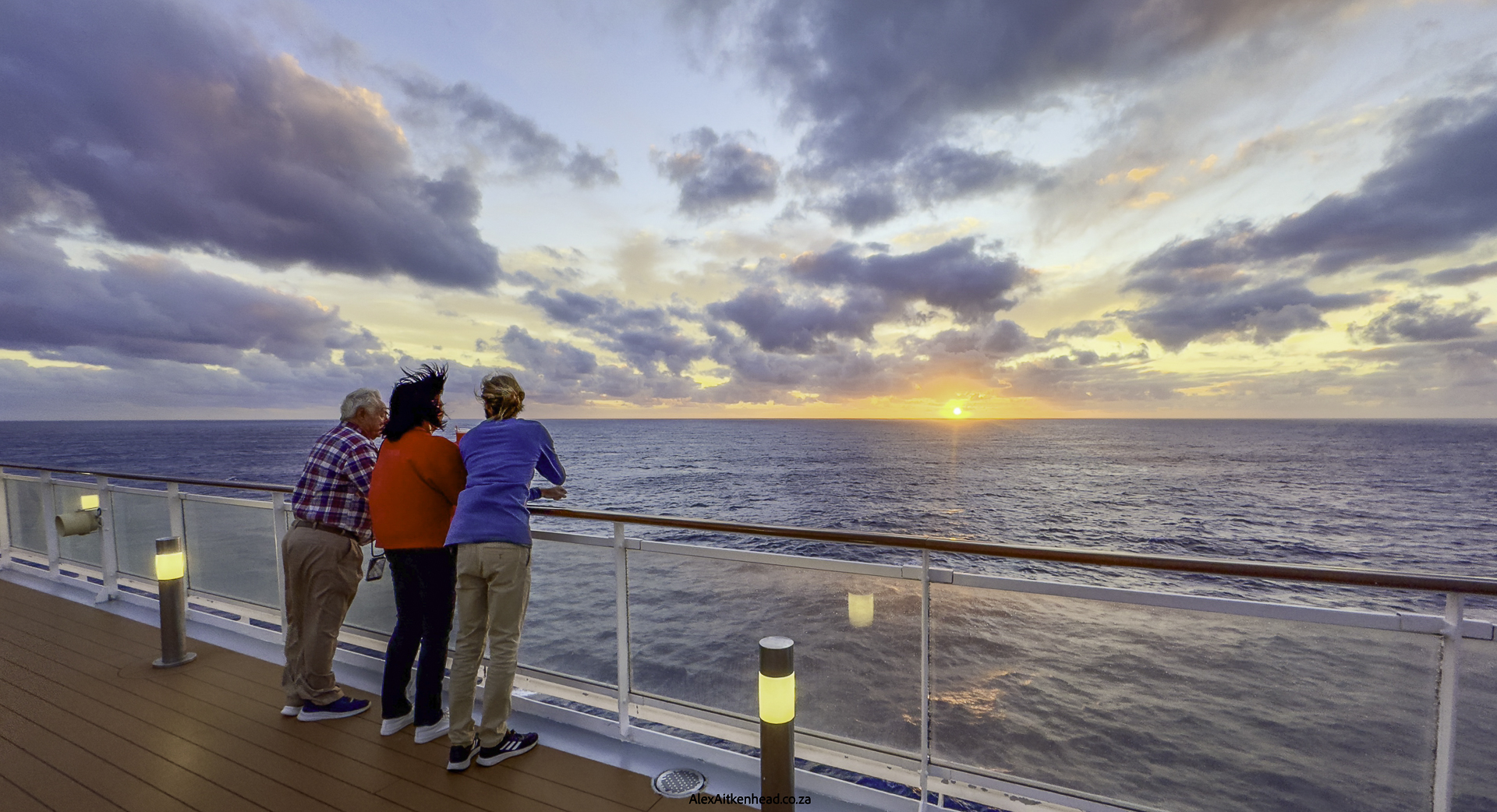


Day five: 28 January, our second day at Marion Island







Day six, unfortunately, we are heading back to Durban
We have been steaming back to Durban at full trust. We awoke to a completely different world from the frigid waters around the Prince Edward and Marion Islands.
The waters are calm conditions wind still, and warm enough to be enjoyable. We headed straight for the Bow as the early morning light improved. What a pleasant experience it was to have Dr Callan Cohen guiding this station. It wasn’t long before calls were coming through of Whale blows on the horizon. Cetaceans on this morning were off the rails; more than seven separate sightings were logged.
With a slight Breeze building, we started to experience a few more pelagic bird sightings; sooty albatrosses regularly crossed the bow.
Breakfast with the family and back on the decks looking for a few more species to add to what was a very productive early morning. We finally managed to tick off our bogey bird, the Tropical Shearwater.
Nice to see some flying fish as an added distraction from the fantastic list of pelagic species. We also had a few great sightings of Long-tailed Jaegers.
This day would, however, be remembered for its remarkable Cetacean appearance, most notably the Strapped-toothed Whale with a calf at close range.
As we moved more and more away from the colder waters and into the desert, warmer waters, so did the frequency of birds also decrease. This was the perfect opportunity to spend some time with the family as we enjoyed time mingling with fellow birders and some indoor activities.


Day seven: Last day of the Flock to Marion again 2025
As we tried to make sense of the full day spent around Marion Island and the spectacular array of bird species we had the privilege of observing, we now spent the last day soaking up the warm sunshine and beautiful blue waters.
We didn’t spend long hours on the decks; however, we did manage to add Sooty Tern and another magnificent experience of capturing a Giant Manta Ray.
Well, that’s a wrap as the Flock to Marion finally entered Durban Harbour in the early hours of the morning.
Our minds were now focused on our next adventure into the Drakensberg and hopefully a chance encounter to witness the Critically Endangered Bearded Vulture.
The mountains are calling, and we must go….


Day eight: our last day at sea, “The Mountains are calling, and we must go”
Birdlife South Africa omitted to record “Other Notable Species” for the final Species list. We have included some of the species as they are very special for most of the Flockers

Stunning image of the Hourglass Dolphin north of Marion Island by Stewart MacLachlan

Heading Back to Durban and another great capture of this Loggerhead Turtle by Stewart MacLachlan, Flock to Marion Again 2025, flock to Marion, Birdlife South Africa, Mouse-free Marion

Mirror Tropical water and boom, this stunning Yellow-banded Flying Fish was recorded by Stewart MacLachlan, Flock to Marion Again2025, flock to Marion, Birdlife South Africa, Mouse-free Marion
We also wanted to compliment some of the specialist Birding Guides that had a huge impact on our overall experience during the #Flocktomarionagain2025.

Professor Ken Findlay
Afriseas Solutions (Pty) Ltd.
Ken Findlay is, by background, a marine mammal biologist (mainly working in large whale population biology) with extensive experience conducting field surveys in the Southern Ocean, Antarctica, the sub-Antarctic, and the western Indian Ocean. He is also a member of the IUCN cetacean and IUCN sirenian specialist groups and the IWC Scientific Committee. He currently directs Afriseas Solutions, a consulting company specialising in ocean governance and sustainable ocean development. He is a keen ocean and underwater photographer.

John Kinghorn
BirdLife South Africa – Avitourism Project Manager
John has always had a deep-rooted passion for birding and conservation and will oversee the seabird and mammal expert team for the 2025 voyage. At age 29, he has been an avid birder for 18 years and a professional bird guide for 11 years. He has spent countless hours birding the southern oceans as both a guide and bird observer for the Atlas of Seabirds at Sea project, before BirdLife South Africa Flock at Sea events, and pelagic day trips across the country. John relishes the opportunity to share his passion for birding and bird conservation with everyone on board.

Daniel Danckwerts
Rockjumper Worldwide Birding Adventures
Daniel Danckwerts is the Tailormade Manager at Rockjumper Birding Tours and has nearly a decade of guiding experience covering both Africa and Asia. Dan has a passion for seabirds in particular and, as an aside from his guiding career, has a PhD on the genetic structure of tropical seabird populations. He has published several articles based on this research as well as other topics, including seabird-fishery interactions, rat eradications on tropical islands, and diet studies. His favourite place in the world is Antarctica, the ultimate seabird paradise.

Callan Cohen
Birding Africa / Cape Town Pelagics
Callan is Director of Birding Africa, a bird tour company he founded, and loves sharing his passion for birds, having led over 150 tours across Africa and Madagascar. He also coauthored the Southern African Birdfinder and is a Research Associate at the FitzPatrick Institute at the University of Cape Town. He watches seabirds daily from his home on the Cape Peninsula.

Gary Alport
BirdLife International
Gary Allport is an Adviser to the CEO at BirdLife International. He has worked for BirdLife since 1990, having been in charge of the Africa programme, the Pacific region, and developing a policy office in Washington DC, before moving to the CEO’s team. He currently works on strategic relationships for BirdLife and the development of broad-scale initiatives for flyway conservation. He has lived in Mozambique, Sri Lanka and, now, Bangladesh (where he misses his favourite bird, the Manx Shearwater).

Richard ‘Stratton’ Hatfield (Centre in Image above, the A team)
Rockjumper Worldwide Birding Adventures
Stratton is a passionate guide, and his love for birding and conservation is contagious. He was born in Zimbabwe to American parents. He began birding at the age of 7 in Nata, Botswana. His immediate family now lives in Kenya and the Netherlands – and he is proud to call both countries home. Stratton is currently pursuing a PhD at Wageningen University in the Netherlands, studying Martial Eagle ecology in the Maasai Mara ecosystem of southern Kenya.
Robert Williams (LHS in the image above, the A team)
Rockjumper Worldwide Birding Adventures
Rob Williams is a British ecologist who earned a PhD on population dynamics of the Long-eared Owl and then worked for international conservation organisations across the globe, but mainly in South America, where he worked on threatened species, including White-winged Guan and Andean Condor. He has been guiding bird tours since 1997, and for Rockjumper for the last 15 years. He has led pelagic trips out of Peru and tours in Antarctica. He is a keen photographer and has worked for magazines including National Geographic. His favourite bird is the Crescent-faced Antpitta.

Justin Ponder
Justin Ponder is a young birder from the Garden Route whose love for birds has gotten him involved in bird guiding and identification since he was fifteen years old. Justin has assisted with seabird identification on multiple pelagics off Knysna and has experience with pelagics off Cape Town as well. Since his first pelagic birding experience, Justin has fallen in love with seabirds, with Albatrosses, in particular, being his favourite bird family.

Slide from Birdlife South Africa (Mark D Anderson) Podcast on the #Mousefreemarion Project.
Flock to Marion 2025 — Birding, Awareness, and Fundraising, a Unique Birding Expedition in support of the Mouse Free Marion Project

Raising Funds and Awareness for Conservation
” As Friends of the Flock to Marion, we have managed to add to our current Donations, taking us into the Ten Hector category.”

Slide from Birdlife South Africa (Mark D Anderson) Podcast on the #Mousefreemarion Project.
The Mouse-Free Marion (MFM) Project — History and Ecological Context

The Mouse-Free Marion Project — Strategy and Challenges
Organisation and Governance


Slide from Birdlife South Africa (Mark D Anderson) Podcast on the #Mousefreemarion Project.
Broader Conservation Context and Urgency:


Slide from Birdlife South Africa (Mark D Anderson) Podcast on the #Mousefreemarion Project.
The Story of Marion Island
Marion Island is a sub-Antarctic volcanic island in the southern Indian Ocean, about 2,300 km southeast of Cape Town. It forms part of the Prince Edward Islands, together with the smaller Prince Edward Island. The islands are uninhabited except for a permanent South African research station on Marion Island.
The Prince Edward Islands were first recorded on 4 March 1663 by a Dutch ship, the Maerseveen, under the command of Barent Barentszoon Lam. The islands were named Dina and Maerseveen. However, their positions were recorded inaccurately, and for many years their exact location remained uncertain, leading to confusion on maps and in navigation.
In January 1772, the French explorer Marc-Joseph Marion du Fresne rediscovered the islands during his voyage in the southern Indian Ocean. He attempted to land on the islands but was unsuccessful due to rough seas and weather conditions. Marion du Fresne believed the land might be part of a southern continent and named it Terre de l’Espérance. The larger island was later named Marion Island in his honour. Marion du Fresne did not return to the islands and was killed later in 1772 in New Zealand.

Slide from Birdlife South Africa (Mark D Anderson) Podcast on the #Mousefreemarion Project.
During the late 18th and 19th centuries, Marion Island was visited intermittently by sealers and whalers. These crews hunted fur seals and elephant seals, causing major declines in seal populations. Ships visiting the island also unintentionally introduced non-native species, most notably house mice, which became established and later caused ecological damage.
In December 1947, South Africa annexed Marion Island and Prince Edward Island. The annexation was carried out to secure a strategic position in the southern oceans and to support weather forecasting. In 1948, the first South African expedition established a permanent meteorological station on Marion Island. Since then, the island has been continuously occupied by rotating teams of scientists and technical staff.
Scientific research on Marion Island has focused on meteorology, geology, oceanography, and biology. The island is an important breeding site for seabirds, including wandering albatrosses, grey-headed albatrosses, and king penguins. Large populations of seals also breed on its shores. The climate is cold, wet, and windy, and vegetation is limited to grasses, mosses, lichens, and low-growing plants.
In 1995, the Prince Edward Islands were declared a Special Nature Reserve under South African law. Fishing and access are strictly controlled. The surrounding waters were later designated as a Marine Protected Area, extending protection to marine ecosystems and species.
One of the most serious ongoing challenges on Marion Island is the impact of invasive house mice. Originally introduced by sealing vessels, the mice have caused damage to invertebrates, vegetation, and, more recently, seabirds. They have been recorded attacking and killing seabird chicks and even adult birds, contributing to population declines. Plans to eradicate the mice have been developed to protect the island’s ecosystem.

Slide from Birdlife South Africa (Mark D Anderson) Podcast on the #Mousefreemarion Project.

Slide from Birdlife South Africa (Mark D Anderson) Podcast on the #Mousefreemarion Project.

Slide from Birdlife South Africa (Mark D Anderson) Podcast on the #Mousefreemarion Project.
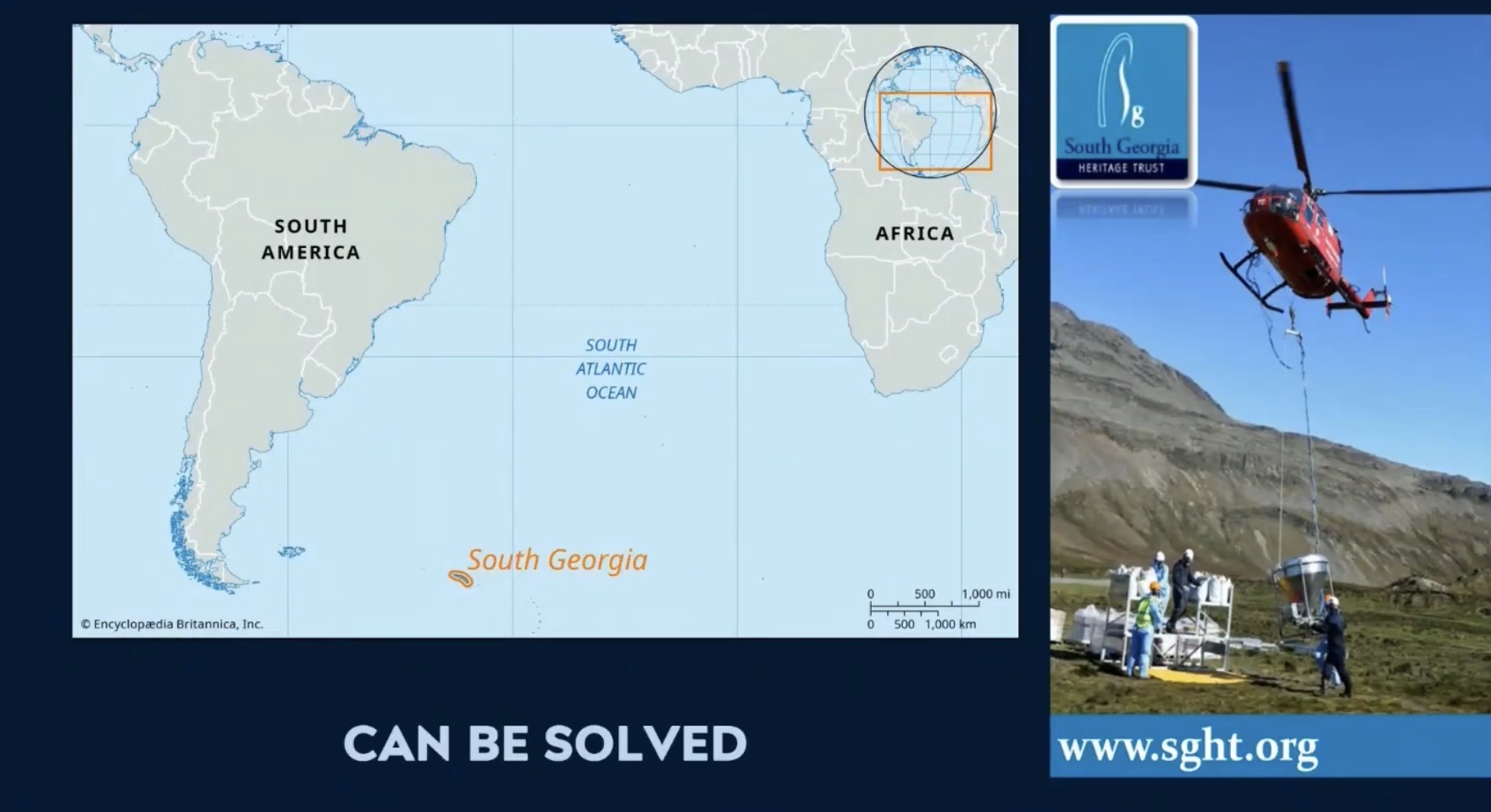
Slide from Birdlife South Africa (Mark D Anderson) Podcast on the #Mousefreemarion Project.
Gentoo Penguin: Marion Island


Gentoo Penguin
With their orange bills and feet and distinctive white head flashes, Gentoo Penguins Pygoscelis papua are quite different from the other three penguin species that breed on the islands
– both in appearance and behaviour. They remain on the island year-round, feeding close inshore on fish and crustaceans.
They typically dive to only about 40 metres in the shelf waters of Marion Island, but are capable of more impressive feats, reaching depths of up to 200 metres elsewhere in their range.
Gentoo Penguins reach their northern limit at the Prince Edward Islands. Unlike farther south, where they breed in summer, often in large, dense colonies, in Prince Edward Island, they breed in small colonies, usually in winter. Breeding is protracted, however, because unlike the other penguins found at the islands, they can lay a replacement clutch if their first attempt fails. As a result, eggs may be found from June to December, with some chicks still present in February. They are far less common than the other penguins, with only a few thousand pairs present. Their numbers decreased at Marion Island during the 1990s, but have since increased again, thanks to an improvement in breeding success. Gentoo Penguins are prone to disturbance, especially when starting to breed, which coincides with the annual relief voyage to Marion Island.
Visitors should remain well away from their breeding sites, which are often in small valleys some distance from the coast.


Final Species list as supplied by Birdlife South Africa:


Some of our Friends we met on the Flock to Marion Again 2025
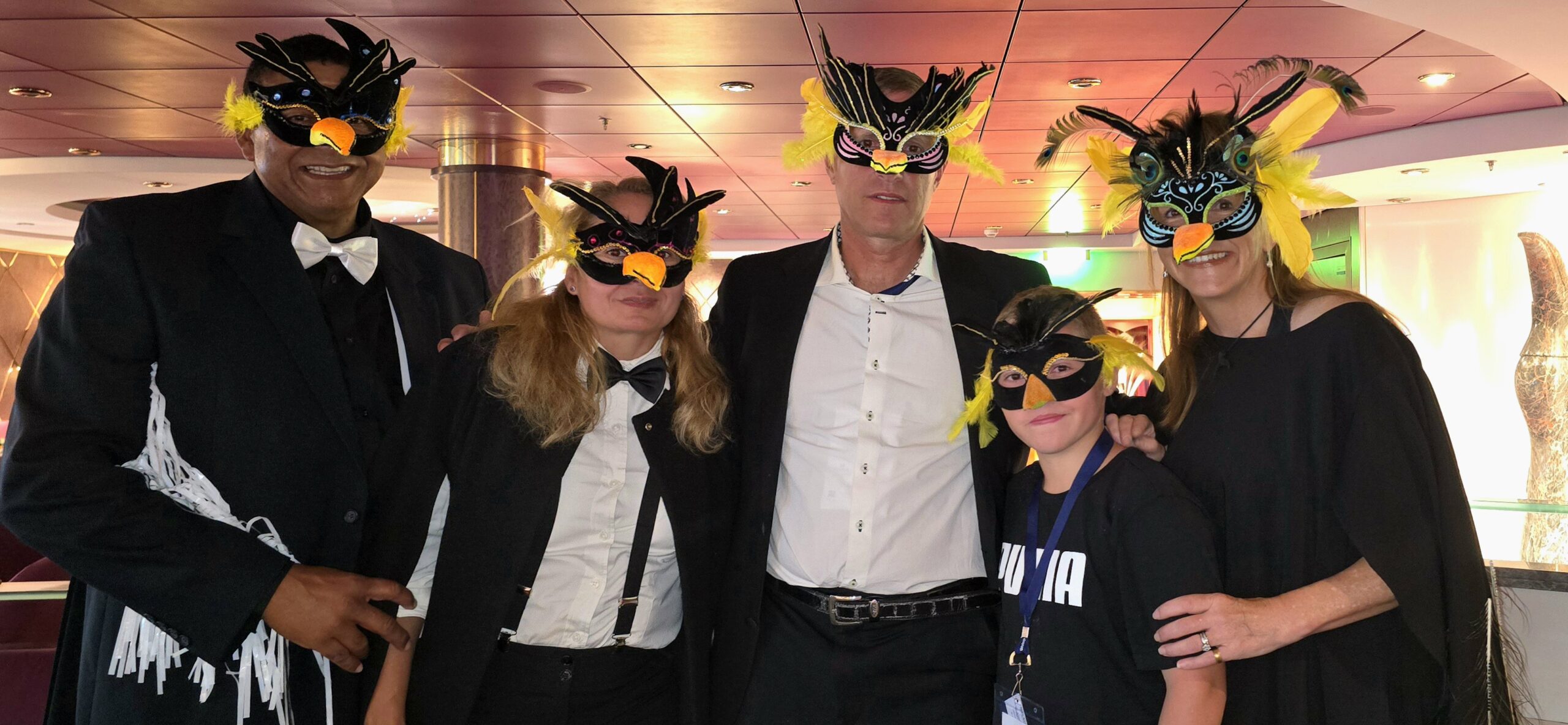
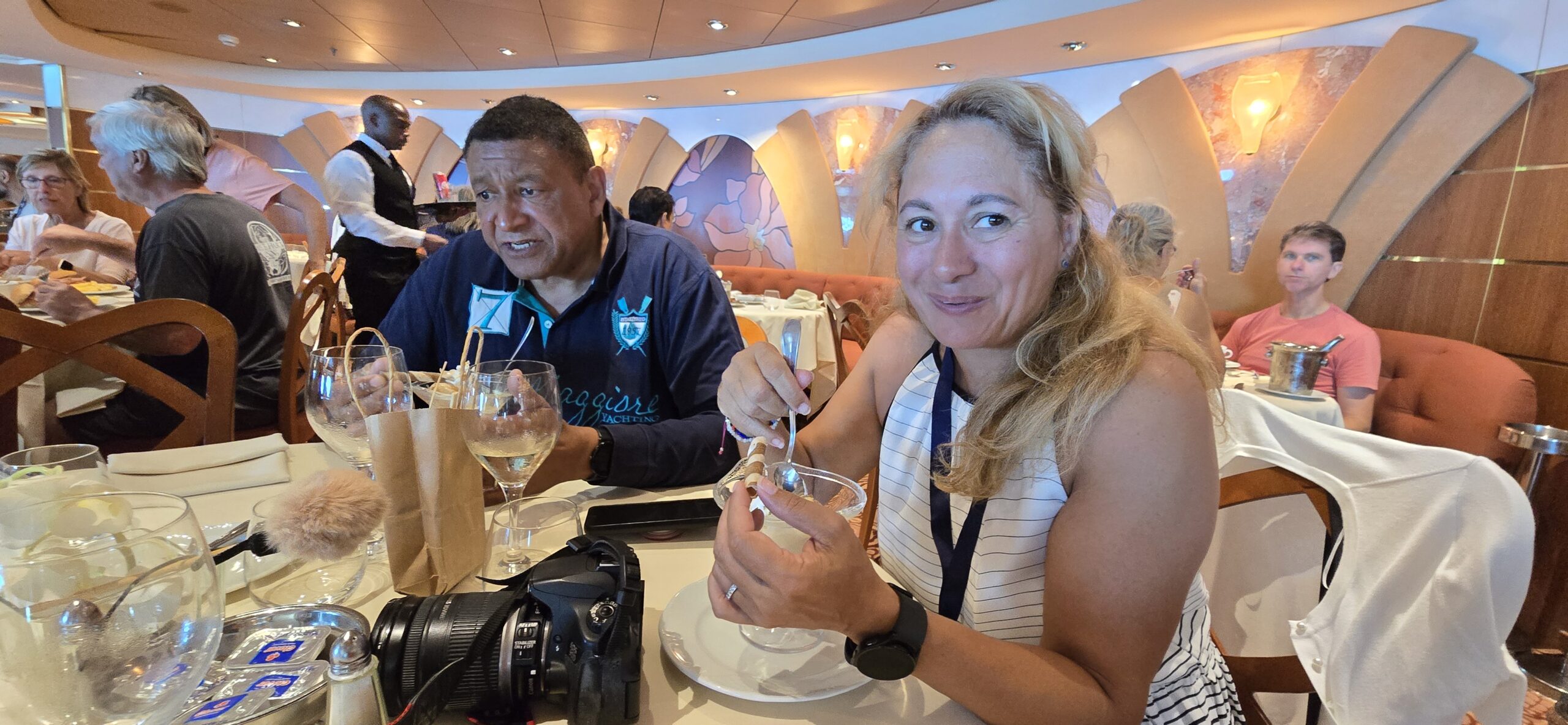

Prof. Peter Ryan was such an inspiration both on and post the Flock to Marion Again 2025. Peter helped us navigate our way around the two Islands of Prince Edward and Marion. He also joined us at the Lammergeier(Bearded Vulture) Bird Hide at Giant’s Castle, where we ticked off the Bearded Vulture.

We finally got to meet Holly Parsons from Albatross Lovers; thanks for all your wonderful support over the years.


Further Reading & Engagement
- Visit the Mouse-Free Marion Project website for updates, donation opportunities, and detailed project governance.
- Follow BirdLife South Africa’s conservation campaigns and future Flock to Marion voyages for continued support and awareness building.

Flock to Marion from a different perspective:
https://share.google/zFQgNGiNhFcH4tTVH
https://www.birdingecotours.com/destination/antartica-birding-tours/
https://share.google/LERU1GbA0uGUMzzf2

You might also like


Leave a reply